
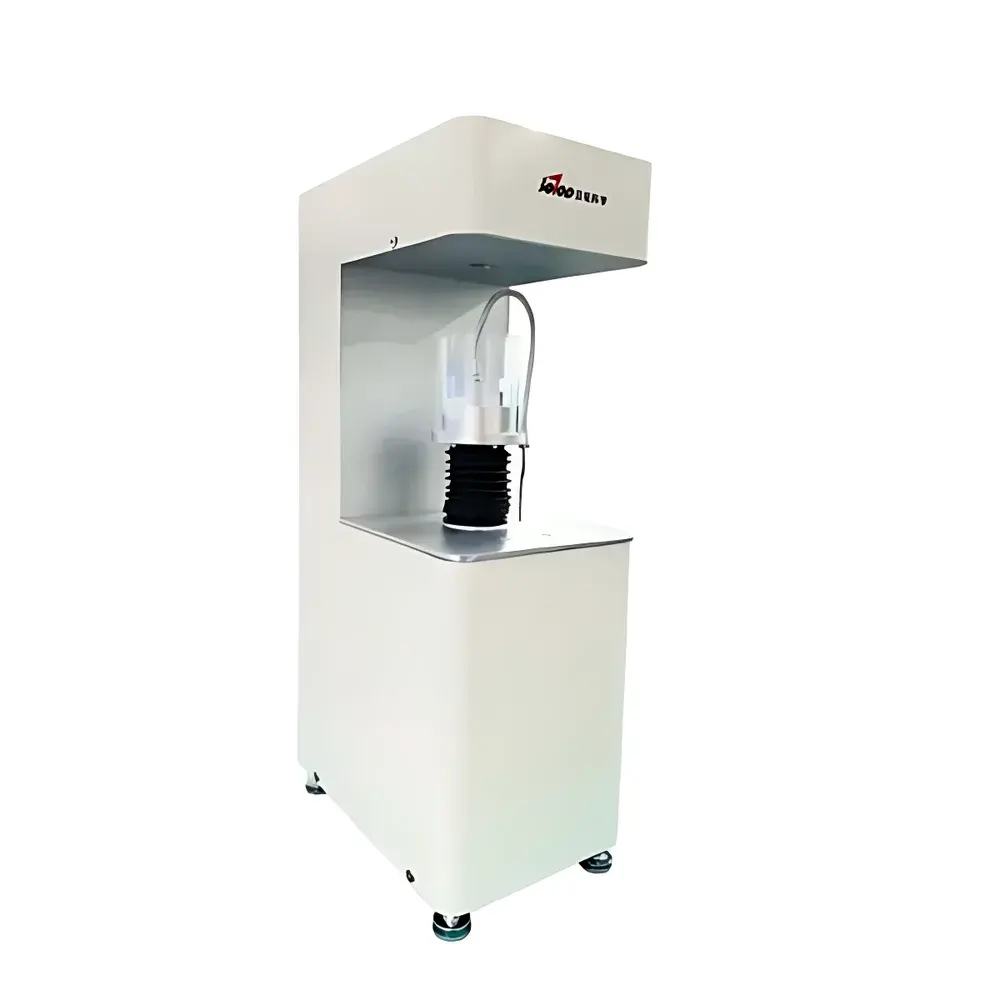
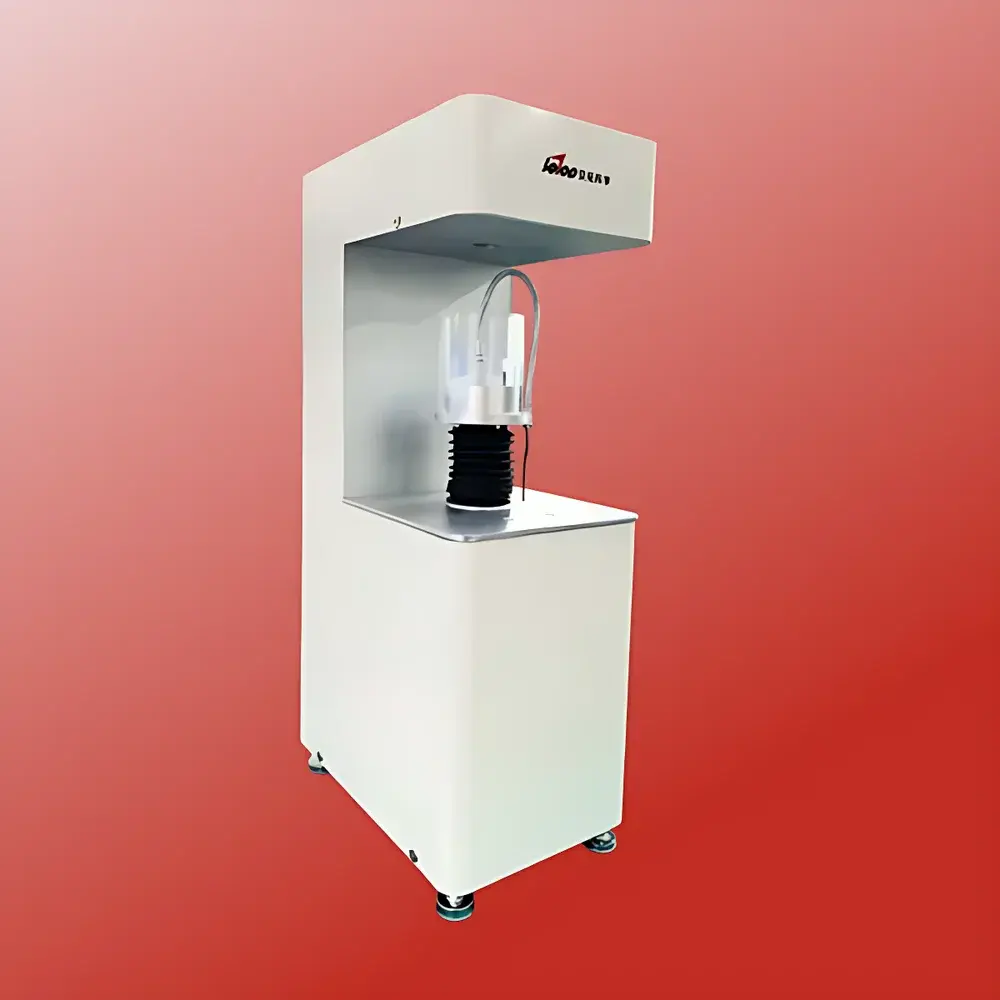
Betop Scientific KF20C Automatic Surface Tensiometer
| Brand | Betop Scientific |
|---|---|
| Origin | Guangdong, China |
| Manufacturer Type | Manufacturer |
| Product Category | Domestic |
| Model | KF20C |
| Price Range | USD 9,800–11,200 (FOB) |
| Measurement Range | 1–1000 mN/m |
| Resolution | 0.10 mN/m |
| Accuracy | ±0.1 mN/m |
| Temperature Display Range | −40 °C to +460 °C |
| Temperature Display Accuracy | ±0.01 °C |
| Measurement Methods | Du Noüy Ring Method, Wilhelmy Plate Method |
Overview
The Betop Scientific KF20C Automatic Surface Tensiometer is a precision laboratory instrument engineered for the quantitative determination of surface tension (γSV) and interfacial tension (γSL) of liquid–air and liquid–liquid systems. It operates on two internationally standardized physical principles: the Du Noüy ring method (ASTM D971, ISO 6295) and the Wilhelmy plate method (ISO 1409, ASTM D1331), both grounded in force-balance measurement of the vertical pull exerted by the liquid meniscus on a calibrated platinum-iridium probe. The system integrates a high-stability microbalance with electromagnetic force compensation (EMFC), delivering high reproducibility under controlled thermal conditions. Designed for routine QC labs and R&D environments, the KF20C supports thermally regulated measurements across an extended temperature range—critical for evaluating temperature-dependent surfactant behavior, polymer solution dynamics, and formulation stability.
Key Features
- Dual-method capability: Simultaneous support for platinum ring and platinum plate geometries, enabling method cross-validation and compliance with multiple pharmacopeial and industrial standards.
- High-resolution force detection: 0.10 mN/m resolution with ±0.1 mN/m absolute accuracy, traceable to NIST-calibrated reference liquids (e.g., distilled water at 20 °C = 72.75 mN/m).
- Integrated thermal control: Motorized sample stage with Peltier-assisted heating/cooling (−10 °C to +300 °C), coupled with real-time temperature monitoring via Pt100 sensor (±0.01 °C display resolution).
- Automated mechanical positioning: Precision stepper-motor-driven Z-axis with 100 mm vertical travel, programmable immersion depth, and dynamic contact-angle compensation during plate withdrawal.
- Optical assist system: Integrated white LED coaxial illumination and adjustable focus lens for unambiguous meniscus identification—essential for low-tension or viscous samples.
- Robust mechanical architecture: Anti-vibration base, enclosed draft shield, and auto-protection logic that halts motion upon over-force detection or thermal excursion.
Sample Compatibility & Compliance
The KF20C accommodates a broad spectrum of sample types—including aqueous surfactant solutions, organic solvents, polymer melts, crude oils, emulsions, and biological fluids—within standard glass beakers (30–100 mL capacity). Its dual-probe design ensures compatibility with volatile, corrosive, or high-viscosity media when appropriate cleaning protocols are followed. The instrument meets functional requirements for GLP-compliant laboratories: full audit trail logging (user ID, timestamp, method parameters, raw force vs. time data), electronic signature support, and exportable CSV/Excel reports compliant with FDA 21 CFR Part 11 expectations. It supports validation per USP , ISO 1409:2016, and ASTM D1331-22 for interfacial tension in petroleum products.
Software & Data Management
TENTION software (v4.2+) provides intuitive graphical interface for method setup, real-time curve visualization (force vs. immersion depth), automatic peak detection, and multi-point calibration. All measurement sequences—including temperature ramping, multi-cycle hysteresis analysis, and CMC titration—are scriptable and repeatable. Raw data files retain full metadata (sensor ID, environmental humidity/pressure tags if interfaced), and processed results include statistical summaries (mean, SD, RSD%) across user-defined replicates. Export formats include PDF reports with embedded calibration certificates, PNG/SVG plots, and structured XML for LIMS integration.
Applications
- Determination of critical micelle concentration (CMC) and adsorption isotherms for surfactant screening in pharmaceutical formulation and detergent development.
- Wettability assessment of APIs, excipients, and tablet coatings via contact angle-derived surface energy models (Owens–Wendt, Fowkes).
- Monitoring oxidative aging of lubricants and transformer oils through interfacial tension decay kinetics against water.
- Optimization of paint, ink, and adhesive spreading behavior by correlating surface tension with substrate critical surface tension.
- Evaluation of cleaning efficacy in food processing equipment using tank rinse-water surface tension as a surrogate for residual organic load.
- Characterization of nanomaterial dispersion stability via interfacial tension changes at particle–liquid interfaces.
- Quality control of cosmetic emulsions and personal care formulations where interfacial rheology governs long-term phase separation resistance.
FAQ
What standards does the KF20C comply with for surface tension measurement?
It supports ASTM D971 (ring method), ASTM D1331 (plate method), ISO 6295, ISO 1409, and USP —with documented uncertainty budgets available upon request.
Can the KF20C perform temperature-controlled CMC studies?
Yes: The integrated Peltier stage enables programmable temperature ramps (0.1–5 °C/min) synchronized with automated surfactant titration sequences in TENTION software.
Is third-party calibration certification available?
Betop Scientific provides optional NIST-traceable calibration certificates for force and temperature subsystems, valid for 12 months from issuance.
How is data integrity ensured during regulatory audits?
All user actions, method parameters, raw sensor outputs, and report generations are time-stamped, digitally signed, and stored in an immutable binary archive—fully recoverable for 21 CFR Part 11 review.
What maintenance is required for long-term accuracy?
Annual verification using certified reference liquids (e.g., formamide, ethylene glycol) and biannual cleaning of platinum probes with chromic acid or Piranha solution (under fume hood) is recommended.



