
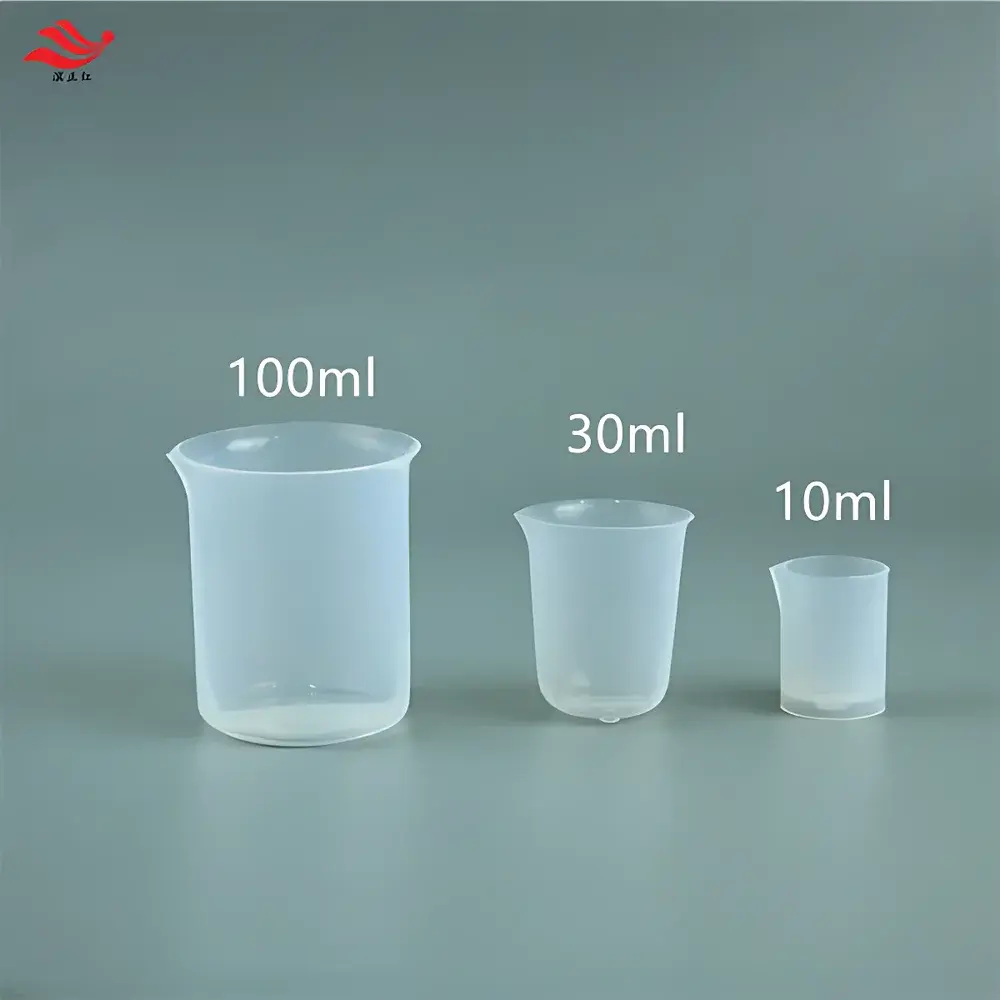
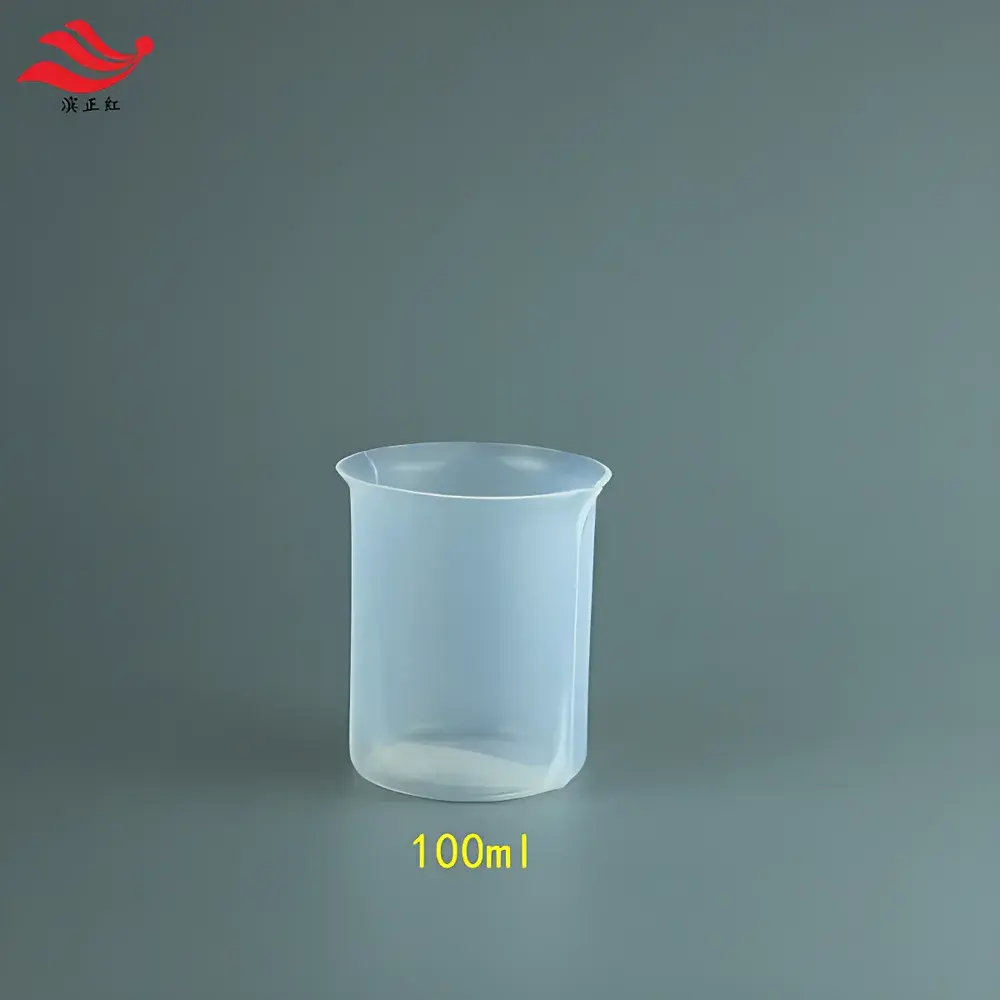
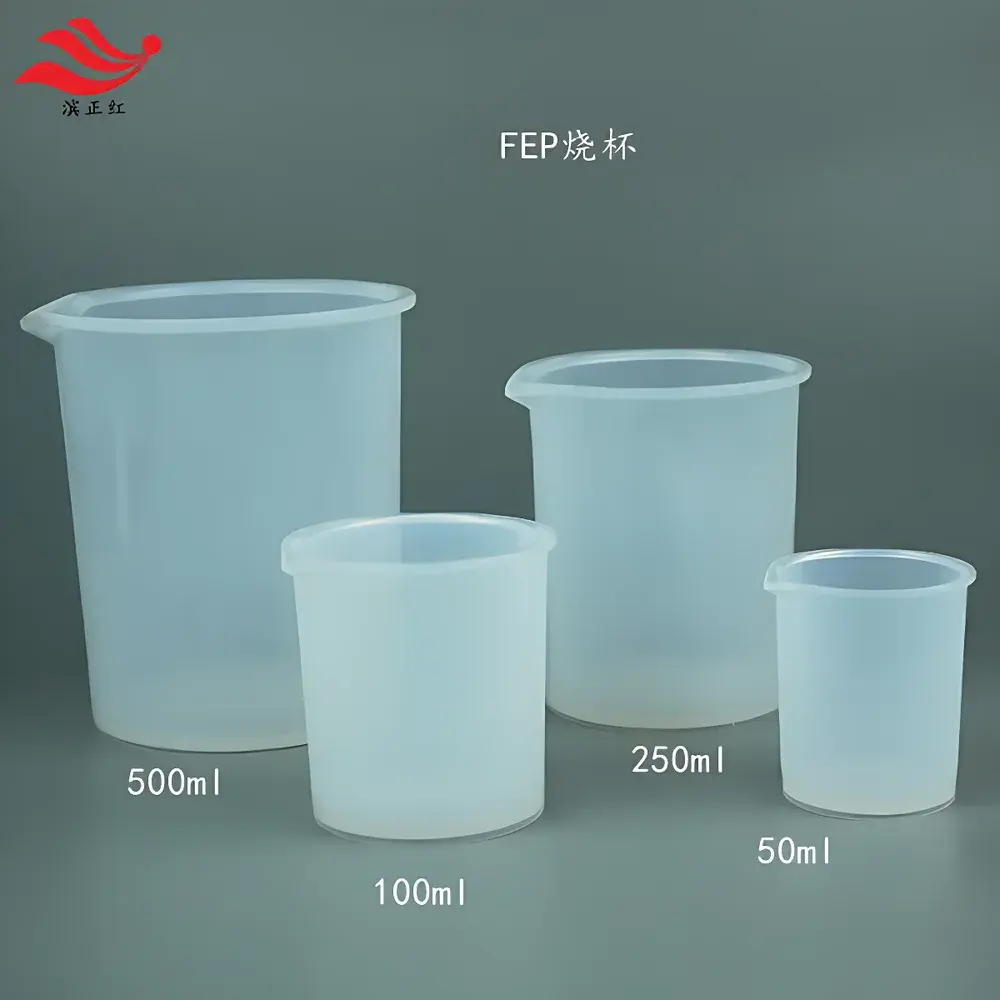
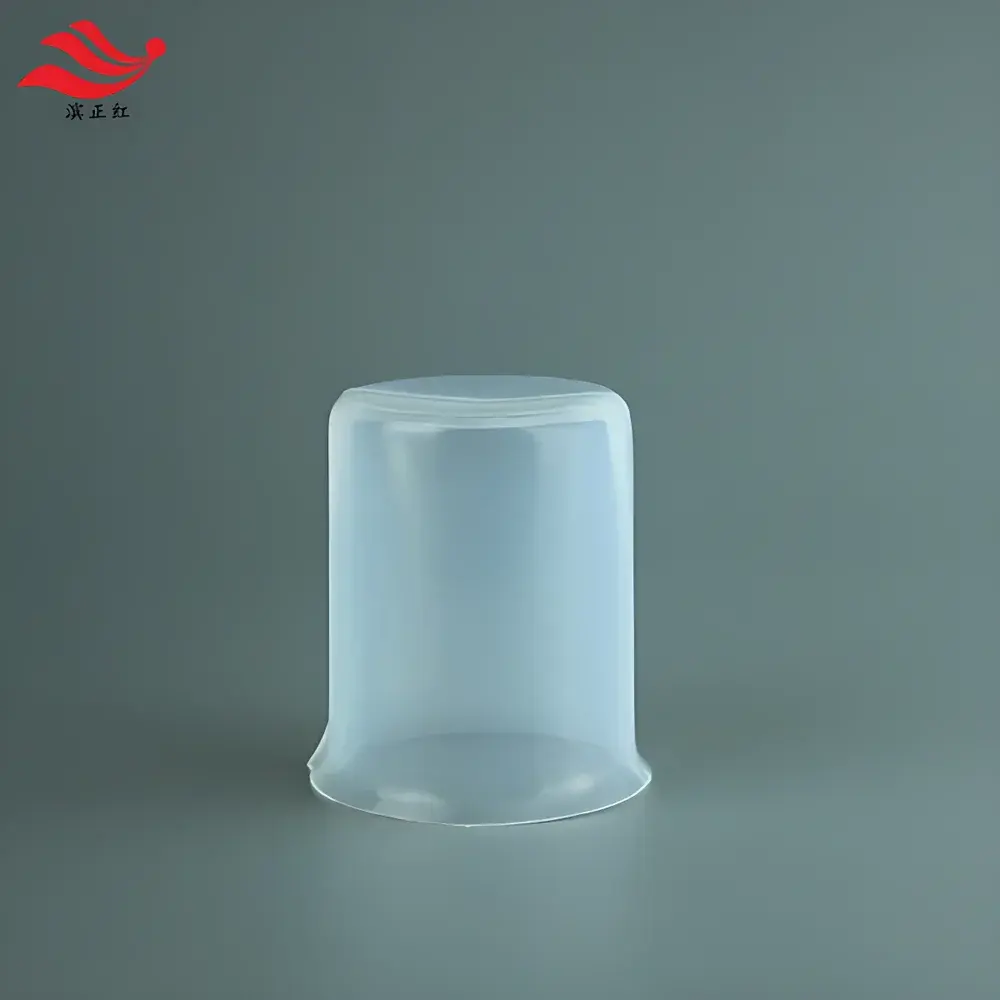
Binhenghong FEP Fluorinated Ethylene Propylene (FEP) Beakers – 10 mL, 30 mL, and 100 mL Transparent Laboratory Beakers
| Brand | Binhenghong |
|---|---|
| Origin | Jiangsu, China |
| Manufacturer Type | Direct Producer |
| Product Category | Domestic Labware |
| Model Options | 10 mL, 30 mL, 100 mL (custom sizes available) |
| Pricing | Upon Request |
Overview
Binhenghong FEP beakers are precision-engineered laboratory vessels fabricated from high-purity fluorinated ethylene propylene (FEP), a fully fluorinated thermoplastic polymer. Unlike conventional PTFE or glassware, FEP offers superior optical clarity while retaining near-identical chemical inertness and thermal stability. These beakers operate on the principle of passive containment—designed not for active reaction monitoring but for ultra-high-integrity sample storage, reagent dispensing, and high-purity transfer under aggressive chemical and thermal conditions. Their primary functional domain spans trace-metal analysis workflows, including inductively coupled plasma mass spectrometry (ICP-MS), optical emission spectroscopy (ICP-OES), and atomic absorption spectroscopy (AAS), where extractables, leachables, and surface adsorption must be minimized to sub-ppt levels.
Key Features
- Exceptional Chemical Resistance: Resistant to concentrated mineral acids (including aqua regia and hydrofluoric acid), strong alkalis, organic solvents, and oxidizing agents—validated per ASTM D543 and ISO 175 standards for fluoropolymer chemical exposure.
- Ultra-Low Extractables Profile: Manufactured in Class 100 cleanroom environments; certified for ≤0.1 ng/mL metal ion leaching (tested via ICP-MS after 24-h reflux in 6 M HNO₃ at 95°C), meeting USP and ISO 10993-12 requirements for high-purity applications.
- Thermal Stability Range: Continuous service temperature from −200 °C to +205 °C; short-term exposure up to 220 °C permitted with strict time limitation (≤15 min). For hotplate use, maximum recommended surface temperature is 200 °C to prevent localized deformation.
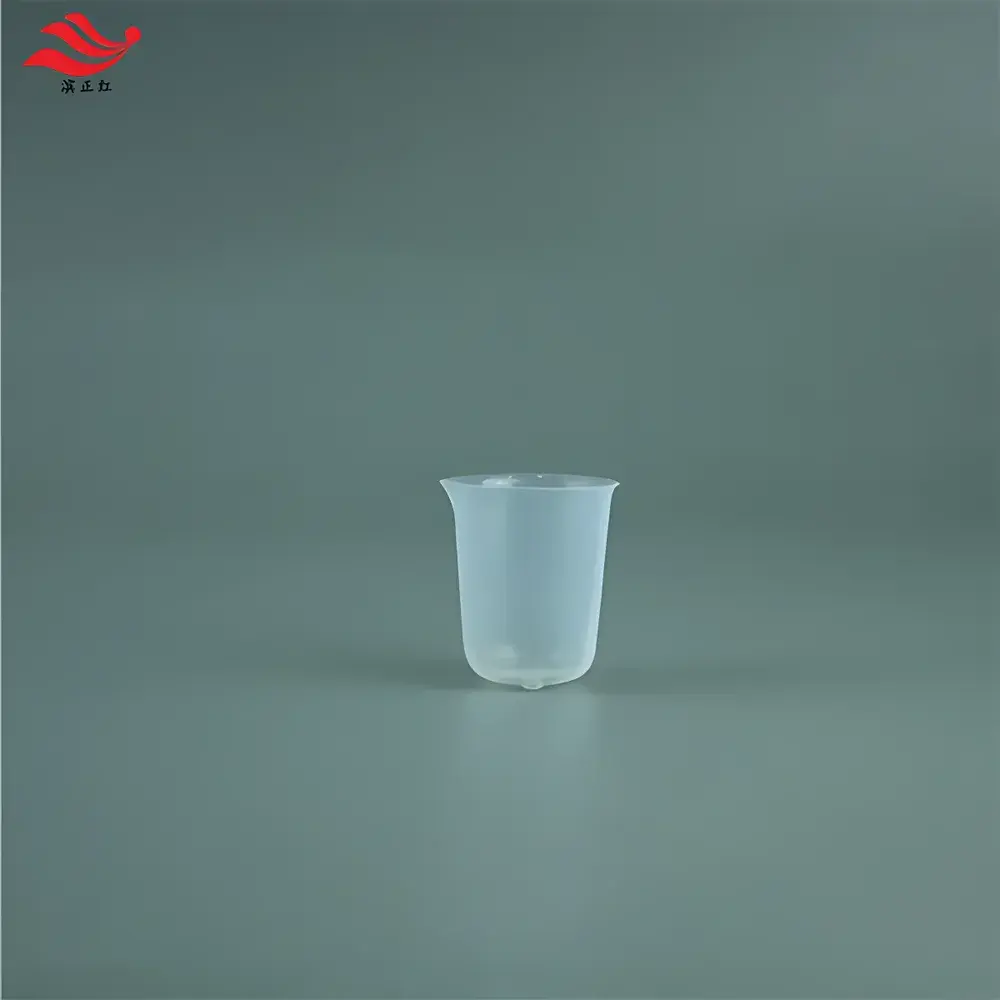
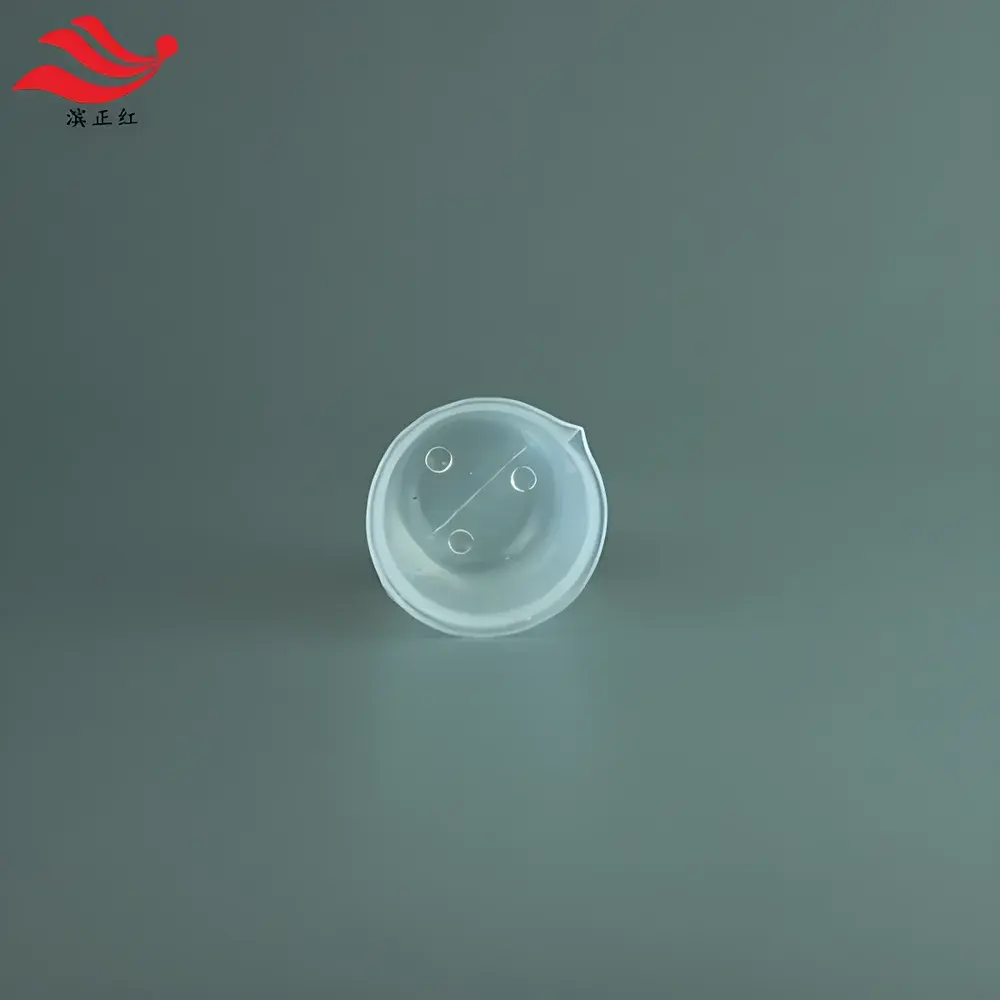
- Ergonomic & Functional Design: Reinforced rolled rim enhances mechanical rigidity and facilitates secure clamping with standard lab tongs or robotic grippers. Integrated pouring spout ensures controlled liquid delivery without dripping. The 30 mL variant features a triple-conical bottom geometry optimized for minimal residual volume (<5 µL) during pipette aspiration or micro-sampling.
- Optical Transparency: >90% transmittance across UV-Vis range (200–800 nm), enabling visual inspection of sample homogeneity, phase separation, or precipitate formation without vessel removal.
Sample Compatibility & Compliance
FEP beakers are compatible with ultratrace analytical workflows requiring Class A cleanroom-grade consumables. They are routinely deployed in EPA Method 200.8 and ISO/IEC 17025-accredited laboratories for calibration standard preparation, digestion intermediate storage, and post-digestion dilution. The material complies with FDA 21 CFR §177.1250 for indirect food contact and meets RoHS Directive 2011/65/EU restrictions on hazardous substances. Each batch undergoes full certificate of conformance (CoC) documentation, including lot-specific FTIR verification and weight-loss testing per ASTM D635.
Software & Data Management
As passive labware, FEP beakers do not incorporate embedded electronics or software interfaces. However, they integrate seamlessly into digital lab infrastructure through standardized labeling protocols: barcoded or QR-coded variants support LIMS (Laboratory Information Management Systems) traceability, enabling full audit trails for sample chain-of-custody, sterilization cycle logging (autoclave validation per ISO 17665), and inventory lifecycle tracking. Optional laser-etched lot numbers ensure permanent identification without adhesive label degradation risks.
Applications
- Storage and handling of high-purity reference standards (e.g., NIST SRMs) and isotopically enriched tracers
- Intermediate containment during microwave-assisted acid digestion (HNO₃/HF/H₂O₂) prior to ICP-MS analysis
- Preparation of low-background blanks and calibration series in environmental and clinical toxicology labs
- Long-term cryogenic storage of volatile organometallics (−196 °C in liquid nitrogen vapor phase)
- High-temperature solvent extraction vessels in pharmaceutical stability studies (ICH Q1A–Q5E compliant protocols)
FAQ
Can these FEP beakers be autoclaved?
Yes—they withstand repeated steam sterilization cycles at 121 °C, 15 psi for 20 minutes. Avoid over-tightening caps during autoclaving to prevent stress-induced crystallinity changes.
Is FEP suitable for HF-based digestions?
Yes—FEP exhibits no measurable etching or weight loss when exposed to ≥49% hydrofluoric acid at room temperature for 72 hours, per ASTM D543 Test Method C.
What is the maximum safe heating rate on a hotplate?
Ramp no faster than 5 °C/min to minimize thermal gradient-induced warping; always use a ceramic or graphite hotplate surface—not metal—to ensure uniform heat distribution.
Do you offer pre-cleaned, certified versions?
Yes—certified “TraceMetal™ Grade” units are available with documented ICP-MS blank testing data, endotoxin-free certification (≤0.03 EU/mL), and individual CoA per lot.
Are custom volumes or graduated markings available?
Yes—custom mold tooling supports volumes from 5 mL to 500 mL; laser-etched volumetric graduations (±1% tolerance per ISO 4787) can be added upon request.



