
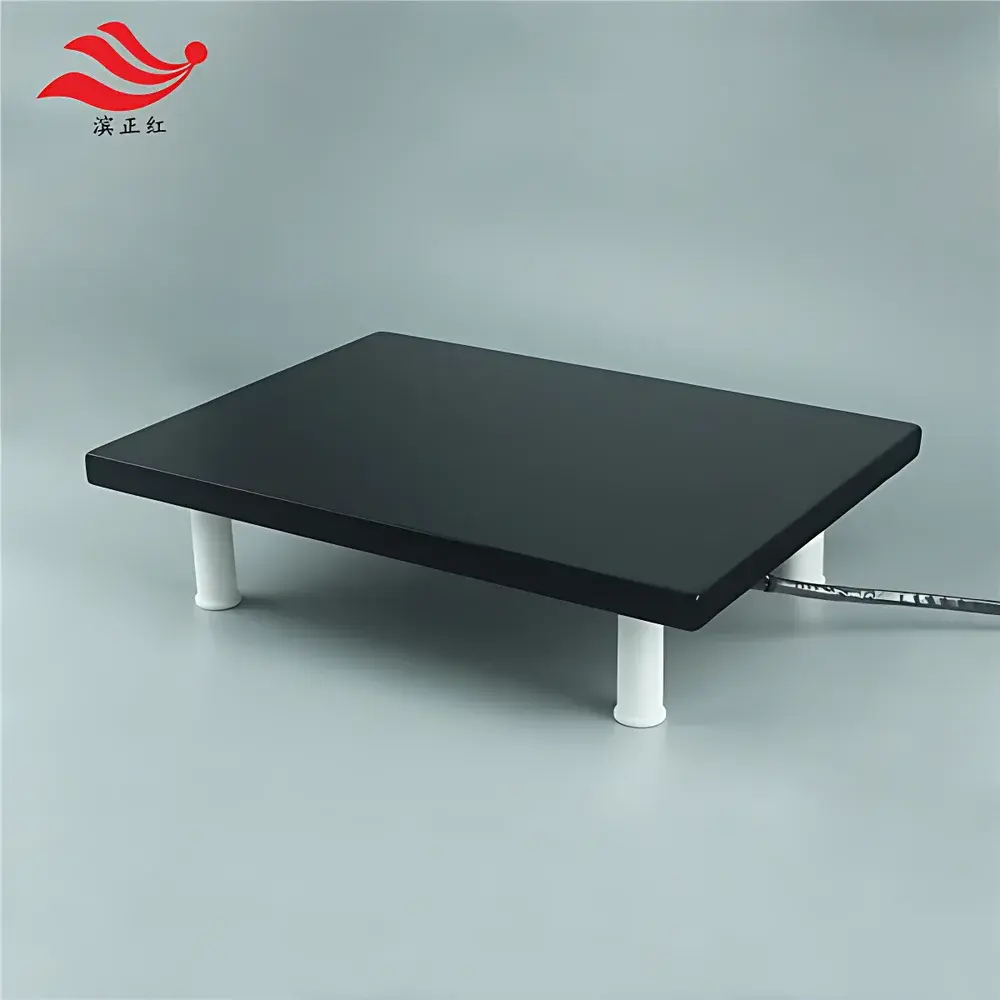
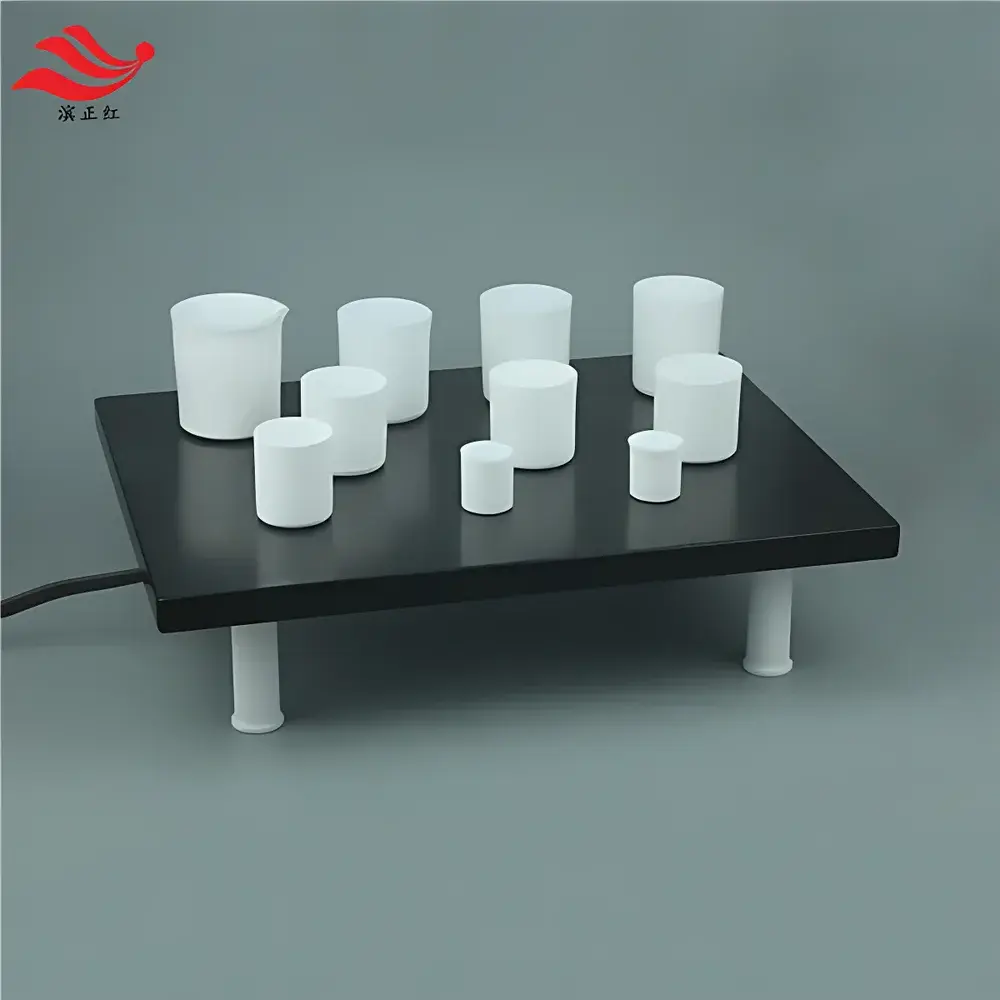
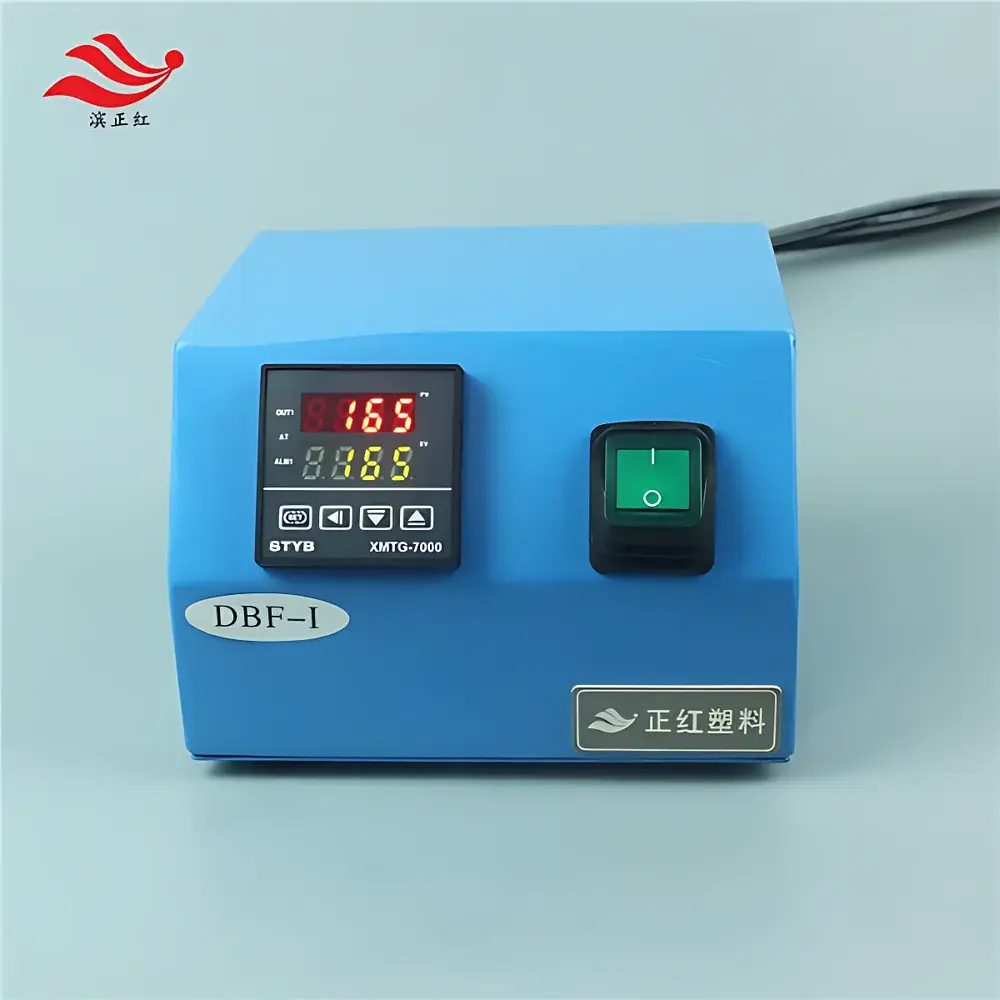
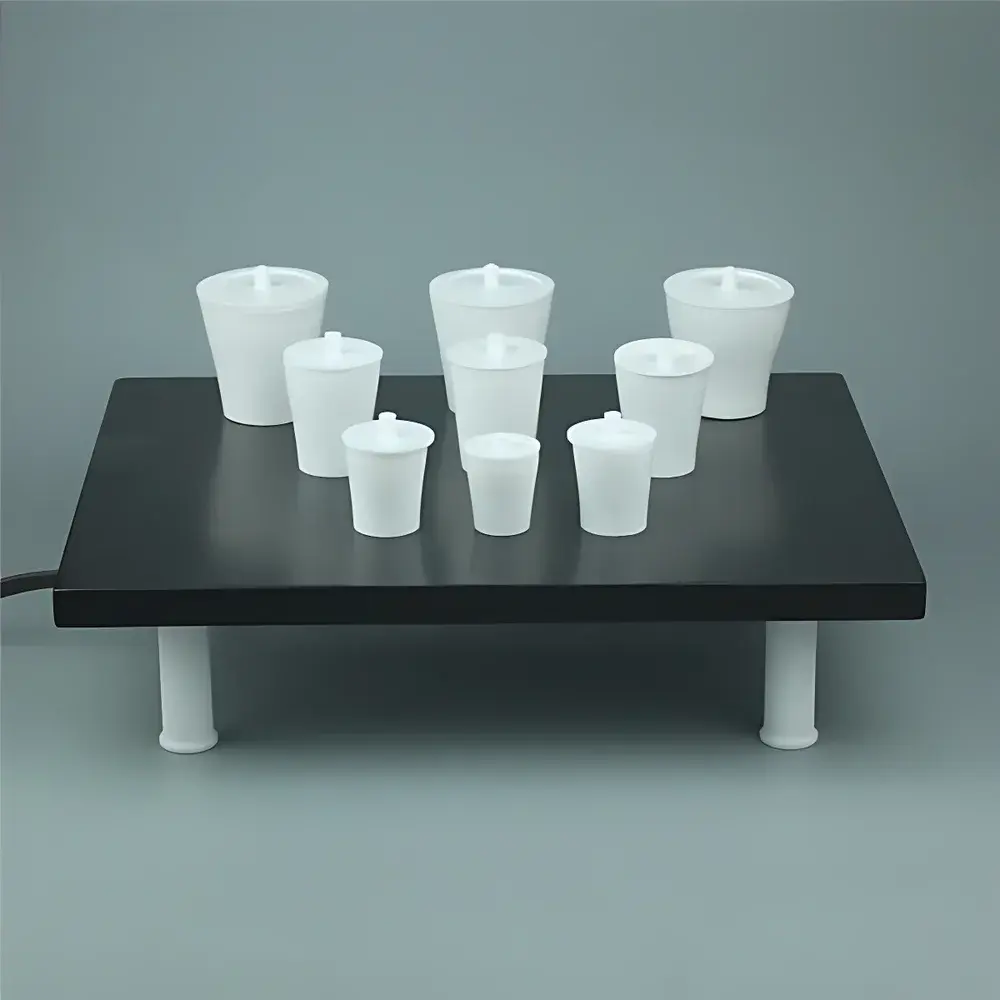
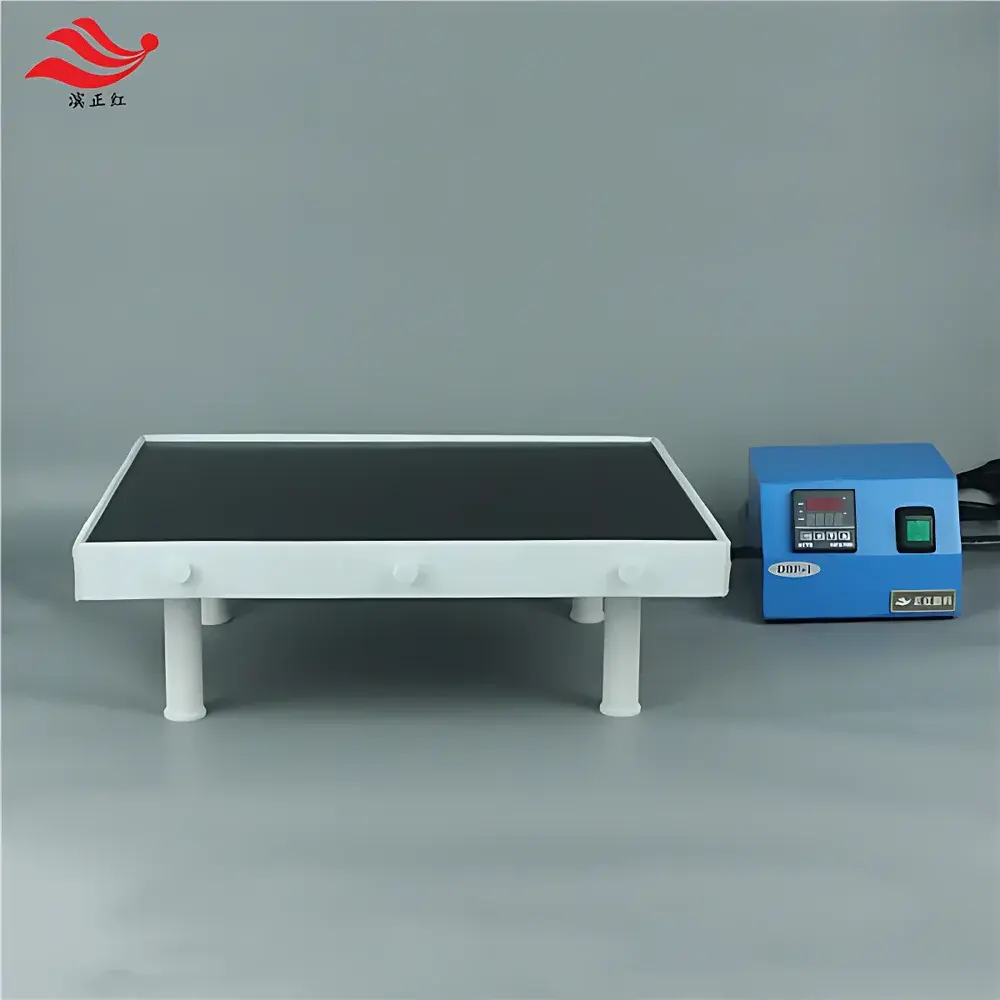
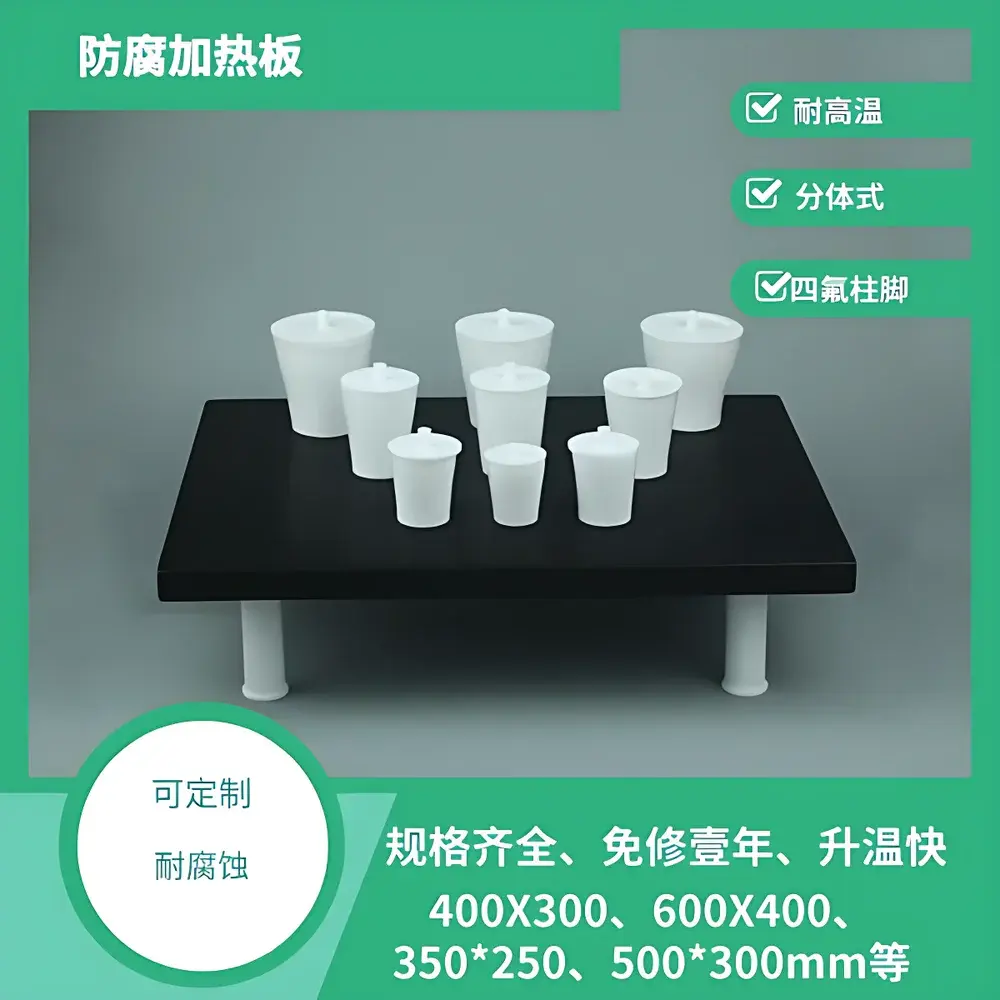
Binzhenghong DBF Series Graphite High-Temperature Electric Heating Plate
| Brand | Binzhenghong |
|---|---|
| Origin | Jiangsu, China |
| Manufacturer Type | Direct Manufacturer |
| Model | DBF-I, DBF-II |
| Price Range | USD 700–1,400 (FOB) |
| Heating Power | ~2 kW |
| Max Operating Temperature | 350 °C |
| Temperature Uniformity | ±1 °C (at 200–260 °C) |
| Plate Dimensions | 400 × 300 mm, 600 × 400 mm (custom sizes available) |
| Heating Zone Dimensions | 400 × 300 mm, 600 × 400 mm |
| Display | PID Digital Controller with LCD Interface |
| Voltage Rating | 220 V AC, 50/60 Hz |
| Continuous Operation Duration | >48 h |
| Surface Material | High-Purity Molded Graphite Block |
| Temp Control Accuracy | ±1 °C (typical, verified per ASTM E220 calibration protocol) |
Overview
The Binzhenghong DBF Series Graphite High-Temperature Electric Heating Plate is a precision thermal platform engineered for controlled, uniform heating in sample preparation workflows—particularly acid digestion, evaporation, concentration, and pre-drying of environmental, geological, food, and pharmaceutical samples. Unlike conventional ceramic or stainless-steel hotplates, the DBF series utilizes a monolithic, high-density graphite block as the heating surface. Graphite’s exceptional thermal conductivity (≈120 W/m·K), low thermal mass, and chemical inertness toward concentrated mineral acids (e.g., HNO₃, HCl, HF, H₂SO₄ up to 200 °C) make it ideal for aggressive wet digestion protocols compliant with EPA Method 3050B, ISO 11466, and ASTM D5191. The integrated PID digital controller enables stable setpoint maintenance across the full 25–350 °C range, with ramp-and-soak programming capability via front-panel interface.
Key Features
- Monolithic molded graphite heating surface—resistant to corrosion from strong acids, alkalis, and halogenated solvents; no plating, coating, or composite layers to degrade or leach
- PID-controlled temperature regulation with ±1 °C stability at 200–260 °C and ±2 °C across ambient to 350 °C (per internal validation per ISO/IEC 17025 traceable procedures)
- Two standard plate configurations: 400 × 300 mm (DBF-I) and 600 × 400 mm (DBF-II), both with full-surface active heating zones matching plate dimensions
- LCD digital display with real-time temperature readout, programmable alarm thresholds, audible alert, and auto-shutdown on over-temperature or timeout conditions
- 2 kW resistive heating system optimized for rapid thermal response—reaches 200 °C in <8 minutes from ambient (tested at 23 °C, no load)
- Robust mechanical architecture: aluminum alloy housing with graphite-integrated thermal insulation; rated for continuous operation >48 hours under nominal load
- Electrical safety compliance: double-insulated heating elements, grounded graphite block, and overcurrent protection per IEC 61000-4-5
Sample Compatibility & Compliance
The DBF series accommodates standard digestion vessels—including PTFE (Teflon™), quartz, borosilicate glass, and quartz-crucible assemblies—without risk of metal contamination or surface adhesion. Its flat, non-porous graphite surface eliminates cross-contamination between samples, supporting multi-vessel parallel processing per ISO 17025 requirements for laboratory quality systems. The unit meets general electrical safety standards (IEC 61010-1) and supports GLP/GMP-aligned workflows through repeatable thermal profiles and documented temperature stability. While not inherently FDA 21 CFR Part 11 compliant (as a standalone analog/digital instrument), its temperature log outputs—when interfaced with external data acquisition systems—can be configured to support audit trails required under regulated environments.
Software & Data Management
The DBF series operates via embedded firmware with no proprietary software dependency. All control and monitoring are performed locally using the front-panel LCD and tactile keypad. Optional RS-485 or 4–20 mA analog output modules (available upon request) enable integration into SCADA or LIMS platforms for centralized thermal logging. When paired with a calibrated external thermocouple (Type K or S), users may validate thermal performance against reference standards such as NIST SRM 1750a or ASTM E220. Internal memory retains last-used setpoints and alarm history for up to 100 cycles—accessible via service mode for troubleshooting and QA documentation.
Applications
- Open-vessel acid digestion of soils, sediments, and biological tissues prior to ICP-MS or AAS analysis
- Controlled evaporation of digestates to near-dryness without bumping or splattering
- Pre-concentration of aqueous extracts in environmental water testing (e.g., EPA 200.7, ISO 17294-2)
- Heating of reaction flasks during synthesis or hydrolysis steps where metal-free surfaces are mandatory
- Standardization of drying protocols for gravimetric moisture analysis (ASTM D2231, ISO 4611)
- Calibration verification of thermocouples and RTDs using fixed-point references on stable graphite substrate
FAQ
Is the graphite surface compatible with hydrofluoric acid (HF)?
Yes—the molded graphite used in DBF plates is chemically stable in dilute HF (20%) above 200 °C is not recommended. Always consult material compatibility charts before use.
Can the DBF heating plate be used under a fume hood?
Yes. It is designed for safe operation inside Class II A2 or B2 fume hoods. Ensure adequate clearance (≥100 mm) around all sides for convection cooling and avoid blocking rear ventilation grilles.
What maintenance is required to ensure long-term accuracy?
Annual verification using a NIST-traceable contact thermometer is advised. Clean surface only with deionized water and lint-free cloth after cooling; never use abrasive cleaners or metal scrapers.
Does the unit support external temperature feedback control?
Not natively—but optional analog output modules allow closed-loop integration with third-party controllers when used with external PT100 or thermocouple probes placed directly in sample vessels.
How is temperature uniformity validated across the plate?
Uniformity is measured per ASTM E220 Annex A3 using a 5-point grid (center + four quadrants) with calibrated thermocouples. Typical deviation is ≤±1.2 °C at 250 °C (loaded condition, 6× 50-mL Teflon vessels).



