
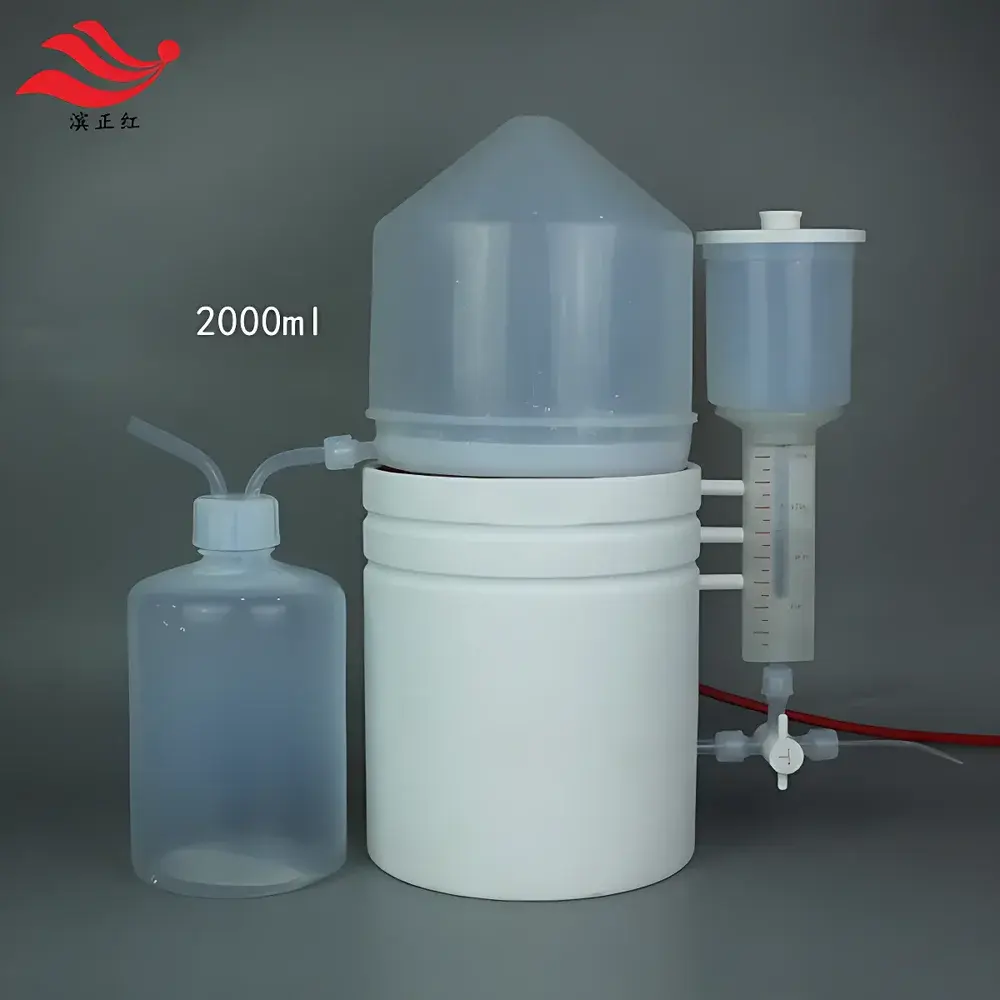
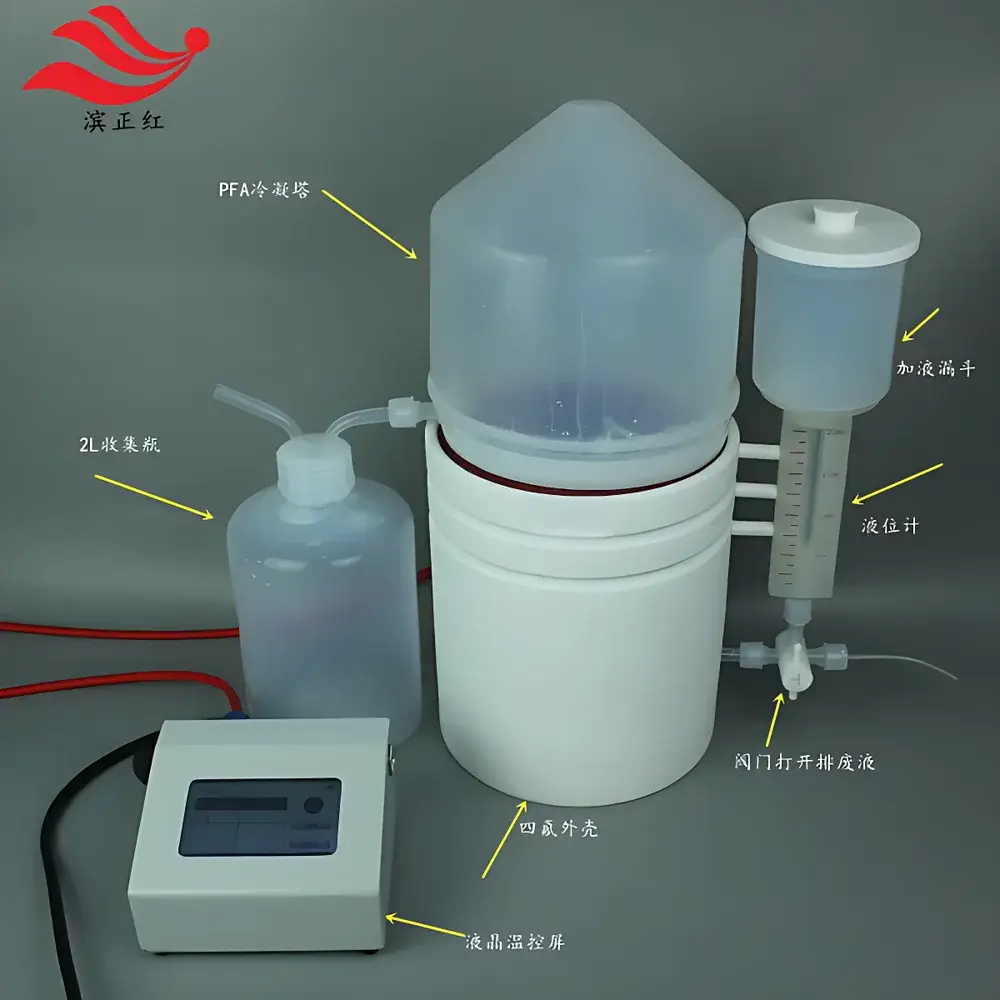
Binzhenghong NJ-SCH-II PFA Sub-Boiling Acid Distillation System (2000 mL Capacity)
| Brand | Binzhenghong |
|---|---|
| Origin | Jiangsu, China |
| Manufacturer Type | Direct Manufacturer |
| Instrument Type | Sub-boiling Distillation Apparatus |
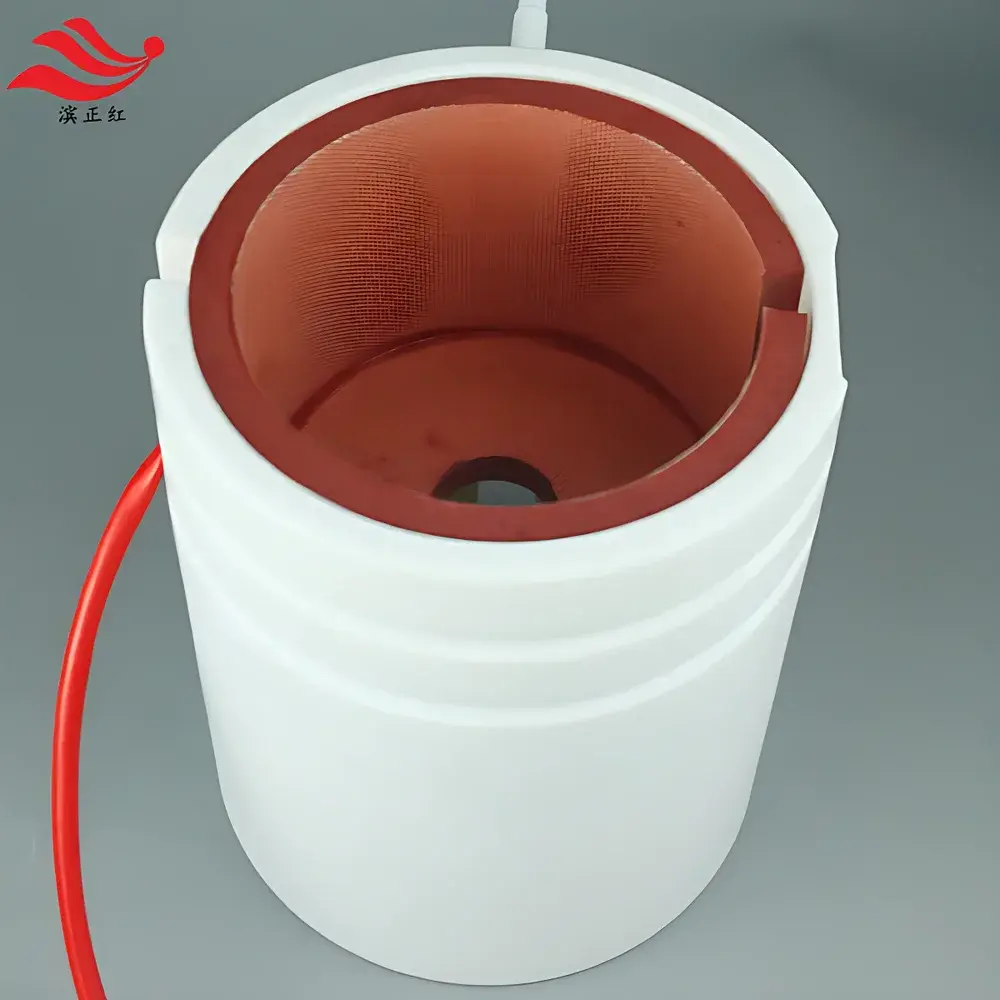
| Heating Method | Silicone Rubber Heating Sleeve |
| Cooling Method | Ambient Air Cooling (No External Water Supply Required) |
| Distillation Rate | 70 mL/h |
| Temperature Control Range | Up to 180 °C (PID Digital Controller, ±1 °C Accuracy) |
| Power Consumption | ≤500 W (Variable Frequency Adjustable) |
| Voltage/Frequency | 220 V / 50 Hz |
| Liquid Capacity Options | 500 / 1000 / 1500 / 2000 mL |
| Material of Construction | High-Purity Perfluoroalkoxy (PFA) for All Fluid-Wetted Components |
| Compliance | Designed for Trace-Metal-Free Acid Purification per ASTM D512, ISO 17025-aligned operation, and GLP/GMP traceability requirements |
Overview
The Binzhenghong NJ-SCH-II PFA Sub-Boiling Acid Distillation System is an ultra-high-purity acid purification instrument engineered for laboratories requiring sub-part-per-trillion (sub-ppt) metal contamination control. It operates on the principle of sub-boiling (or near-boiling) distillation—maintaining liquid phase temperature just below its atmospheric boiling point to minimize aerosol entrainment, volatile impurity carryover, and thermal decomposition. This method ensures selective vaporization of the target acid while retaining non-volatile metallic contaminants—including Al, Fe, Cr, Ni, Cu, Zn, Pb, and rare earth elements—in the residue. The system is validated for single-pass purification of nitric acid (HNO₃), hydrochloric acid (HCl), hydrofluoric acid (HF), ultrapure water (UPW), and select organic solvents compatible with PFA. With a nominal capacity of 2000 mL and a consistent distillate output of 70 mL/h, it delivers reproducible, low-background reagents essential for ICP-MS, HR-ICP-MS, GD-MS, and semiconductor wafer cleaning applications.
Key Features
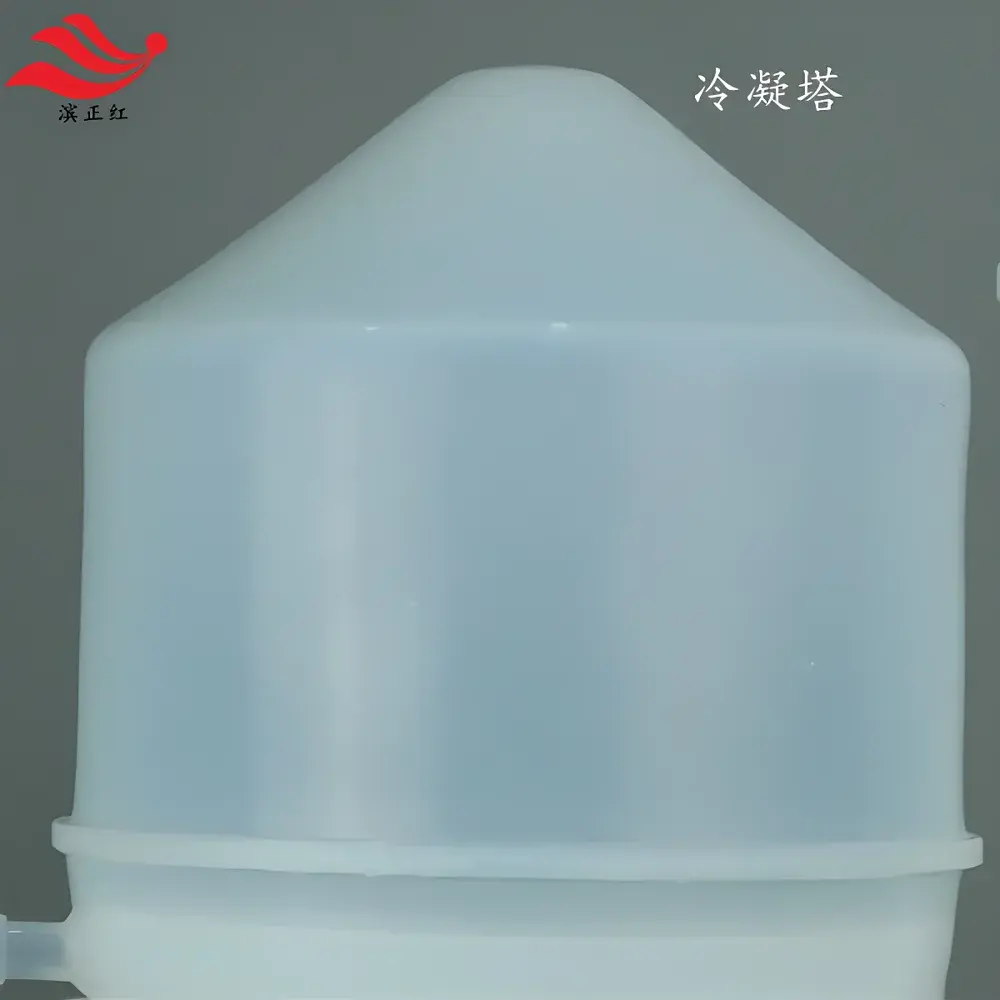
- Full PFA fluid path: Entire evaporation chamber, condensation zone, distillate transfer line, and collection vessel are fabricated from virgin, high-molecular-weight PFA—certified free of extractables and leachables per USP Class VI and ASTM F2136.
- Monolithic integrated design: Evaporator and condenser are thermally fused via hot-gas welding—no gaskets, O-rings, or threaded joints—eliminating potential leak paths and particulate shedding.
- PID digital temperature controller with ±1 °C accuracy and real-time LCD display; programmable setpoints from ambient to 180 °C (optimized at 110 °C for HCl; 175–180 °C for HNO₃/HF mixtures).
- Encapsulated silicone rubber heating sleeve provides uniform thermal distribution and includes overtemperature cut-off protection (auto-shutdown at >200 °C).
- Ambient-air passive cooling: No external chiller or tap-water connection required—reduces infrastructure dependency and operational risk in fume hood environments.
- Integrated dry-run safety: Automatic power cutoff when liquid level falls below minimum threshold—enabling unattended overnight operation inside ventilated enclosures.
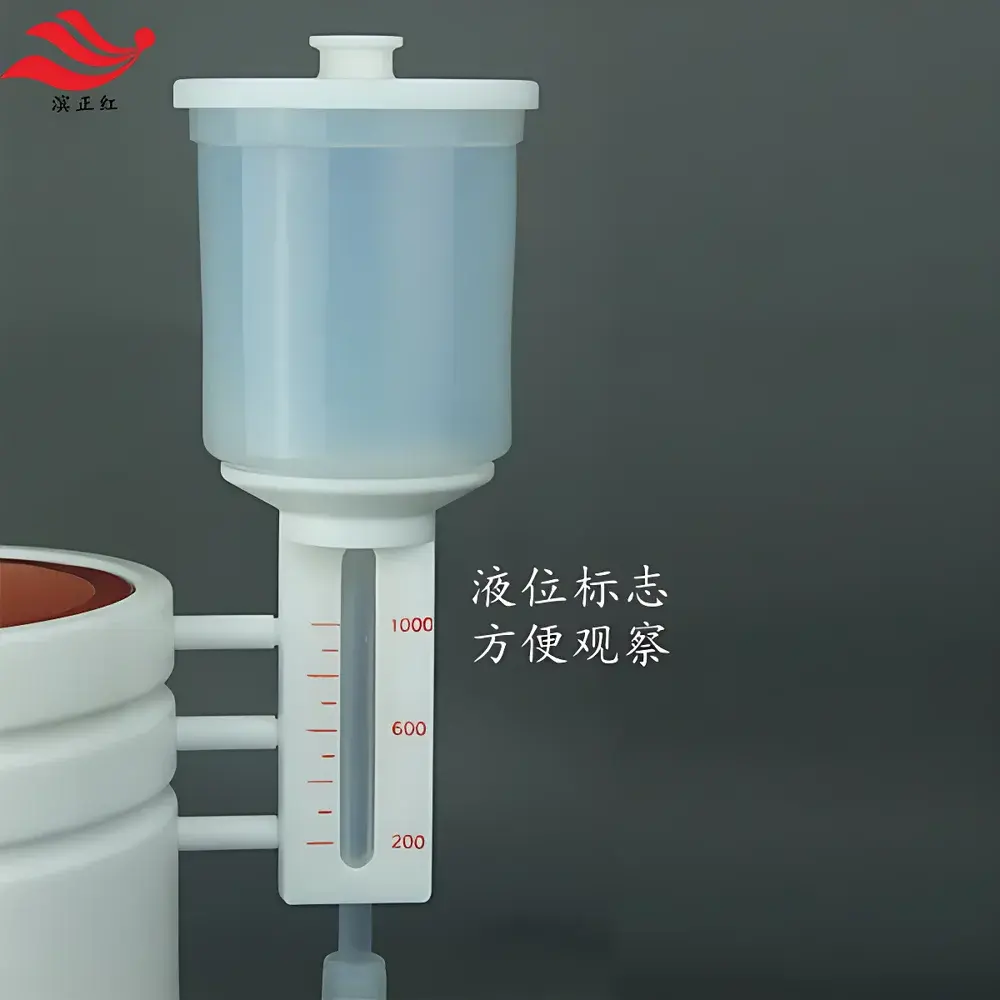
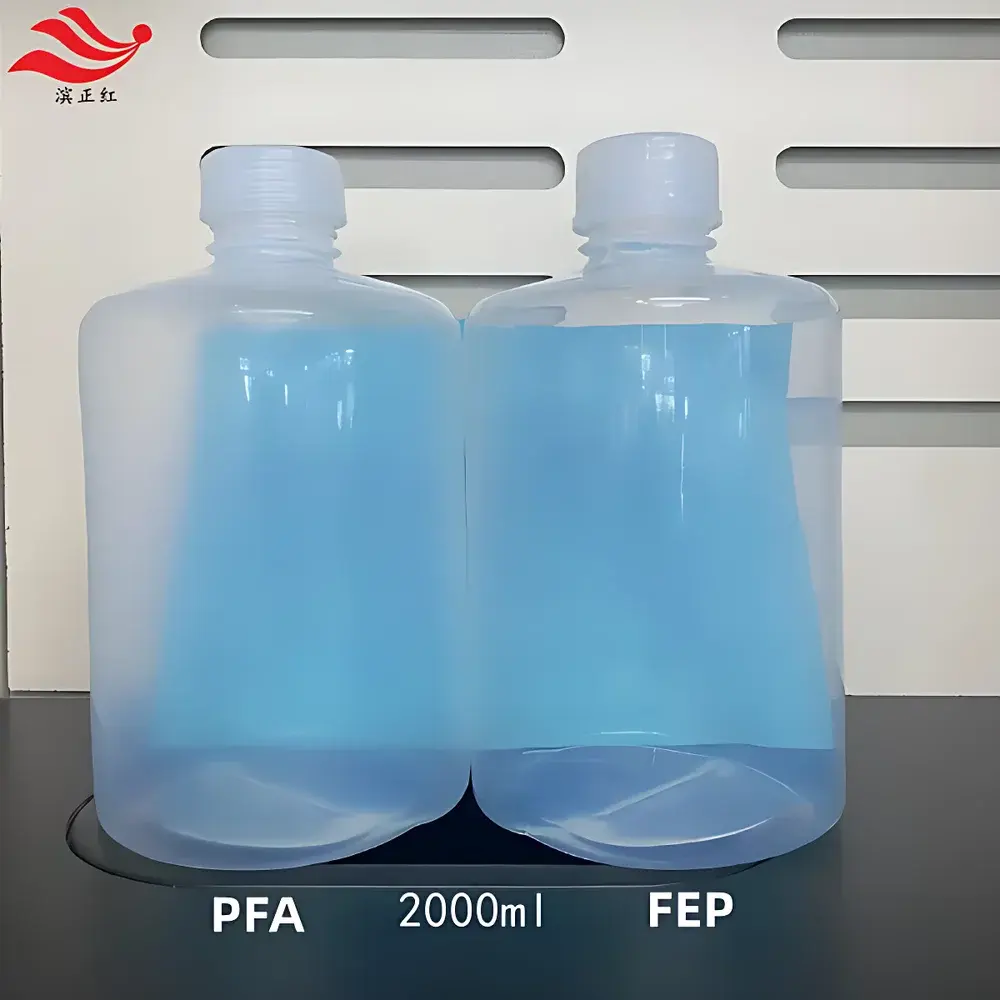
- Modular volumetric scale: Calibrated fill ports with engraved markings (500/1000/1500/2000 mL); GL45-threaded PFA collection bottle (2000 mL, blow-molded, no inner seal required).
- Dual-path waste management: Three-way directional valve with tactile indicators enables controlled drainage of residual concentrate without breaking vacuum or exposing operators to vapors.
Sample Compatibility & Compliance
The NJ-SCH-II is validated for use with high-purity grade acids (≥65% HNO₃, ≥37% HCl, 49% HF) and UPW (18.2 MΩ·cm). It achieves typical post-distillation metal impurity reduction from ~10 ppb (as-received commercial acid) to ≤0.01 ppb (measured by ICP-MS after matrix-matched calibration). All wetted surfaces comply with ISO 15223-1 labeling standards and meet material eligibility criteria under FDA 21 CFR Part 11 for electronic record integrity when paired with compliant LIMS data capture. The system supports audit-ready documentation through optional timestamped temperature logs (via external USB datalogger interface). Its design adheres to fundamental principles outlined in ASTM D512 (chloride determination), ISO 14851 (biodegradability testing reagent purity), and SEMI F57 (ultrapure chemical specifications for microelectronics).
Software & Data Management
While the NJ-SCH-II operates as a standalone analog-digital hybrid unit (no embedded OS), it features a RS-232/USB-compatible serial port for integration with laboratory data acquisition systems. Temperature setpoint, actual chamber temperature, and runtime duration can be streamed in real time to third-party SCADA or ELN platforms supporting Modbus RTU or ASCII protocol. Optional firmware upgrade enables GLP-compliant audit trail generation—including operator ID, parameter changes, start/stop timestamps, and deviation alerts—with encrypted local storage on removable microSD card (sold separately). All exported logs conform to ALCOA+ principles (Attributable, Legible, Contemporaneous, Original, Accurate, Complete, Consistent, Enduring, Available) for regulatory inspection readiness.
Applications
- Preparation of ultra-low-metal reagents for trace elemental analysis (ICP-OES, ICP-MS, HG-AFS).
- Matrix-matched standard preparation in environmental testing labs (EPA Method 200.8, ISO 17294-2).
- Acid digestion blank optimization in geochemical and nuclear fuel cycle laboratories.
- High-precision etchant formulation for MEMS and semiconductor fabrication (SEMI C1–C37 compliance).
- Calibration solution synthesis in reference material production facilities (ISO/IEC 17034 accredited).
- Ultrapure water polishing in pharmaceutical cleanroom utilities (USP , EP 2.2.44).
FAQ
Can the NJ-SCH-II purify hydrofluoric acid (HF) safely?
Yes—its all-PFA construction resists HF corrosion up to 49% concentration at temperatures ≤180 °C. However, HF handling requires strict adherence to ANSI Z117.1 ventilation standards and dedicated PPE.
Is water cooling required?
No—ambient air convection provides sufficient condensation efficiency. External chillers or tap-water connections are neither necessary nor recommended.
What is the expected lifetime of the PFA evaporator?
Under normal operating conditions (≤180 °C, no thermal shock), the welded PFA chamber exhibits >5 years service life with no measurable degradation in distillate purity.
Can multiple acids be processed sequentially in one unit?
We strongly advise dedicating one unit per acid type to prevent cross-contamination. Residue carryover—even at ppt levels—can compromise downstream analytical integrity.
Does the system support 21 CFR Part 11 compliance?
The base unit does not include electronic signature or audit trail functions; however, when connected to validated third-party data loggers and ELN systems meeting Part 11 technical controls, full compliance is achievable.



