
Bio-Techne Single Cell Dispenser
| Brand | Bio-Techne |
|---|---|
| Origin | USA |
| Manufacturer Type | Authorized Distributor |
| Import Status | Imported |
| Model | Single Cell Dispenser |
| Price Range | USD 1–2 (Quotation upon Configuration & Service Package) |
Overview
The Bio-Techne Single Cell Dispenser is a precision-engineered microfluidic cell sorting platform that integrates hydrodynamic focusing principles with low-pressure laminar flow control to achieve gentle, high-fidelity single-cell isolation. Unlike conventional fluorescence-activated cell sorters (FACS) relying on high-shear pneumatic or piezoelectric droplet generation, this system operates on a continuous-flow, valve-gated microfluidic architecture. Cells pass through a laser interrogation zone where fluorescently labeled targets are detected in real time; upon identification, integrated electrokinetic actuators selectively divert individual cells into designated output channels—without droplet formation, aerosol generation, or mechanical vibration. This fundamentally eliminates shear-induced membrane damage and preserves native viability, metabolic activity, and transcriptional integrity—critical for downstream functional assays, clonal expansion, and single-cell multi-omics workflows.
Key Features
- Gentle Sorting Mechanism: Operates at ≤2 psi sheath pressure—orders of magnitude lower than standard FACS systems—minimizing cytoskeletal stress and preserving >95% post-sort viability across mammalian, yeast, and bacterial suspensions.
- Flexible Input Concentration Range: Compatible with sample densities from 101 to 108 cells/mL, enabling reliable detection and isolation of ultra-rare populations (e.g., 1 in 106) without pre-enrichment.
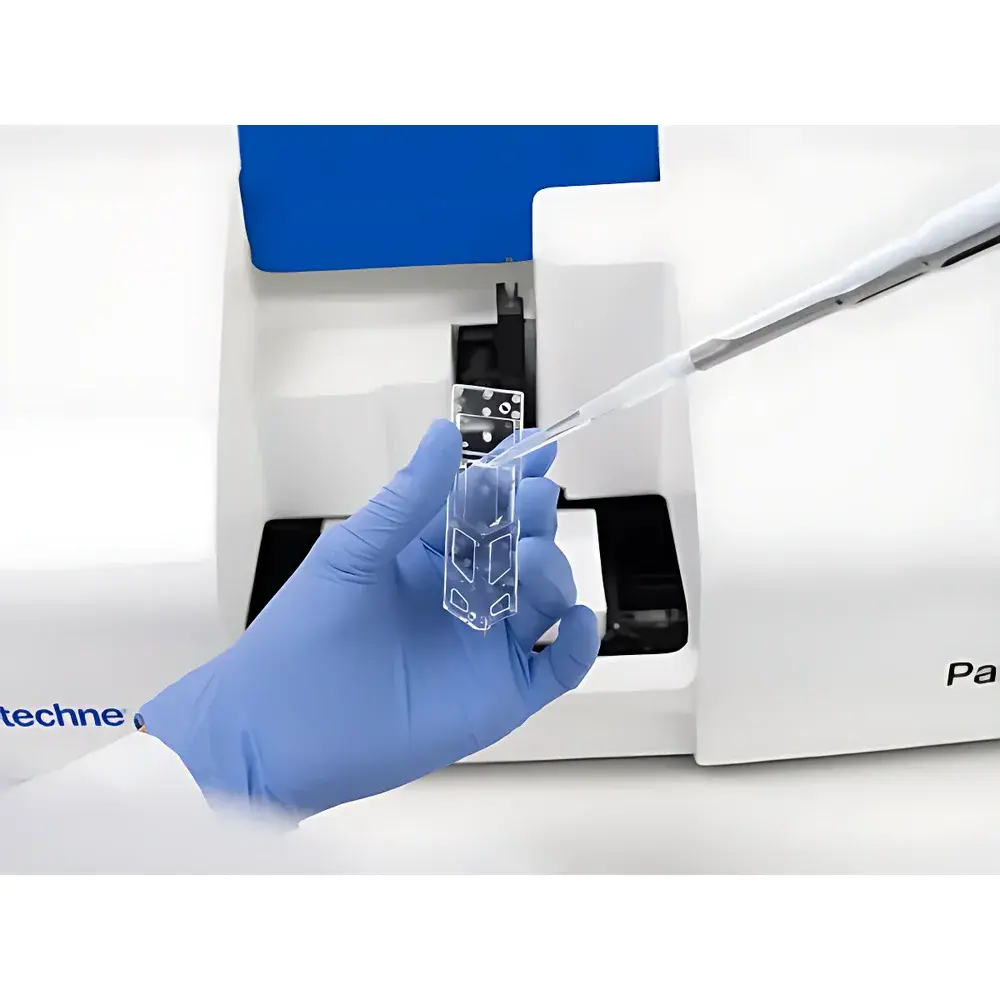
- True Sample Isolation: All fluidic handling—from loading to dispensing—occurs within disposable, sterilized polymeric microfluidic chips. Each chip is single-use, eliminating cross-contamination and supporting ISO 5 (Class 100) cleanroom integration.
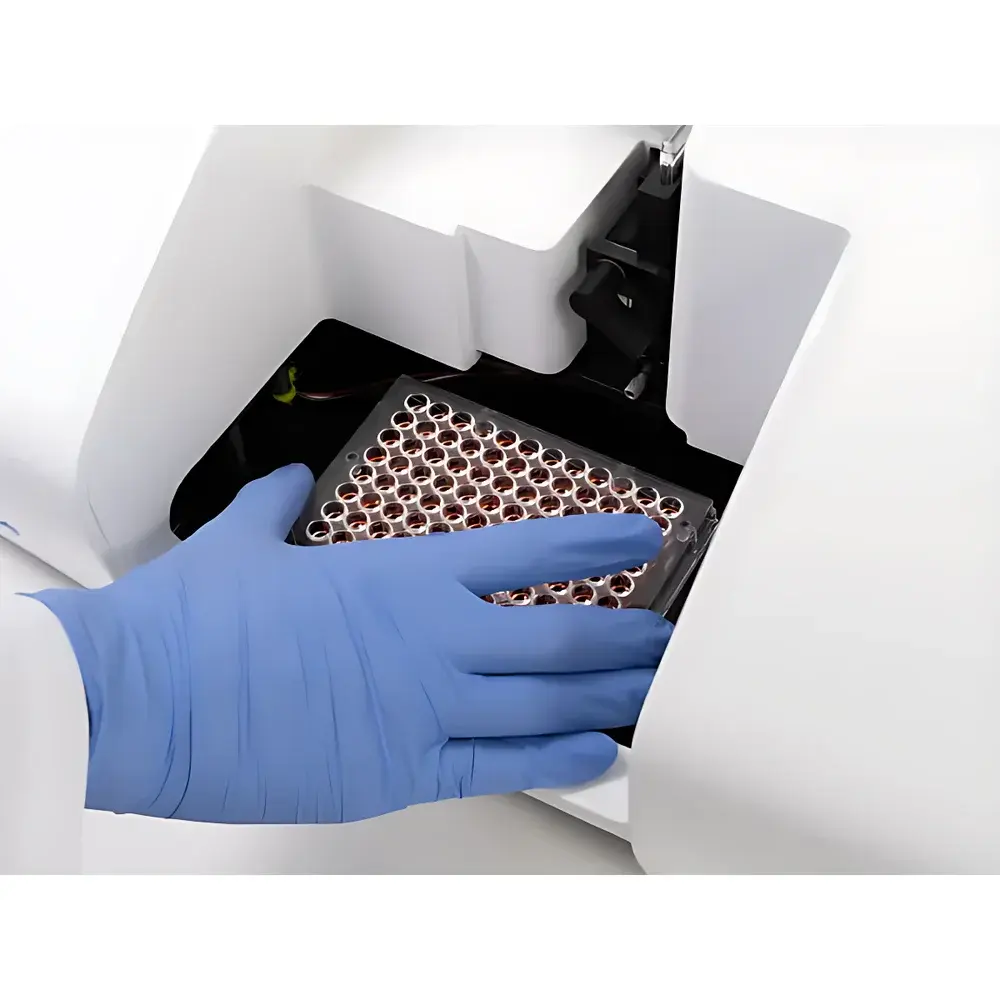
- High-Throughput Plate Dispensing: Achieves full 96-well plate deposition in <60 seconds and 384-well plates in ≤4 minutes, with single-cell deposition accuracy verified by on-chip imaging and post-run colony formation assays.
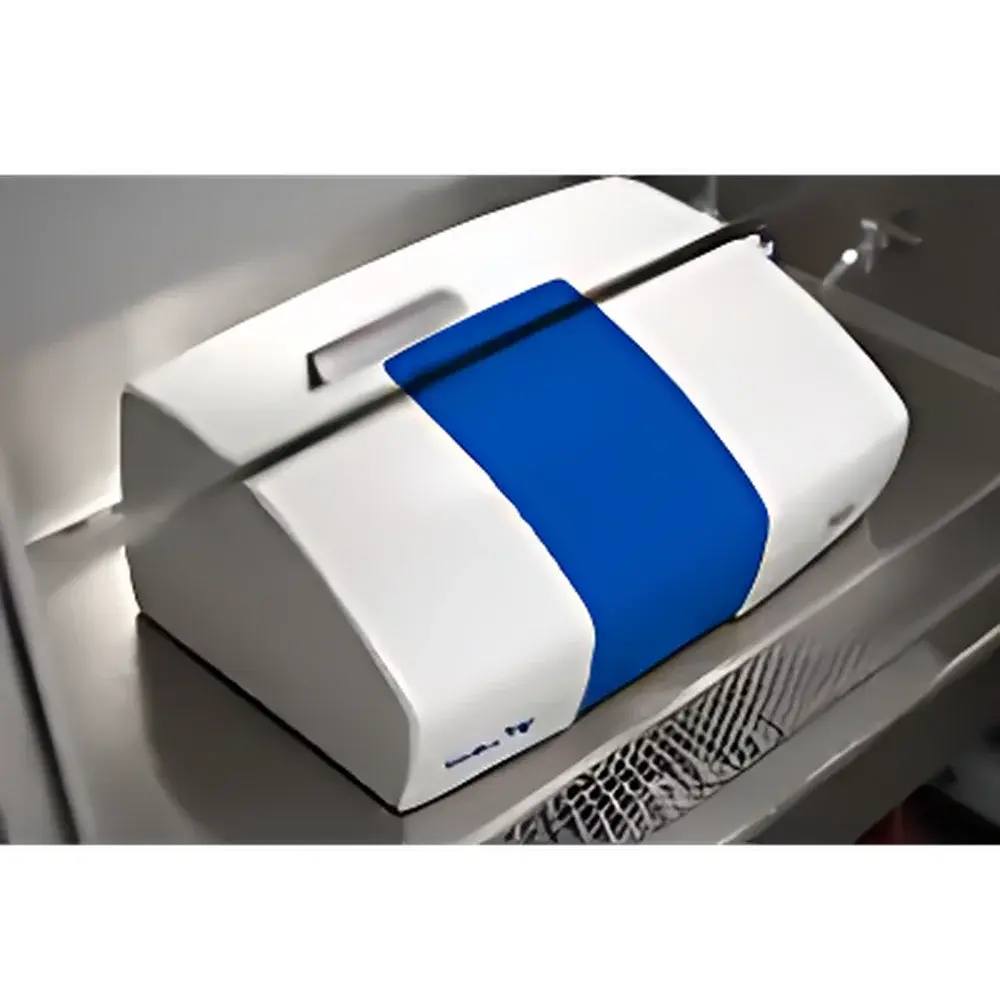
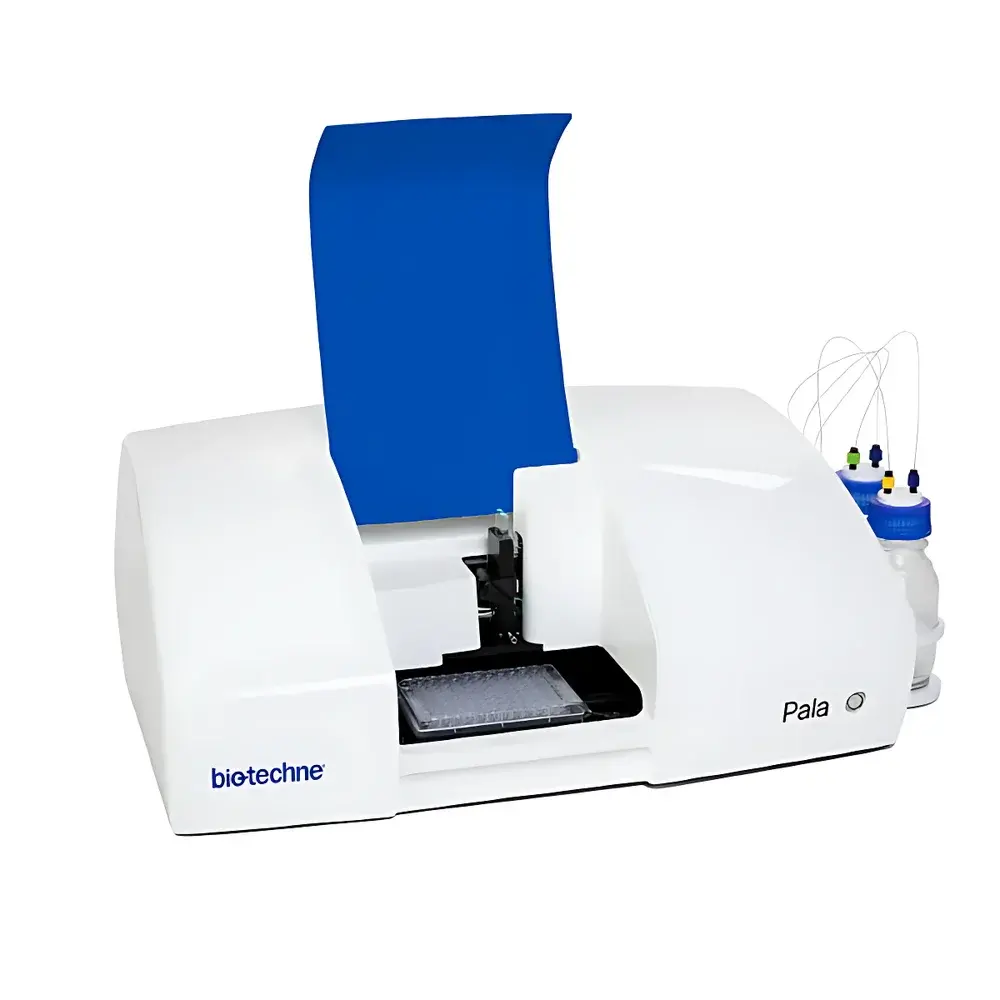
- Compact Benchtop Design: Footprint under 35 × 45 cm; fully compatible with biosafety cabinets and laminar flow hoods—enabling sterile operation without external containment infrastructure.
Sample Compatibility & Compliance
The system accepts any suspension of non-aggregated particles ≤40 µm in diameter, including but not limited to: human and murine primary cells, immortalized lines (CHO, HEK293), yeast (S. cerevisiae), bacteria (E. coli, B. subtilis), bacteriophages, and circulating tumor cells (CTCs). All disposable chips are certified endotoxin-free (≤0.03 EU/mL) and gamma-irradiated (25 kGy). The platform supports compliance with GLP and GMP-aligned workflows: audit trails, user access controls, and electronic signature capability are embedded in the instrument firmware per FDA 21 CFR Part 11 requirements when paired with validated software modules.
Software & Data Management
Control and analysis are managed via the Bio-Techne Single Cell Studio—a Windows-based application featuring intuitive workflow templates, real-time event visualization, and automated QC metrics (e.g., clog detection, pressure drift monitoring, deposition success rate per well). Raw fluorescence intensity data, timing logs, and chip lot traceability are exported in HDF5 and CSV formats for integration with third-party analysis pipelines (e.g., Seurat, Scanpy). All instrument parameters—including laser power, detector gain, gate thresholds, and dispensing coordinates—are version-controlled and exportable as JSON configuration files to ensure reproducibility across laboratories and longitudinal studies.
Applications
- Therapeutic Antibody Development: High-efficiency monoclonal antibody screening from immunized hybridoma or B-cell repertoires; direct dispensing into 96-well plates for ELISA and functional neutralization assays.
- Cell Line Development (CLD): Isolation of high-expressing clones post-transfection or CRISPR editing, with >95% clonality confirmed by endpoint dilution and imaging-based colony tracking.
- Single-Cell Genomics: Viable capture of rare CTCs from whole blood lysates or intact fetal nucleated red blood cells (fnRBCs) from maternal plasma—preserving RNA integrity for scRNA-seq library preparation.
- Microbial Strain Engineering: Sorting of fluorescent reporter-tagged bacterial subpopulations for synthetic biology characterization and bioprocess optimization.
FAQ
Is the system compatible with live-cell imaging during sorting?
Yes—the optical path includes a dedicated side-view port for synchronized brightfield/fluorescence microscopy; optional integration with commercial inverted microscopes enables real-time morphological validation.
Can I reuse the microfluidic chip?
No. Chips are designed for single-use only to guarantee sterility, prevent carryover, and maintain consistent fluidic resistance and sorting fidelity.
What fluorophores are supported?
Standard 405 nm, 488 nm, 561 nm, and 640 nm excitation lasers are available; emission detection spans 450–750 nm with configurable bandpass filters—compatible with FITC, PE, APC, BV421, and similar conjugates.
Does the system require external compressed air or vacuum sources?
No. All pressure regulation is internally managed via integrated precision syringe pumps and piezoelectric pressure controllers—no external utilities needed.
How is calibration performed?
Daily calibration uses NIST-traceable fluorescent microspheres (3.0 µm and 10 µm); system performance reports—including CV of forward scatter, fluorescence linearity, and dispensing accuracy—are automatically generated and archived.




