
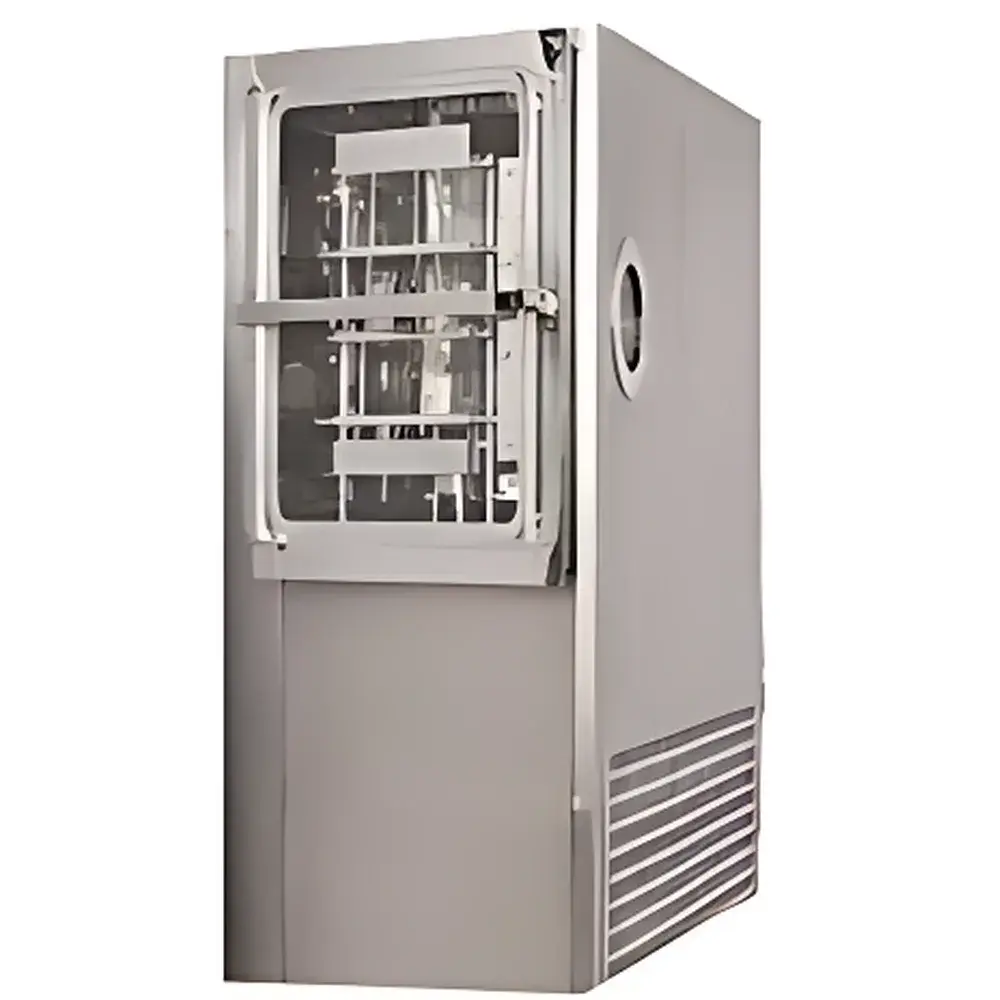
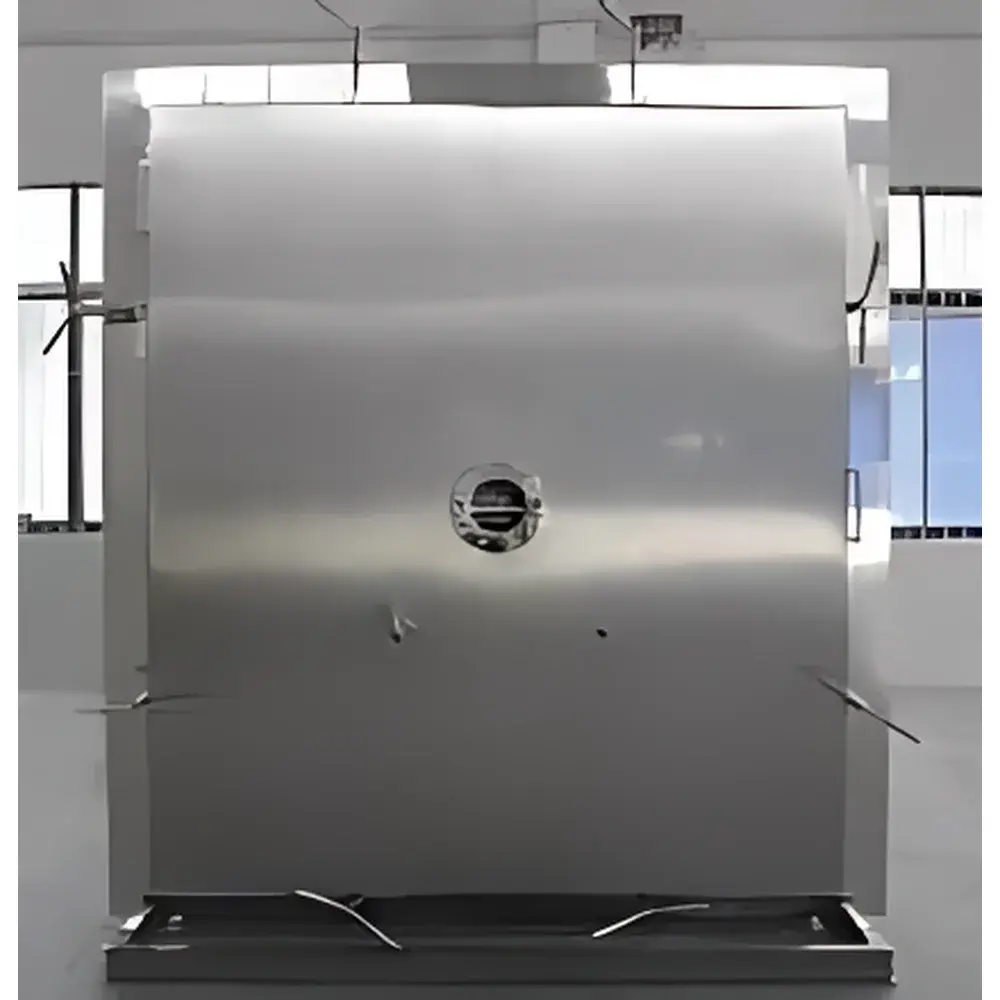
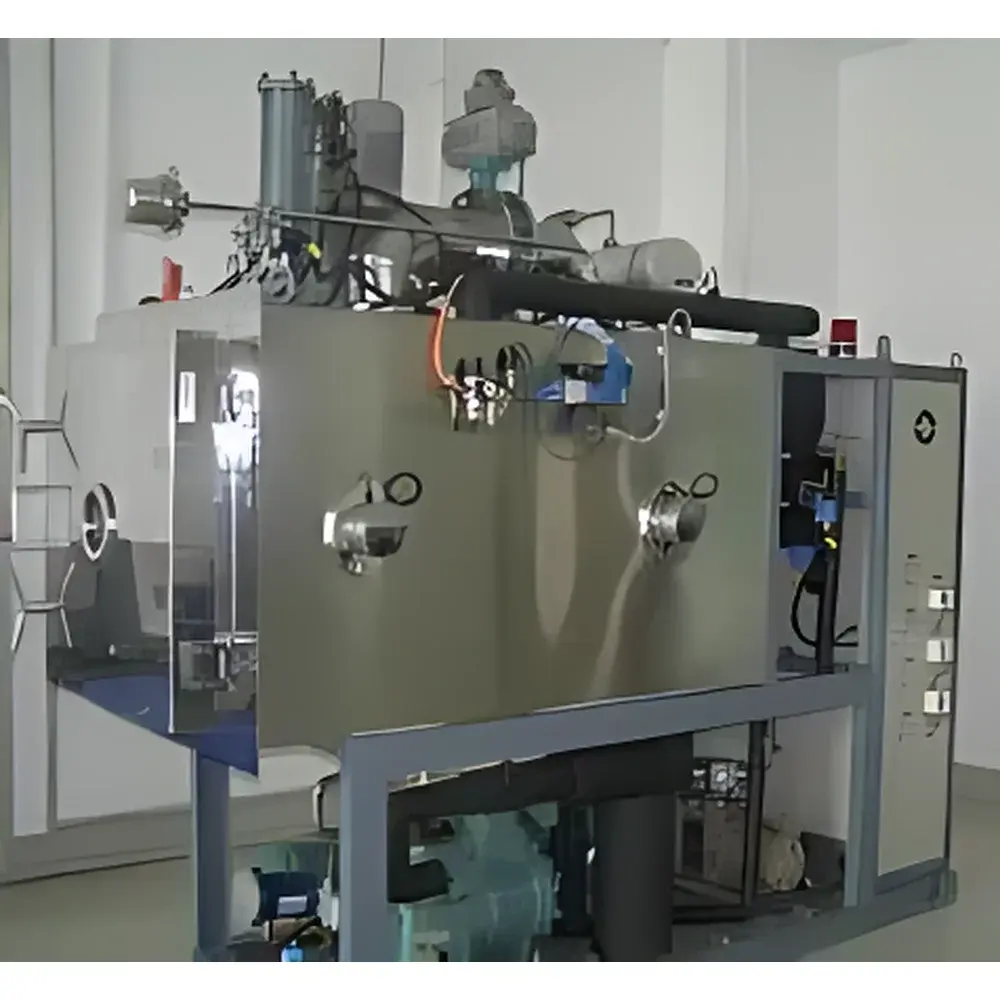
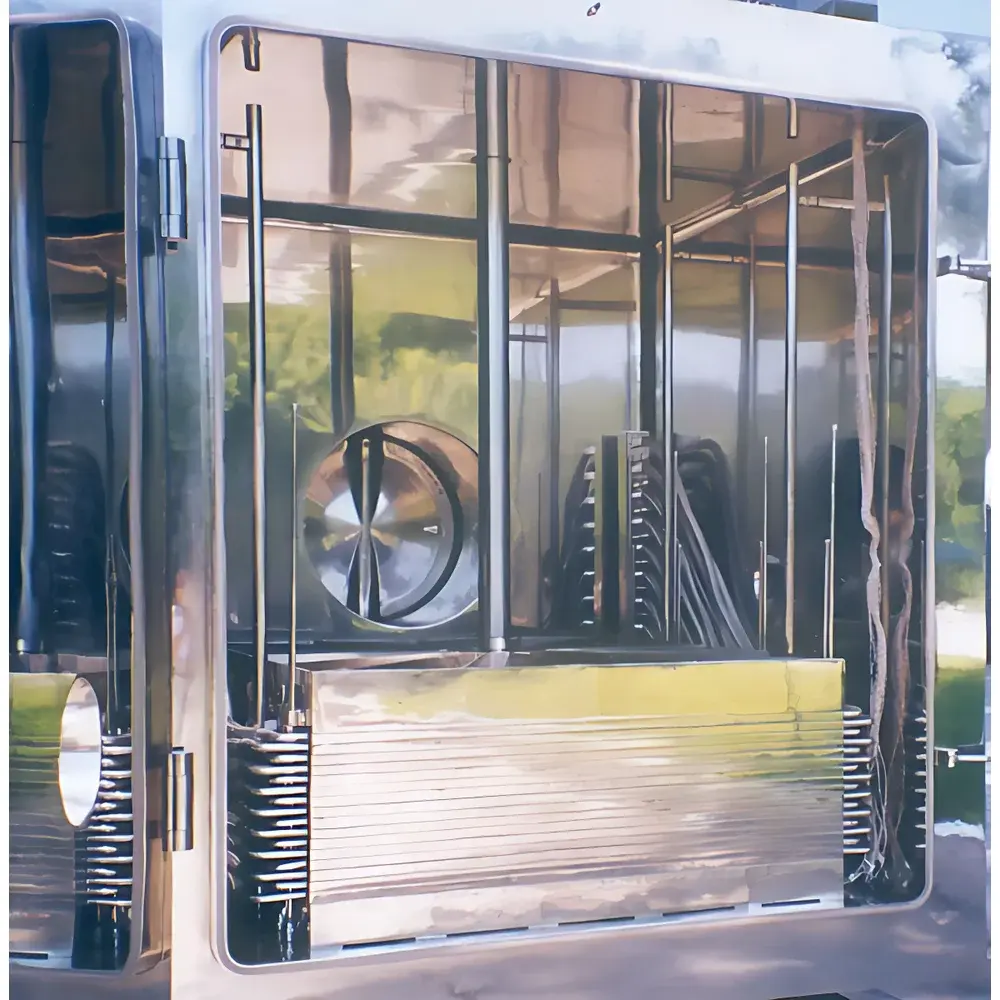
BIOCOOL Pilot10-15T Fully Automated Silicon Oil Freeze Dryer
| Brand | BIOCOOL |
|---|---|
| Origin | Shandong, China |
| Model | Pilot10-15T |
| Type | Shelf-Type Freeze Dryer |
| Application | Pilot-Scale Process Development & Intermediate-Scale Production |
| Freeze-Drying Area | 1 m² |
| Ultimate Vacuum | ≤ 2.5 Pa |
| Condenser Capacity (24 h) | 15 kg/24h |
| Condenser Temperature | ≤ −80 °C |
| Shelf Temperature Range (Empty Load) | ≤ −50 °C to +80 °C |
| Shelf Dimensions | 350 mm × 600 mm |
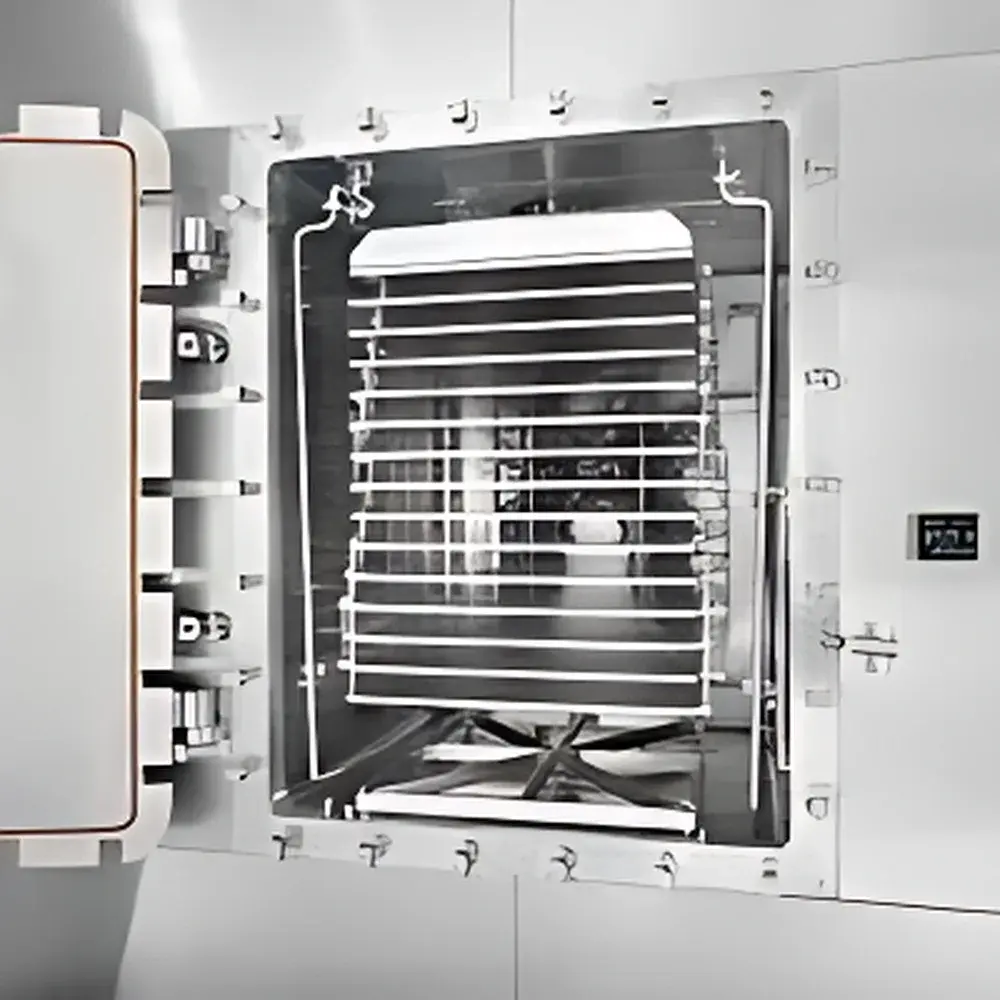
| Number of Shelves | 5 + 1 Radiant Shelf |
| Shelf Spacing | 70 mm |
| Installed Power | 8 kW (3-phase) |
| Unit Dimensions (W×D×H) | ≈ 880 × 2200 × 1900 mm |
| Weight | ≈ 1200 kg |
| Noise Level | ≤ 70 dB(A) |
| Compliance | GMP, GB/T 5226.1–1996 |
Overview
The BIOCOOL Pilot10-15T is a fully automated, silicon oil–heated shelf freeze dryer engineered for robust pilot-scale process development and intermediate-scale manufacturing in pharmaceutical, biotechnology, and academic research settings. It operates on the fundamental principle of sublimation—removing water from frozen samples under deep vacuum while maintaining precise thermal control across all shelves. Unlike steam-heated or electric-resistance systems, the silicon oil circulation architecture delivers exceptional temperature uniformity (±0.5 °C across shelf surface), minimal thermal lag, and bidirectional heat transfer capability—enabling accurate simulation of commercial lyophilization cycles. With a total shelf area of 1 m² and a condenser rated for 15 kg of ice removal per 24 hours, the system supports both formulation screening and batch sizes typical of early-phase clinical supply (e.g., up to 2268 × 22 mm vials). Its design adheres to core engineering standards including GB/T 5226.1–1996 (Electrical Equipment of Machines) and aligns with foundational GMP requirements for equipment qualification, traceability, and operational reproducibility.
Key Features
- Silicon oil–based shelf heating/cooling system ensuring high thermal stability, low overshoot, and rapid ramp rates (typical cooling rate: ≥1.2 °C/min from ambient to −40 °C)
- Five primary temperature-controlled shelves plus one radiant shelf for enhanced heat distribution and improved drying homogeneity
- Shelf spacing optimized at 70 mm to accommodate standard ISO trays and stacked vial configurations without interference
- Condenser operating at ≤ −80 °C, equipped with dual-stage cascade refrigeration for consistent performance under high moisture load
- Integrated vacuum system featuring a variable-speed dry scroll pump and secondary vacuum gauge (capacitance manometer) for stable pressure control down to ≤ 2.5 Pa
- Full PLC-based automation with Ethernet connectivity, supporting remote monitoring, cycle logging, and alarm management via HMI interface
- Comprehensive safety architecture including overtemperature cutoff, door interlock, vacuum leak detection, and emergency stop circuitry compliant with IEC 60204-1
Sample Compatibility & Compliance
The Pilot10-15T accommodates a broad range of sample formats: standard 22 mm serum vials (up to 2268 units per run), glass trays (up to 15 L liquid volume), and custom stainless-steel containers. Its construction utilizes 316L stainless steel for all wetted parts, electropolished surfaces (Ra ≤ 0.4 µm), and ISO Class 5-compatible chamber sealing. The system supports full IQ/OQ/PQ execution per ASTM E2500 and EU Annex 15 guidelines. Documentation packages include DQ templates, FAT/SAT protocols, calibration records for PT100 sensors and Pirani/capacitance gauges, and validation-ready data logs meeting ALCOA+ principles. While not pre-certified for FDA 21 CFR Part 11, its audit trail functionality—including user authentication, electronic signatures, and immutable cycle history—can be configured to satisfy Part 11 and Annex 11 requirements during site-specific implementation.
Software & Data Management
Control is managed through BIOCOOL’s proprietary LyoSoft™ v4.2 platform, running on an embedded industrial PC with real-time Linux OS. The software enables creation and storage of multi-step lyophilization profiles (shelf temp, chamber pressure, condenser temp, time), with up to 99 programmable stages per cycle. All sensor data—including shelf surface temperature (via embedded thermocouples), chamber pressure, condenser temperature, and refrigerant discharge temperature—is sampled at 1 Hz and archived in .CSV and .PDF formats. Data integrity safeguards include automatic backup to external USB drive, cyclic redundancy checksums, and configurable retention policies. Optional OPC UA server integration allows seamless connection to MES, SCADA, or LIMS platforms for centralized data aggregation and trending analysis.
Applications
- Pharmaceutical lyophilization process development and scale-up studies from lab to pilot scale
- Stability testing of protein therapeutics, monoclonal antibodies, and mRNA-LNP formulations under controlled residual moisture conditions
- Production of clinical trial materials (Phase I–II) requiring GMP-aligned documentation and repeatable cycle execution
- Biological reagent preservation including enzymes, vaccines, and diagnostic kits
- Academic research in cryobiology, food science, and material science where precise thermal history control is critical
- Support for DOE-based optimization of primary drying endpoints using product temperature mapping (optional RTD probe ports available)
FAQ
What is the maximum batch size supported by the Pilot10-15T?
Up to 2268 × 22 mm serum vials or 15 kg of aqueous solution per cycle, depending on fill depth and formulation viscosity.
Does the system support nitrogen backfill and controlled ice nucleation?
Yes—optional integrated N₂ dosing module and annealing function enable precise control of nucleation temperature and chamber gas composition during freezing.
Is the unit suitable for sterile processing?
The chamber and shelves are designed for SIP (steam-in-place) compatibility; however, full aseptic operation requires integration with isolator or RABS infrastructure and additional sterilization validation.
Can shelf temperature be independently controlled per shelf?
No—shelves operate in parallel mode with unified setpoint control to ensure uniform drying kinetics; independent control is not implemented in this model.
What documentation is provided for regulatory submission?
Standard delivery includes Factory Acceptance Test report, electrical schematics, P&ID diagrams, calibration certificates for all critical sensors, and a complete User Requirements Specification (URS) cross-reference matrix.
Related Products



