
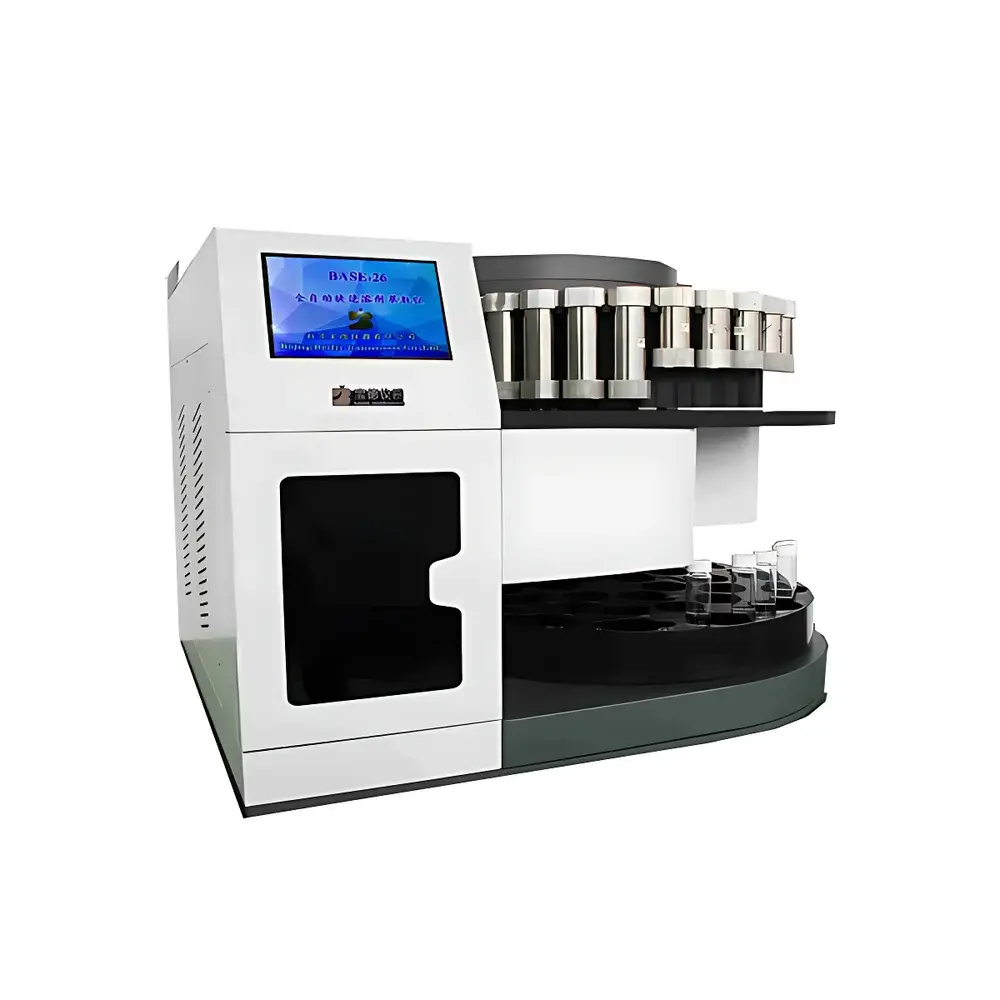
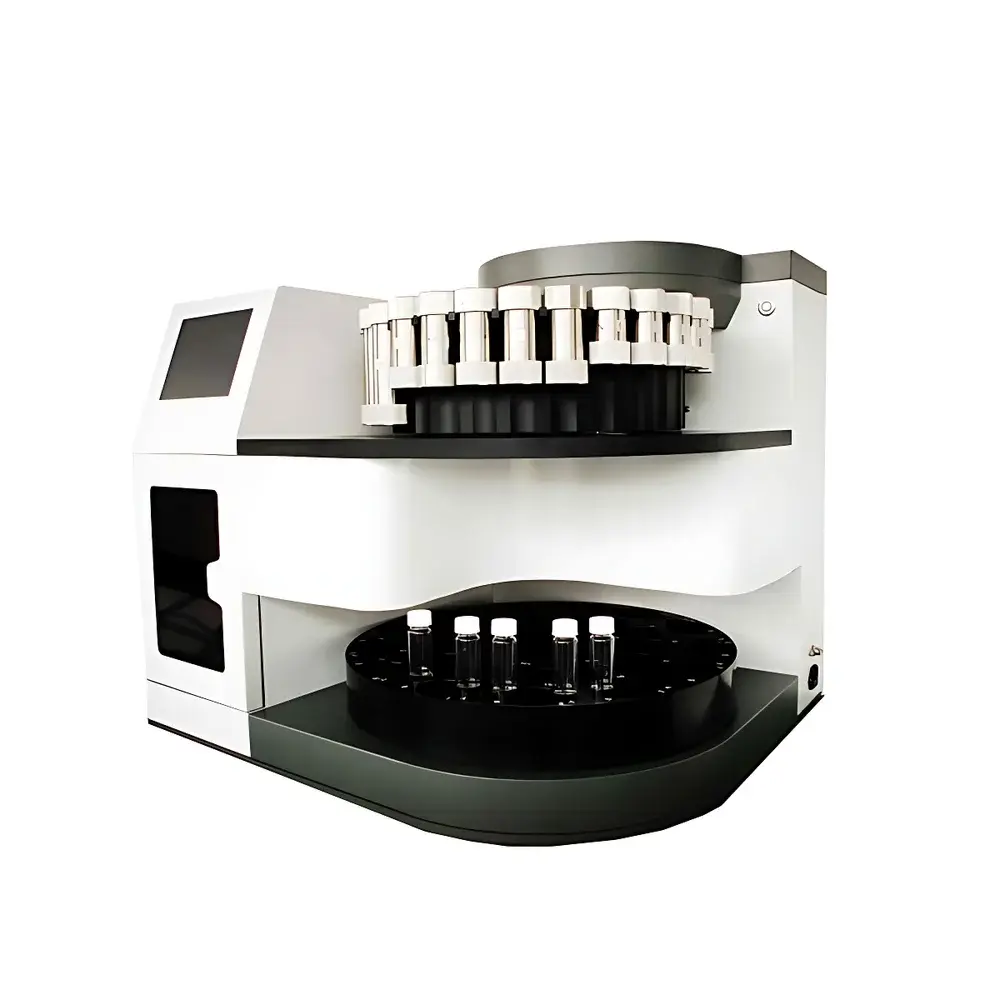
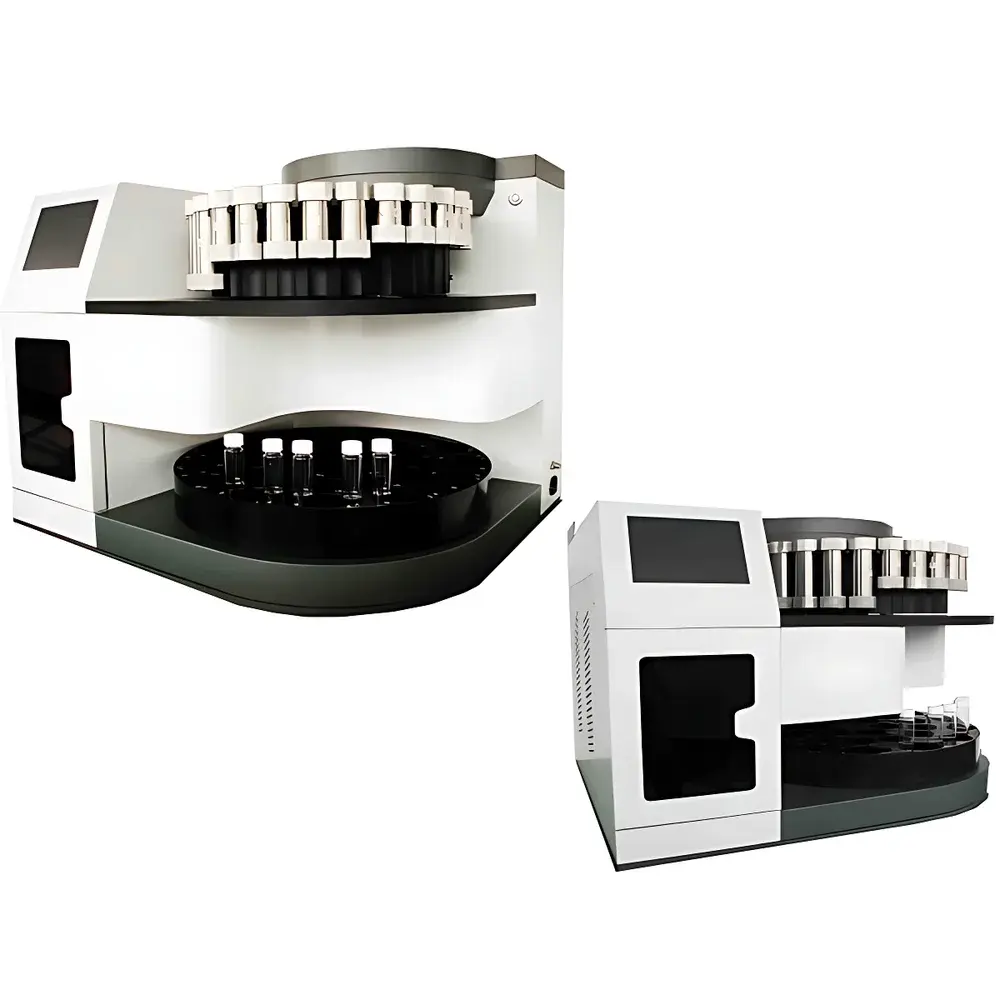
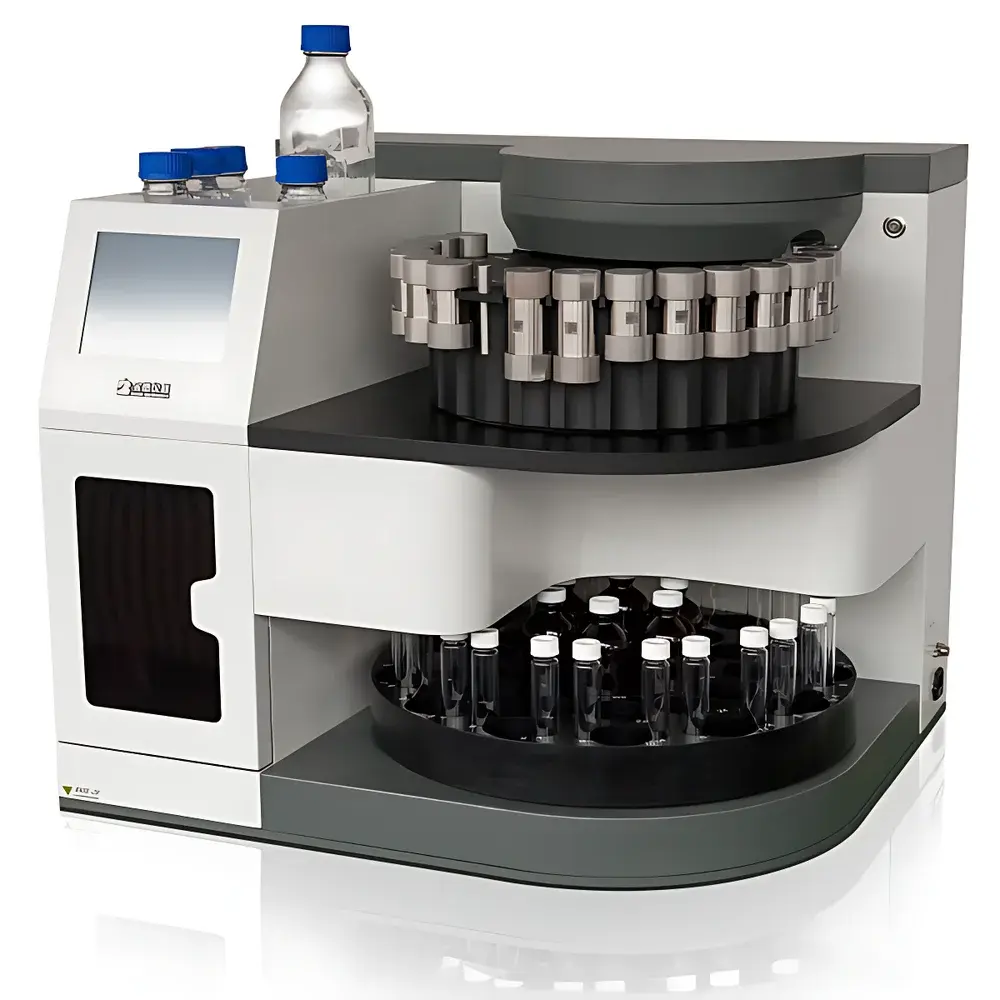
Brookfield BASE-26 Automated Accelerated Solvent Extractor
| Brand | Brookfield |
|---|---|
| Origin | Beijing, China |
| Manufacturer Type | Original Equipment Manufacturer (OEM) |
| Product Category | Domestic |
| Model | BASE-26 |
| Pricing | Available Upon Request |
Overview
The Brookfield BASE-26 Automated Accelerated Solvent Extractor is a fully integrated, high-throughput sample preparation system engineered for the rapid and reproducible extraction of analytes from solid and semi-solid matrices. It employs accelerated solvent extraction (ASE®-principle technology), a thermally assisted, pressurized liquid extraction method that operates above the boiling point of the selected solvent—while maintaining it in the liquid phase through applied pressure (typically 1,500–2,000 psi). This principle enables enhanced solubility, improved mass transfer kinetics, and superior analyte recovery compared to conventional techniques such as Soxhlet extraction, ultrasonic-assisted extraction, or reflux methods. Designed specifically to interface with downstream analytical platforms—including gas chromatography (GC), liquid chromatography (LC), GC–MS, and LC–MS—the BASE-26 delivers consistent, trace-level recoveries while minimizing solvent consumption, extraction time, and operator exposure to hazardous organic vapors.
Key Features
- Fully automated workflow: solvent delivery, pre-heating, pressurization, static/dynamic extraction, cell rinsing, nitrogen purge, filtration, and system cleaning—all executed under programmable sequence control.
- High-capacity carousel accommodating up to 26 extraction cells per run, supporting unattended overnight operation and batch processing for laboratories handling large sample volumes.
- Modular cell volume selection: standardized stainless-steel extraction cells available in seven sizes—1 mL, 5 mL, 11 mL, 22 mL, 33 mL, 66 mL, and 100 mL—to match diverse sample masses (from tens of milligrams to >10 g) and matrix types without compromising extraction efficiency.
- Integrated safety architecture: real-time pressure/temperature monitoring, leak detection, over-pressure relief, and fault-triggered emergency shutdown with audible and visual alarm notification—ensuring compliance with OSHA and IEC 61010-1 laboratory safety standards.
- Corrosion-resistant fluidic path: wetted components constructed from 316 stainless steel and chemically inert PEEK, compatible with common organic solvents including hexane, acetone, dichloromethane, ethyl acetate, methanol, and their mixtures.
Sample Compatibility & Compliance
The BASE-26 is validated for use with heterogeneous solid and semi-solid samples across environmental, pharmaceutical, food safety, and industrial quality control laboratories. It supports EPA Methods 3545A (for organics in soils/sediments), ASTM D7689-22 (determination of hydrocarbons in soils), and ISO 14507:2019 (extraction of organic compounds from solid waste). Its design facilitates GLP-compliant operation when paired with audit-trail-enabled software (see Software & Data Management). All extraction protocols adhere to principles outlined in USP and ICH Q5C for method robustness, ensuring data integrity during regulatory submissions.
Software & Data Management
Controlled via a dedicated Windows-based application with intuitive graphical interface, the BASE-26 software provides full method development, scheduling, real-time monitoring, and electronic logbook functionality. Each extraction cycle generates timestamped metadata—including solvent type, temperature, pressure, static/dynamic time, rinse volume, and cell ID—stored in encrypted SQLite databases. Optional 21 CFR Part 11 compliance package includes user role management, electronic signatures, and immutable audit trails suitable for FDA-regulated environments. Raw data export is supported in CSV and XML formats for LIMS integration.
Applications
The BASE-26 excels in quantitative and qualitative analysis of legacy and emerging contaminants, including polycyclic aromatic hydrocarbons (PAHs), polychlorinated biphenyls (PCBs), organophosphorus and organonitrogen pesticides, phenoxy herbicides, triazine herbicides, total petroleum hydrocarbons (TPH), dioxins/furans (after appropriate cleanup), diesel-range organics (DRO), and natural product alkaloids or polyphenols. It is routinely deployed in soil remediation assessment, wastewater sludge characterization, pesticide residue testing in fruits/vegetables, extractables/leachables studies for pharmaceutical packaging, and RoHS-compliant screening of brominated flame retardants in electronics.
FAQ
What solvent types are compatible with the BASE-26?
Commonly used solvents include hexane, acetone, dichloromethane, ethyl acetate, methanol, and binary or ternary mixtures—provided they are stable under elevated temperature (up to 200 °C) and pressure (up to 2,000 psi).
Can the BASE-26 be integrated into an automated lab workflow?
Yes—it features RS-232 and Ethernet ports for remote command execution and status polling, enabling seamless integration with robotic sample handlers and centralized LIMS platforms.
Is method validation support available?
Brookfield provides application notes, SOP templates, and technical documentation aligned with ISO/IEC 17025 requirements, including recovery studies, precision evaluation, and LOD/LOQ determination guidance.
What maintenance is required for long-term reliability?
Routine maintenance includes quarterly seal replacement, annual calibration of pressure/temperature sensors, and periodic inspection of solvent filters and purge lines—fully documented in the included service manual.



