
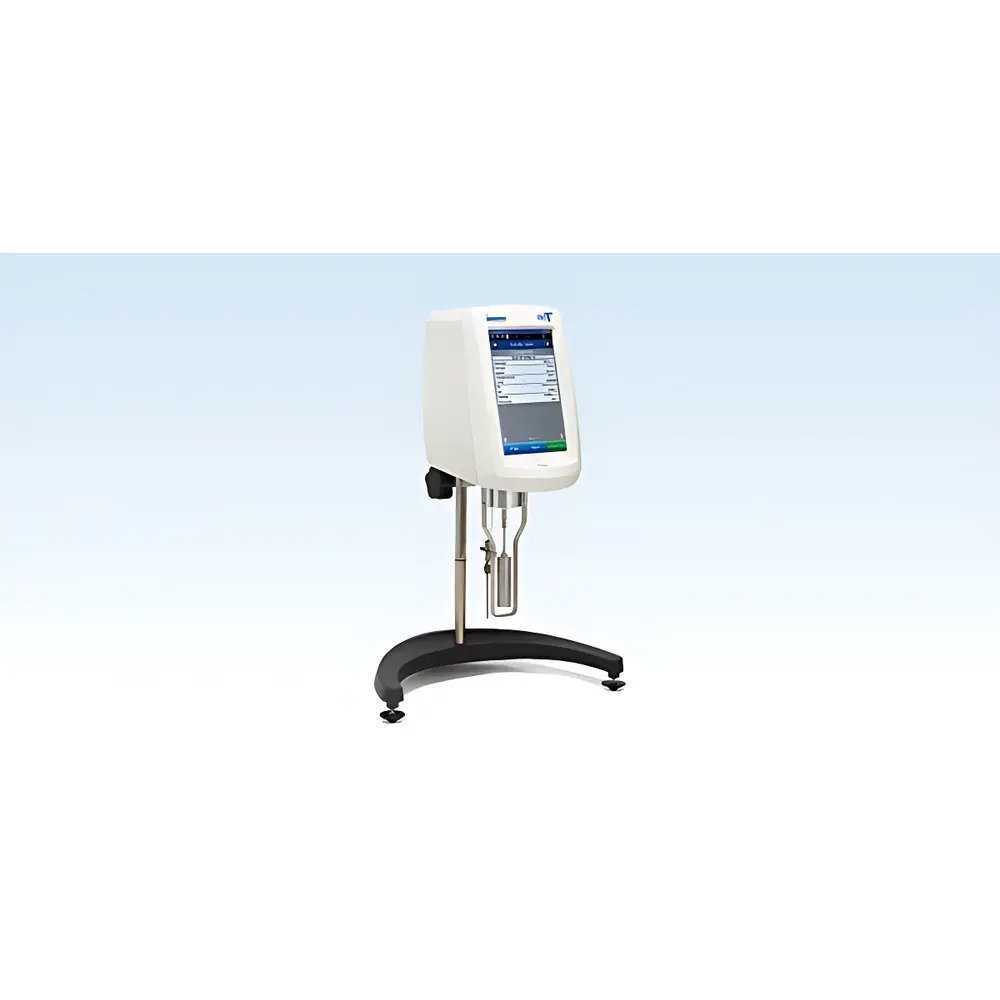
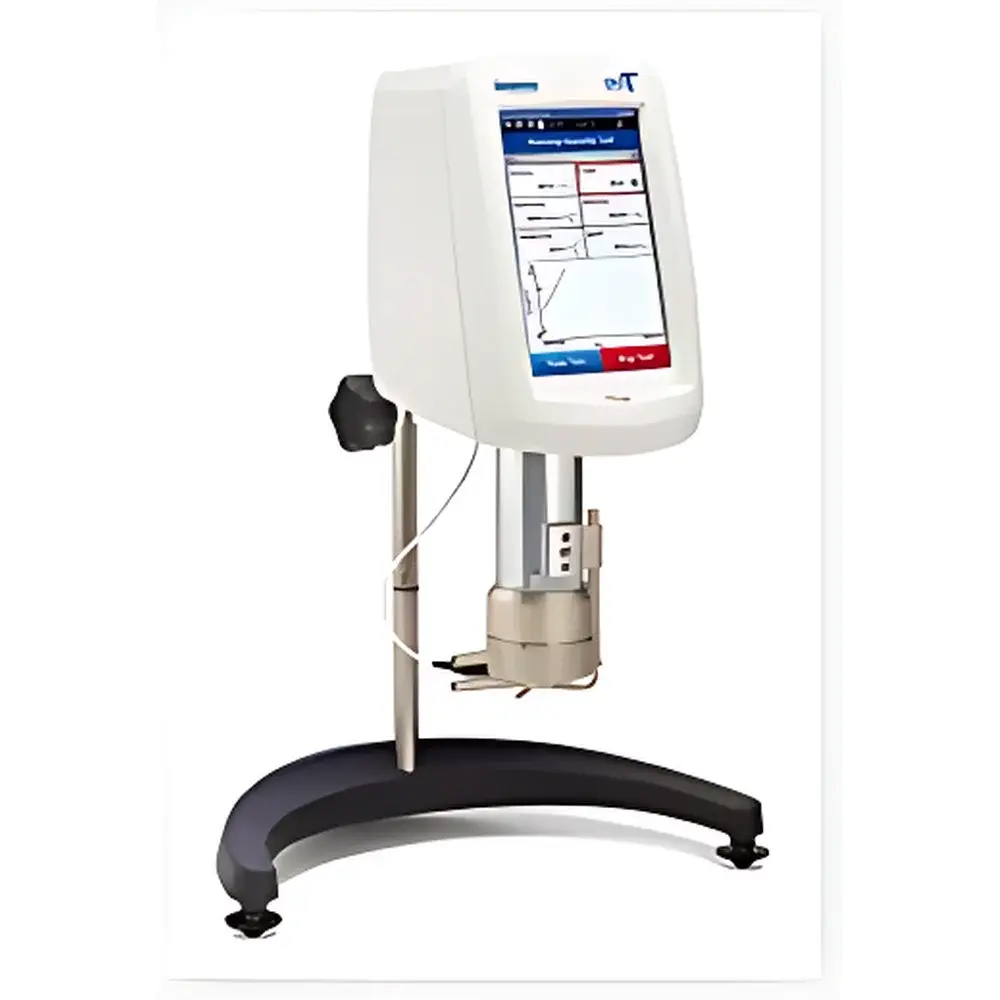
Brookfield DV3T Advanced Rotational Rheometer
| Origin | Germany |
|---|---|
| Manufacturer Type | Authorized Distributor |
| Origin Category | Imported |
| Model | DV3T |
| Pricing | Upon Request |
Overview
The Brookfield DV3T Advanced Rotational Rheometer is a precision-engineered, microprocessor-controlled rotational rheometer designed for comprehensive viscoelastic characterization of liquids, pastes, gels, and semi-solids. Operating on the principle of controlled shear via concentric cylinder (Couette) or cone-and-plate geometry—depending on configuration—the DV3T delivers high-fidelity measurements of dynamic viscosity, yield stress, thixotropy, and flow curve behavior. Its dual capability as both a viscosity meter and a basic rheometer enables seamless transition from routine QC checks to advanced material profiling in R&D laboratories. The instrument complies with foundational measurement standards under ISO 2555, ASTM D2196, and USP , supporting method validation and regulatory documentation workflows. Built around a robust torque transducer architecture with ±0.2% repeatability and ±1.0% full-scale accuracy, the DV3T ensures traceable, reproducible results across diverse sample matrices.
Key Features
- 7-inch full-color capacitive touchscreen interface with intuitive icon-driven navigation and multi-language support (English, Spanish, French, German, Chinese, Japanese)
- Real-time graphical display of viscosity (cP or mPa·s), temperature (°C/°F), shear rate/stress, % torque, rotational speed (RPM), rotor identification, and test stage status
- Integrated RTD temperature probe with ±1.0% accuracy referenced to full-scale reading; temperature data synchronized and embedded within each data record
- Enhanced security framework including password-protected user accounts, customizable permission levels, audit-trail-capable timestamped test logging, and programmable lockout after failed login attempts
- Onboard mathematical modeling for immediate single-instrument analysis: Casson, Bingham, Power Law, Herschel-Bulkley, IPC Paste, Thix Index (TORQUE), and NCA/CMA variants
- EZ-Lock rotor quick-coupling system and precision-machined ball-bearing suspension (RV/HA/HB models) for minimal bearing friction and improved low-torque sensitivity
- Programmable QC limits with audible/visual alert triggers and pass/fail flagging per test cycle
Sample Compatibility & Compliance
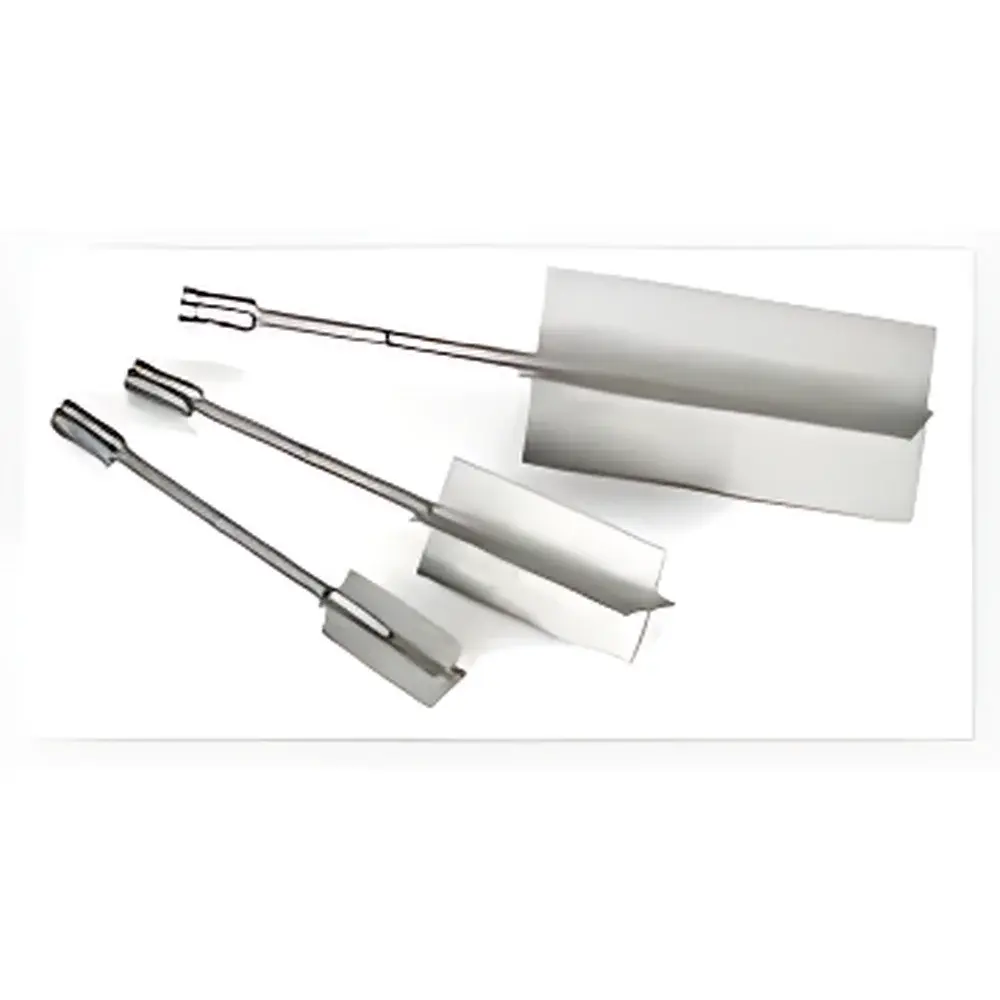
The DV3T accommodates a wide range of sample types—from Newtonian oils to structured suspensions, polymer melts, pharmaceutical ointments, food pastes, and battery slurries—via interchangeable rotor geometries (LV, RV, HA, HB, 5xHB, ULA, SSA, Helipath, DIN, and optional paddle rotors). Paddle rotors enable non-destructive immersion into fragile or heterogeneous systems for reliable yield stress determination without pre-shear artifacts. When paired with Brookfield TC-series circulating baths or Thermosel heating systems, the DV3T supports temperature-controlled rheology from 0°C to 200°C (dependent on accessory). All configurations meet mechanical and electrical safety requirements per IEC 61010-1. Data integrity protocols align with FDA 21 CFR Part 11 when used with RheocalcT software, supporting electronic signatures, role-based access control, and immutable audit trails required for GLP/GMP environments.
Software & Data Management
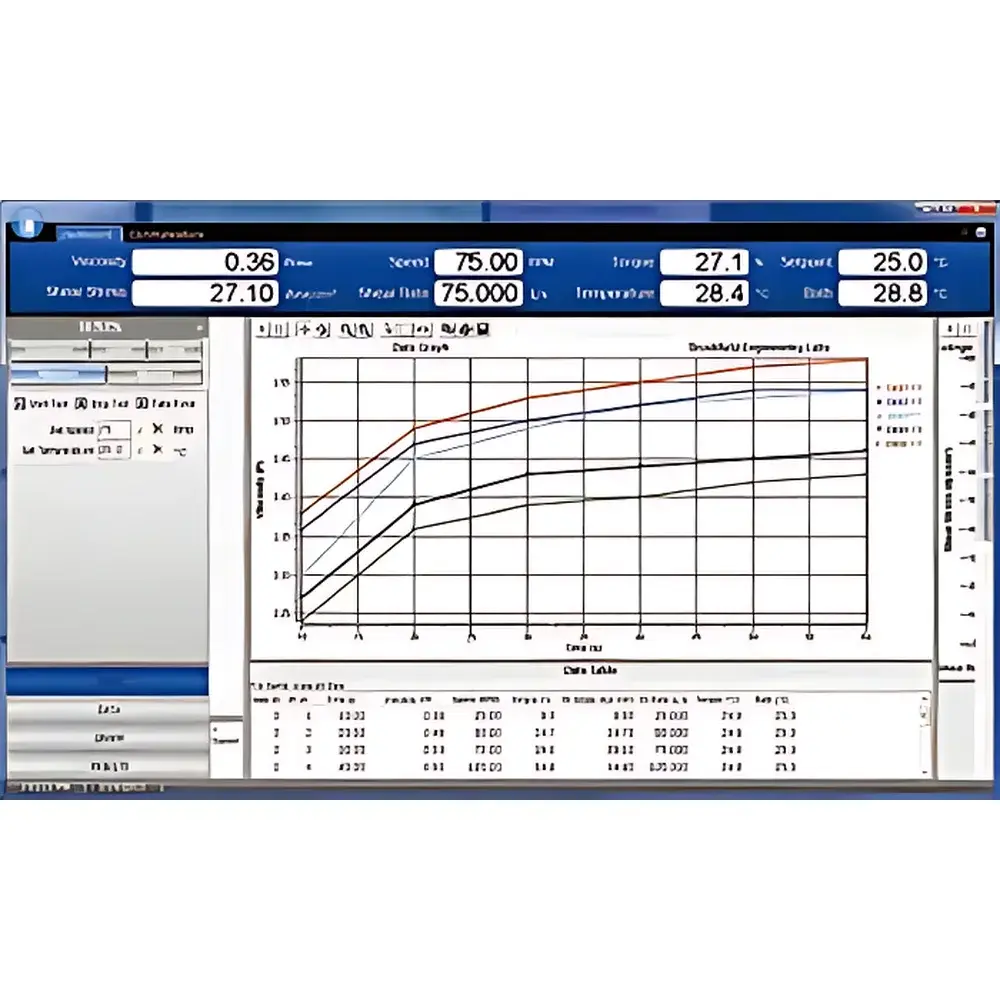
Two dedicated software platforms extend the DV3T’s functionality: PG Flash (included) and RheocalcT (standard in China, optional elsewhere). PG Flash enables creation of repeatable, multi-step test programs (up to 25 stages) on a Windows PC—including ramped shear rates, dwell times, oscillatory sequences, and conditional logic—then deploys them via USB flash drive to any DV3T unit. RheocalcT provides full remote instrument control, automated data acquisition, layered graphing (up to five datasets), statistical reporting, model fitting, and export to CSV, PDF, or Excel. It includes a step-by-step programming wizard, cyclic test execution, averaging modes (per step or full run), and compliance-ready features: digital signature capture, user-level permissions, encrypted database storage, and FDA 21 CFR Part 11–compliant audit logs.
Applications
The DV3T serves critical roles across quality assurance, formulation development, and process optimization. In coatings and inks, it quantifies sag resistance, leveling behavior, and spray atomization thresholds via yield stress and thixotropic recovery analysis. In pharmaceuticals, it validates gel strength, ointment extrudability, and suspension stability per USP . Food scientists apply it to characterize ketchup flow onset, yogurt structure breakdown, and chocolate tempering kinetics. Battery R&D teams use it to assess slurry rheology for electrode coating uniformity. Cosmetics labs rely on its paddle rotor mode to evaluate toothpaste extrusion force and hair gel hold retention. Each application benefits from standardized test templates, SOP integration, and raw data traceability essential for internal audits and regulatory submissions.
FAQ
What rotor types are included standard with the DV3T?
Standard configurations include either four LV-series spindles (for low-viscosity fluids) or six RV/HA/HB-series spindles (for medium-to-high viscosity materials); exact inclusion depends on selected model variant (LV, RV, HA, HB, or 5xHB).
Can the DV3T measure yield stress without external accessories?
Yes—the instrument includes built-in yield stress calculation algorithms (e.g., Bingham, Herschel-Bulkley) and supports direct measurement using the optional paddle rotor, which minimizes structural disruption during immersion.
Is temperature control integrated or accessory-dependent?
The DV3T features an internal RTD sensor for real-time temperature monitoring but requires external thermal management: either a Brookfield TC-series recirculating bath (for sub-ambient to 100°C operation) or a Thermosel heater (for up to 200°C).
How does the DV3T ensure data integrity for regulated industries?
When operated with RheocalcT software, the system implements electronic signatures, user authentication, role-based access, immutable audit trails, and encrypted data storage—fully compliant with FDA 21 CFR Part 11, EU Annex 11, and ISO/IEC 17025 documentation requirements.
What is the minimum measurable viscosity with standard LV rotors?
Using the standard LV-1 spindle, the lower detection limit is 15 cP; with the optional Ultra-Low Viscosity Adapter (ULA), sensitivity extends down to 1 cP.
Related Products



