
Brookfield DVNext Advanced Rotational Rheometer
No specifications available.
Overview
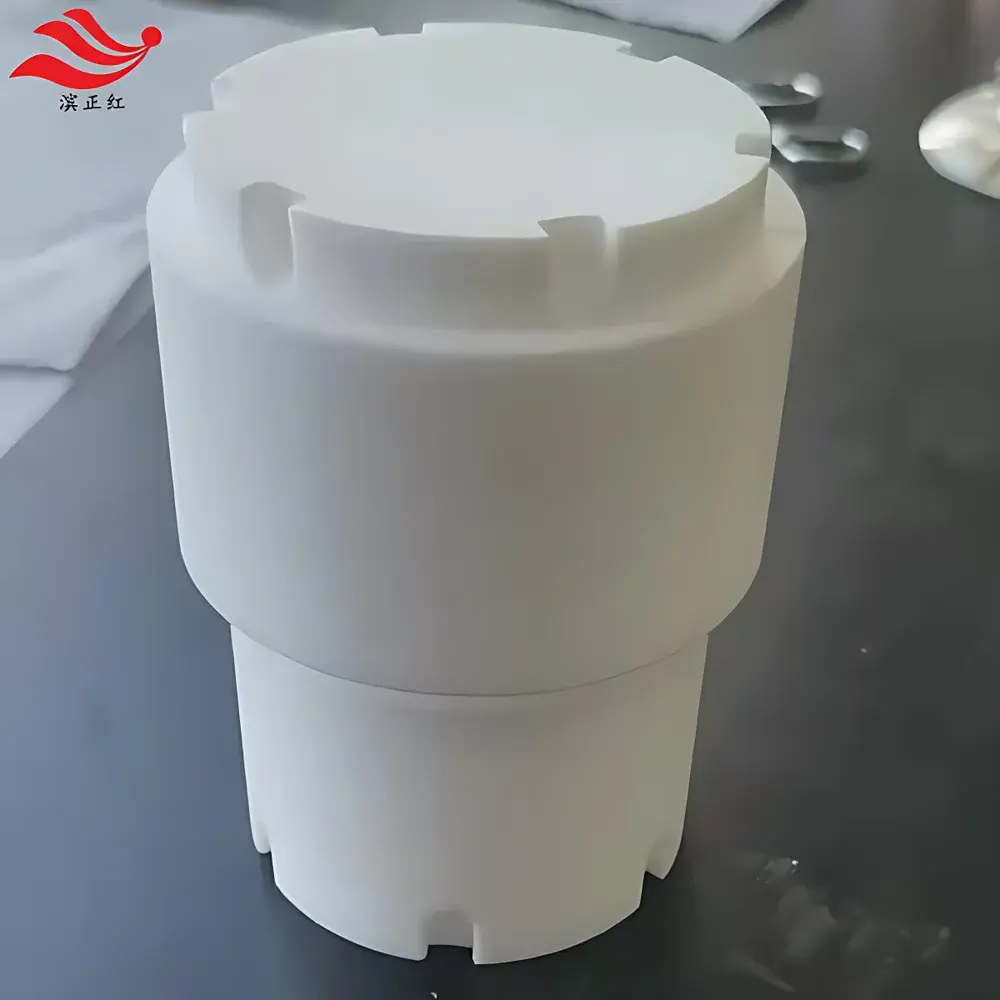
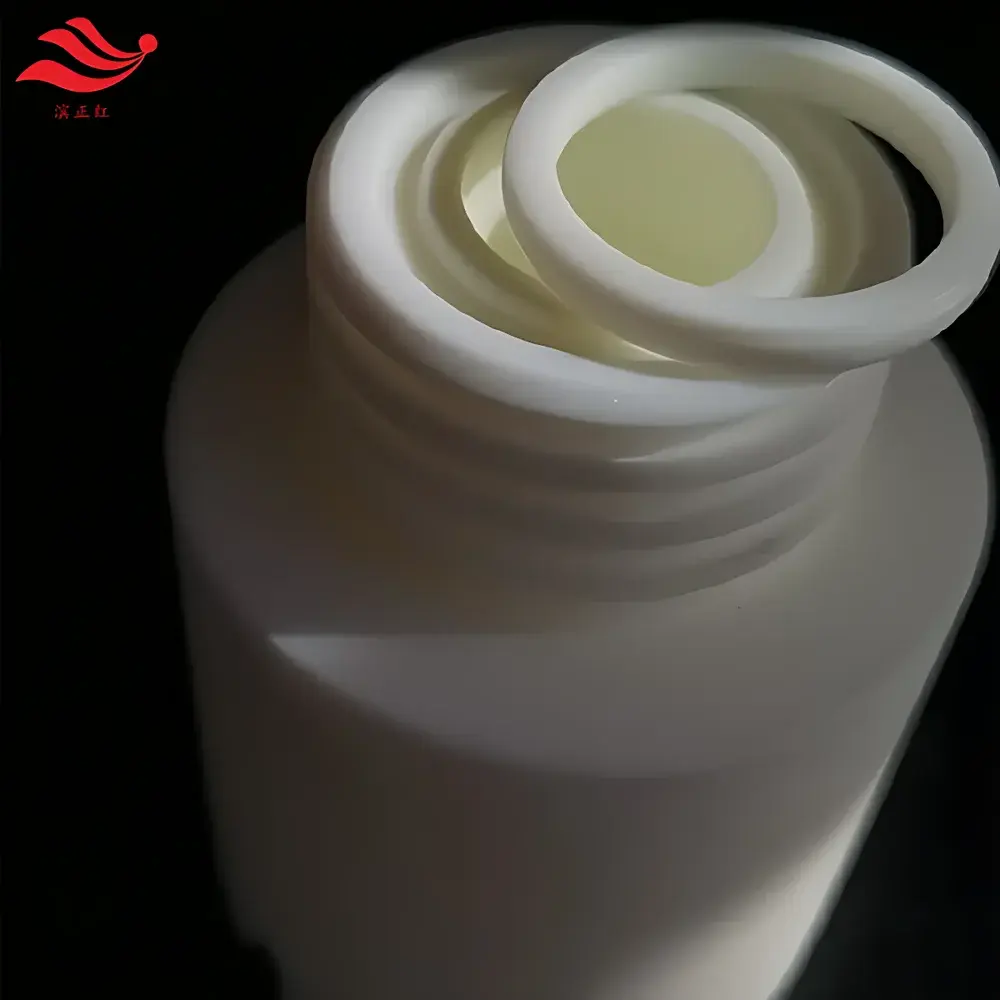
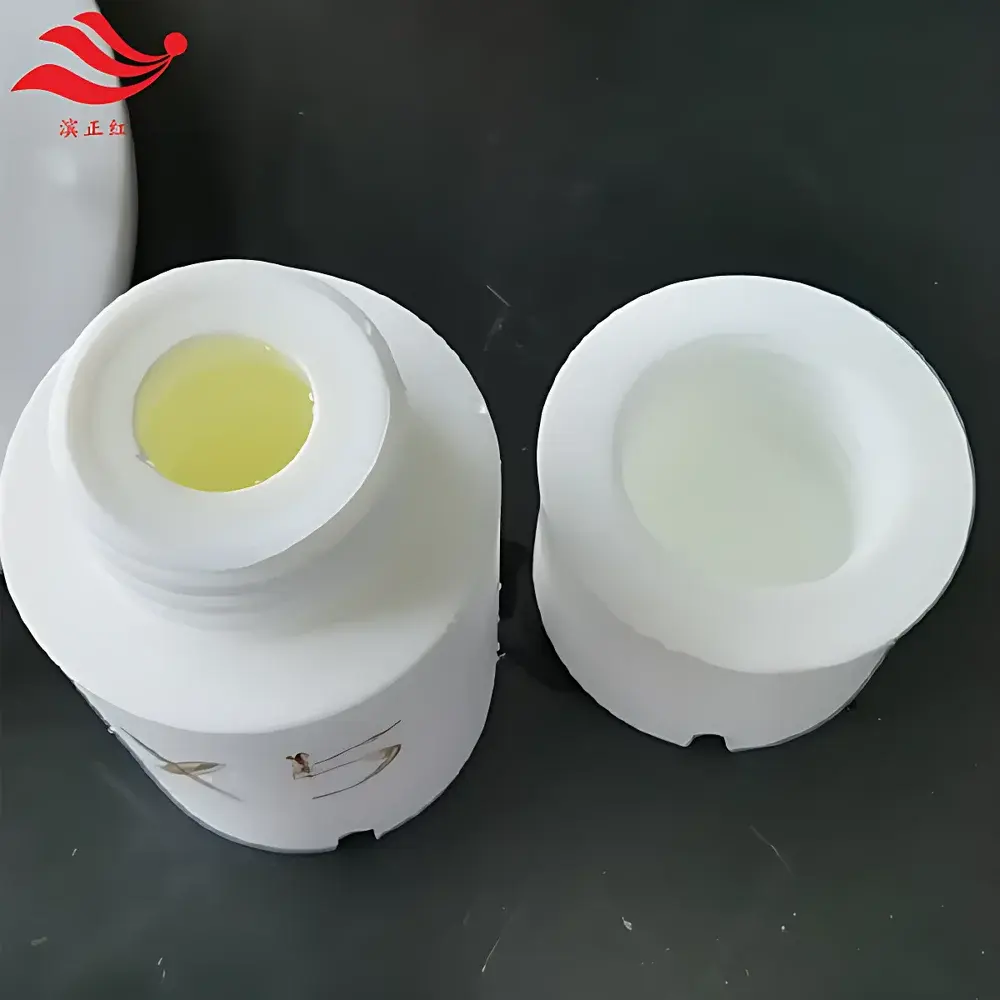
The ZH Series High-Purity PTFE Digestion Vessels are engineered for trace-level precious metal analysis in demanding environmental, geological, and metallurgical laboratories. Constructed entirely from virgin perfluoroalkoxy alkane (PFA) or high-density polytetrafluoroethylene (HD-PTFE), these vessels eliminate metallic contamination at the source—ensuring integrity of ICP-MS, ICP-OES, and AAS measurements where sub-ppt detection limits are required. Unlike conventional digestion systems incorporating stainless-steel bolts, titanium clamps, or nickel-plated components, the ZH series employs a monolithic fluoropolymer architecture: vessel body, lid, and sealing interface are all fabricated from ≥99.999% pure PTFE or PFA, with no embedded fillers, pigments, or reinforcing metals. Pressure containment is achieved via cold-flow deformation of the fluoropolymer under axial compression—leveraging the intrinsic creep resistance and chemical inertness of fully fluorinated polymers rather than mechanical fasteners.
Key Features
- Ultra-low elemental background: Certified blank values ≤0.1 pg/g for Au, Pt, Pd, Rh, Ir, Ru across 30 mL and 60 mL configurations per ASTM D5687-22 procedural blanks protocol
- Chemical resistance: Stable in concentrated HF (up to 49%), aqua regia, HNO₃/HCl mixtures, and NaOH/KOH solutions up to 20% w/w at 220 °C
- Thermal stability: Continuous operation rated to 260 °C; short-term excursions to 280 °C permissible per ISO 17025-compliant validation reports
- Sealing mechanism: Dual-stage conical seal geometry with precision-machined PTFE-to-PTFE interference fit—no elastomeric gaskets, O-rings, or metal-reinforced inserts
- Pressure rating: Designed for static internal pressures up to 10 MPa (1450 psi) at 220 °C, verified by hydrostatic burst testing per EN 13445 Annex G
- Traceability: Each vessel batch supplied with CoA (Certificate of Analysis) including ICP-MS multi-element screening data and FTIR spectral verification of polymer purity
Sample Compatibility & Compliance
The ZH series accommodates solid matrices including ore concentrates, catalytic converter fragments, jewelry alloys, electronic scrap (e-waste), and spent catalysts. Its non-metallic construction complies with USP , EPA Method 3052, and ISO/IEC 17025 requirements for contamination control in accredited testing laboratories. When used within validated microwave-assisted digestion workflows (e.g., CEM MARS 6 or Anton Paar Multiwave PRO), the vessels support full audit trails meeting FDA 21 CFR Part 11 data integrity criteria—including electronic signatures, time-stamped event logs, and immutable raw file storage. All units are manufactured in an ISO 9001:2015-certified facility located in Jiangsu Province, China, with raw material sourcing traceable to DuPont Teflon™ PTFE resin lot numbers.
Software & Data Management
While the ZH vessels themselves are passive hardware components, they integrate natively with industry-standard digestion platform software suites. When deployed on CEM instruments, vessel-specific pressure/temperature profiles are auto-loaded via barcode scanning; Anton Paar systems recognize ZH geometry through calibrated cavity mapping. Raw digestion run metadata—including ramp rates, hold times, and maximum observed pressure—is exported in ASTM E2500-compliant .csv format, enabling direct import into LIMS platforms such as LabWare LIMS or Thermo Fisher SampleManager. All calibration certificates and batch CoAs are digitally archived with SHA-256 hash verification for GLP/GMP audit readiness.
Applications
- Quantification of Au, Ag, Pt-group elements (PGEs) in refractory sulfide ores using hot-block or microwave-assisted acid leaching
- Leaching validation studies for hydrometallurgical recovery circuits targeting >99.5% metal extraction efficiency
- Reference material certification (e.g., NIST SRM 2555, GBW07104) where certified uncertainty budgets mandate ≤0.3% contribution from container blank
- Speciation analysis of organometallic complexes (e.g., Pt(II) vs Pt(IV)) requiring complete matrix destruction without redox interference
- Regulatory compliance testing for RoHS 2 Directive (2011/65/EU) Annex II exemptions related to precious metal content in medical devices
FAQ
Are these vessels compatible with microwave digestion systems?
Yes—validated for use with CEM MARS 6, Anton Paar Multiwave PRO, and Milestone ETHOS UP platforms under manufacturer-specified power and ramp protocols.
What is the maximum recommended temperature for long-term use?
260 °C continuous; intermittent exposure up to 280 °C is permitted if dwell time remains below 15 minutes per cycle.
Do you provide batch-specific blank data for ICP-MS?
Each shipment includes a Certificate of Analysis listing measured blanks for 22 elements (including all PGEs) determined via ultra-clean cleanroom digestion and sector-field ICP-MS analysis.
Can the vessels be reused?
Yes—provided they undergo post-digestion cleaning per ASTM D5687-22 Section 7.3 (HF rinse → ultrapure water sonication → Class 100 laminar flow drying) and pass visual inspection for microcracking or deformation.
Is third-party certification available for ISO/IEC 17025 labs?
Upon request, accredited calibration reports issued by CNAS-certified laboratories (ID: CNAS L5721) can be supplied, covering dimensional stability, pressure retention, and elemental blank verification.
Related Products



