
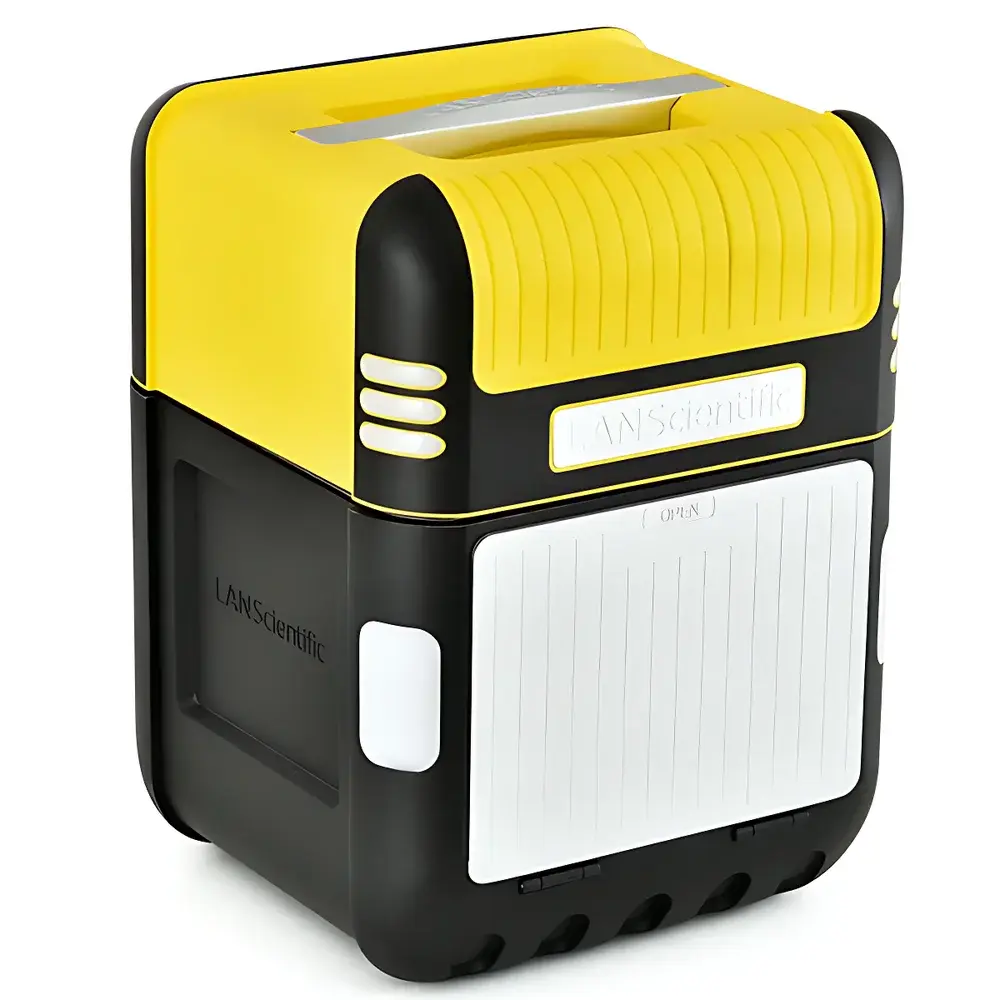
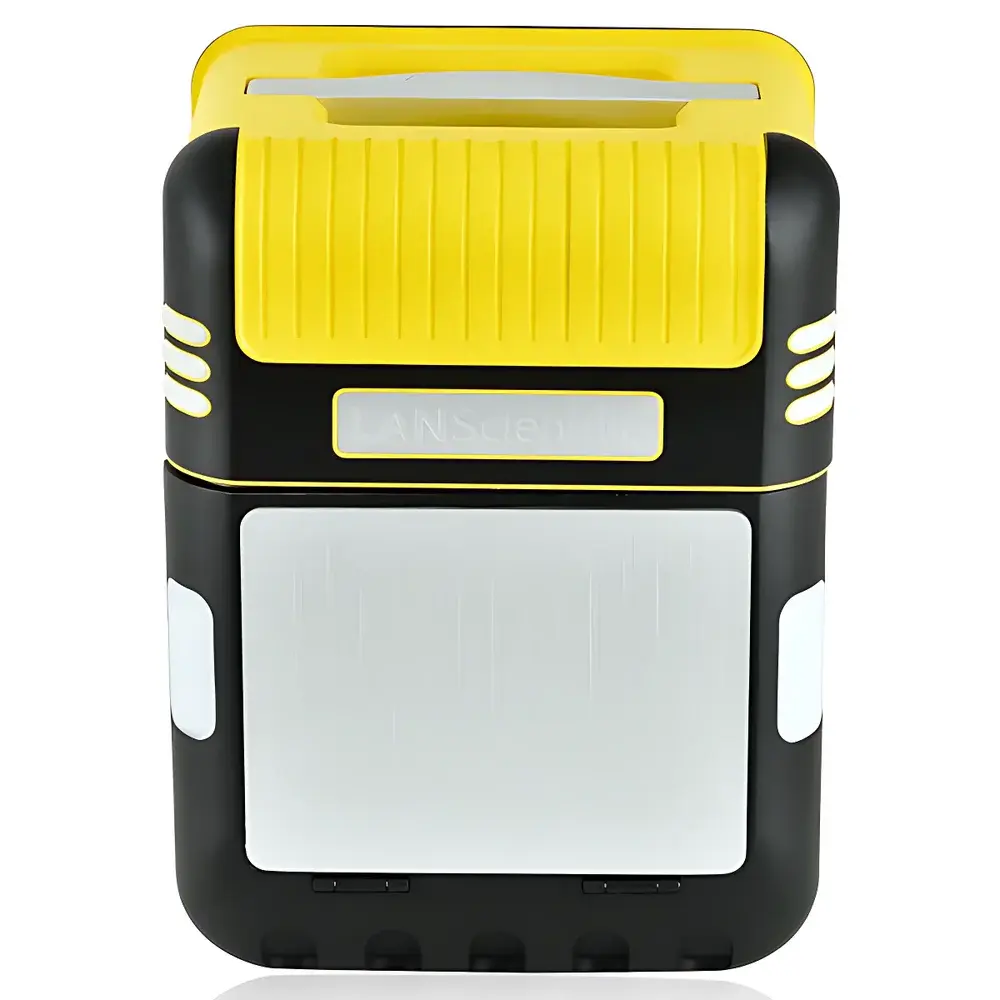
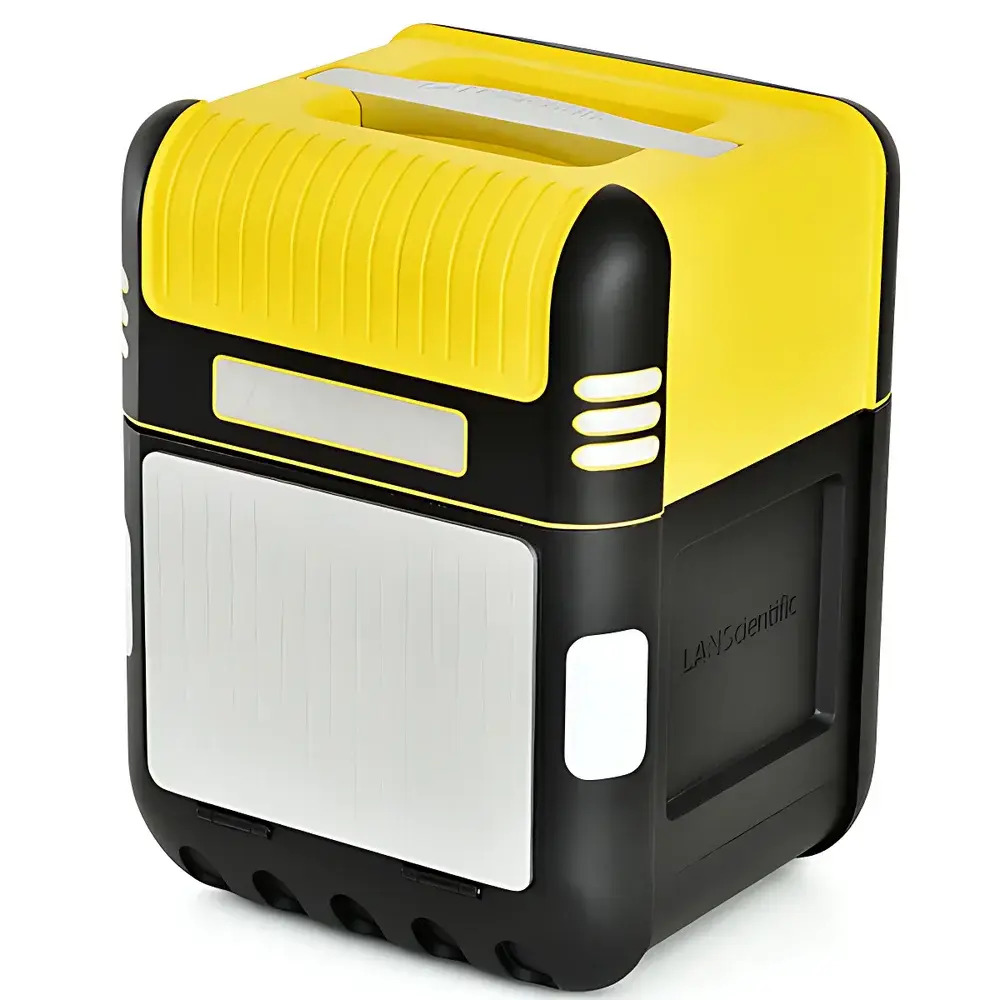
Brookfield LANScientific PeDX G7 Portable Energy Dispersive X-Ray Fluorescence (EDXRF) Spectrometer for Precious Metals Analysis
| Brand | LANScientific |
|---|---|
| Origin | Jiangsu, China |
| Manufacturer Type | Direct Manufacturer |
| Regional Classification | Domestic (China) |
| Model | PeDX G7 |
| Application | Handheld/Portable |
| Instrument Type | Conventional EDXRF |
| Industry-Specific Use | Non-Ferrous Metals |
| Elemental Range | Al (13) to U (92) |
| Detection Limit | ppm-level quantification |
| Form Factor | Portable handheld spectrometer |
Overview
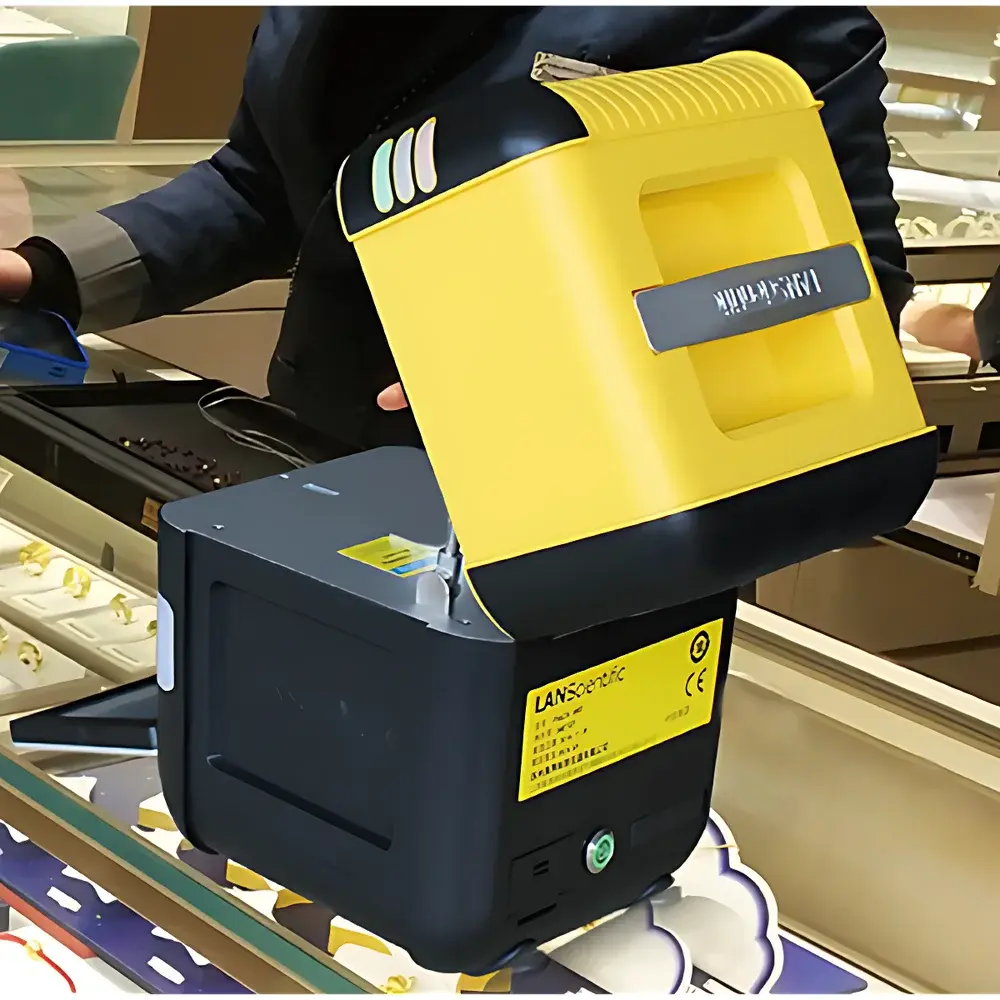
The Brookfield LANScientific PeDX G7 is a purpose-engineered portable energy dispersive X-ray fluorescence (EDXRF) spectrometer optimized for rapid, non-destructive elemental analysis of precious metals in industrial and commercial environments. Operating on the fundamental principle of X-ray fluorescence—where primary X-rays excite atoms in the sample, causing emission of characteristic secondary (fluorescent) X-rays—the PeDX G7 delivers quantitative compositional data based on energy discrimination and spectral deconvolution algorithms. Unlike benchtop WDXRF systems, the PeDX G7 employs a miniaturized Rh-target X-ray tube, high-resolution silicon drift detector (SDD), and real-time spectrum processing firmware to achieve laboratory-grade precision in a field-deployable form factor. It is calibrated and validated for routine analysis of Au, Pt, Pd, Ag, Cu, Ni, Zn, and alloying elements across karat gold (e.g., 9K–24K), white gold, platinum group alloys, and recycled scrap streams. Its design prioritizes robustness under variable ambient lighting, temperature fluctuations (10–40 °C), and mechanical shock—making it suitable for continuous operation in jewelry manufacturing floors, retail display areas, and third-party assay laboratories.
Key Features
- Non-destructive analysis with no sample preparation required—ideal for finished jewelry, coins, bars, and irregularly shaped items.
- Real-time elemental quantification from aluminum (Al) to uranium (U), with detection limits consistently below 10 ppm for heavy elements (e.g., Au, Pt) under standard measurement conditions.
- Integrated high-efficiency SDD detector (≥20 eV Mn Kα resolution) coupled with adaptive pulse processing for improved peak-to-background ratio and reduced spectral overlap artifacts.
- Intuitive one-button workflow: “Power On → Aim → Trigger → Read”—completed in ≤5 seconds per measurement, with auto-optimization of tube voltage (up to 50 kV) and current (up to 200 µA) based on sample composition.
- Ruggedized magnesium alloy housing (IP54-rated), ergonomic grip, and 5-inch sunlight-readable touchscreen interface designed for extended handheld use.
- Built-in rechargeable Li-ion battery supporting ≥8 hours of continuous operation and hot-swappable capability for uninterrupted shift-based workflows.
Sample Compatibility & Compliance
The PeDX G7 accommodates a broad range of sample geometries—including rings, pendants, granules, ingots, and shredded scrap—without requiring flattening, cutting, or coating. Its collimated beam (Ø3 mm default, optional 1 mm/8 mm apertures) ensures precise targeting and minimizes matrix interference from adjacent materials. All factory calibrations are traceable to NIST SRM reference materials (e.g., SRM 1216a, 1221, 1250) and verified per ISO 18504:2022 (XRF — Calibration and verification of performance). The instrument complies with IEC 62471 (photobiological safety), GB/T 18805–2022 (Chinese national standard for XRF instruments), and supports GLP/GMP-aligned audit trails when paired with optional secure firmware mode. While not certified for medical or nuclear regulatory applications, it meets RoHS Directive 2011/65/EU screening requirements for restricted substances in consumer goods.
Software & Data Management
The embedded PeDX OS v3.2 firmware provides full local data governance: spectra, quantitative reports, user logs, and calibration history are stored in encrypted SQLite databases with configurable retention policies. Data export options include CSV, PDF (with embedded spectra), and XML formats compatible with LIMS integration via USB-C or Bluetooth 5.0. Optional cloud synchronization (LANScientific CloudLink™) enables centralized fleet management, remote calibration updates, and multi-site report aggregation—all compliant with GDPR and ISO/IEC 27001 information security frameworks. Audit trail functionality records operator ID, timestamp, measurement parameters, and spectral quality metrics (e.g., count rate, live time, peak FWHM), satisfying FDA 21 CFR Part 11 requirements for electronic records when enabled in secured mode.
Applications
- Raw material verification at jewelry factories: incoming inspection of gold alloys, palladium blanks, and platinum scrap prior to melting.
- In-process quality control: monitoring alloy consistency during casting, rolling, and wire-drawing operations.
- Final product certification: karat validation of finished pieces prior to hallmarking or retail dispatch.
- Second-hand valuation and recycling: rapid sorting of mixed precious metal streams by purity class (e.g., 999.9 vs. 995 vs. 916).
- Forensic authentication: differentiation of surface-plated vs. homogenous alloys using depth-profiling mode (multi-point sequential analysis).
- Regulatory compliance screening: detection of prohibited elements (e.g., Cd, Pb, Ni above EU Annex II thresholds) in jewelry intended for export markets.
FAQ
What regulatory standards does the PeDX G7 support for quality documentation?
It supports ISO/IEC 17025-compliant reporting templates and generates audit-ready records meeting GLP and GMP documentation requirements, including electronic signatures and immutable measurement logs.
Can the PeDX G7 distinguish between surface plating and bulk composition?
Yes—through controlled measurement duration, beam current modulation, and comparative analysis of multiple spots, users can infer plating thickness trends; however, quantitative plating thickness requires complementary techniques such as SEM-EDS or coulometric titration.
Is external calibration required after purchase?
No—each unit ships with factory-installed, matrix-matched calibrations for Au-Ag-Cu-Zn-Ni-Pd-Pt systems; users may perform optional verification checks using supplied check standards (Au 999.9, Pt 950, Pd 999).
How is data integrity maintained during Bluetooth transmission to printers or mobile devices?
All Bluetooth communications use AES-128 encryption; print jobs are transmitted as signed PDFs with embedded digital fingerprints to prevent tampering or misattribution.
Does the PeDX G7 require annual recalibration by the manufacturer?
While not mandatory, LANScientific recommends biannual performance verification using certified reference materials; full recalibration is advised only if physical damage, detector degradation, or significant environmental exposure is suspected.
Related Products





