
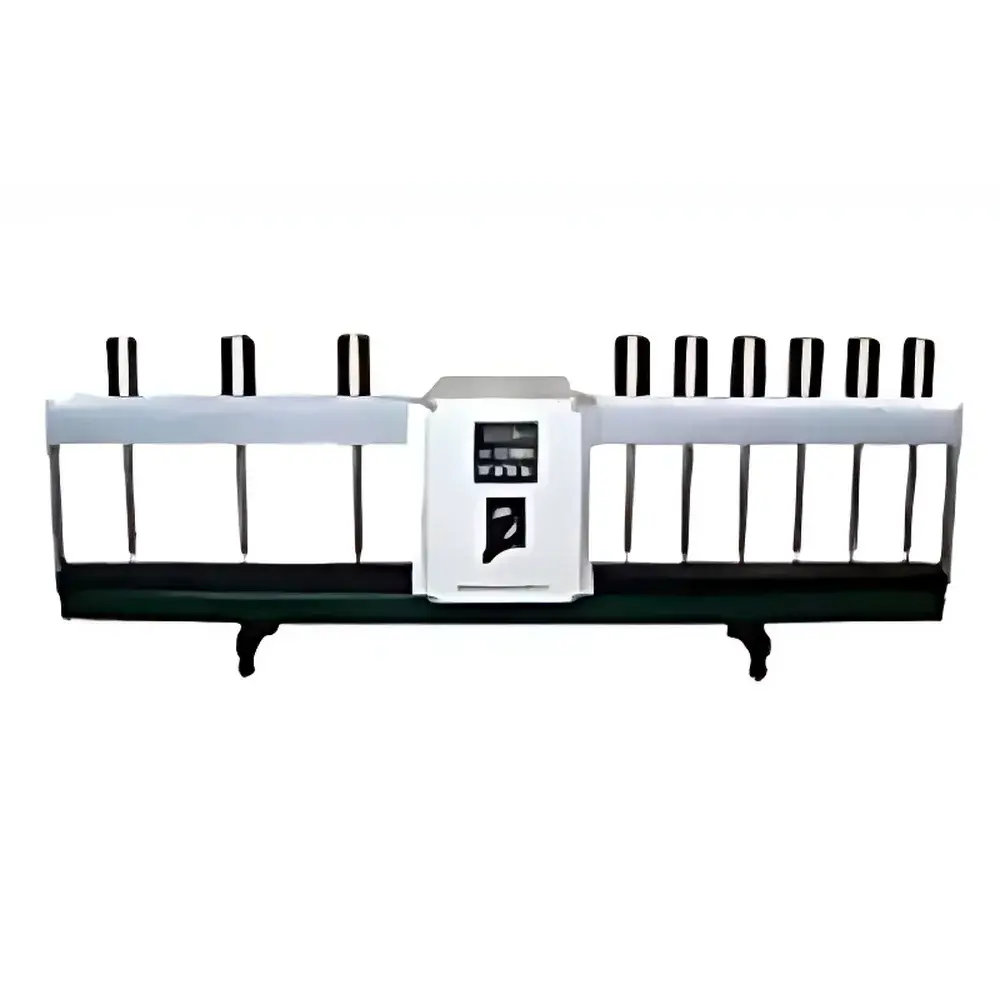
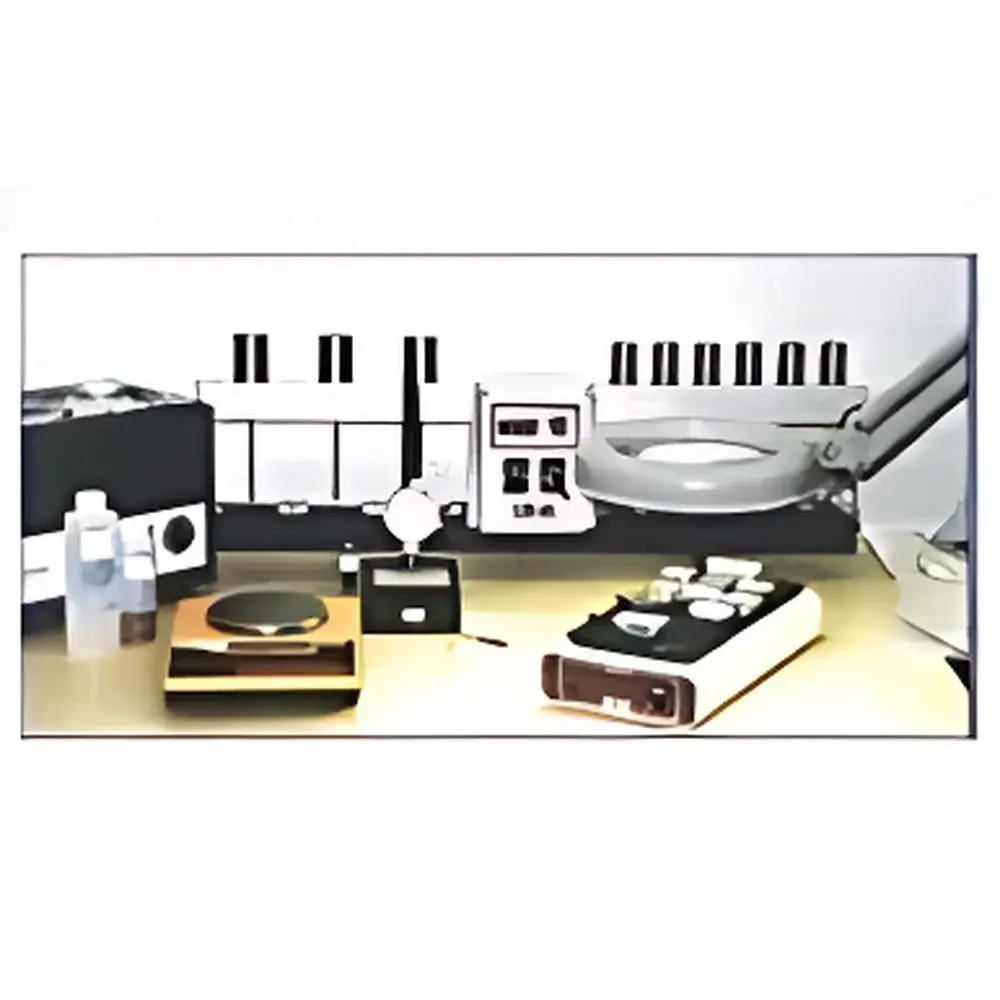
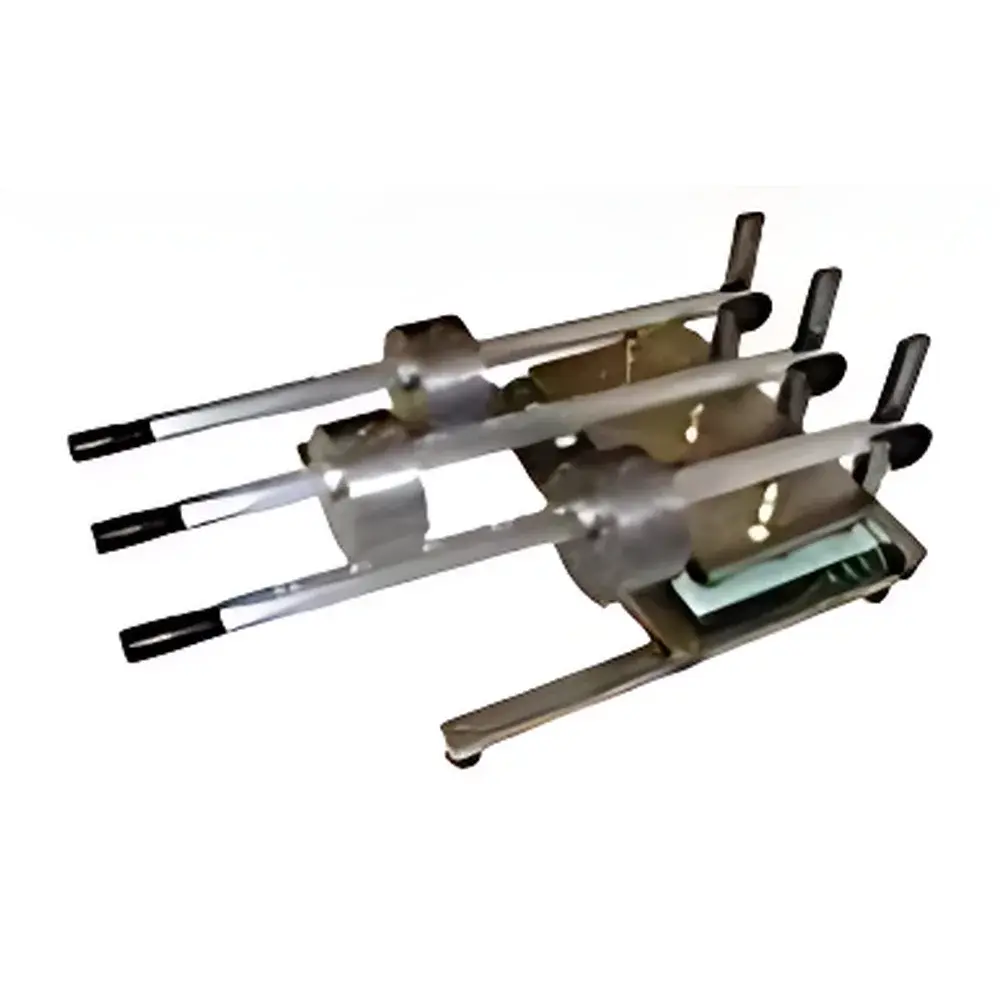
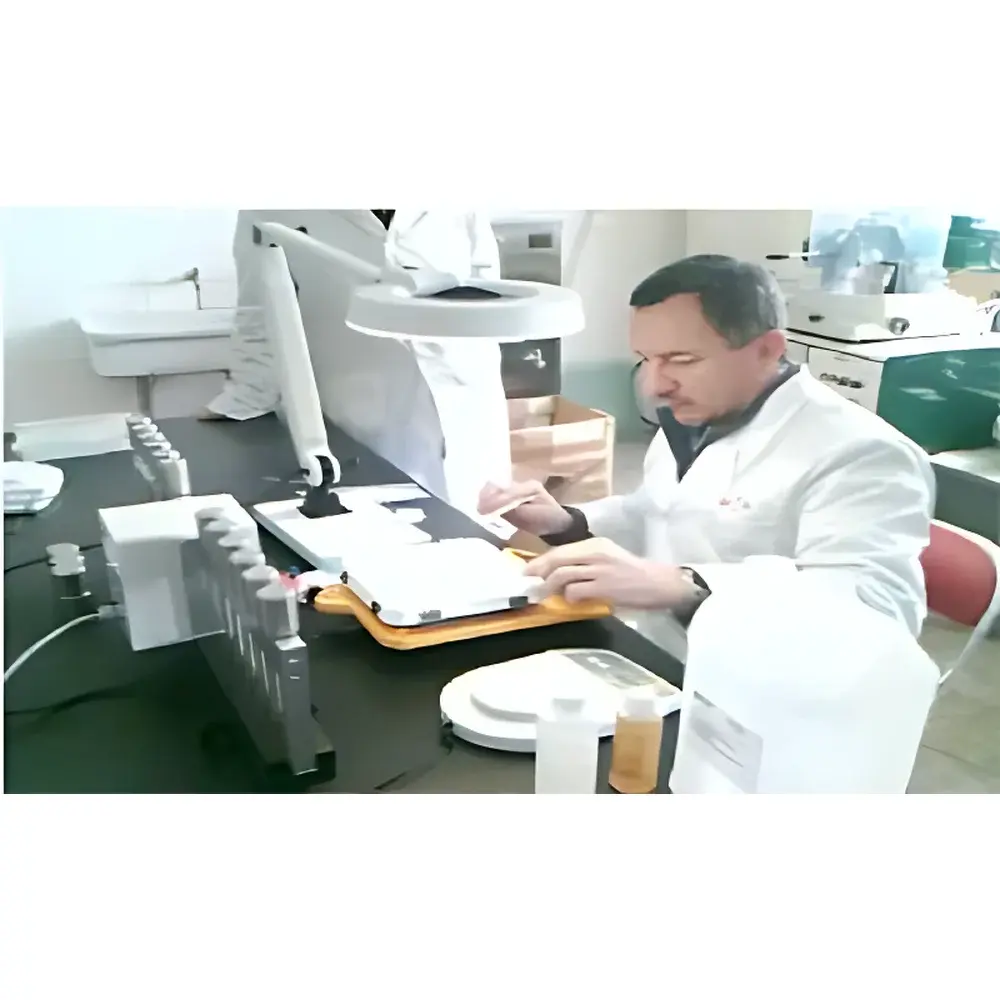
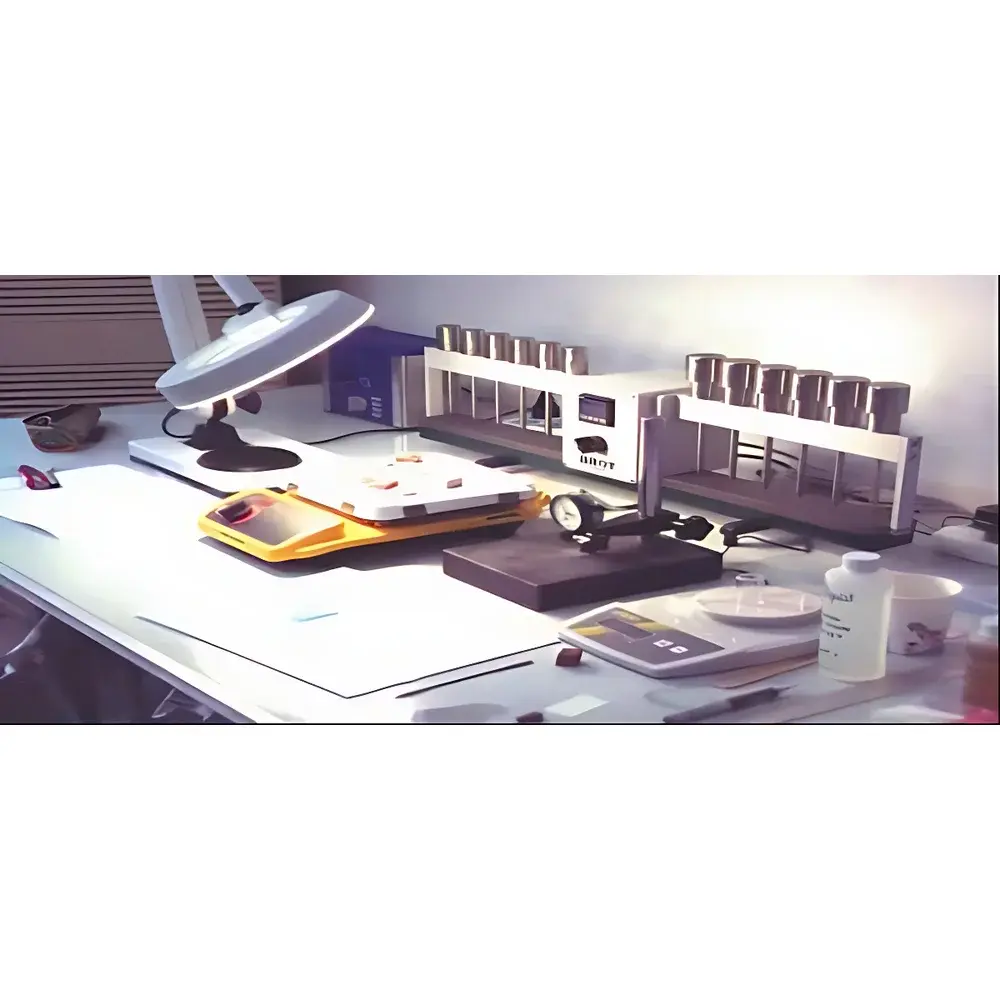
BROT-LAB J-04-02 Precision Sample Mounting System with Integrated Heating, Ultrasonic Cleaning, and Optical Inspection
| Brand | French BROT-LAB |
|---|---|
| Origin | France |
| Model | J-04-02 |
| Type | Electrically Heated Sample Mounting System for Thin-Section Preparation |
| Compliance | CE-marked, RoHS-compliant |
| Power Supply | 230 V AC, 50/60 Hz |
| Max. Operating Temperature | 120 °C (adjustable in 1 °C increments) |
| Heating Uniformity | ±2 °C across 150 mm × 150 mm surface |
| Ultrasonic Frequency | 40 kHz |
| Weight Capacity (Press Frame) | 5 kg (with calibrated loading bar) |
| Thickness Measurement Resolution | 1 µm (digital micrometer) |
| Balance Accuracy | 0.1 mg (0.0001 g), 210 g capacity |
Overview
The BROT-LAB J-04-02 Precision Sample Mounting System is an integrated, laboratory-engineered platform designed specifically for reproducible, contamination-controlled thin-section preparation in petrographic, geological, metallurgical, and materials science laboratories. It implements a thermally assisted adhesive bonding process grounded in controlled thermal activation of epoxy or thermosetting resins—enabling robust, bubble-free adhesion between polished sample blocks and glass or quartz mounting slides. Unlike conventional hot plates or standalone heating stages, the J-04-02 system orchestrates sequential, interdependent unit operations: ultrasonic degassing of substrates, precision pre-heating of samples to optimal resin viscosity range (typically 60–90 °C), optical inspection under magnification to detect interfacial voids, real-time thickness verification of reference standards, gravimetric dosing of adhesive agents, and finally, isostatic thermal compression within a gravity-loaded parallel-frame press. This end-to-end workflow minimizes operator variability and eliminates fluorescent interference—critical for subsequent cathodoluminescence (CL), electron backscatter diffraction (EBSD), or Raman microspectroscopy applications.
Key Features
- Integrated 40 kHz ultrasonic cleaning bath for removal of particulate residues and adsorbed moisture from sample surfaces prior to mounting
- Digital PID-controlled heating stage (150 mm × 150 mm active area) with ±0.5 °C stability and programmable ramp/soak profiles
- Binocular magnification station (10×–40× zoom) with coaxial LED illumination, enabling real-time detection of micro-bubbles or misalignment during slide placement
- Digital micrometer-based thickness verification module (0–25 mm range, 1 µm resolution) for calibration against NIST-traceable reference wafers
- High-precision analytical balance (210 g / 0.1 mg) integrated into the workstation for gravimetric control of resin-to-hardener ratios per ASTM D1238 Annex A3
- Gravity-driven parallel-frame press with calibrated loading bar (5 kg nominal force) ensuring uniform pressure distribution across the entire mounting interface
- CE-certified electrical architecture with thermal cutoff, ground-fault protection, and EMI-shielded control circuitry
Sample Compatibility & Compliance
The J-04-02 accommodates rigid, non-porous specimens up to 50 mm × 50 mm × 30 mm (L×W×H), including polished rock sections, sintered ceramics, alloy coupons, and semiconductor wafers. It supports standard 26 mm × 46 mm and 40 mm × 50 mm microscope slides, as well as custom quartz or low-fluorescence fused silica substrates. All wetted components are constructed from PTFE-coated stainless steel or borosilicate glass to prevent leaching or catalytic degradation of epoxy systems. The system complies with ISO 17025:2017 requirements for method validation in accredited testing laboratories and supports GLP documentation workflows through optional audit-trail logging (via RS-232 or USB-C interface). It is compatible with USP environmental controls when operated inside ISO Class 5 laminar flow hoods.
Software & Data Management
While the base J-04-02 operates via front-panel digital controls, optional firmware upgrade enables protocol storage (up to 20 user-defined temperature/time/pressure sequences), event timestamping, and CSV export of thermal logs and balance readings. Data output conforms to ASTM E2918-22 guidelines for digital record integrity and may be imported into LIMS platforms supporting HL7 or ASTM E1384 messaging. All electronic records include operator ID fields, instrument serial number, and cryptographic hash signatures to satisfy FDA 21 CFR Part 11 requirements for electronic signatures in regulated environments.
Applications
- Petrographic thin-section fabrication for transmitted light microscopy and point-count analysis (ASTM D2493)
- Preparation of polished metallographic mounts for automated grain size quantification (ISO 643)
- Mounting of brittle geological specimens prior to ion milling or FIB-SEM sectioning
- Production of standardized reference samples for XRF calibration curves
- Adhesive bonding of MEMS devices to test carriers for thermal cycling qualification
FAQ
What adhesive types are validated for use with the J-04-02 system?
Epoxy resins (e.g., Epofix®, Araldite® 2020), acrylics (e.g., ACCU-CAL™), and low-viscosity polyurethanes—provided their cure onset temperature falls between 65 °C and 95 °C.
Can the system be used for vacuum-assisted mounting?
No—the J-04-02 is not equipped with vacuum chambers or seals; it relies on thermal compression and surface tension management for void suppression.
Is calibration certification included with shipment?
Yes—a factory-issued calibration certificate traceable to COFRAC-accredited standards is supplied, covering thermal uniformity, balance accuracy, and micrometer linearity.
What maintenance intervals are recommended?
Ultrasonic bath descaling every 12 months; heating plate surface inspection for carbonization every 200 operating hours; annual verification of PID controller response time and thermal cutoff function.



