
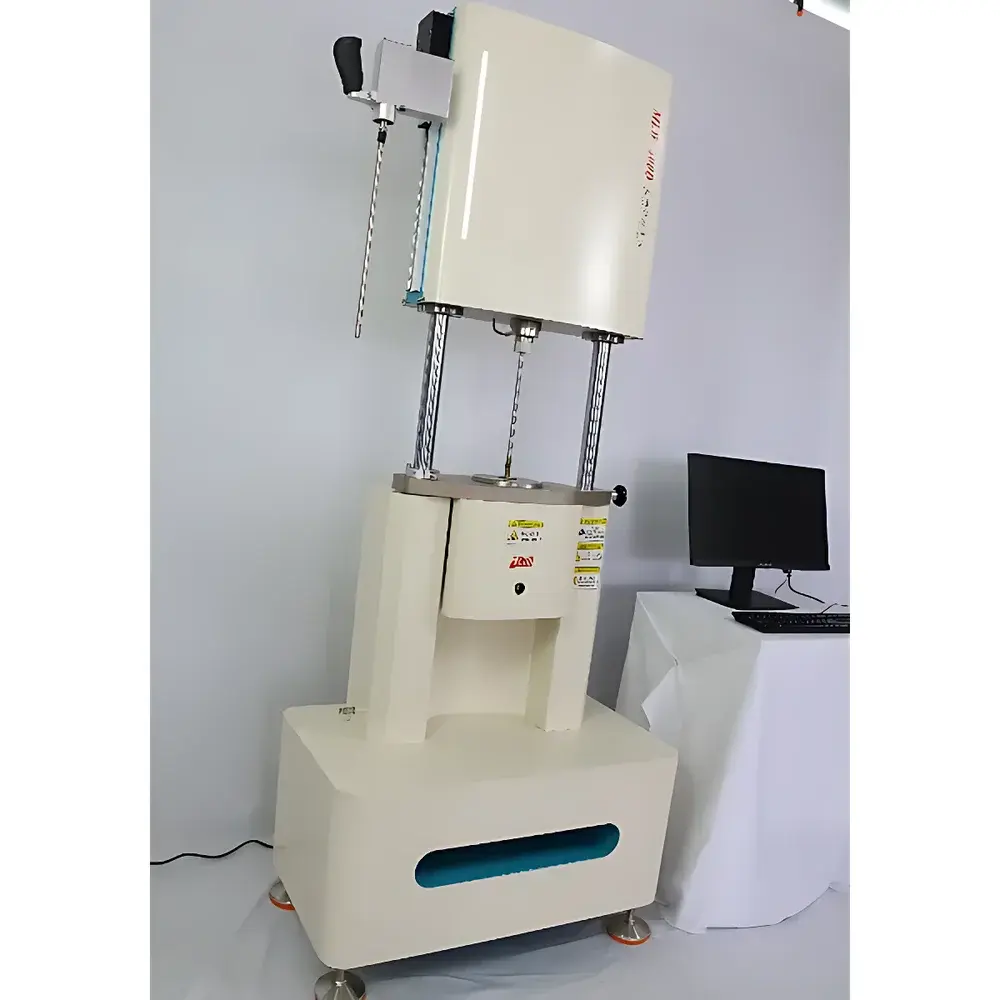
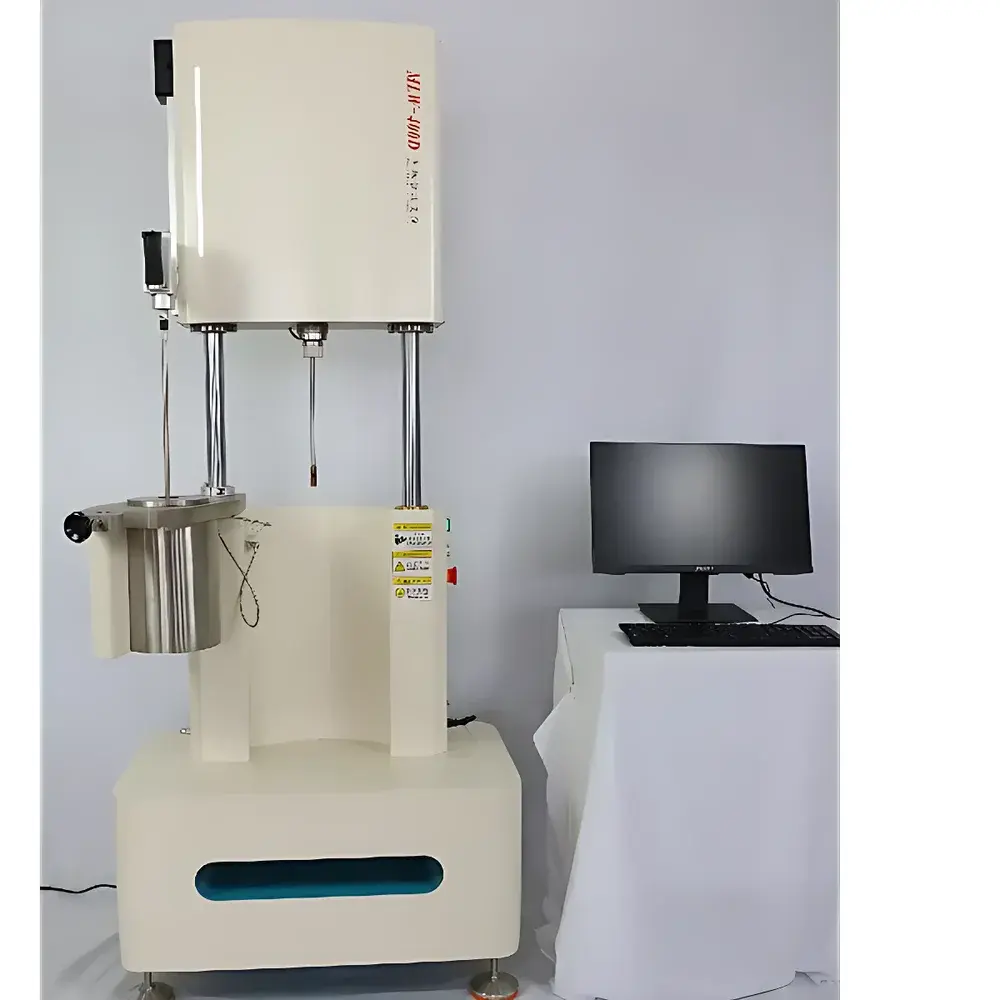
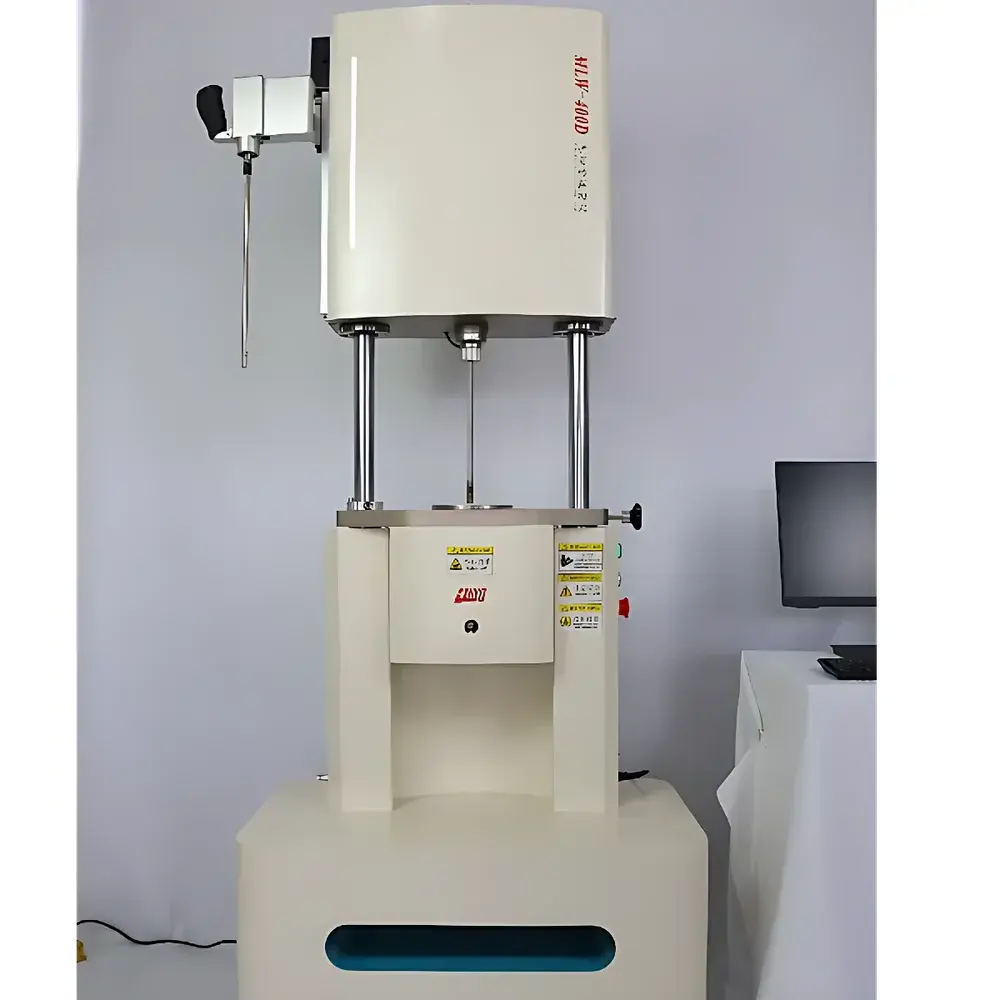
Changchun Intelligent MLW-400D Capillary Rheometer
| Brand | Changchun Intelligent |
|---|---|
| Origin | Jilin, China |
| Manufacturer Type | Authorized Distributor |
| Country of Origin | China |
| Model | MLW-400D |
| Instrument Type | Capillary Rheometer |
| Sample Type | High-Viscosity Polymer Melts |
| Sample State | Solid (pre-melt) / Molten State During Test |
| Drive System | Servo Motor–Driven Piston |
| Minimum Piston Speed | 0.001 mm/min |
| Maximum Piston Speed | 500 mm/min |
| Maximum Applied Load | 10 kN |
| Load Resolution | 1 part in 100,000 |
| Pressure Range | 1–50 MPa ±1% |
| Temperature Range | Ambient to 400 °C ±1 °C |
| Heating Rate | 1–10 °C/min, Continuously Adjustable |
| Temperature Accuracy | ±0.5 °C (Display), 0.1 °C Resolution |
| Die Geometry | Ø1×5, Ø1×10, Ø1×20, Ø1×40 mm (L/D = 5, 10, 20, 40) |
| Die Material | Tungsten Carbide |
| Plunger Diameter | φ11.28 mm (−0.012/−0.05 mm tolerance) |
| Plunger Cross-Sectional Area | 1.00 cm² |
| Displacement Measurement Accuracy | ±0.5% |
| Deformation Measurement Accuracy | ±1% |
| Software Compliance | Audit Trail, Data Integrity, Exportable ASCII/CSV Reports |
Overview
The Changchun Intelligent MLW-400D Capillary Rheometer is a computer-controlled, constant-pressure and constant-velocity piston-driven rheological instrument engineered for precise characterization of high-viscosity polymer melts under controlled thermal and mechanical conditions. It operates on the fundamental principle of capillary rheometry—applying known axial force to extrude molten polymer through standardized dies—and calculates shear stress, shear rate, apparent viscosity, and related flow parameters using the Bagley, Rabinowitsch, and Weissenberg–Rouse corrections. Designed to meet ISO 11443 (Plastics — Determination of the Fluidity of Polymers Using Capillary and Slit Rheometers) and HG/T 4300–2012 (Rubber — Determination of Rheological Properties Using Piston-Type Capillary Rheometers), the MLW-400D supports quantitative evaluation of thermoplastic melt behavior, including temperature-dependent viscosity profiles, flow activation energy, softening points, and crosslinking onset temperatures for thermosets.
Key Features
- Servo-motor–driven piston system with programmable speed range from 0.001 to 500 mm/min, enabling high-resolution flow curve acquisition across low- and high-shear regimes.
- High-stability temperature control system (ambient to 400 °C, ±1 °C accuracy) with adjustable heating rates (1–10 °C/min) and real-time digital monitoring (±0.5 °C display accuracy, 0.1 °C resolution).
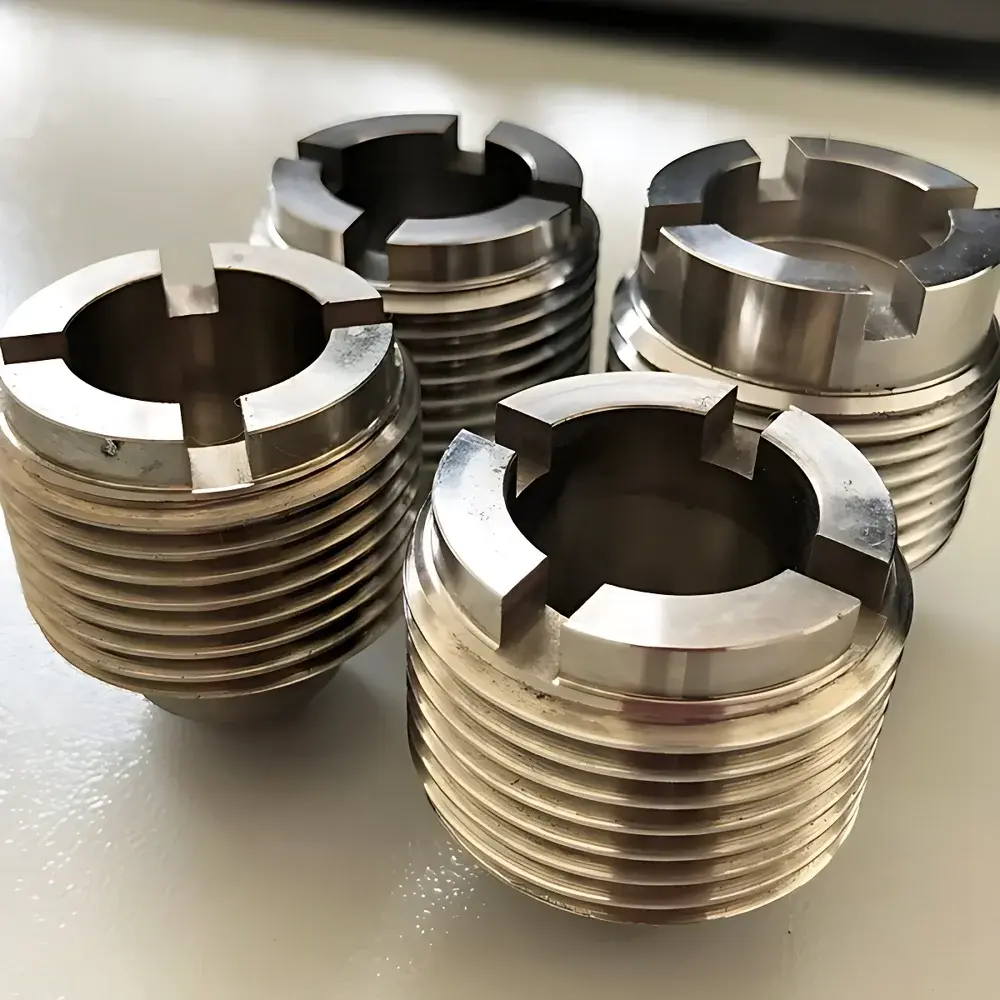
- Modular tungsten carbide die set (Ø1×5, Ø1×10, Ø1×20, Ø1×40 mm) ensures wear resistance, dimensional stability, and repeatability across extended testing cycles.
- Integrated high-precision load cell (rated 5–10 kN, ±1% full-scale accuracy, 100,000-count resolution) coupled with optical encoder–based displacement sensing (±0.5% accuracy) for robust pressure–flow data capture.
- Automated calculation engine implementing Bagley end-effect correction, Rabinowitsch wall-slip correction, and Poiseuille-based apparent viscosity derivation—outputting shear-thinning index, activation energy (Ea), and zero-shear viscosity estimates.
- Full compliance with GLP data integrity requirements: time-stamped test logs, user-access controls, electronic signatures, and audit-trail-enabled software architecture aligned with FDA 21 CFR Part 11 principles.
Sample Compatibility & Compliance
The MLW-400D accommodates solid polymer granules, pellets, or powder precursors that undergo thermal transition into homogeneous melts during testing. It is validated for use with thermoplastics (e.g., PE, PP, PS, PC, PBT), engineering resins (PA6, PEEK), elastomers (EPDM, SBR), and reactive thermoset formulations (epoxy, phenolic prepolymers). All measurements adhere to internationally recognized standards: ISO 11443 (capillary section), ASTM D3835 (standard test method for melt flow rates of thermoplastics), and HG/T 4300–2012. Calibration protocols follow traceable NIST-compatible reference oils and certified geometry verification procedures. The instrument’s mechanical and thermal design conforms to IEC 61000-6-2 (EMC immunity) and IEC 61000-6-4 (EMC emissions) for laboratory integration.
Software & Data Management
The proprietary Windows-based control and analysis suite provides real-time visualization of pressure, temperature, piston displacement, and extrudate mass flow. It supports multi-step thermal ramping, isothermal hold sequences, and dynamic load profiling. Raw data are stored in encrypted binary format with metadata embedding (operator ID, timestamp, calibration ID, environmental conditions). Export options include ASCII, CSV, and PDF report generation with customizable templates compliant with internal QA/QC documentation workflows. All software modules implement role-based access control, electronic signature validation, and immutable audit trails—ensuring full traceability for GMP/GLP-regulated environments. Data backups are configurable via network drive or USB storage with automatic versioning.
Applications
- Quantitative melt viscosity profiling for extrusion, injection molding, and blow molding process optimization.
- Determination of flow activation energy (Ea) via Arrhenius analysis across multiple isothermal conditions.
- Characterization of shear-thinning behavior and onset of wall slip in filled or nanocomposite systems.
- Thermal transition mapping: identification of softening points, melting ranges, and gelation/cure onset in thermosetting systems.
- Quality control of incoming polymer lots against specification limits for MFR/MVR equivalence.
- Research-grade formulation development for high-performance polymers requiring narrow molecular weight distribution validation.
FAQ
What standards does the MLW-400D comply with?
ISO 11443 (capillary method), HG/T 4300–2012, and ASTM D3835.
Can the instrument measure wall-slip effects?
Yes—via Rabinowitsch correction applied to raw capillary data using multiple die L/D ratios.
Is the software compliant with FDA 21 CFR Part 11?
It supports electronic signatures, audit trails, and data integrity features required for regulated environments.
What is the maximum operating temperature and its stability?
400 °C ±1 °C, with ramp rates adjustable from 1 to 10 °C/min and display resolution of 0.1 °C.
How is die wear managed over long-term use?
Tungsten carbide dies provide exceptional hardness (>1800 HV) and corrosion resistance, minimizing dimensional drift; periodic geometry verification is recommended per ISO 11443 Annex B.
Does the system support automated calibration routines?
Yes—load cell, temperature sensor, and displacement encoder calibrations are guided by on-screen wizards with certificate generation and expiry tracking.



