
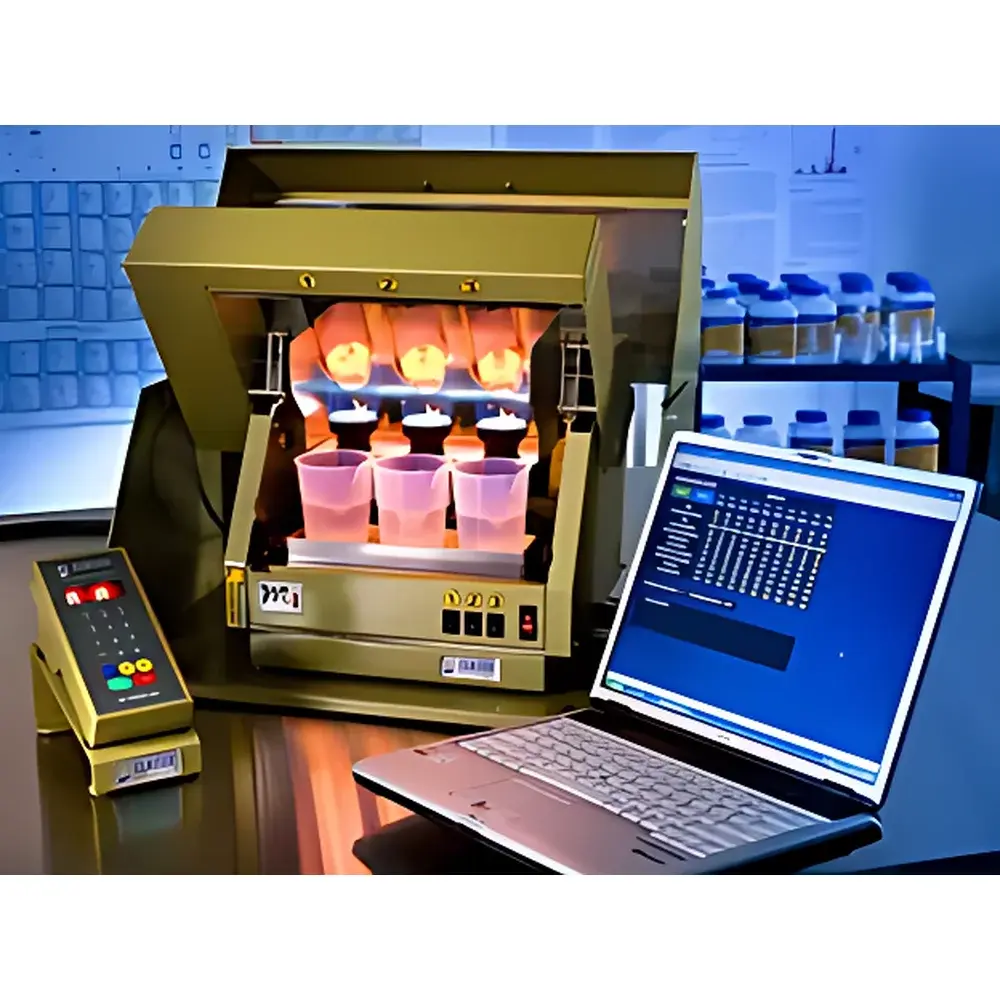
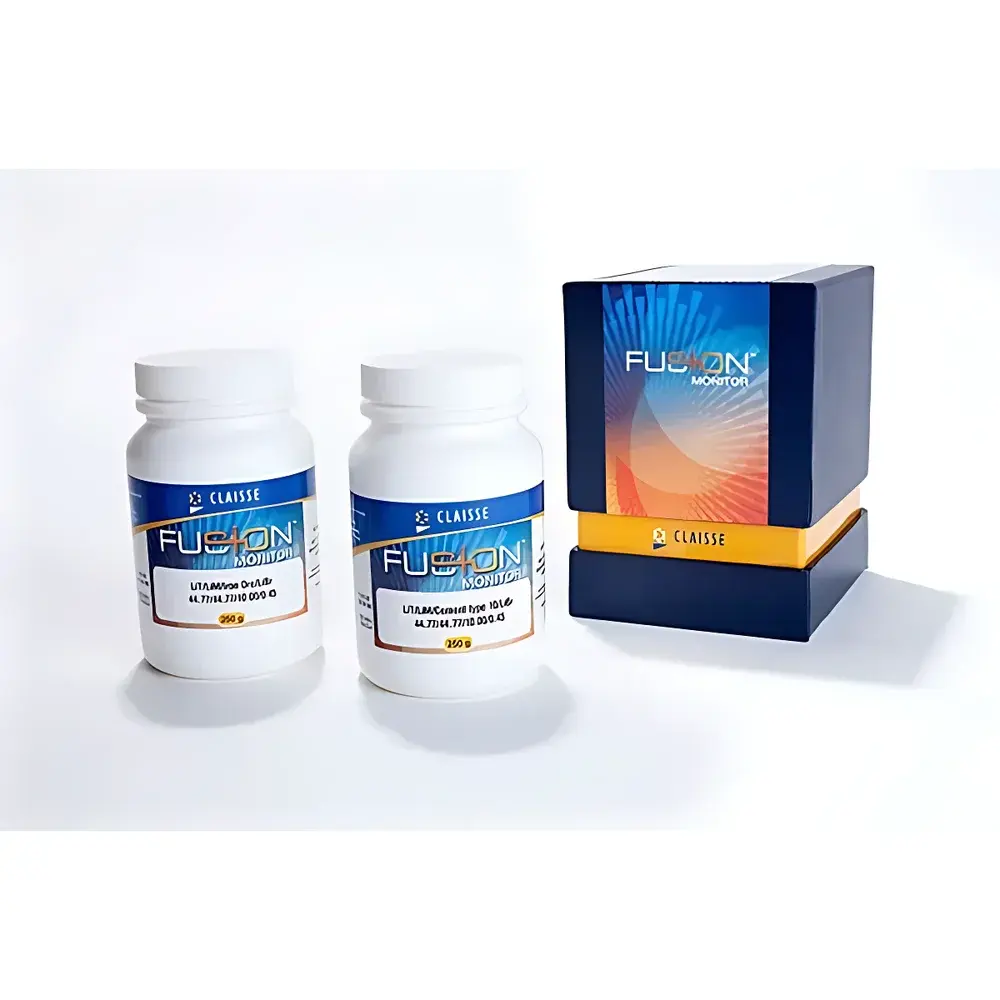
Claisse M4 Automated Gas-Fired Fusion Machine
| Brand | Claisse |
|---|---|
| Origin | Canada |
| Model | CLAISSE M4 |
| Temperature Control Accuracy | ±1 °C |
| Maximum Operating Temperature | 1250 °C |
| Sample Throughput | 12–15 samples/h |
| Dimensions (L×W×D) | 49×41×52 cm |
| Weight | 23 kg |
| Power Supply | 100/115/230 VAC, 100 W, 50/60 Hz |
| Fuel | Propane, Natural Gas or LPG |
| Fuel Input Pressure | 9±1 PSI (62±7 kPa) |
| Burner Count | 3 |
| Max. Heat Output | 98,000 BTU/h (29 kW/h) |
| Cooling | External Recirculating Water System |
| Programmable Parameters | Temperature, Rotation Speed, Tilt Angle, Cooling Duration |
| User Programs | 10 Customizable Methods |
| Data Logging Capacity | 1000 Sample Records |
| Crucible Compatibility | Lightweight Pt-Au (26–30 g) |
| Compliance | CSA, CE |
Overview
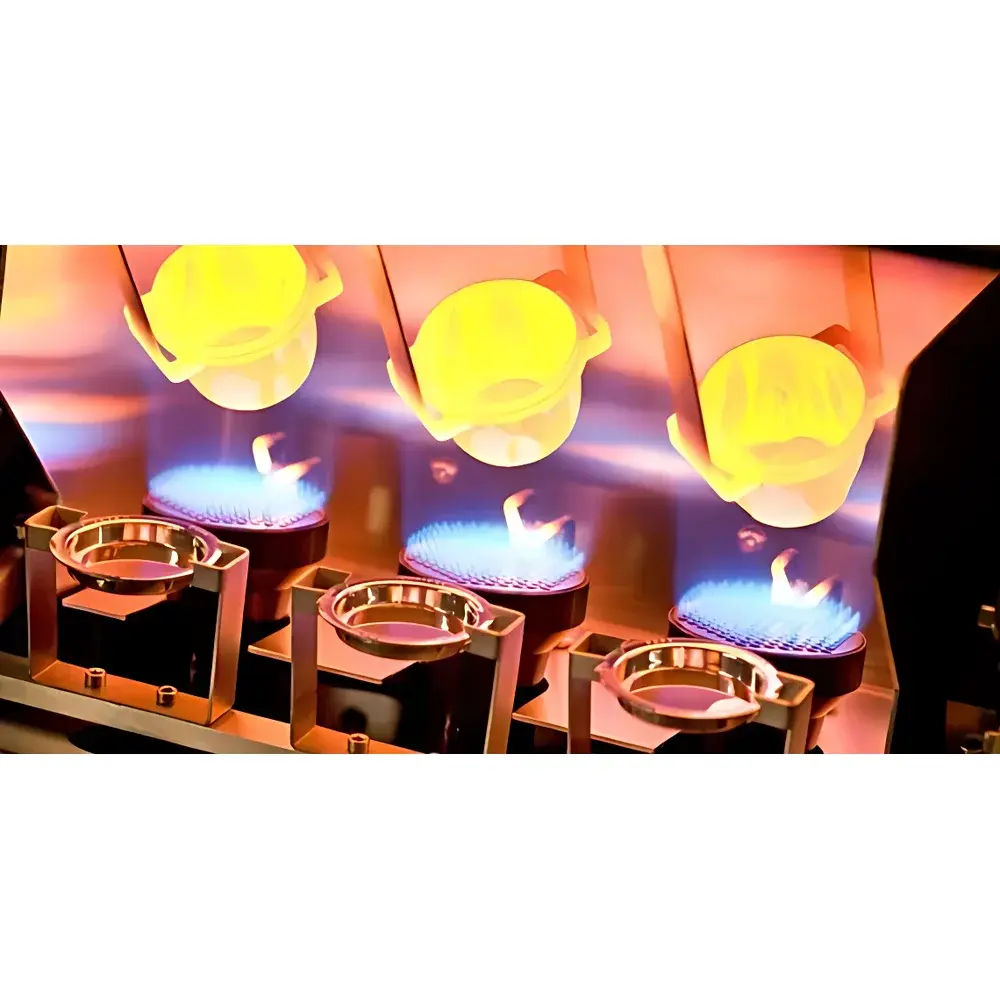
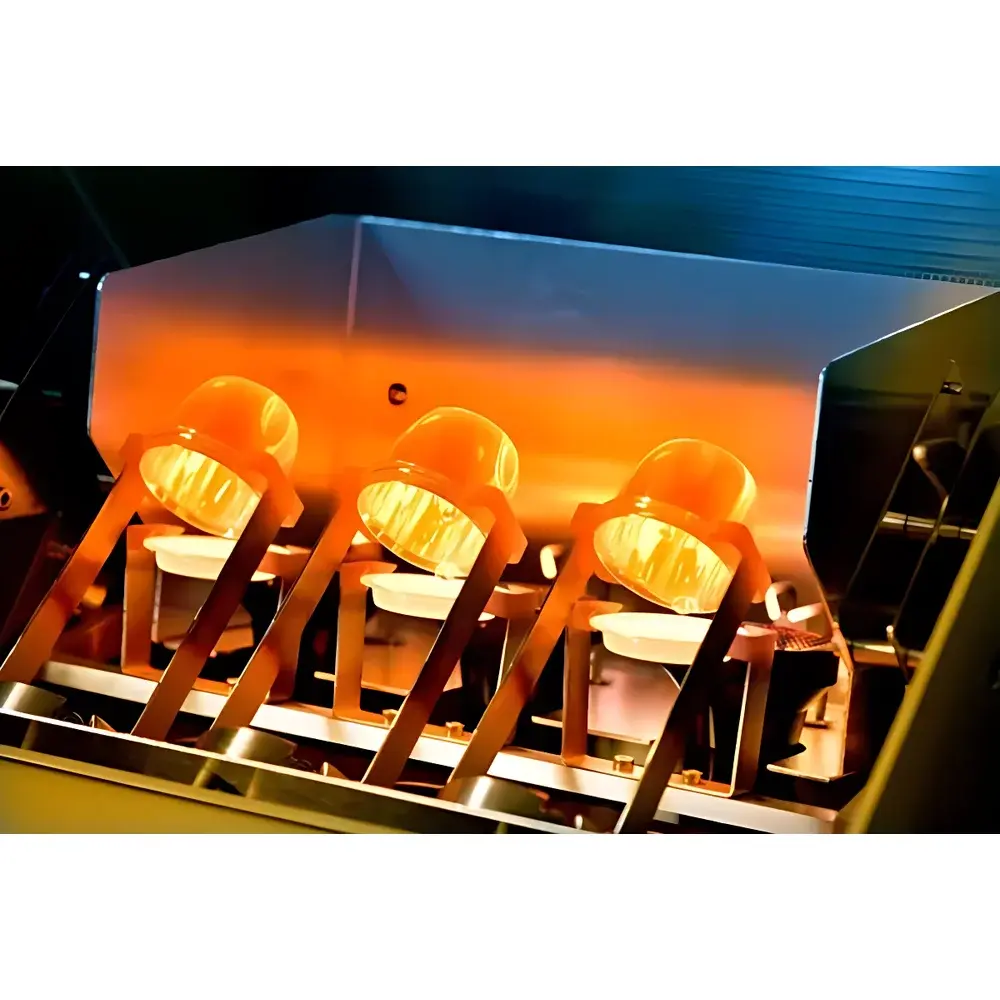
The Claisse M4 Automated Gas-Fired Fusion Machine is a precision-engineered sample preparation system designed for the reproducible, high-temperature fusion of inorganic materials into homogeneous glass discs or aqueous solutions—primarily for subsequent elemental analysis by X-ray Fluorescence (XRF), Atomic Absorption (AA), and Inductively Coupled Plasma (ICP-OES/MS) techniques. Unlike electric resistance furnaces, the M4 employs a controlled gas-combustion heating architecture, delivering rapid thermal ramp rates and exceptional spatial temperature uniformity across the crucible volume via three independently regulated burners. Its core operational principle relies on convective and radiant heat transfer from stoichiometrically balanced flame envelopes surrounding each crucible, coupled with synchronized mechanical agitation—including programmable tilt and full 360° rotation—to ensure complete homogenization without localized overheating or volatile loss. This open-architecture design eliminates refractory insulation, removing sources of particulate contamination and enabling real-time visual monitoring of melt progression—a critical advantage during method development and troubleshooting.
Key Features
- Triple-burner gas-fired heating system with automatic ambient pressure compensation—ensures consistent performance at altitudes up to 3,000 m above sea level.
- Programmable mechanical motion control: independent adjustment of tilt angle, rotation speed, and dwell time during fusion and cooling phases.
- Open-chamber construction with no ceramic fiber insulation—eliminates risk of furnace debris contamination and supports optical verification of melt homogeneity.
- External recirculating water cooling circuit—no consumables (e.g., heating elements or refractory bricks) require periodic replacement.
- 100-step temperature resolution and ±1 °C control accuracy—enabling precise management of volatile element retention (e.g., As, Sb, Pb, Zn) during high-temperature fluxing.
- Support for lightweight Pt–Au crucibles (26–30 g), reducing precious metal inventory cost and thermal mass for faster cycle times.
- Single-station operation capability—optimizes energy efficiency and accommodates variable throughput demands without compromising method integrity.
- No compressed air or auxiliary oxygen supply required—simplifies laboratory infrastructure integration and reduces operational overhead.
Sample Compatibility & Compliance
The M4 accommodates a broad spectrum of geological, metallurgical, and industrial matrices including oxides, carbonates, silicates, sulfides, fluorides, cementitious materials, slags, ceramics, soils, ores, alloys (Fe-, Al-, Ni-based), polymers, catalysts, and pure metals. It complies with ASTM D5630 (ash fusion temperature), ISO 8501-1 (surface preparation), and relevant sections of USP and EP 2.2.27 for fused bead preparation prior to XRF quantification. All electrical and combustion subsystems meet CSA C22.2 No. 61010-1 and CE EN 61010-1 safety standards. The instrument’s combustion emissions—CO2 and H2O only—conform to ISO 14001 environmental management principles and are fully compatible with standard laboratory fume hood exhaust protocols.
Software & Data Management
The M4 integrates seamlessly with Windows-based Claisse FuserSoft™ software via RS-232 or USB interface. Users can define, store, and recall up to ten fully customizable fusion methods—including multi-stage temperature ramps, dynamic tilt profiles, rotational acceleration curves, and post-fusion quench timing. Each run logs timestamped metadata: operator ID, sample ID, flux ratio, crucible lot number, final bead weight, and thermal history trace. Audit trails comply with FDA 21 CFR Part 11 requirements when configured with electronic signature authentication. Data export supports CSV, XML, and LIMS-compatible formats for traceability in GLP/GMP-regulated environments.
Applications
- Routine preparation of fused glass beads for major/minor/trace element quantification in XRF spectrometry—particularly for cement, clinker, slag, and geological survey samples.
- Digestion of refractory matrices (e.g., chromite, ilmenite, zircon) into stable aqueous solutions suitable for ICP analysis.
- Method validation and optimization studies requiring precise control over volatile loss kinetics—e.g., sulfur speciation in coal ash or halogen recovery in polymer ash.
- High-throughput quality control in mining laboratories where rapid turnaround of assay-ready samples is essential.
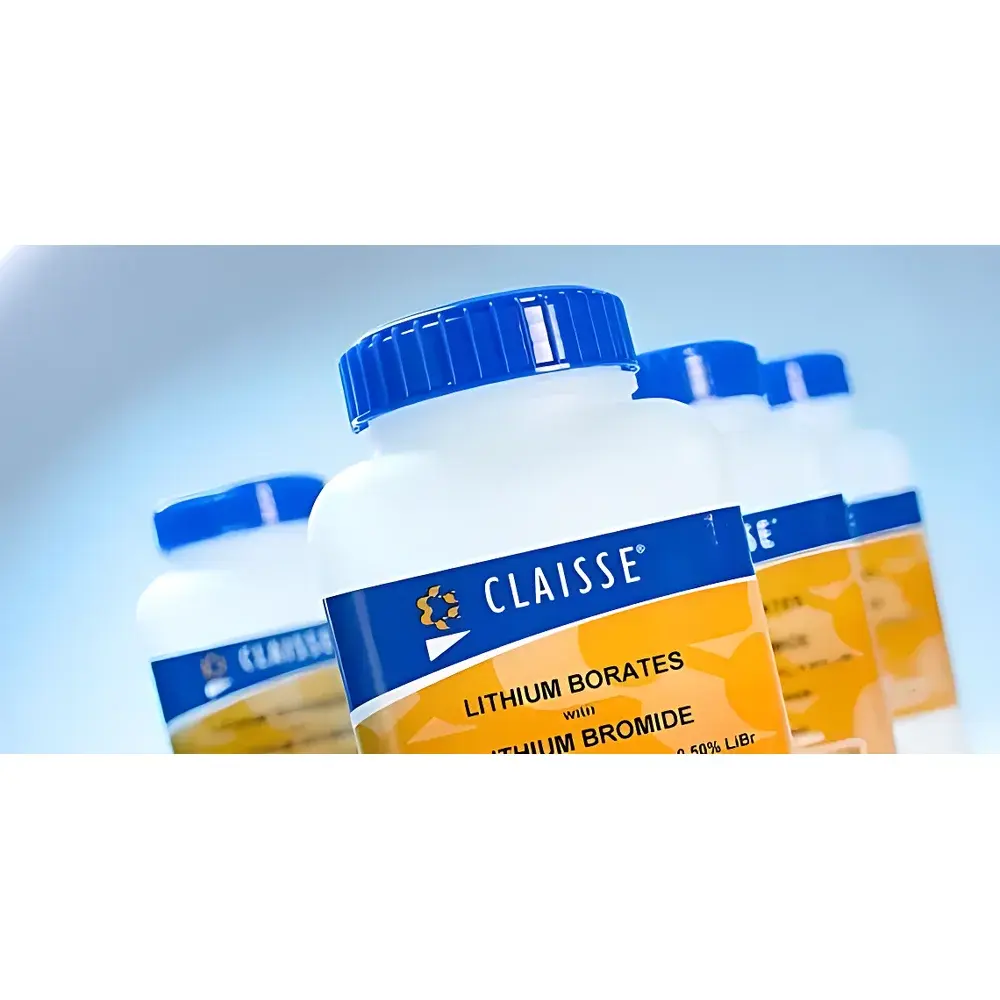
- Research applications involving novel flux formulations (e.g., Li-tetraborate/Li-metaborate blends) under rigorously documented thermal conditions.
FAQ
Does the M4 emit electromagnetic radiation that could interfere with nearby instrumentation or pose health risks?
No. The M4 utilizes catalytic-free, flame-based heating—free of induction coils, RF generators, or microwave emitters—and produces zero measurable electromagnetic interference (EMI) per CISPR 11 Class B limits. It is safe for deployment adjacent to electron microscopes, NMR systems, or sensitive analytical balances.
How does the instrument compensate for variations in atmospheric pressure at high elevations?
An integrated barometric sensor continuously monitors ambient pressure and dynamically adjusts fuel-air mixing ratios and ignition timing to maintain stoichiometric combustion and thermal stability—validated across test sites from sea level to 3,000 m.
What are the primary combustion byproducts of propane use in the M4?
Complete combustion of propane (C3H8) yields only carbon dioxide (CO2) and water vapor (H2O)—both naturally occurring atmospheric constituents—with no NOx, SOx, or particulate emissions under certified operating conditions.
Is the M4 suitable for long-term operation in harsh industrial environments?
Yes. Units deployed in steel mills, cement plants, and mineral processing facilities have demonstrated continuous operation exceeding 10 years under conditions of voltage fluctuation, dust ingress, and ambient temperature extremes—supported by field-replaceable modular components and globally available spare parts logistics.
What level of post-purchase technical support is provided outside North America and Europe?
Claisse maintains certified service centers in China, Japan, South Korea, Australia, and Brazil, with application specialists offering remote method development support, on-site training, and preventive maintenance contracts aligned with ISO/IEC 17025 laboratory accreditation requirements.
Related Products



