
Clean CS2768 SNEX ORP Electrode
| Origin | USA |
|---|---|
| Manufacturer Type | Authorized Distributor |
| Origin Category | Imported |
| Model | CS2768 |
| Pricing | Available Upon Request |
Overview
The Clean CS2768 SNEX ORP Electrode is a high-performance, industrial-grade redox potential sensor engineered for continuous, reliable operation in demanding process environments. Designed around the fundamental electrochemical principle of measuring the open-circuit potential difference between a noble metal (platinum) sensing element and a stable reference system—relative to the Standard Hydrogen Electrode (SHE)—this electrode delivers precise, drift-resistant ORP (Oxidation-Reduction Potential) measurements in millivolts (mV). Unlike laboratory-grade electrodes optimized for intermittent use, the CS2768 integrates robust mechanical architecture with chemically inert materials to withstand sustained exposure to aggressive aqueous media, including wastewater streams, electroplating baths, chlorine-dosed potable water systems, and chemical dosing loops. Its measurement fidelity is governed by Nernstian response kinetics and stabilized by the proprietary SNEX reference system, which minimizes liquid junction potential variability and eliminates the need for frequent refilling or gel replenishment.
Key Features
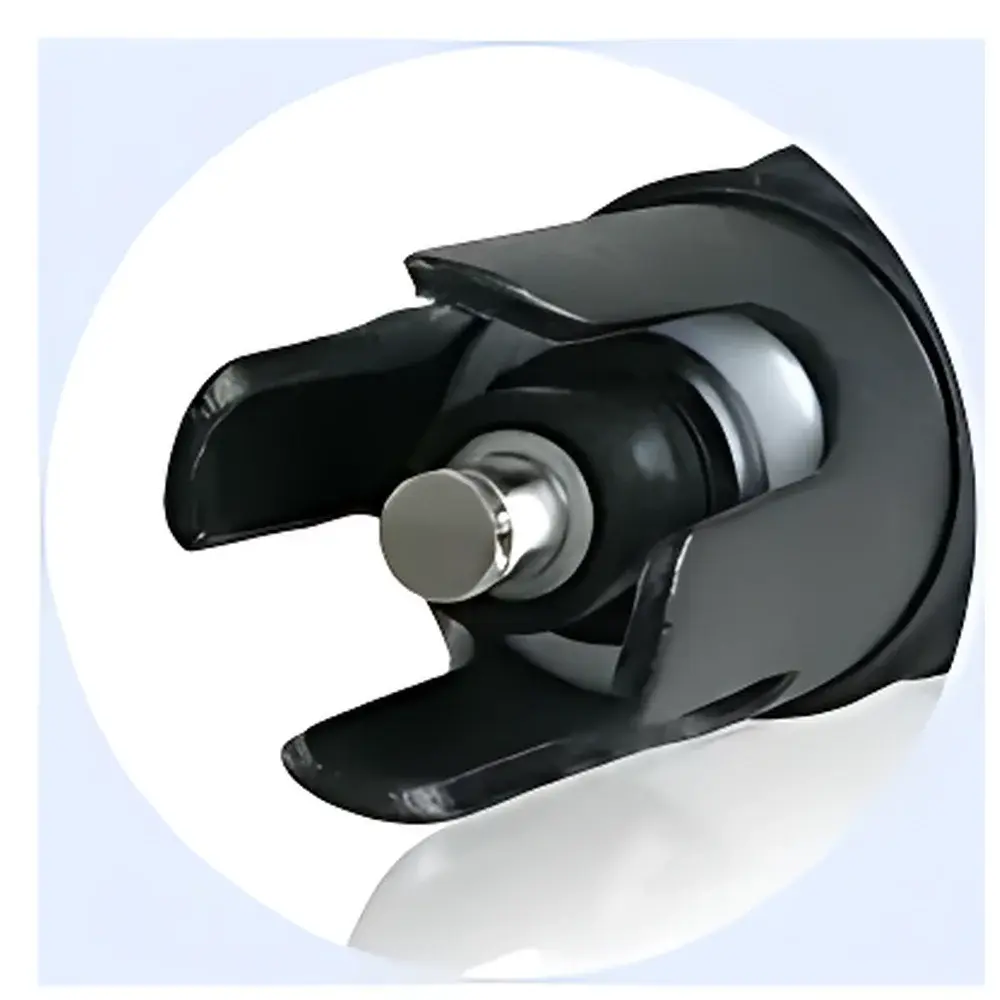
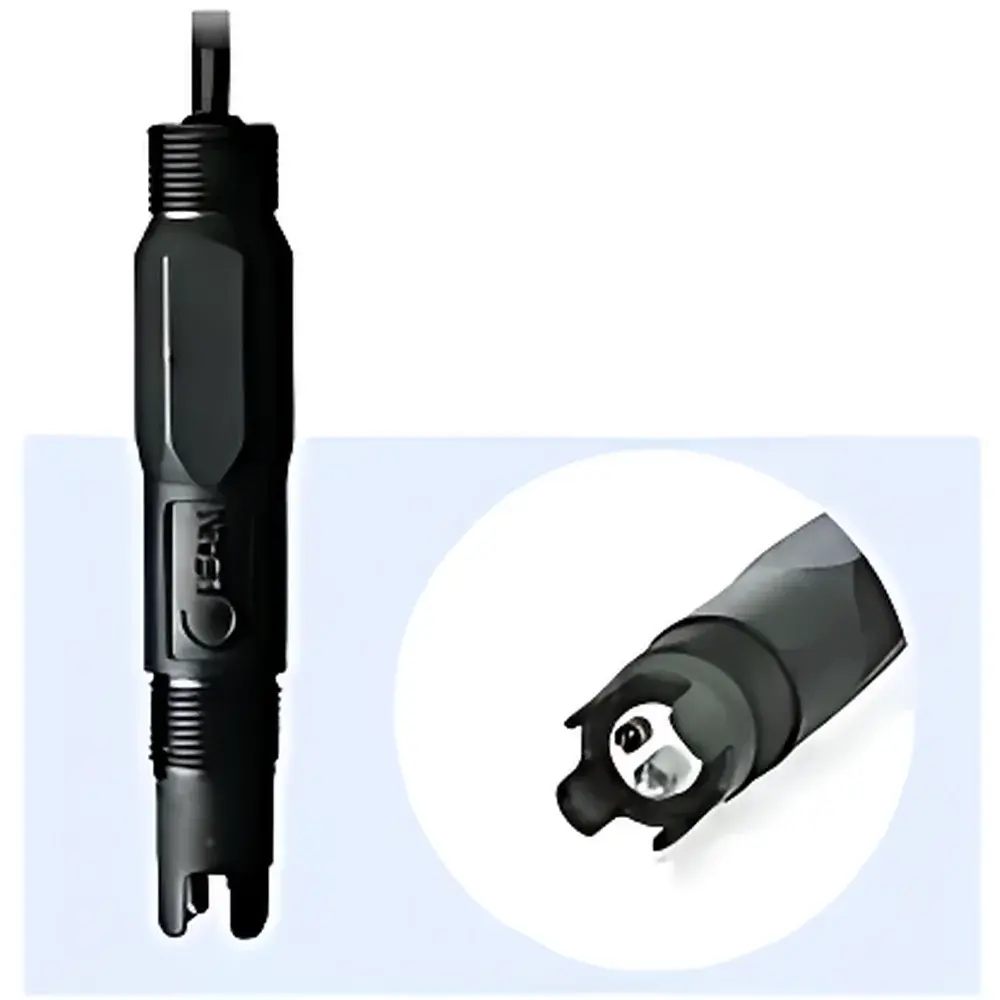
- Industrial dual-end 3/4″ NPT threaded housing fabricated from polyphenylsulfone (PPS), offering exceptional resistance to hydrolysis, UV degradation, and thermal cycling up to 90 °C
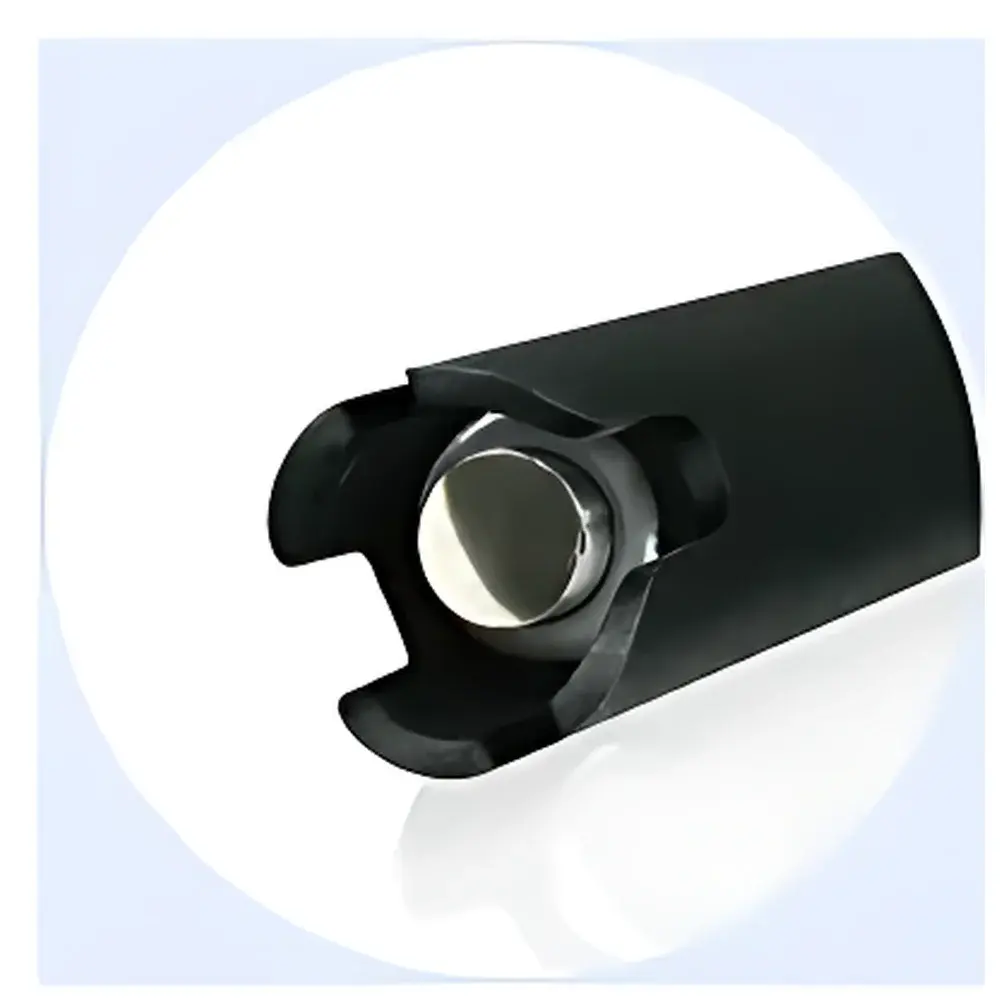
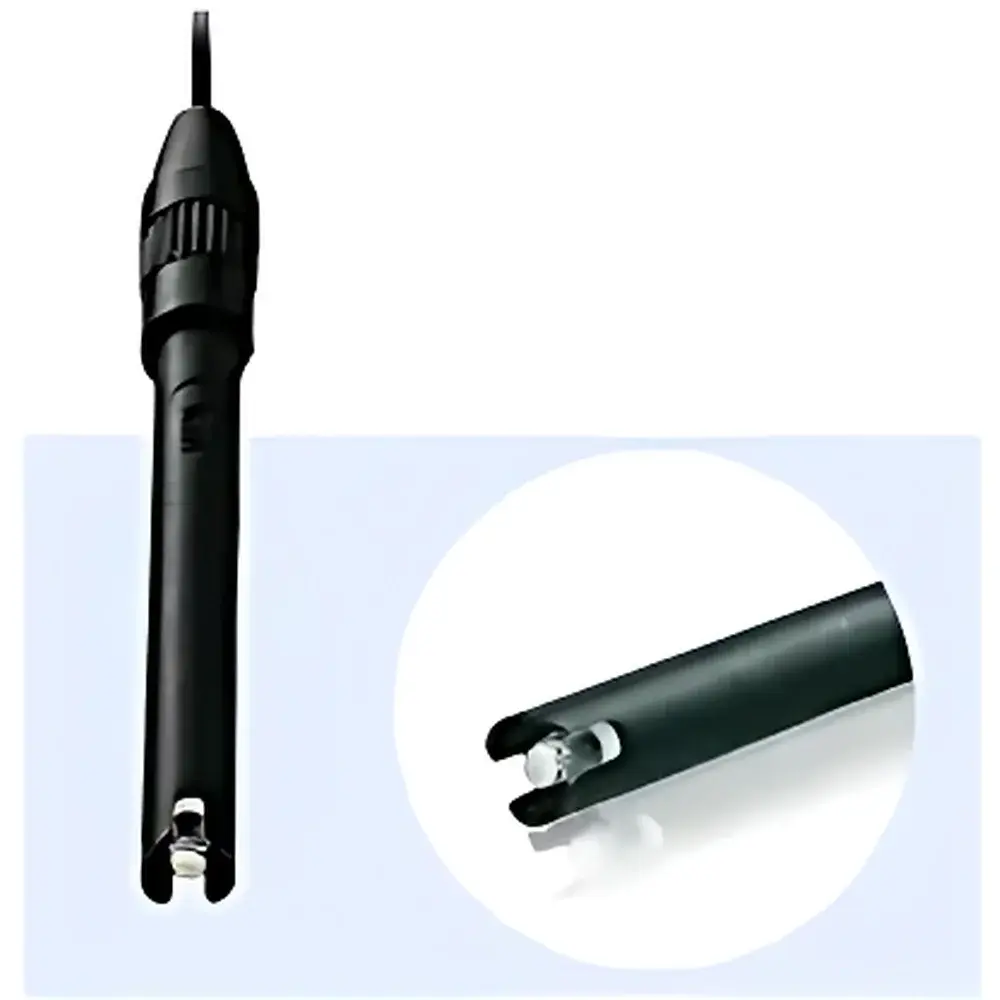
- Platinum (Pt) working electrode with polished, low-porosity surface geometry—optimized for rapid electron transfer kinetics and minimal polarization hysteresis
- SNEX reference system: a sealed, maintenance-free, polymer-based electrolyte matrix incorporating silver/silver chloride (Ag/AgCl) elements and immobilized 3 mol/L KCl gel—designed to suppress cation/anion migration and maintain stable junction potential under variable ionic strength conditions
- Pressure-rated construction certified for continuous operation at up to 20 bar (290 psi), enabling direct insertion into pressurized pipelines, filtration skids, and membrane bioreactors without external housings or pressure compensation
- No integrated temperature sensor—ensures electrical isolation and long-term stability in applications where thermal drift must be decoupled from redox measurement; compatible with external Pt100 or thermistor inputs via standard signal conditioning interfaces
- Hermetically sealed internal architecture with no moving parts or liquid-filled compartments—meets IP68 ingress protection and supports CIP/SIP cleaning protocols in regulated pharmaceutical and food processing environments
Sample Compatibility & Compliance
The CS2768 demonstrates broad compatibility across heterogeneous aqueous matrices, including municipal and industrial wastewater (COD > 500 mg/L), electroplating solutions (e.g., Ni²⁺, Cr⁶⁺, Cu²⁺ baths), chlorinated disinfection systems (free chlorine ≤ 10 ppm), and recirculating cooling tower water. It is not suitable for non-aqueous solvents, highly viscous slurries (> 10,000 cP), or strong reducing agents such as sodium dithionite (Na₂S₂O₄) without periodic recalibration. The electrode complies with ISO 10523 (water quality — determination of pH), ASTM D1293 (standard test method for pH of water), and supports GLP/GMP data integrity requirements when paired with compliant data loggers featuring audit-trail functionality per FDA 21 CFR Part 11. Its PPS body and SNEX reference system are REACH-compliant and RoHS 3-certified.
Software & Data Management
The CS2768 operates as a passive mV source and requires connection to a calibrated, high-impedance (> 10¹² Ω) input amplifier—such as those embedded in Clean’s CDM-4000 series transmitters or third-party PLC analog input modules (e.g., Siemens SIMATIC S7-1200 AI 8×13 bit). No proprietary software is required; output signals (typically −1500 to +1500 mV full scale) integrate seamlessly into SCADA, MES, or LIMS platforms via Modbus RTU/TCP or 4–20 mA current loop (with optional transmitter). When used with validated acquisition systems, raw mV data supports traceable calibration records, automated drift trending (±0.5 mV/week typical), and statistical process control (SPC) charting per ISO 9001 Annex A.2.
Applications
- Real-time monitoring of oxidation efficiency in ozone and UV-AOP (advanced oxidation process) reactors
- Control of redox setpoints in biological nutrient removal (BNR) systems—particularly anoxic denitrification zones
- Verification of passivation integrity in stainless steel pharmaceutical piping networks
- Process endpoint detection during chemical cleaning cycles in semiconductor wet benches
- Regulatory compliance reporting for EPA NPDES discharge permits requiring ORP-based effluent limits
- Electroplating bath health assessment through correlation of ORP with metal ion valence state (e.g., Cr³⁺/Cr⁶⁺ ratio)
FAQ
What is the recommended calibration frequency for the CS2768 in continuous industrial service?
Calibration is advised before initial installation and after any physical impact or exposure to extreme pH (12). Routine verification using standardized quinhydrone or Zobell’s solution (225 ± 5 mV at 25 °C) should occur every 7–14 days depending on process fouling risk.
Can the CS2768 be used in seawater applications?
Yes—its PPS body and SNEX reference resist chloride-induced corrosion; however, biofouling mitigation (e.g., periodic air purging or ultrasonic cleaning) is recommended for deployments exceeding 48 hours without maintenance.
Is the electrode compatible with explosion-proof enclosures?
The CS2768 itself contains no active electronics and may be installed inside Class I, Division 1 hazardous area enclosures when paired with intrinsically safe signal conditioners meeting IEC 60079-11 standards.
Does the SNEX reference system require replacement or refilling?
No—the SNEX system is permanently sealed and rated for ≥24 months of continuous operation under nominal conditions (25 °C, pH 4–9, <500 ppm suspended solids).
What is the minimum flow velocity required for accurate measurement?
A laminar flow velocity of ≥0.3 m/s is recommended to ensure representative sampling and minimize boundary layer effects; stagnant or low-flow applications require periodic manual agitation or insertion into a bypass loop with controlled flow.





