
DENSsolutions Climate In Situ Gas and Heating TEM Holder
| Brand | DENSsolutions |
|---|---|
| Origin | Netherlands |
| Model | Climate |
| Temperature Range | RT–1300 °C |
| Displacement Resolution | < 200 nm |
| Tensile Rate | ≤ 0.5 nm/min |
| Gas Environment | Up to 2 bar |
| Compliance | Compatible with Standard TEM/STEM Column Vacuum Interfaces |
| Application Domain | Materials Science, Catalysis, Nanomaterial Synthesis, Corrosion Studies |
Overview
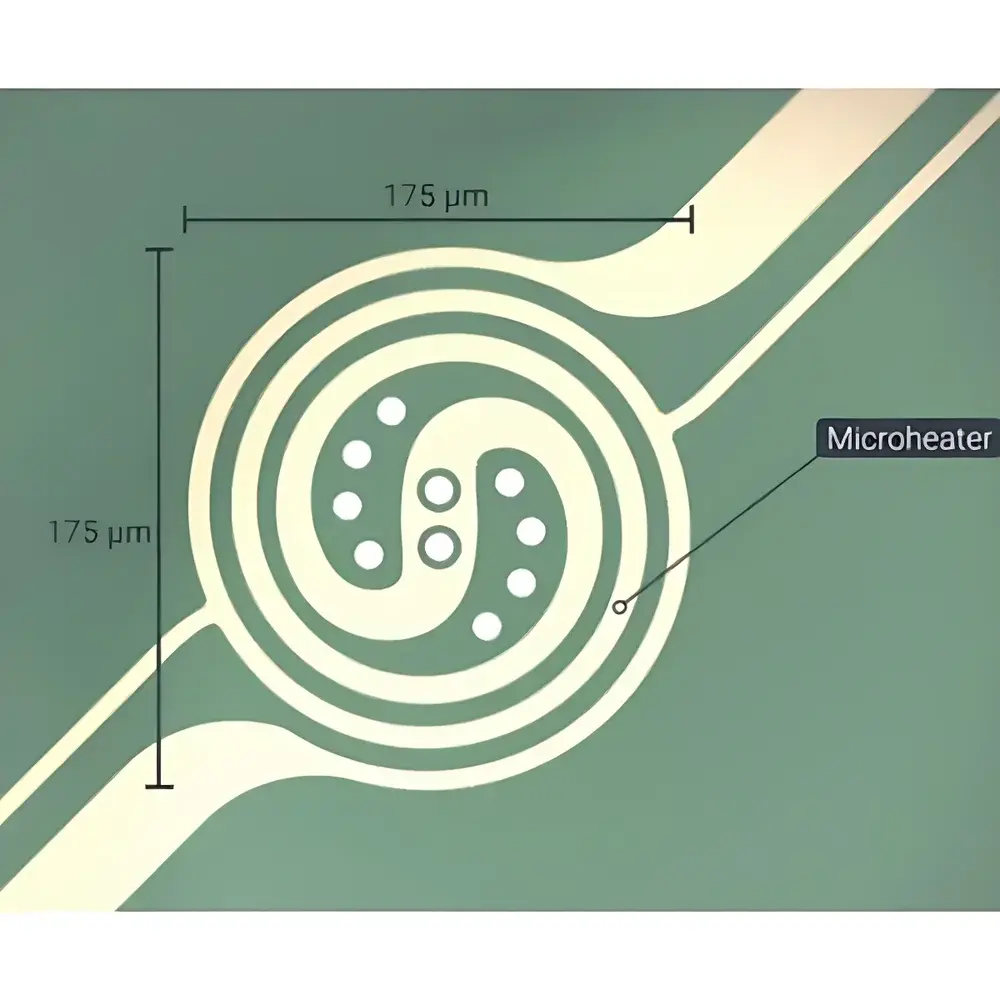
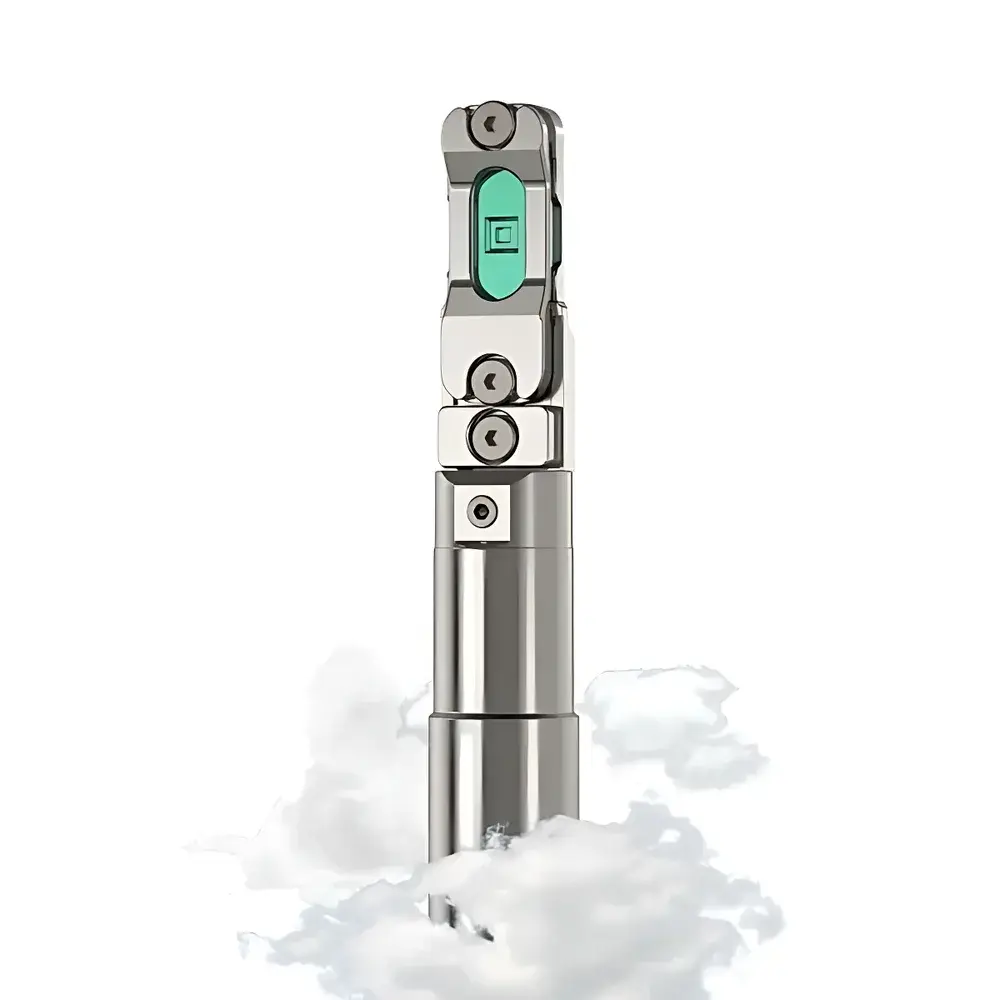
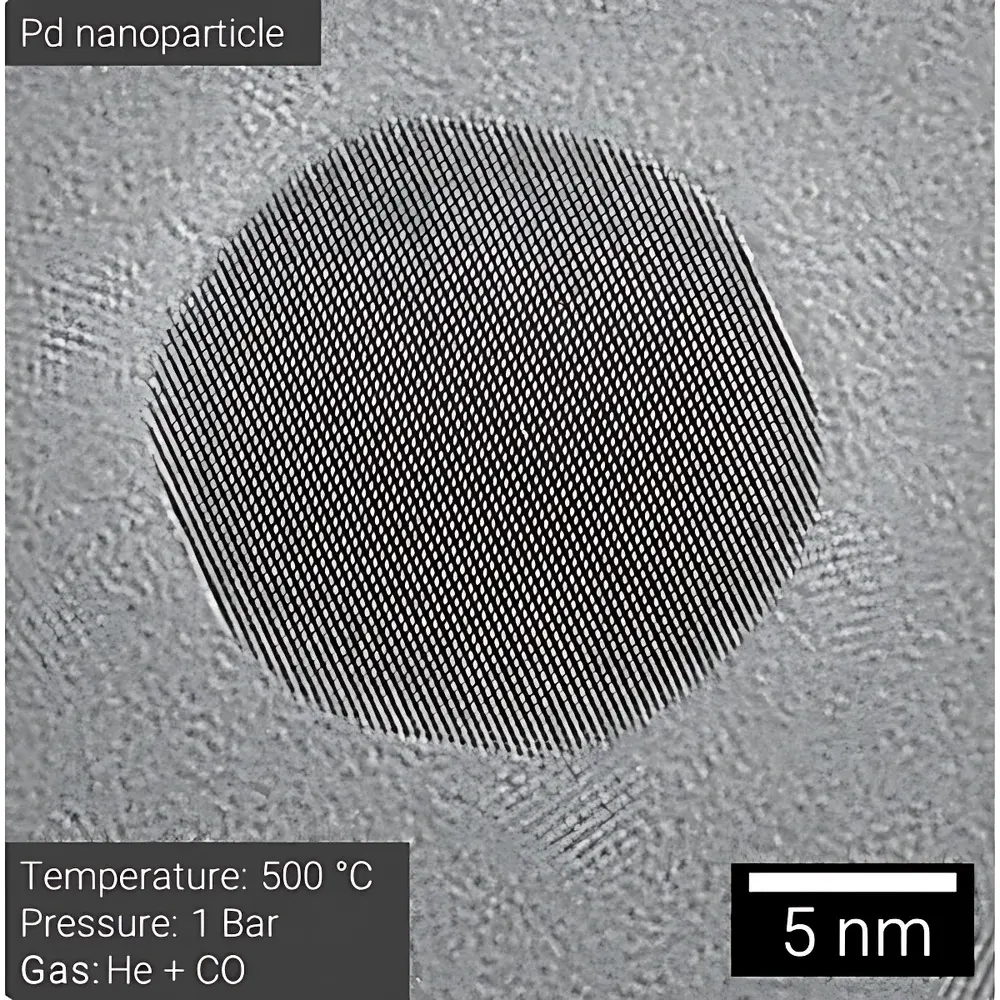
The DENSsolutions Climate In Situ Gas and Heating TEM Holder is an advanced MEMS-based in situ transmission electron microscopy (TEM) platform engineered for real-time, atomic-resolution observation of dynamic material behavior under controlled gaseous and thermal stimuli. Unlike conventional environmental TEM (ETEM) systems that compromise resolution due to pressure-limiting apertures or differential pumping constraints, the Climate holder integrates patented nanofabricated silicon nitride microchips and a fully sealed gas delivery pathway—enabling stable operation at up to 2 bar partial pressure while preserving sub-Ångström imaging fidelity in both TEM and STEM modes. Its core measurement principle relies on simultaneous, synchronized acquisition of structural (high-resolution imaging, diffraction), chemical (EELS, energy-dispersive X-ray spectroscopy), and thermodynamic (four-point resistance thermometry, calorimetric signal extraction) data during active gas-phase reactions. This enables true structure–function–kinetics correlation—particularly critical for catalytic surface reconstruction, oxide nucleation, vapor-phase etching, and nanowire growth mechanisms.
Key Features
- Dynamic Gas Control: Patented piezoelectric mixing valve allows real-time, millisecond-scale switching between up to four gases without venting or system re-equilibration; independent regulation of composition, absolute pressure (0.01–2 bar), and total flow rate (1–100 sccm).
- Vapor Integration Capability: Optional steam reactor module enables precise, isolated introduction of volatile precursors (e.g., H2O, NH3, organic vapors) into any carrier gas mixture, with dedicated temperature-controlled vaporization and mass-flow-controlled dosing.
- High-Fidelity Thermal Management: Four-point resistance thermometry embedded in the heating chip delivers traceable, drift-compensated temperature measurement with ±0.5 °C accuracy and long-term stability better than ±0.005 °C over 8-hour experiments at 1000 °C.
- Atomic-Resolution Stability: Active thermal and mechanical decoupling minimizes drift; achieves <200 nm positional resolution and ≤0.5 nm/min tensile control under continuous gas flow and heating—validated via lattice-fringe tracking and calibrated nanoparticle displacement assays.
- Multi-Modal Signal Compatibility: Optimized for high-collection-angle EDS (≥0.7 sr solid angle), low-loss EELS (with sub-10 meV energy resolution), and time-resolved imaging (up to 100 fps with direct detection cameras).
- Modular & Cleanable Architecture: All gas-wetted components—including microreactor chips, O-rings, and inlet filters—are user-replaceable without tooling; compatible with standard plasma cleaning protocols for cross-contamination mitigation.
Sample Compatibility & Compliance
The Climate holder supports standard 3-mm TEM half-grid specimens and accommodates freestanding nanomaterials (nanoparticles, nanowires, 2D flakes) or thin-film catalysts deposited on SiN membranes. It complies with ISO 14644-1 Class 5 cleanroom handling requirements and meets ASTM E2931-22 guidelines for in situ TEM experimental reporting. The gas delivery system adheres to EN 13445-3 for pressure equipment safety design. When operated with DENSsolutions’ certified gas analysis modules (e.g., integrated QMS or FTIR coupling), data acquisition satisfies GLP-aligned metadata logging standards, including timestamp-synchronized gas composition, pressure, temperature, and image frames—supporting audit readiness per FDA 21 CFR Part 11 when paired with validated Impulse software configurations.
Software & Data Management
Control and synchronization are managed via Impulse software—a deterministic, low-latency platform supporting hardware-triggered acquisition across multiple detectors (CCD, CMOS, EELS spectrometers, QMS). Impulse implements automated experiment scripting (Python API), real-time reaction progress monitoring (gas concentration vs. time overlays), and native export to HDF5 for FAIR-compliant data archiving. Calibration files (temperature vs. resistance, gas response factors) are digitally signed and version-tracked. Audit trails record all parameter changes, user logins, and instrument state transitions—enabling full reproducibility and regulatory compliance in industrial R&D and academic core facilities.
Applications
- Catalyst dynamic restructuring during CO oxidation, methane reforming, or NOx reduction under industrially relevant gas mixtures and temperatures (RT–1000 °C).
- In situ observation of vapor-phase epitaxy, CVD-driven nanowire growth, and selective etching kinetics in halogen or oxygen-containing atmospheres.
- Corrosion initiation and passive film evolution on metallic alloys exposed to humidified or sulfur-bearing environments.
- Thermally driven phase transformations (e.g., martensitic transitions, solid-state amorphization) coupled with reactive gas adsorption/desorption cycles.
- Electrode–electrolyte interphase formation in solid-state battery materials under simulated operating conditions (e.g., Li-O2, Na-S).
FAQ
Is the Climate holder compatible with aberration-corrected TEMs?
Yes—it maintains mechanical and thermal stability requirements for Cs-corrected instruments operating at 80–300 kV, with verified performance on Thermo Fisher Titan, JEOL ARM, and Hitachi HT7800 platforms.
Can I perform quantitative EELS during gas-phase heating experiments?
Yes—the holder’s low-noise electrical architecture and optimized chip geometry minimize charging and beam-induced artifacts, enabling reliable low-loss and core-loss spectral acquisition even at 1000 °C and 2 bar.
Does the system support integration with external mass spectrometry?
Yes—via standardized vacuum feedthroughs and time-synchronized TTL triggers; DENSsolutions provides documented interface protocols for Pfeiffer, Hiden, and Stanford Research Systems QMS units.
What maintenance is required between experiments?
Routine inspection of microchip integrity and O-ring seating is recommended; full cleaning (plasma/O2 ash) is advised after exposure to carbonaceous or sulfur-containing precursors.
Is training provided for Impulse software and experimental protocol development?
Yes—DENSsolutions offers on-site and remote application specialist-led workshops covering experiment design, calibration validation, and data correlation workflows for catalysis, corrosion, and nanomaterial synthesis use cases.




