
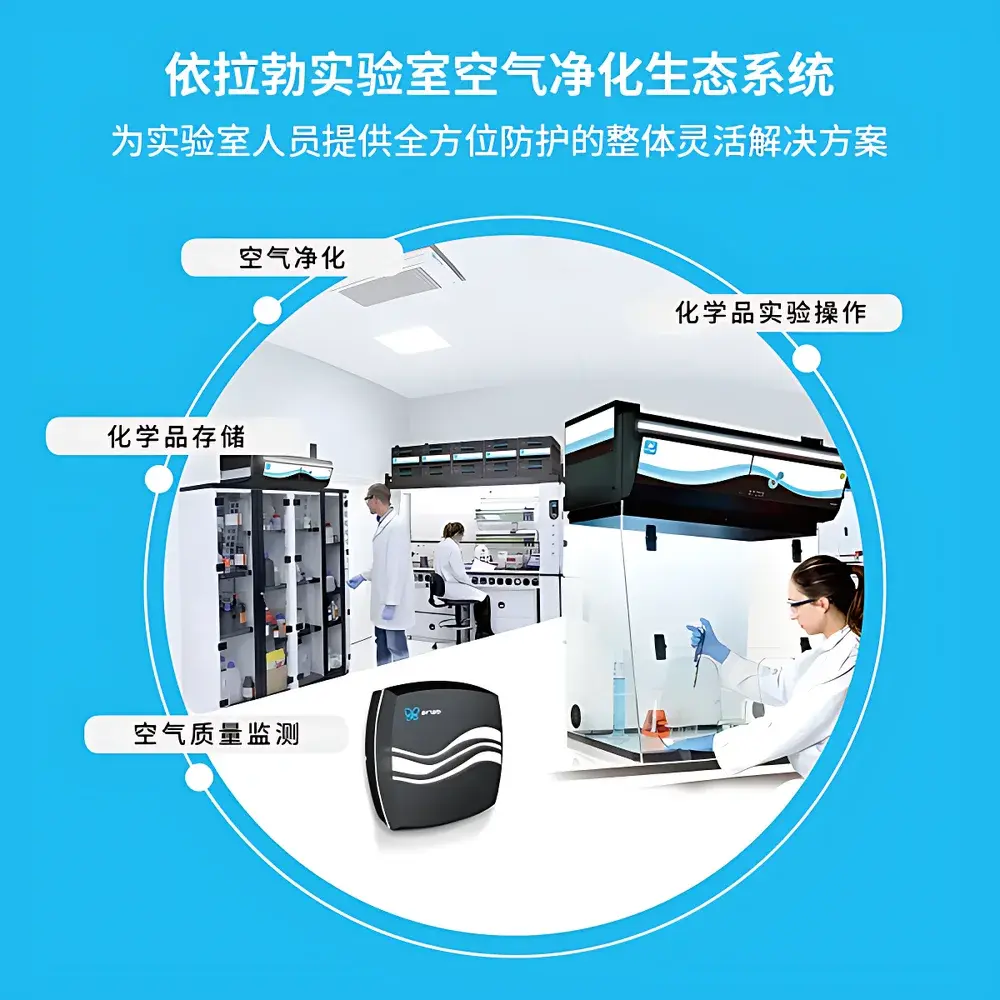
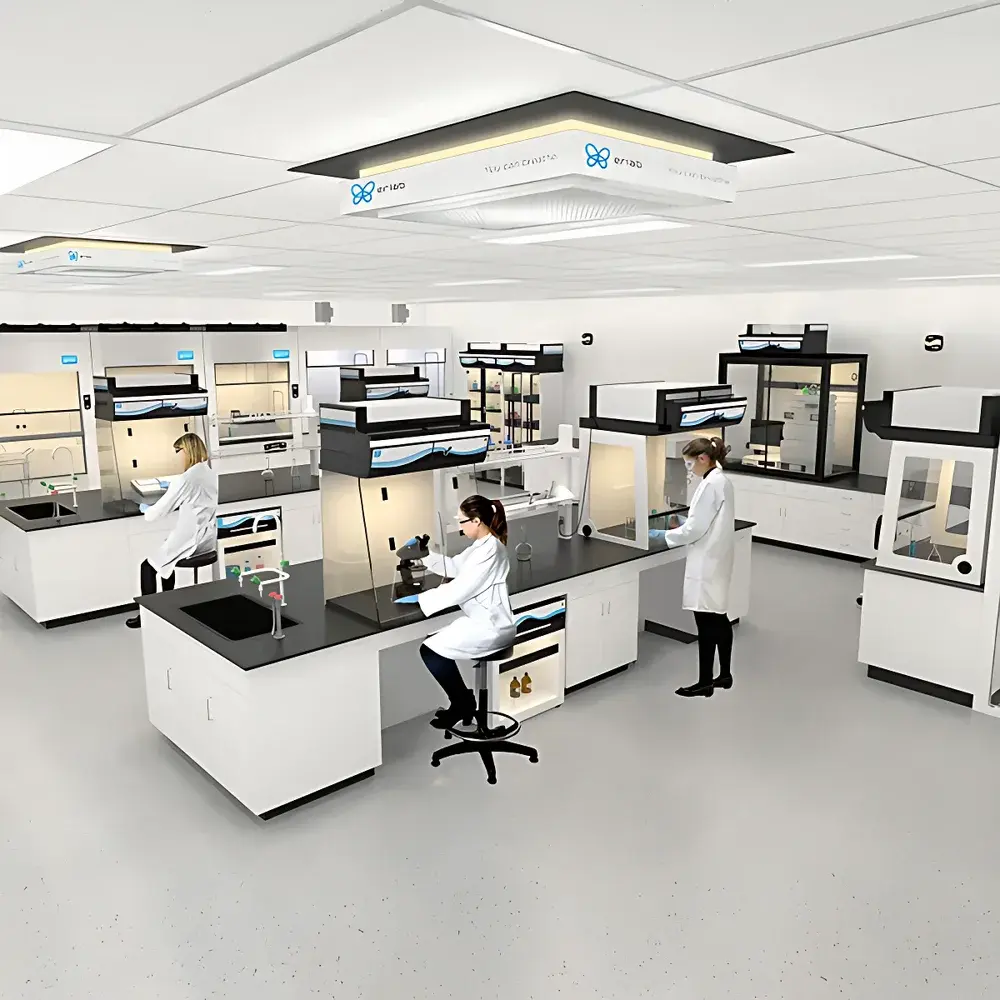
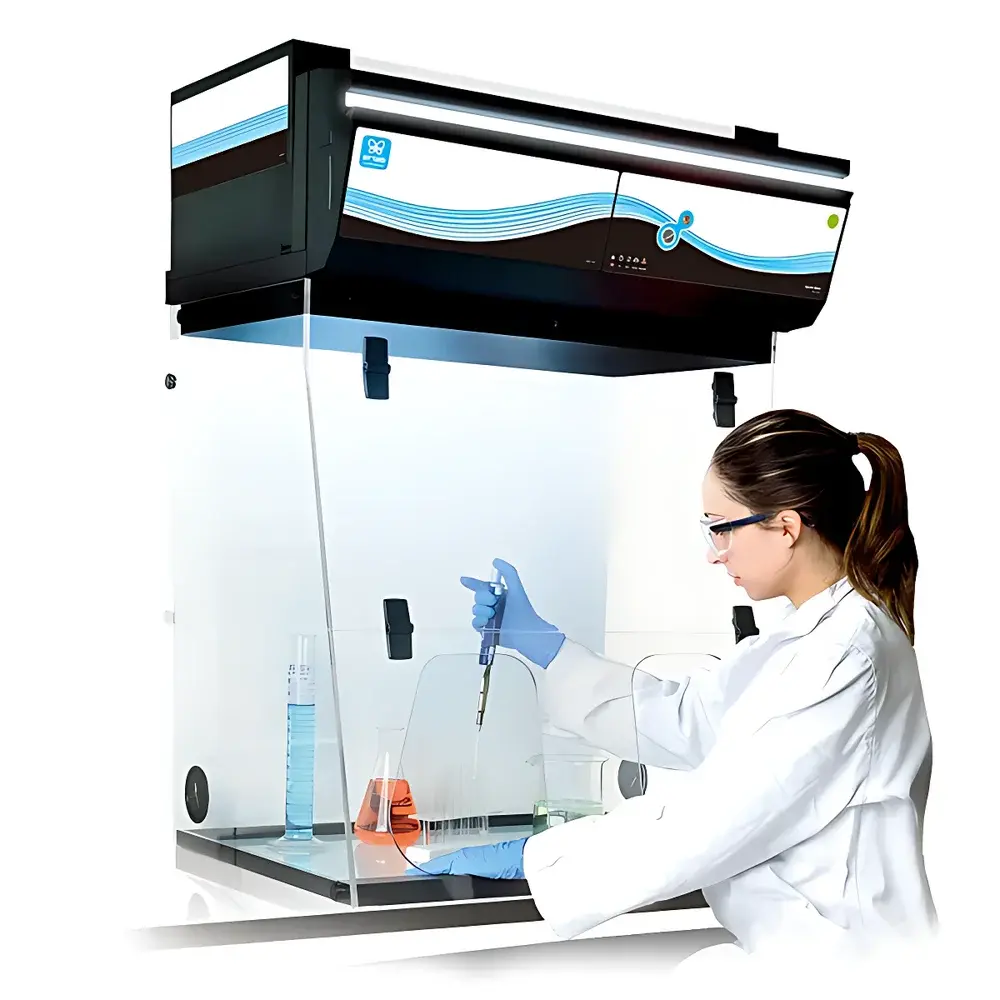
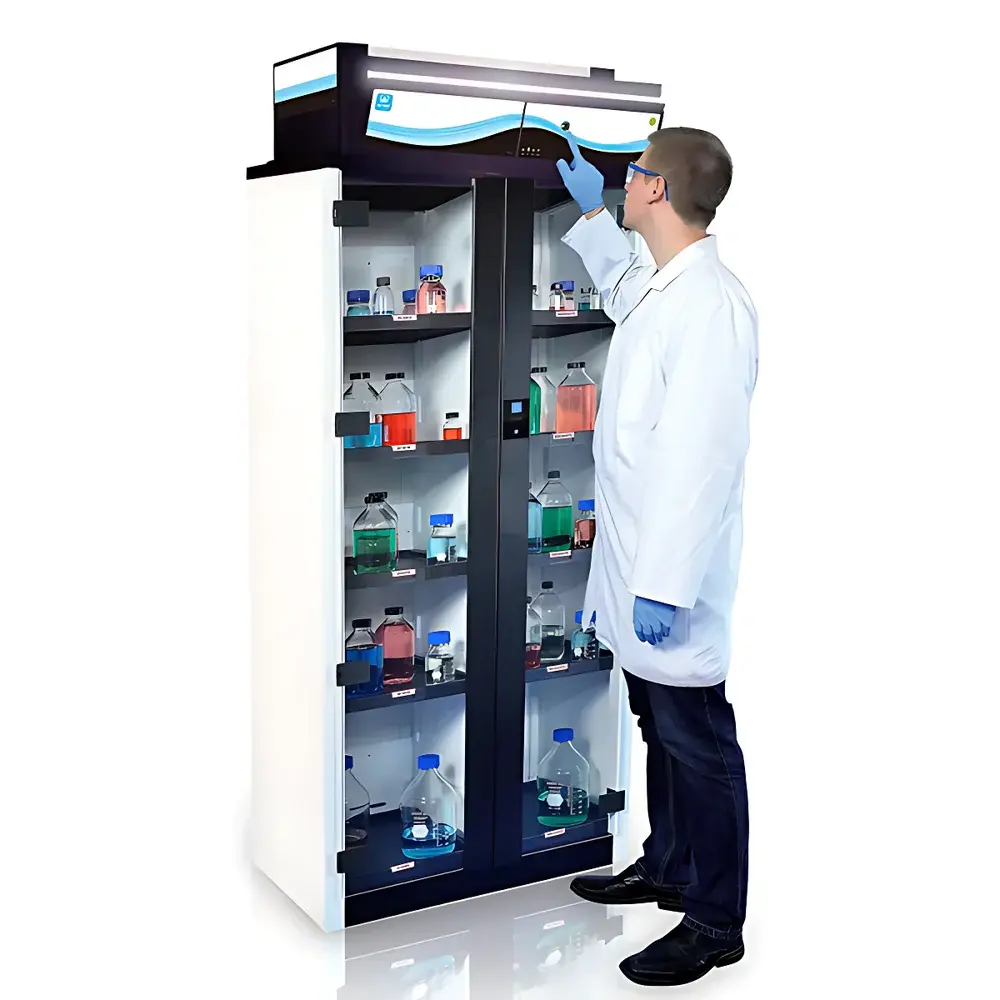
Erlab Ecosystem Laboratory Air Purification Ecosystem
| Brand | Erlab |
|---|---|
| Origin | Jiangsu, China |
| Manufacturer Type | Authorized Distributor |
| Country of Origin | China |
| Model | Ecosystem |
| Price Range | USD 42,000 – 70,000 |
Overview
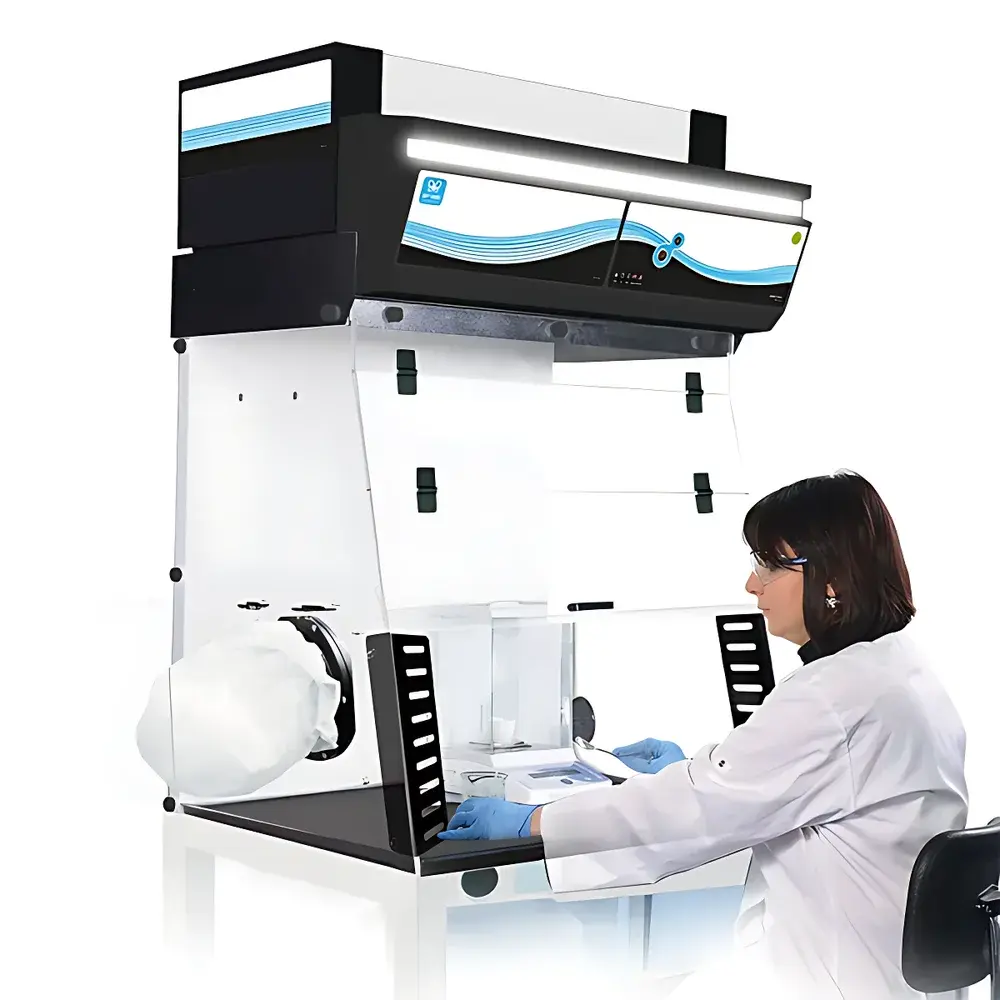
The Erlab Ecosystem is an integrated, modular laboratory air purification platform engineered to mitigate inhalation exposure risks across the entire chemical handling workflow—from reagent storage and precision weighing to instrument operation and ambient air management. Unlike standalone fume hoods or point-source air cleaners, the Ecosystem applies a systems-level approach grounded in source capture, multi-stage adsorption filtration, real-time environmental monitoring, and continuous background air purification. Its architecture aligns with occupational hygiene principles defined in ISO 16000-23 (indoor air—determination of formaldehyde and other carbonyl compounds), OSHA Technical Manual Section VI (Laboratory Safety), and EU Directive 2004/37/EC (carcinogens and mutagens). Designed for laboratories operating under OEB3–OEB5 containment requirements, the Ecosystem delivers layered protection without requiring structural ductwork or facility HVAC modification.
Key Features
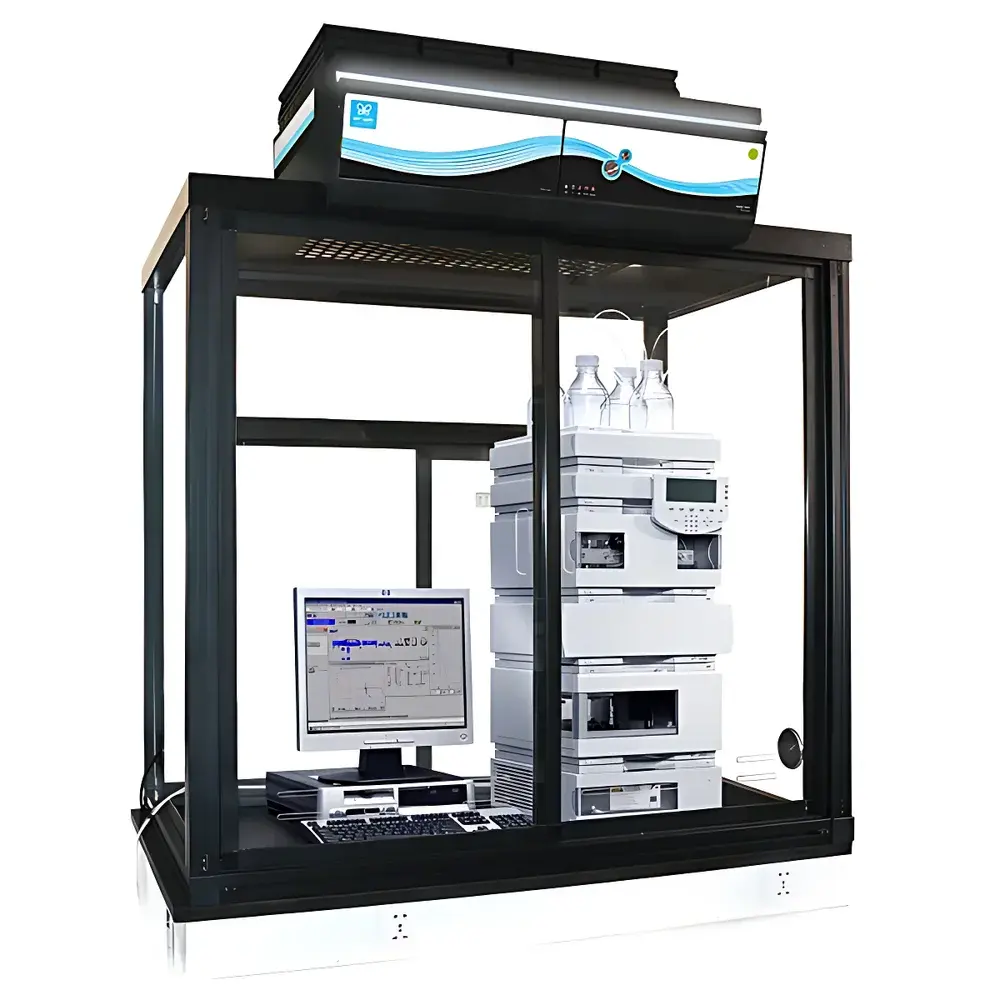
- Modular Source-Control Units: Includes SMART recirculating fume hoods (GFH series), SMART balance enclosures, and IE-customized instrument isolation cabinets—all equipped with Unisorb® dual-stage filtration (pre-filter + activated carbon + specialty chemisorbent media) and push-pull airflow optimization for consistent face velocity and containment integrity.
- Flexible Access Configurations: Sliding sash, flip-up front panels, and dedicated access ports enable ergonomic operation while maintaining containment during powder handling, vial transfer, or automated analyzer integration.
- SMART Chemical Storage Solutions: Recirculating reagent cabinets (floor-standing, benchtop, under-desk, and shelving-integrated variants) featuring passive vapor detection, humidity-controlled internal environment, and segregated compartmentalization per chemical compatibility group (e.g., acids, bases, organics, oxidizers).
- HALO Ceiling-Mounted Ambient Air Purifier: Continuous-duty unit with HEPA + activated carbon + photocatalytic oxidation (PCO) stages; designed for 24/7 operation in occupied labs; CADR-rated for ≥99.97% removal of particles ≥0.3 µm and ≥90% reduction of VOCs at typical lab concentrations (ppb–ppm range).
- HALO SENSE Real-Time Air Quality Monitoring Network: Wireless sensor nodes measuring CO₂, total volatile organic compounds (TVOC), formaldehyde, particulate matter (PM₁₀/PM₂.₅), temperature, and relative humidity; data logged at 1-minute intervals with configurable alarm thresholds and audit-trail-capable export (CSV/JSON).
Sample Compatibility & Compliance
The Ecosystem supports safe handling of solids, liquids, and vapors across ICH Q5C stability classes and USP analytical instrument qualification categories. Filtration media selection follows ACGIH TLV® and NIOSH REL guidance for target compounds—including aldehydes, ketones, chlorinated solvents, amines, and low-volatility APIs. All units comply with EN 14175-3 (fume hood performance), EN 1822-1 (HEPA classification), and CE marking requirements for electrical safety (EN 61000-6-3/6-4) and EMC. The HALO SENSE system meets ISO/IEC 17025:2017 clause 7.7.1 for measurement traceability when calibrated against NIST-traceable gas standards.
Software & Data Management
HALO Connect cloud platform provides centralized configuration, remote diagnostics, filter life estimation (based on cumulative airflow and TVOC load), and regulatory reporting templates aligned with GLP Annex 11 and FDA 21 CFR Part 11 requirements—including electronic signatures, role-based access control, and immutable audit logs. Data retention supports ≥36 months of compressed time-series records. On-premise deployment option available for air-gapped facilities subject to ITAR or national lab security protocols.
Applications
- High-potency active pharmaceutical ingredient (HPAPI) formulation and analytical QC in OEB4/OEB5 environments
- Genotoxic compound screening in early-stage drug discovery
- Reference standard preparation and certified reference material (CRM) handling under ISO/IEC 17034
- Environmental testing labs performing EPA Method 8260D (VOCs) and 8270E (SVOCs) with strict chain-of-custody air quality documentation
- Academic core facilities supporting multi-user access with dynamic usage-based filter scheduling and occupancy-linked HALO duty cycling
FAQ
Does the Ecosystem require external ducting or building exhaust modifications?
No—each module operates as a closed-loop recirculating system; only HALO ceiling units require standard 220 V AC power and mounting hardware.
How often must Unisorb® filters be replaced?
Filter service intervals are dynamically calculated by HALO Connect using real-time TVOC concentration, airflow volume, and exposure history; typical range is 6–18 months depending on chemical load profile.
Can HALO SENSE data be integrated into a laboratory information management system (LIMS)?
Yes—via RESTful API or OPC UA interface; supports HL7 and ASTM E1384 message mapping for automated air quality event flagging within LIMS workflows.
Is the Ecosystem validated for GMP-compliant environments?
Yes—IQ/OQ documentation packages are provided; PQ support includes third-party containment verification (e.g., ASHRAE 110 tracer gas test) and filter efficiency validation per ISO 14644-3 Annex B.
What certifications apply to the electrical components?
All power supplies and controllers carry CE, RoHS, and CB Scheme certification; HALO units additionally meet UL 867 (electrostatic air cleaners) and IEC 60335-1 safety standards.



