
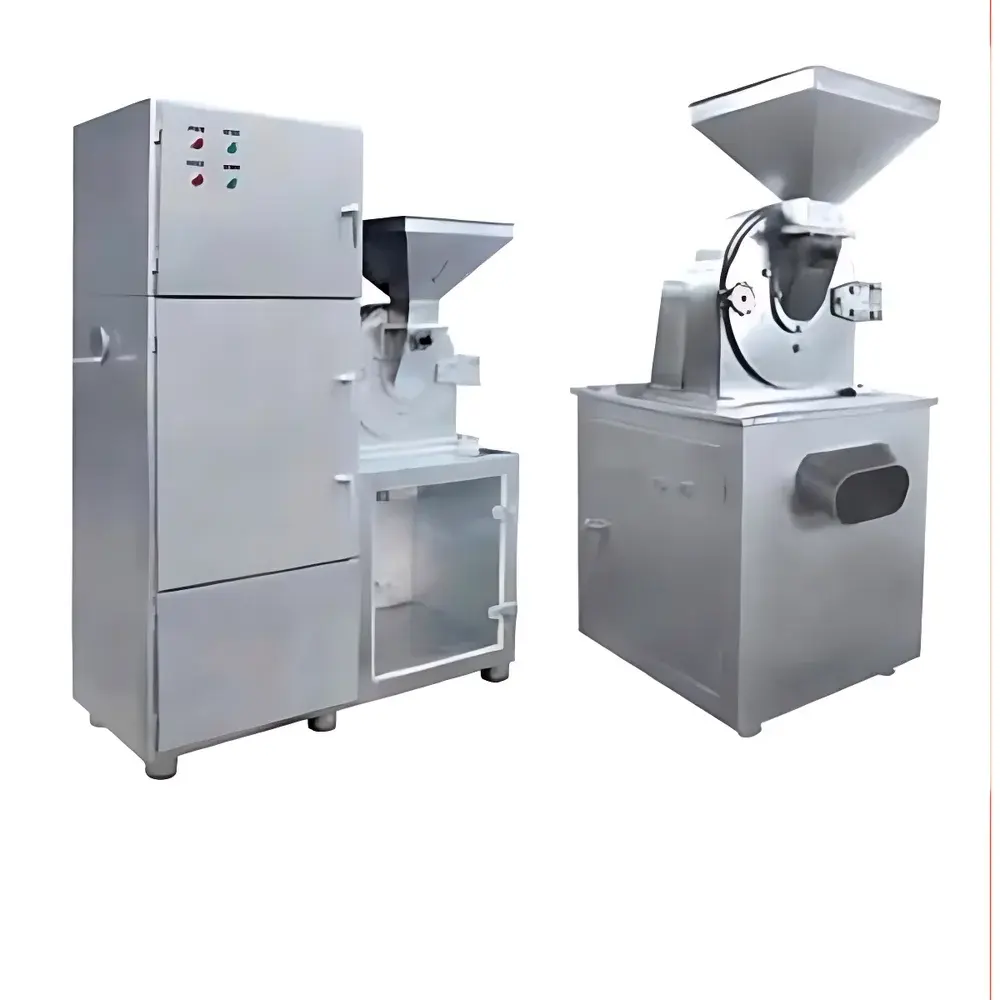
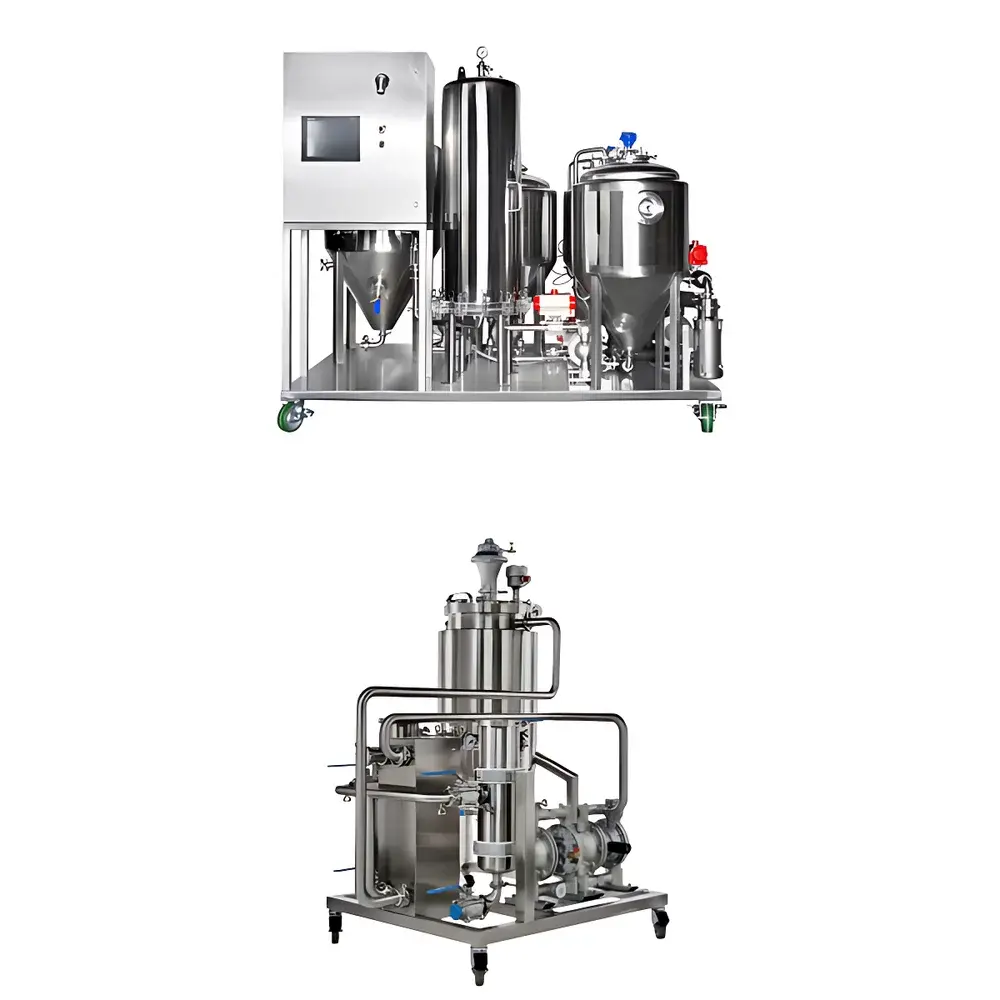
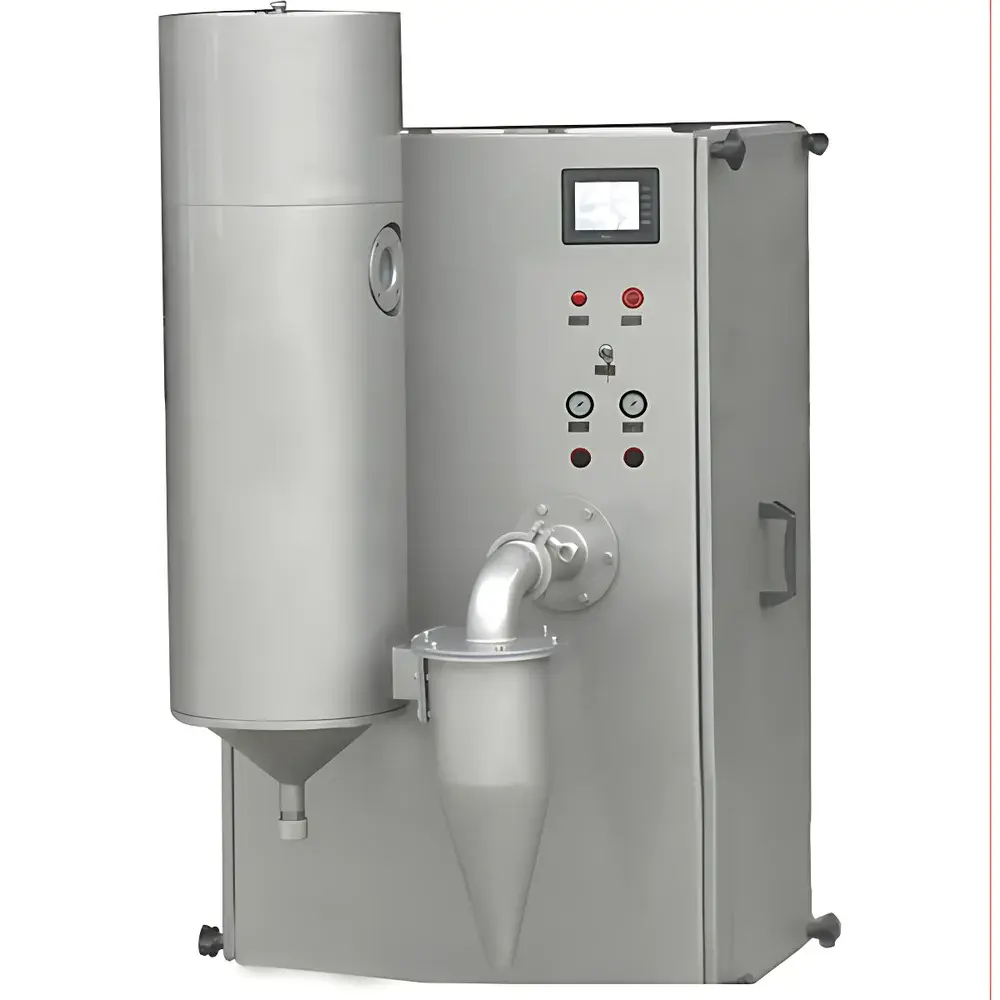
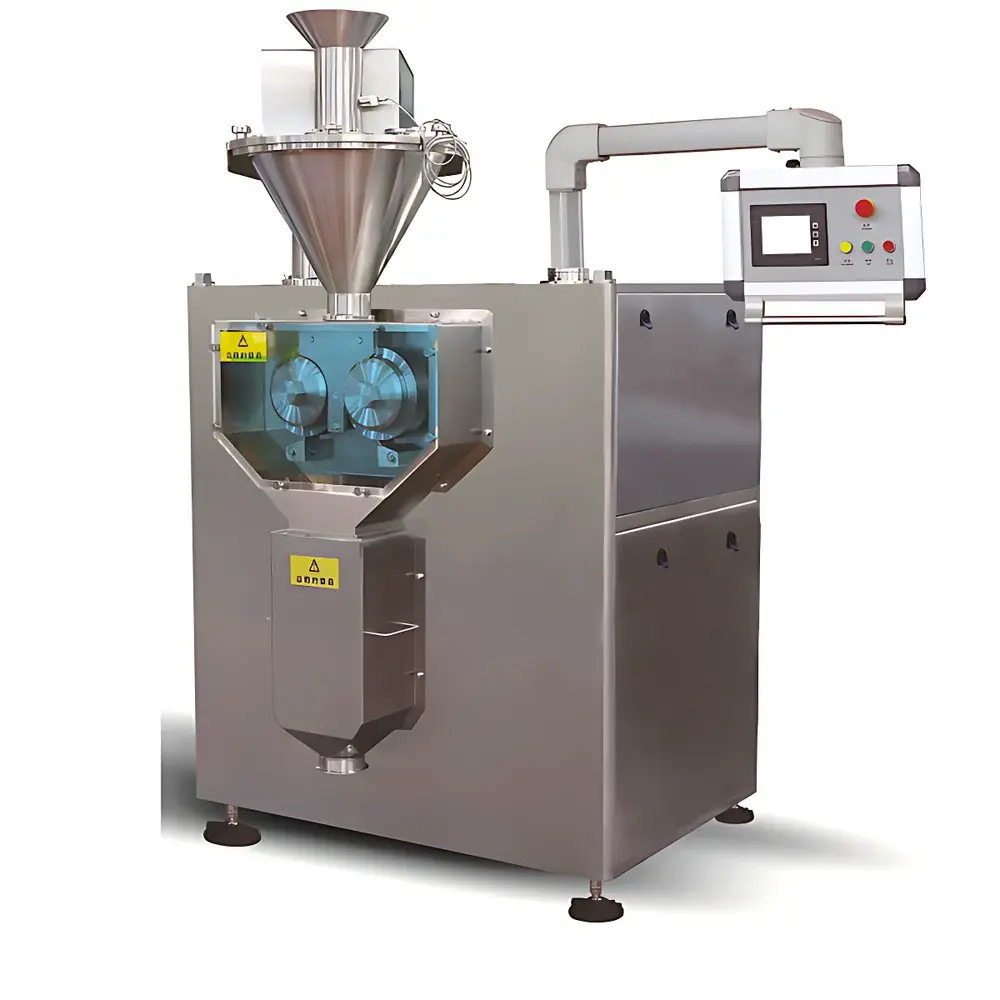
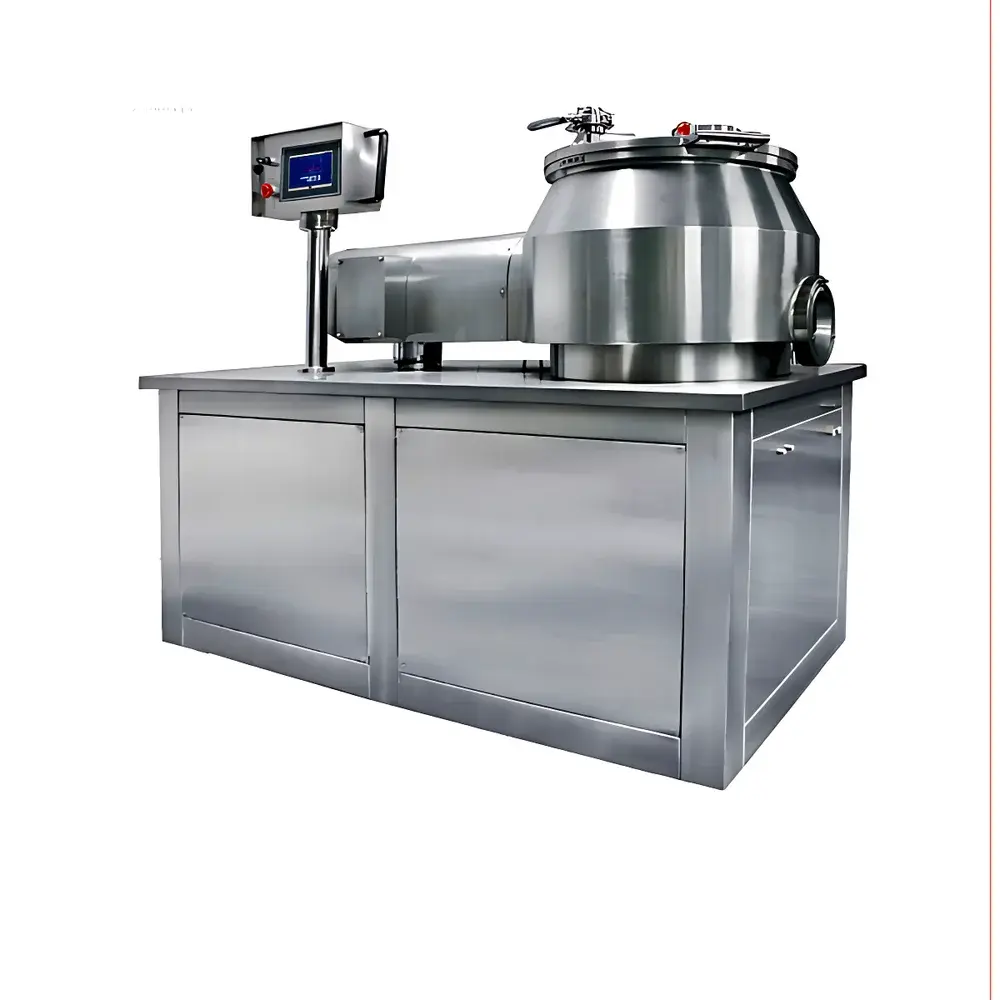
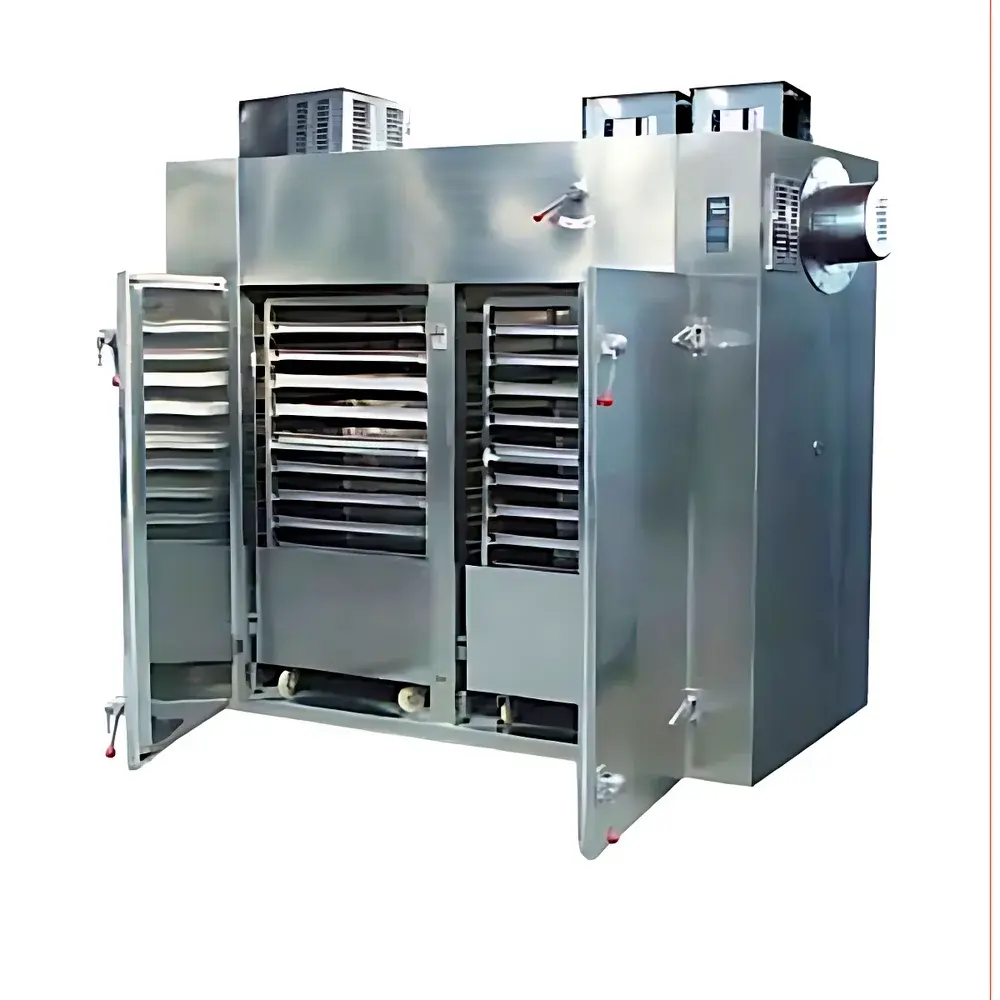
FSTAR FHJ GMP-Compliant Pharmaceutical Solid Dosage Form Training Line for Academic Institutions
| Brand | FSTAR |
|---|---|
| Origin | Liaoning, China |
| Manufacturer Type | Authorized Distributor |
| Product Origin | Domestic (China) |
| Model | FHJ |
| Pricing | Available Upon Request |
Overview
The FSTAR FHJ GMP-Compliant Pharmaceutical Solid Dosage Form Training Line is a purpose-built, integrated teaching and practical training system designed specifically for university-level pharmaceutical engineering, pharmacy, and biomanufacturing programs. Engineered to replicate the functional layout and operational rigor of an ISO 14644-1 Class C/D cleanroom-compliant production facility, this training line enables students and trainees to gain hands-on experience across the full solid dosage manufacturing pathway—from raw material handling and size reduction through granulation, drying, blending, compression, coating, and final packaging. The system operates on core unit operations governed by established pharmaceutical engineering principles, including fluidized-bed dynamics, shear-based wet granulation kinetics, heat-and-mass transfer in convection drying, tablet compaction mechanics (based on Heckel and Kawakita models), and film-coating mass balance control. It serves as a pedagogical bridge between theoretical pharmacokinetics/pharmaceutics coursework and real-world Good Manufacturing Practice (GMP) execution under EU Annex 1 and FDA 21 CFR Part 211 regulatory frameworks.
Key Features
- GMP-aligned modular architecture with stainless-steel 316L contact surfaces, electropolished finish (Ra ≤ 0.8 µm), and validated cleanability per ASTM E2500-19 guidelines
- Interlocked process modules featuring PLC-based HMI controls with password-protected operator levels (Supervisor/Technician/Trainee)
- Integrated environmental monitoring interface supporting real-time display of particulate counts (≥0.5 µm), temperature (±0.5 °C), relative humidity (±3% RH), and differential pressure (±1 Pa)
- Process documentation capability compliant with ALCOA+ data integrity principles—electronic batch records (EBR) generation, audit trail logging, and electronic signature support
- Modular scalability: individual units—including high-shear granulator, fluid-bed dryer, bin blender, rotary tablet press, and perforated pan coater—can be operated independently or in sequence
- Dedicated engineering support for IQ/OQ protocol development and execution, aligned with ISPE Baseline Guide Vol. 5 (Pharmaceutical Systems)
Sample Compatibility & Compliance
The FHJ Training Line accommodates standard pharmaceutical excipients (e.g., microcrystalline cellulose, lactose monohydrate, croscarmellose sodium) and active pharmaceutical ingredients (APIs) in powder, granule, and tablet forms. All wet-process equipment meets ASME BPE-2022 surface finish and drainability requirements. Dryers and mixers are validated for uniformity of content (USP ) and blend homogeneity (ICH Q5C). The system supports compliance with national educational standards for pharmaceutical engineering labs (e.g., China’s “Higher Education Pharmaceutical Engineering Specialty Accreditation Criteria”) and international academic accreditation benchmarks (ABET Criterion 3, Outcome e: ability to conduct experiments, analyze data, and interpret results). Documentation packages include Equipment Qualification Summary Reports, Material Certificates of Conformance (EN 10204 3.1), and CE-marked component declarations where applicable.
Software & Data Management
The embedded SCADA platform provides synchronized visualization of critical process parameters—including impeller speed (rpm), torque (N·m), inlet/outlet air temperature (°C), dew point (°C), bed pressure drop (Pa), tablet hardness (kP), and coating weight gain (% w/w). Data export is supported in CSV and PDF formats; raw time-series logs are stored locally with 12-month retention. The system includes built-in validation tools for calibration traceability (NIST-traceable references), electronic audit trails meeting FDA 21 CFR Part 11 requirements, and role-based access control (RBAC) for data modification rights. Optional integration with LIMS or university-wide learning management systems (e.g., Moodle, Canvas) is available via OPC UA or RESTful API.
Applications
- Undergraduate and graduate laboratory instruction in pharmaceutical unit operations, process validation, and quality-by-design (QbD) principles
- GMP documentation training: preparation of SOPs, batch manufacturing records, deviation reports, and change control forms
- Research projects on formulation optimization (e.g., binder concentration effects on granule density), scale-down modeling, and PAT implementation strategies
- Certification preparation for industry-recognized credentials (e.g., ISPE GAMP5 Fundamentals, PDA Certificate in Pharmaceutical Manufacturing)
- Industry-academia collaboration on technology transfer case studies and continuous manufacturing feasibility assessments
FAQ
Is the FHJ Training Line suitable for regulatory inspection readiness training?
Yes—it incorporates design features and documentation workflows aligned with EU GMP Annex 15 (Qualification and Validation) and WHO Technical Report Series No. 986, enabling realistic simulation of regulatory audit scenarios.
Can third-party analytical instruments (e.g., FTIR, Raman) be interfaced with the line?
Yes—the system provides analog I/O and Modbus TCP ports for seamless integration with PAT tools used in real-time release testing (RTRT) education modules.
What level of technical support is provided during academic semester deployment?
FSTAR offers dedicated remote support during term start-up, on-site technician deployment for initial commissioning, and annual preventive maintenance visits with full calibration certification.
Are curriculum materials and instructor guides included?
Yes—comprehensive bilingual (English/Chinese) teaching kits include lab manuals, risk assessment templates, qualification checklists, and video-based operational walkthroughs.
Does the system meet fire safety and electrical safety standards for campus installation?
All electrical components comply with GB/T 16836-2018 (equivalent to IEC 60204-1), and mechanical enclosures meet GB 50016-2014 fire resistance requirements for educational facilities.







