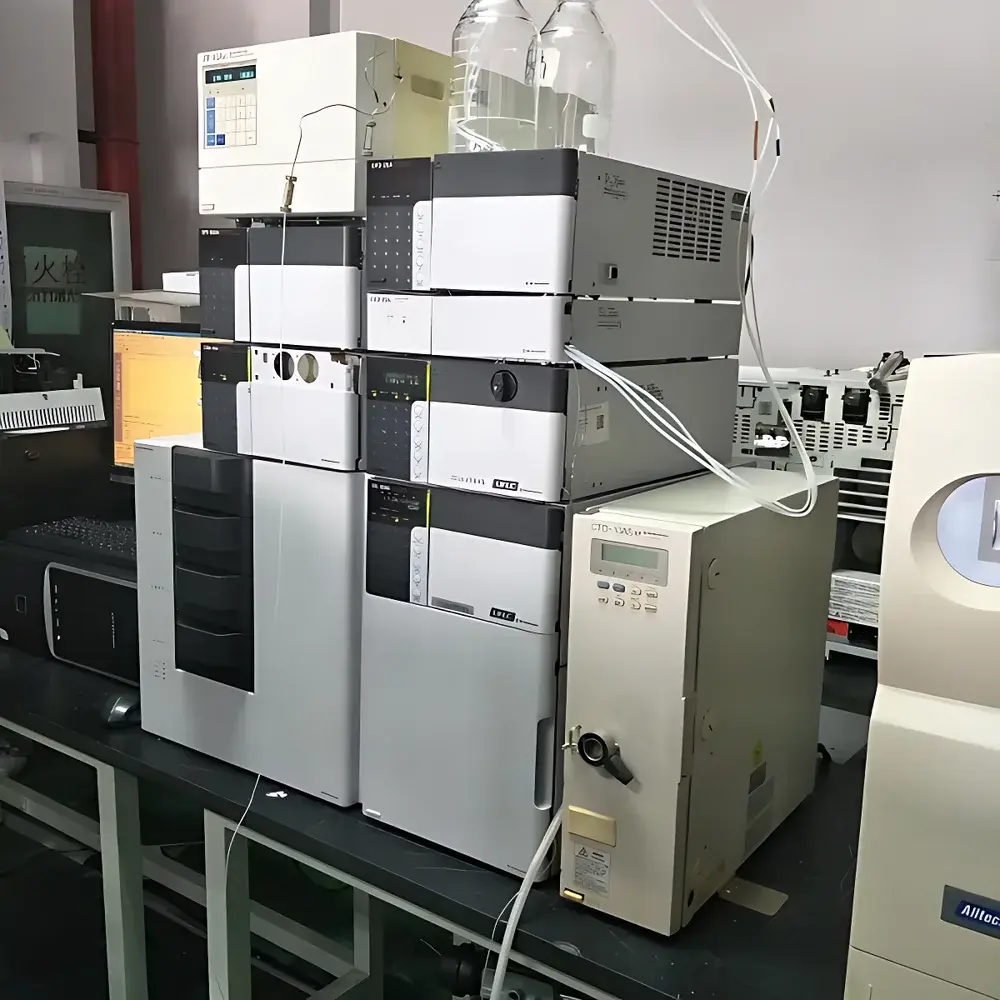
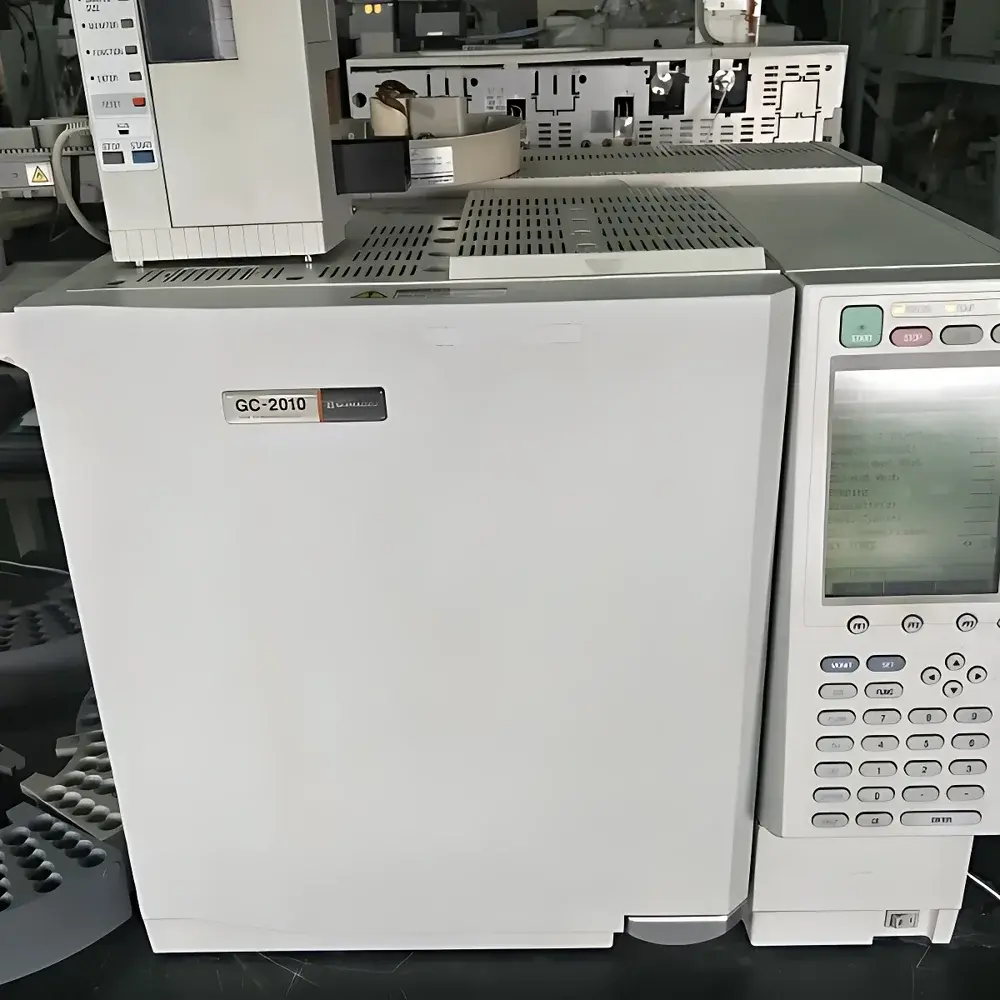
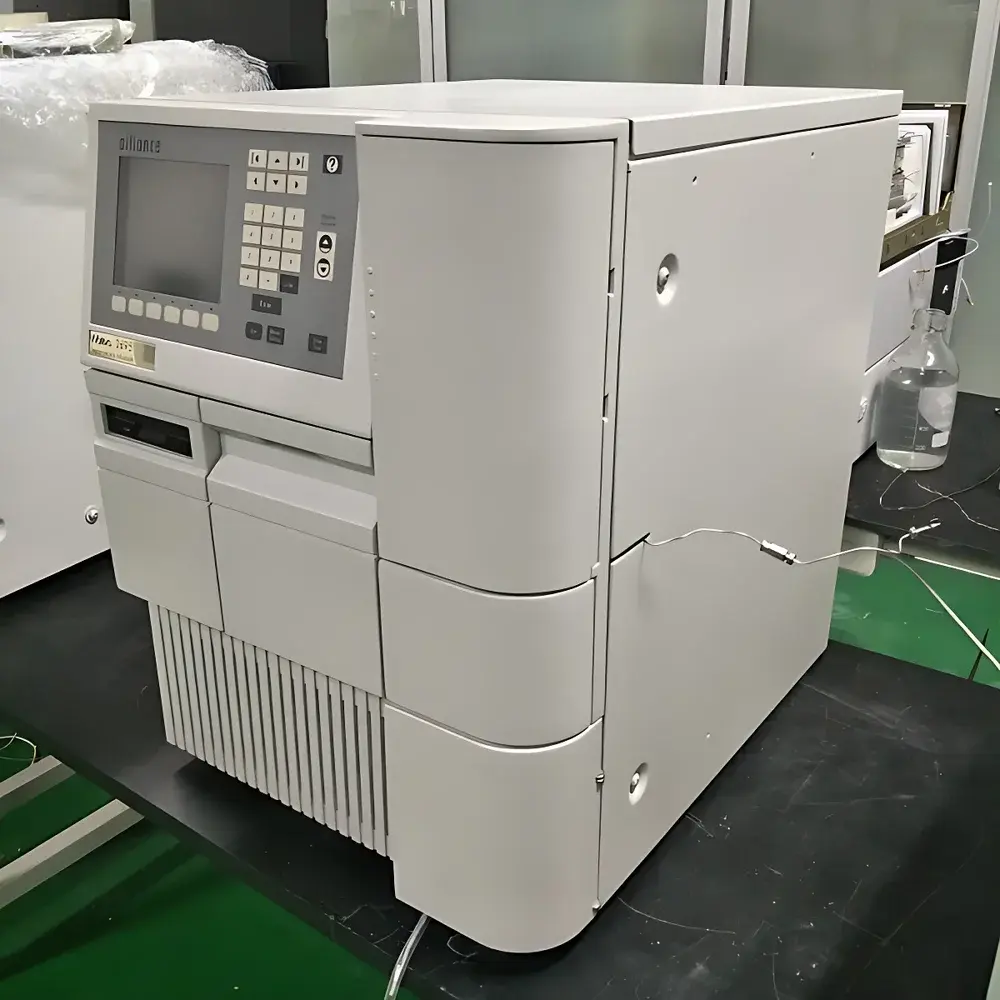
Gas Chromatograph and Liquid Chromatograph Preventive Maintenance Service by Kyocera (Beijing) – BY Service Package
| Key | Brand: Kyocera (Jingke Ruida) |
|---|---|
| Origin | Beijing, China |
| Manufacturer Type | Authorized Distributor |
| Product Category | Domestic Instrument |
| Model | BY Service |
| Service Fee | USD 700–1,400 (excl. parts) |
| Field Experience | 10 Years |
| Instrument Type | Analytical Instrumentation |
| Response Time | ≤24 Hours |
| Scope | GC & HPLC Preventive Maintenance |
| Service Location | Beijing, China |
Overview
This preventive maintenance (PM) service package is engineered specifically for gas chromatography (GC) and high-performance liquid chromatography (HPLC) systems deployed in regulated and research-intensive laboratory environments. Unlike reactive repair, this structured PM program follows ISO/IEC 17025-aligned practices to sustain instrument performance, data integrity, and method robustness over extended operational lifecycles. The service addresses core subsystems—pumps, autosamplers, detectors (UV-Vis, FID, TCD), ovens/column compartments, and fluidic pathways—through systematic inspection, calibration verification, contamination control, and component-level functional testing. All procedures are documented per GLP-compliant recordkeeping standards and support compliance with FDA 21 CFR Part 11 requirements for audit-ready traceability.
Key Features
- Comprehensive Subsystem Assessment: Full disassembly and cleaning of pump heads, solvent inlet filters, check valves, and proportioning valves; pressure and leak testing at multiple flow rates and backpressure conditions.
- Autosampler Precision Calibration: Mechanical alignment verification of syringe drive, needle positioning accuracy, vial grip force measurement, and thermal stability assessment of sample tray and injection port.
- UV-Vis Detector Optical Restoration: Non-abrasive optical surface cleaning of diffraction gratings, mirrors, and flow cell windows; photometric intensity validation across 190–800 nm range; optional replacement of aged optical components with OEM-equivalent assemblies.
- Column Oven & Temperature Control Validation: Ramp rate accuracy, isothermal stability (±0.1 °C), and sensor linearity verification using NIST-traceable thermocouples and independent digital loggers.
- System-Wide Contamination Mitigation: Internal chassis dust extraction, PCB board inspection, vent filter replacement, and solvent pathway flushing with certified HPLC-grade solvents.
- Documentation & Traceability: Post-service report includes baseline pressure profiles, detector noise/Drift metrics, gradient accuracy verification results, and photographic evidence of cleaned components.
Sample Compatibility & Compliance
This service supports all major GC and HPLC platforms—including Agilent 6890/7890/8890, Waters Alliance/e2695, Shimadzu LC-2030C, Thermo Fisher UltiMate 3000, and domestic systems compliant with GB/T 26792–2011 (Chinese standard for HPLC performance verification). Procedures adhere to ASTM E2657 (Standard Guide for HPLC System Suitability), ISO 17025:2017 clause 6.4.9 (equipment maintenance), and ICH Q2(R2) guidance on analytical instrument qualification. All replaced consumables meet USP , EP 2.2.46, and JP 17 specifications where applicable.
Software & Data Management
Maintenance records are generated in bilingual (English/Chinese) PDF format, including instrument identification, technician ID, date/time stamps, pre- and post-maintenance performance metrics, and signature fields for lab manager approval. Digital copies are archived for 5 years and available upon request for internal audits or regulatory inspections. Where integrated with LIMS or CDS platforms (e.g., OpenLab, Chromeleon, Empower), technicians verify software-hardware handshake integrity and confirm that audit trails remain unbroken following firmware or configuration updates during service.
Applications
This PM protocol is routinely applied in pharmaceutical QC/QA labs performing residual solvent analysis (ICH Q3C), impurity profiling (ICH Q5), and dissolution testing; environmental labs conducting EPA Method 8270D (semivolatiles) and 525.3 (pesticides); food safety laboratories validating AOAC 2012.01 (mycotoxins) and EN 15662 (multiresidue pesticides); and academic research facilities requiring long-term reproducibility in metabolomics and natural product isolation workflows. The service directly contributes to maintaining system suitability parameters defined in pharmacopoeial monographs and ensures uninterrupted compliance during FDA pre-approval inspections or MHRA GMP audits.
FAQ
What is the recommended maintenance frequency for GC/HPLC systems under routine use?
For instruments operating ≥40 hours/week, biannual PM is advised; for high-throughput QC labs (>60 hrs/week), quarterly intervals are strongly recommended.
Are replacement parts included in the quoted service fee?
No. The quoted fee covers labor, diagnostics, cleaning, calibration verification, and reporting. Parts—such as pump seals, check valves, UV lamp assemblies, or autosampler syringes—are quoted separately upon failure confirmation and require client authorization prior to installation.
Can this service be scheduled outside standard business hours?
Yes. Emergency and after-hours support is available in Beijing with 24-hour response commitment, subject to technician availability and advance notice.
Do you provide remote diagnostic support prior to onsite visit?
Yes. Clients may share system logs, error codes, chromatograms, and pressure traces via secure file transfer for preliminary root-cause analysis and scope refinement.
Is training provided for lab personnel on basic user-level maintenance tasks?
Yes. A 60-minute hands-on session is included with each PM visit covering daily startup/shutdown protocols, filter replacement, leak detection methodology, and early symptom recognition for common subsystem failures.
Related Products