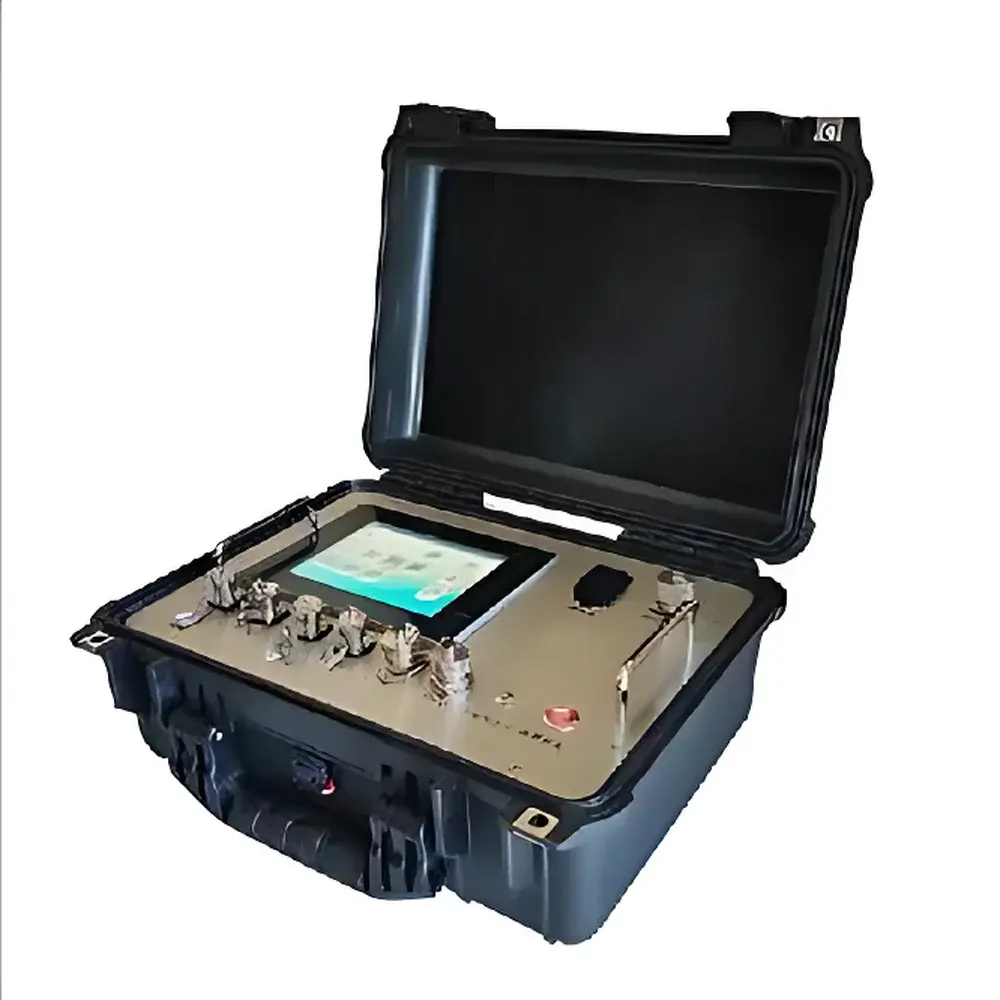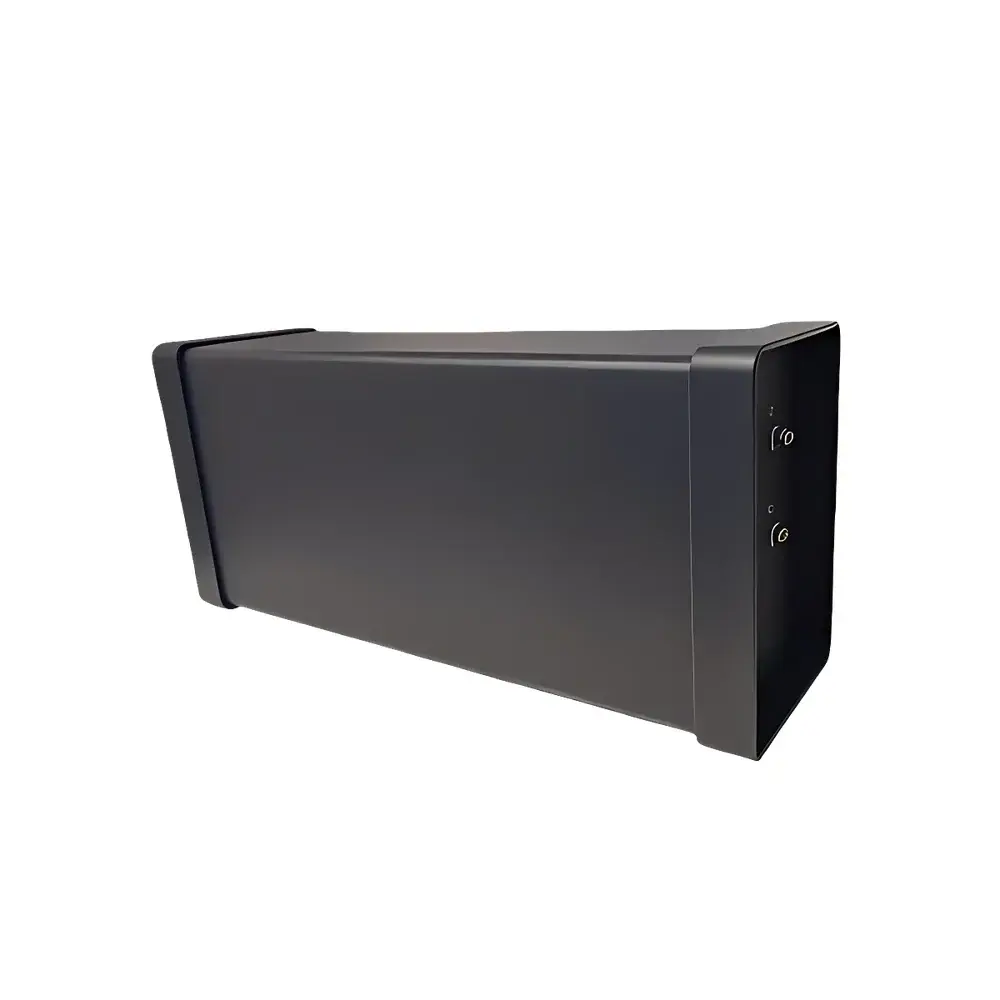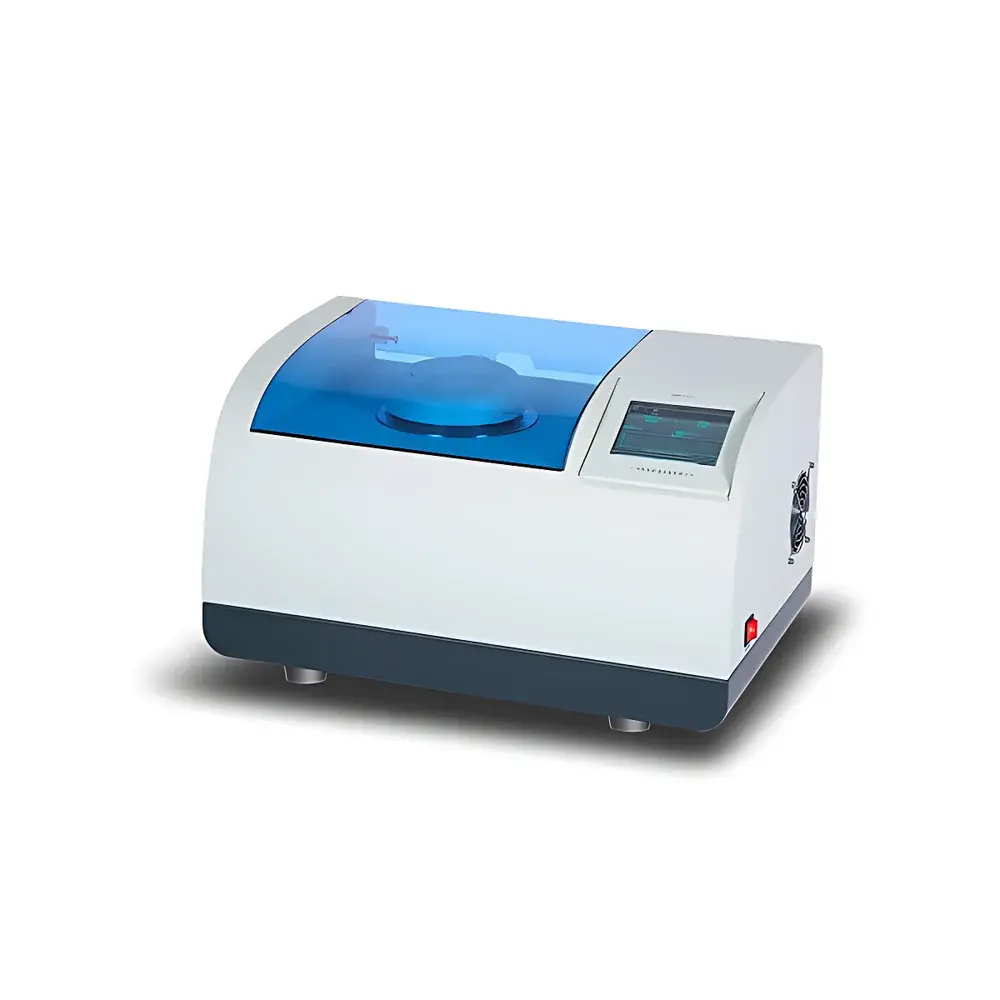
GBPI Y110E Oxygen Transmission Rate (OTR) Analyzer – Coulometric Sensor Method
| Brand | GBPI |
|---|---|
| Origin | Guangdong, China |
| Manufacturer Type | Direct Manufacturer |
| Model | Y110E |
| Test Range | 0.02–16,500 cm³/(m²·24h) [up to 260,000 cm³/(m²·24h) with optional mask] |
| Accuracy | 0.001 cm³/(m²·24h) |
| Temperature Control | 15–45 °C ±0.1 °C |
| Humidity Control | 30–90% RH & 100% RH ±1% RH |
| Permeation Area | 50.24 cm² (down to 0.785 cm² with accessories) |
| Specimen Size | Ø100 mm |
| Max Thickness | ≤3 mm |
| Sample Capacity | 1 unit |
| Carrier Gas Pressure | ≥0.1 MPa |
| Gas Inlet | Φ3 mm tubing / 1/8″ NPT |
| Dimensions | 600 × 400 × 330 mm |
| Weight | 80 kg |
| Power | 750 W, AC 220 V, 50 Hz |
Overview
The GBPI Y110E Oxygen Transmission Rate (OTR) Analyzer is a high-precision, coulometric sensor-based instrument engineered for quantitative determination of oxygen permeability through flexible and rigid packaging materials. It operates on the principle of electrochemical oxygen detection: oxygen molecules permeating through a test specimen are swept by a carrier gas stream into a coulometric cell, where they undergo quantitative reduction at a platinum cathode. The resulting current is directly proportional to the molar flow rate of oxygen, enabling trace-level OTR quantification with metrological rigor. Designed for laboratories requiring regulatory-grade data integrity—particularly in pharmaceutical packaging, medical device barrier validation, and food shelf-life modeling—the Y110E delivers ISO/ASTM-compliant measurements across an exceptionally wide dynamic range (0.02 to 16,500 cm³/(m²·24h)), extendable to 260,000 cm³/(m²·24h) via calibrated face-mask configuration for ultra-high-permeability substrates such as non-barrier polymers or porous films.
Key Features
- Coulometric sensor architecture: High-stability dual-electrode coulometric cell with auto-range compensation, ensuring linear response across six orders of magnitude without sensor replacement or recalibration.
- Thermal & hygral control system: Dual-zone Peltier-driven temperature regulation (15–45 °C, ±0.1 °C) coupled with dual-stream humidity generation (30–90% RH and 100% RH, ±1% RH), enabling precise simulation of real-world storage conditions per ASTM F1307 and ISO 15105-2.
- Modular permeation area design: Standard 50.24 cm² test area (Ø100 mm specimen), with interchangeable fixtures supporting down to 0.785 cm² (Ø10 mm) for micro-scale barrier evaluation of coatings, thin-film electronics, or ophthalmic materials.
- Embedded ARM-based control platform: Standalone operation without host PC; full test execution, real-time curve visualization (OTR, O₂ concentration, temperature, RH), and method recall managed via 7-inch capacitive touchscreen with Windows-style GUI.
- GMP-aligned software architecture: Role-based access control (Administrator, Operator, Reviewer), configurable permission sets, and comprehensive audit trails compliant with FDA 21 CFR Part 11 and EU Annex 11 requirements—including system-level, method-level, and data-change event logging.
Sample Compatibility & Compliance
The Y110E accommodates diverse physical forms: flat films (plastic, metallized PET, aluminum foil, SiOx/AlOx coated substrates), rigid sheets (PP, PS, acrylic), elastomeric components (silicone, TPE), ceramic wafers, and finished containers (bottles, pouches, trays) using optional chamber adapters. Its measurement validity is traceable to national primary standards—certified reference materials (GBW(E)130497/8) issued by China’s National Institute of Metrology—and aligned with international protocols including ASTM D3985 (film testing), ASTM F2622 (multi-layer film), ASTM F1927 (high-barrier films), ASTM F1307 (container testing), ISO 15105-2 (differential pressure method equivalence), DIN 53380-3, JIS K-7126-B, and pharmacopeial standards YBB00082003-2015 and GB/T 19789-2005. All calibrations support dual-mode verification: certified reference films and certified oxygen/nitrogen standard gas mixtures.
Software & Data Management
GBPI OTR Studio v4.x provides validated, 21 CFR Part 11-ready data acquisition and reporting. The software enables customizable test protocols (ramp/hold profiles, multi-point RH/temperature sequences), real-time overlay of up to four parameter curves with zoom/pan functionality, and granular export options (CSV, PDF, DOCX, XLSX). Raw data files include embedded metadata: operator ID, timestamp, environmental setpoints, sensor diagnostics, and calibration history. Database queries support retrospective analysis by material batch, test date, or method version. Electronic signatures, automatic report watermarking, and encrypted local storage ensure ALCOA+ (Attributable, Legible, Contemporaneous, Original, Accurate, Complete, Consistent, Enduring, Available) compliance for GLP/GMP audits.
Applications
- Pharmaceutical packaging validation: blister foil, cold-form foil, sachets, and parenteral vial stoppers per USP and ICH Q5C stability guidance.
- Medical device barrier assessment: sterile barrier systems (SBS), wound dressings, transdermal patches, and contact lens packaging.
- Food & beverage shelf-life modeling: evaluating modified atmosphere packaging (MAP) films, retort pouches, and active packaging systems.
- Electronics encapsulation: moisture/oxygen ingress testing for OLED displays, solar backsheet laminates, and flexible printed circuit barriers.
- Academic & industrial R&D: structure-property correlation studies of nanocomposite films, biodegradable polymers, and atomic layer deposition (ALD) coatings.
FAQ
What calibration standards are supported?
The Y110E accepts both certified reference films (e.g., NIST-traceable polyester standards) and certified gas mixtures (e.g., 100 ppm O₂ in N₂) for dual-mode calibration verification.
Can the instrument test rigid containers like bottles?
Yes—using the optional container test kit (Y110E-CTK), which includes custom-sealing chambers and pressure-compensated flow manifolds compliant with ASTM F1307.
Is remote monitoring or network integration possible?
The instrument supports TCP/IP communication and OPC UA server mode for integration into LIMS or MES platforms; remote diagnostics require prior IT security review and firewall configuration.
How often does the coulometric sensor require maintenance?
Under normal use (≤8 h/day), the sensor requires no routine replacement; GBPI recommends annual performance verification using reference materials and biannual electrolyte replenishment per maintenance log.
Does the system meet FDA 21 CFR Part 11 requirements out-of-the-box?
Yes—the software includes electronic signature workflows, audit trail encryption, and role-based access enforcement; full validation documentation (IQ/OQ/PQ templates) is provided with delivery.