
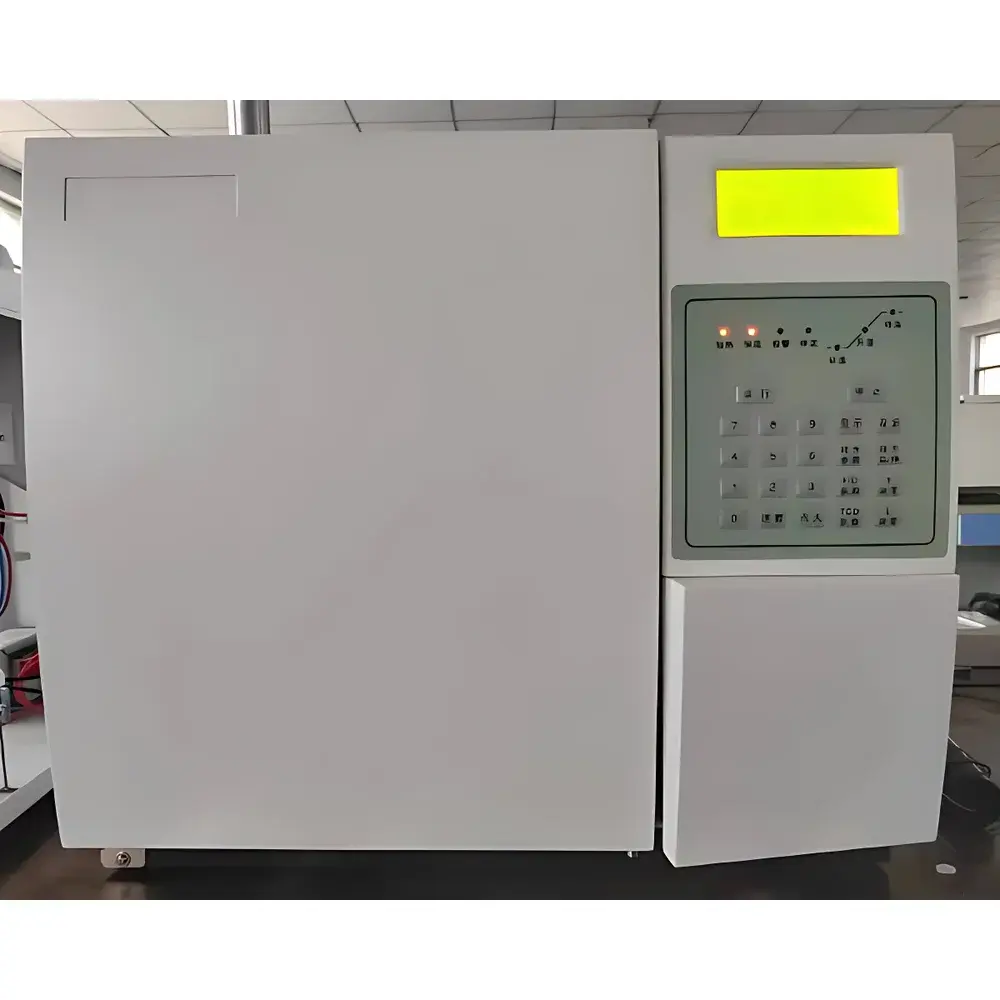
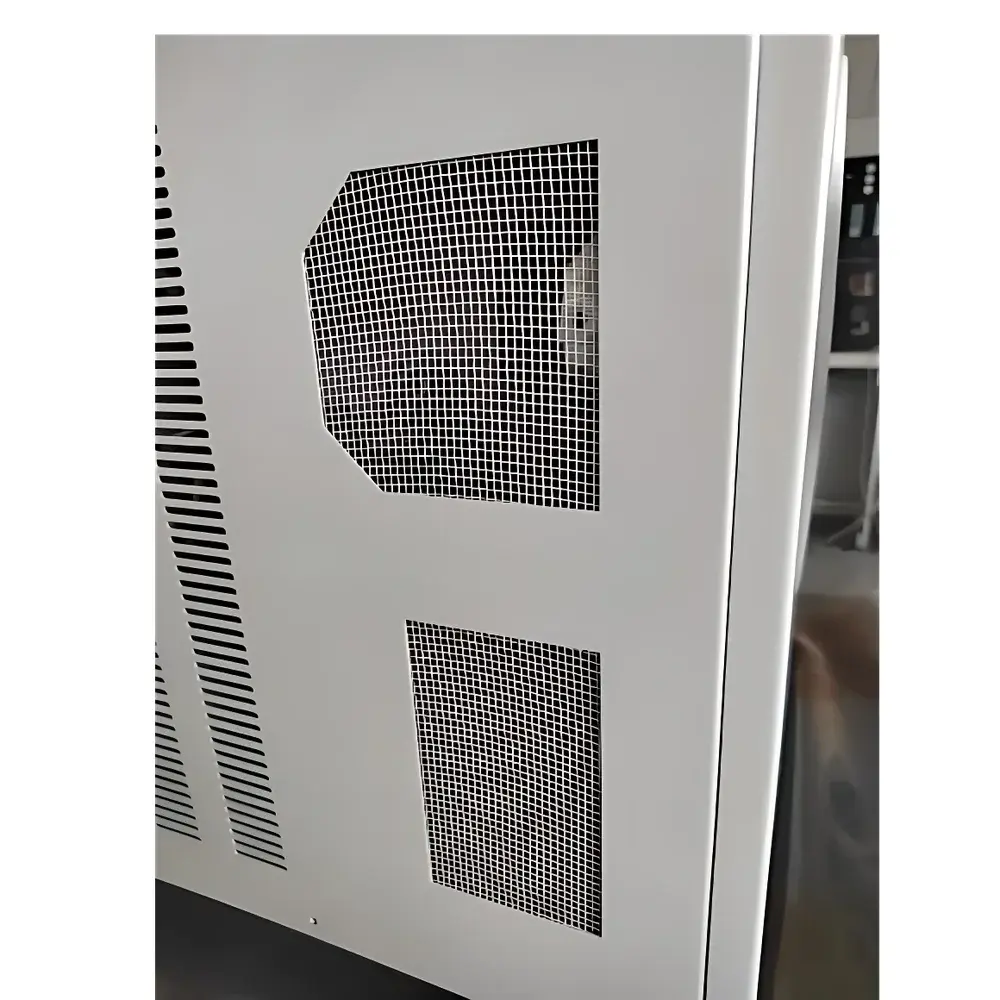
Golden Promise GC-2011 Dedicated Gas Chromatograph for Coke Oven Benzene Analysis
| [Brand | Golden Promise |
|---|---|
| Origin | Shandong, China |
| Model | GC-2011 |
| Detection Principles | Dual-channel gas chromatography with simultaneous TCD and FID detection |
| Temperature Control | 8°C above ambient to 420°C (±0.1°C ≤200°C |
| Programmed Temperature Ramping | 8-step linear ramping, 0.1–30°C/min (0.1°C increment) |
| Detector Sensitivity | FID: ≤1×10⁻¹¹ g/s (benzene) |
| TCD | ≥3500 mV·mL/mg (benzene) |
| Column Compatibility | Dual-inlet system — packed column inlet (TCD-optimized) + dedicated split/splitless capillary inlet with tail-purge |
| Dimensions | 540 × 455 × 465 mm |
| Weight | 50 kg |
| Power | AC 220 V ±10%, 50 Hz, ~2 kW] |
Overview
The Golden Promise GC-2011 Dedicated Gas Chromatograph for Coke Oven Benzene Analysis is a purpose-engineered dual-detection gas chromatographic system designed to meet the stringent quantification requirements of benzene, toluene, xylene (BTX), and related aromatic hydrocarbons in coke oven light oil, crude benzene, and purified benzene streams. Built upon a robust single-column, dual-gas-path architecture, the instrument implements classical gas chromatographic separation principles—utilizing carrier gas (N₂ or H₂)-driven elution through temperature-programmed packed or capillary columns—followed by parallel, simultaneous detection via flame ionization (FID) and thermal conductivity (TCD) detectors. This configuration ensures high selectivity for low-concentration benzene (detection limit ≤1×10⁻¹¹ g/s) and accurate quantification across wide dynamic ranges (FID linearity ≥10⁷; TCD linearity ≥10⁵), essential for compliance with national standards such as GB/T 2288–2008 (Analysis of Crude Benzene from Coke Ovens) and ISO 12967:2014 (Hydrocarbon analysis in coal tar distillates).
Key Features
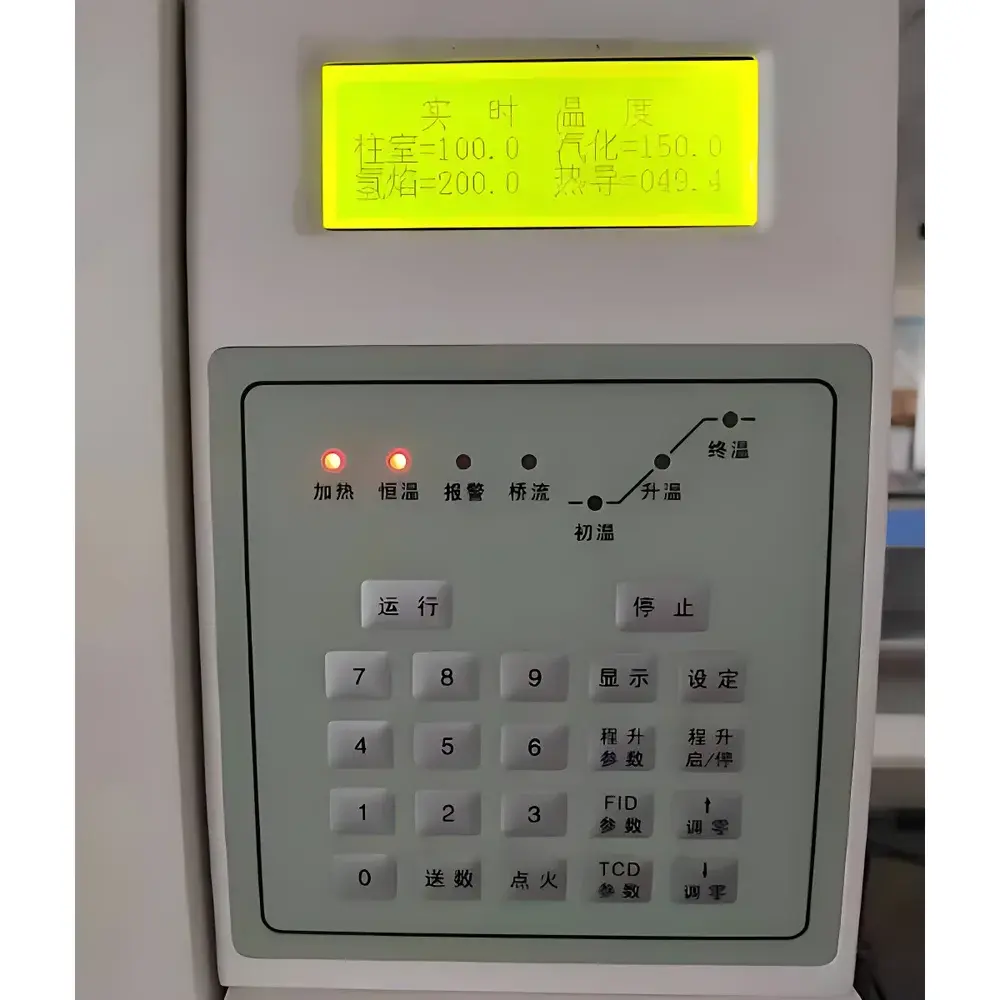
- Integrated 8-step programmable temperature ramping with precision control (±0.1°C up to 200°C; ±0.2°C above), enabling reproducible separation of closely eluting BTX isomers under optimized oven gradients.
- Dual independent inlet systems: a packed-column vaporizer optimized for TCD analysis of permanent gases and light aromatics, and a dedicated split/splitless capillary inlet with adjustable tail-purge flow—supporting 0.1–0.53 mm ID fused-silica columns including DB-1, HP-5, or equivalent polar/non-polar phases.
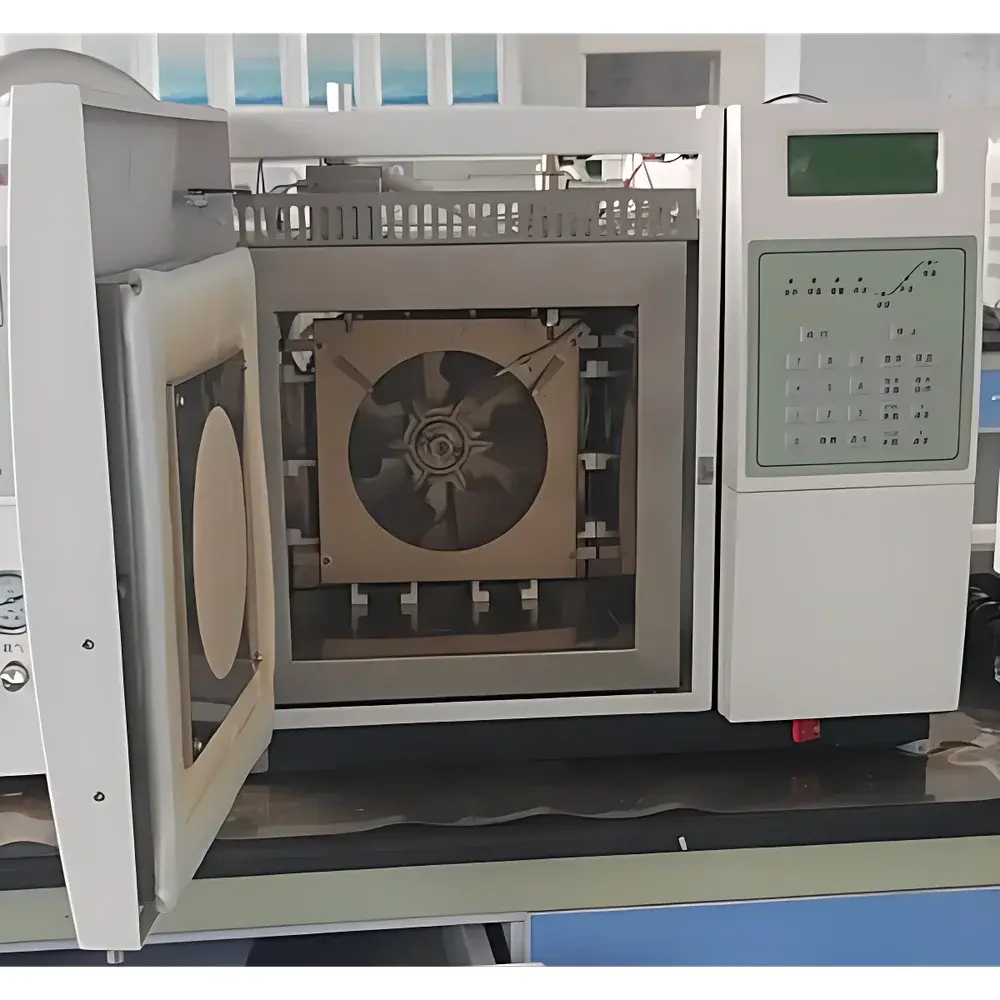
- Intelligent back-door cooling system with variable-frequency motor control, achieving rapid column oven cooldown to near-ambient temperatures—reducing cycle time between injections without thermal shock to stationary phases.
- Microprocessor-based digital zero-baseline stabilization—eliminating mechanical potentiometer drift and ensuring long-term baseline stability (<0.02 mV noise; <0.15 mV/h drift) critical for integration accuracy in routine QC workflows.
- Comprehensive hardware-level protection suite: automatic power-fail parameter retention, overtemperature cutoff (with per-zone monitoring and Chinese-language fault diagnostics), carrier gas failure detection (TCD filament safeguard), and ignition sequence validation for FID.
- Large-backlit LCD interface with full Chinese menu navigation—enabling intuitive method setup, real-time temperature/flow status display, and on-device troubleshooting without external PC dependency.
Sample Compatibility & Compliance
The GC-2011 is validated for direct injection of liquid samples (crude benzene, washed benzene, hydrogenated benzene) and headspace-derived vapors from coke oven by-product streams. Its dual-detector architecture supports concurrent calibration against certified reference materials (e.g., NIST SRM 1859 benzene in toluene) and satisfies traceability requirements under CNAS-CL01:2018 (equivalent to ISO/IEC 17025). While not pre-certified for FDA 21 CFR Part 11, its firmware supports audit-trail-capable data logging when paired with compliant third-party acquisition software (e.g., Chromeleon CDS), making it suitable for GLP-aligned laboratories performing raw material release testing per GB/T 30431–2013 (Gas Chromatographs—Performance Verification Specifications).
Software & Data Management
Standalone operation is fully supported via the embedded LCD interface for method storage (≥10 user-defined methods), run scheduling, and basic peak integration. For advanced reporting and regulatory compliance, the GC-2011 provides RS-232 and USB interfaces compatible with industry-standard chromatography data systems (CDS). Raw signal output (analog voltage) and digital event logs (temperature setpoints, detector status, alarm timestamps) are exportable in CSV format. Firmware supports time-stamped method versioning and operator ID entry—facilitating alignment with internal SOPs requiring revision-controlled analytical procedures.
Applications
- Quantitative determination of benzene purity (%) in refinery-grade and battery-grade crude benzene per GB/T 2288–2008.
- Trace-level detection of thiophene, cyclohexane, and non-aromatic impurities in hydrogenated benzene feedstocks.
- Quality control of coke oven light oil distillates during fractional condensation and acid washing processes.
- Monitoring of benzene recovery efficiency in solvent extraction units (e.g., sulfolane-based processes).
- Environmental analysis of benzene emissions in coke plant stack gases using thermal desorption–GC coupling (requires optional cold trap module).
FAQ
Is the GC-2011 compliant with ASTM D5504 for sulfur compound analysis?
No—the standard configuration lacks a sulfur-specific detector (e.g., PFPD or SCDD). However, the dual-gas-path design permits retrofitting with a compatible sulfur chemiluminescence detector via auxiliary gas ports.
Can the instrument operate unattended overnight?
Yes—programmed sequences, auto-shutdown on completion, and built-in overtemperature/failure safeguards enable secure unattended operation for multi-sample batches.
What column types are recommended for benzene/toluene separation?
A 30 m × 0.32 mm ID × 1.0 µm film thickness DB-1 or HP-5 capillary column, operated at 40–80°C isothermal or with a 5°C/min ramp from 40°C to 120°C, delivers optimal resolution and retention time reproducibility.
Does the system support electronic pressure control (EPC)?
No—carrier and makeup gas flows are regulated via mechanical flowmeters and needle valves. For EPC functionality, consider the GC-2011E upgrade variant (not included in base model).
Is factory calibration documentation provided with shipment?
Yes—each unit ships with a Certificate of Conformance, temperature verification report (NIST-traceable thermocouple calibration), and detector sensitivity test record using benzene standard solution.
Related Products






