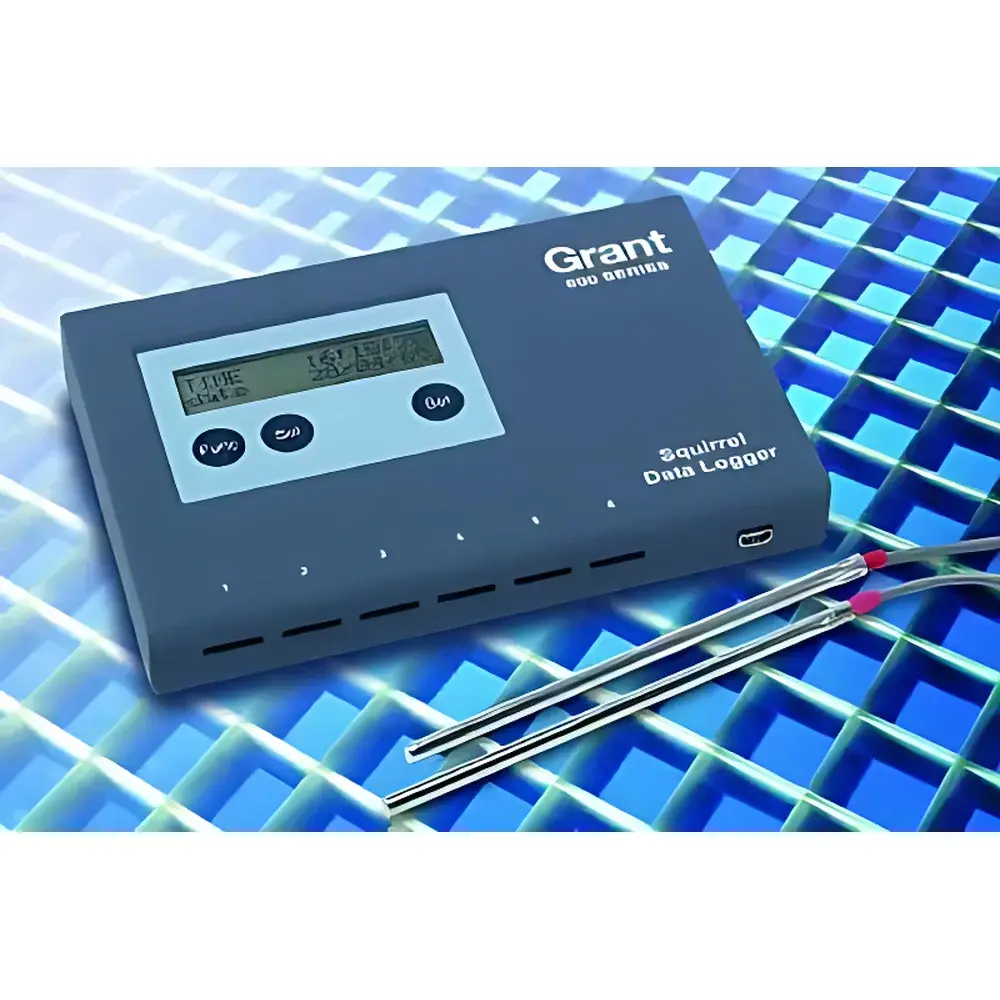
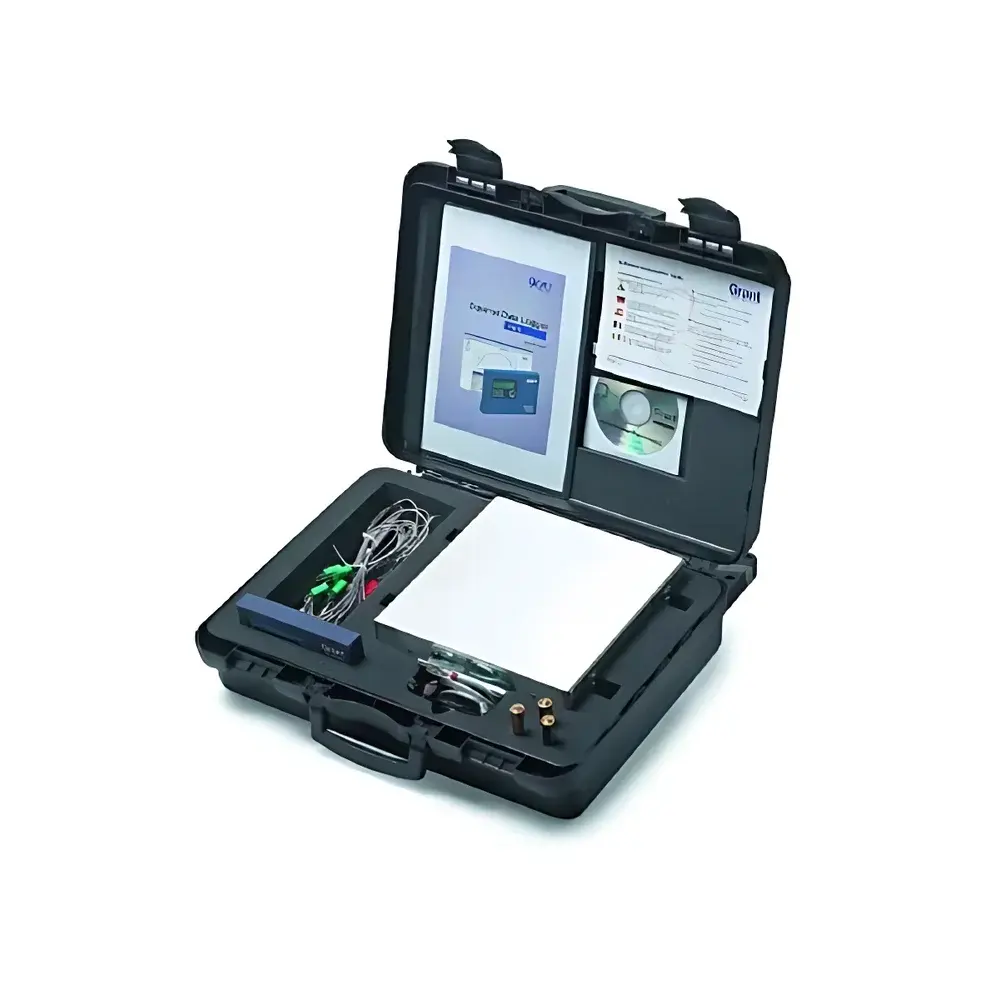
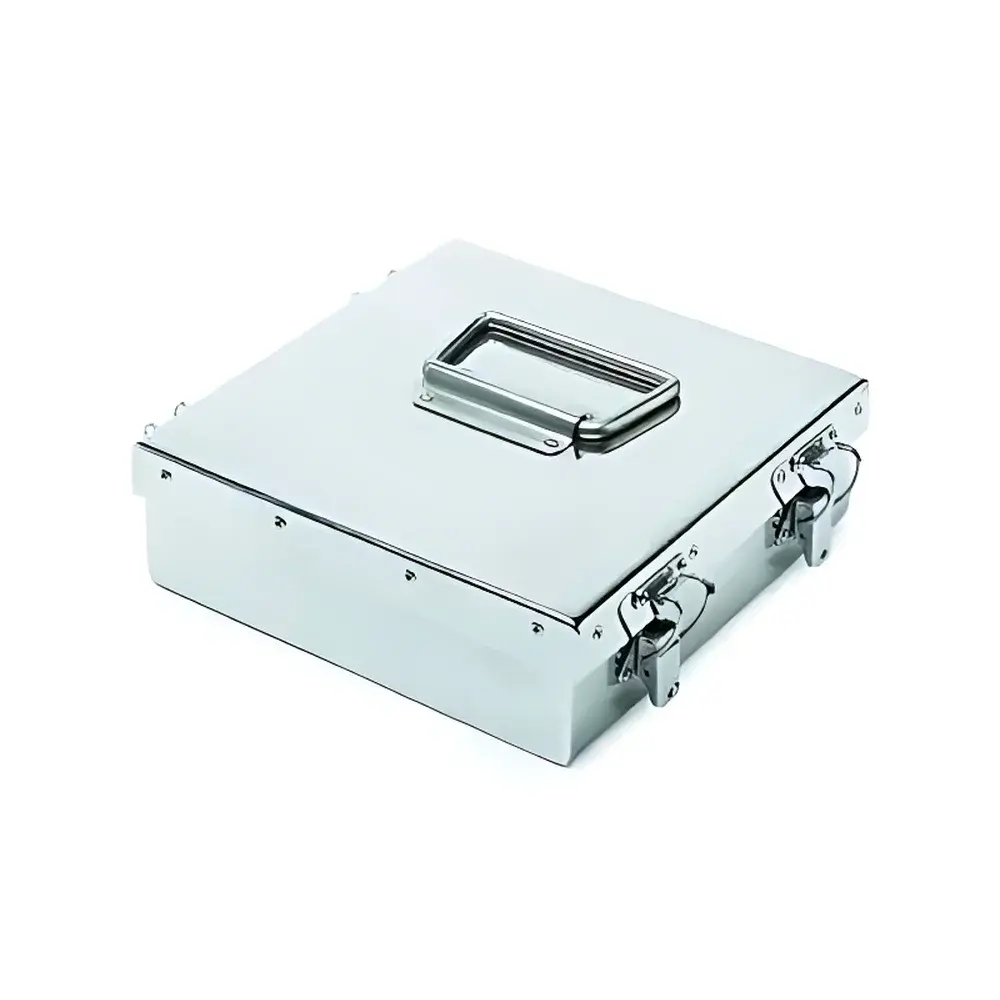
Grant Squirrel OQ610-S Temperature Data Logger
| Brand | Grant |
|---|---|
| Origin | UK |
| Model | OQ610-S |
| Channels | 6 |
| Thermocouple Types | K or T |
| Temperature Range | −200 °C to 1300 °C (K-type), −200 °C to 400 °C (T-type) |
| Accuracy | ±0.5 °C (−50–500 °C), ±1.0 °C (−200–1300 °C) |
| Resolution | 0.1 °C |
| Sampling Rate | 0.5 s to 2 h per channel |
| Max Samples | 260,000 (non-volatile flash memory) |
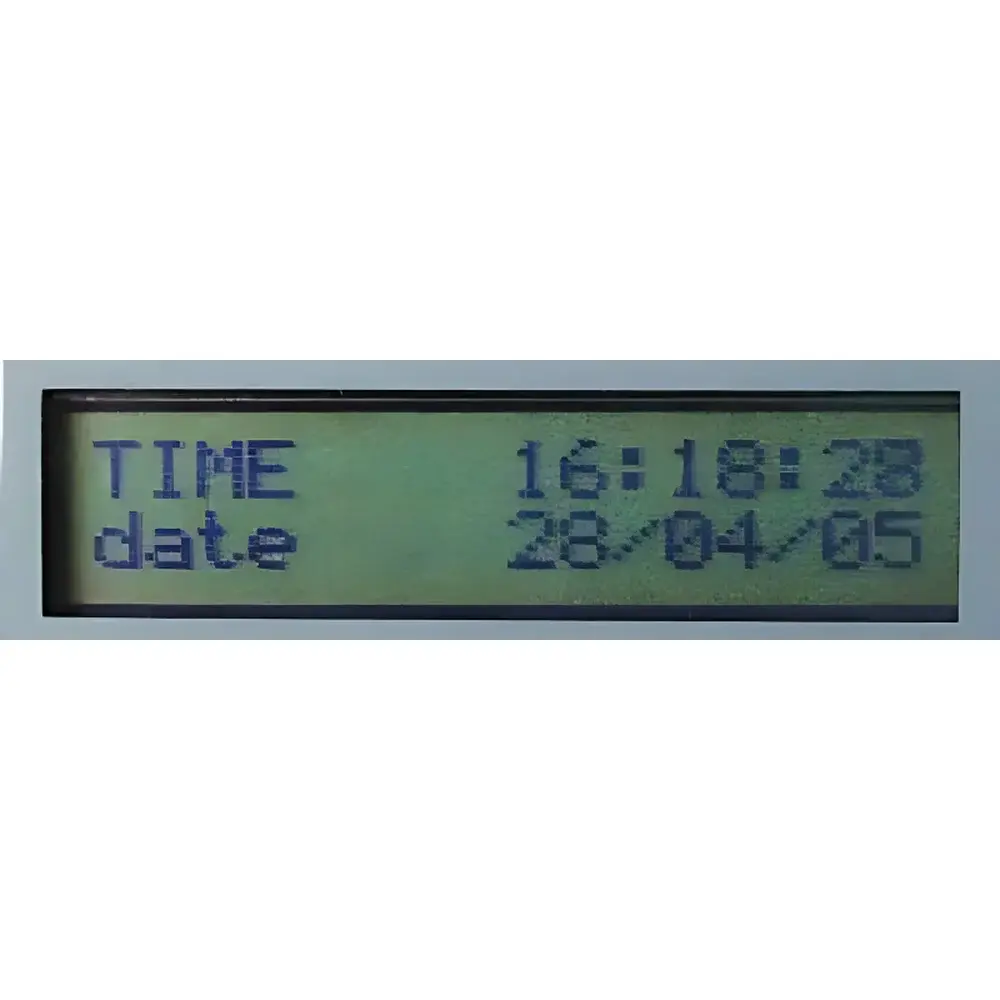
| Display | 2×16-character LCD |
| Interface | USB 1.1/2.0 |
| Power | 2×AA batteries (200 h typical life) |
| Dimensions | 148 mm × 95 mm × 21 mm |
| Weight | 450 g |
| Operating Environment | −30 °C to +65 °C, ≤95% RH |
Overview
The Grant Squirrel OQ610-S is a rugged, battery-powered, six-channel temperature data logger engineered for high-fidelity thermal process validation and monitoring in regulated industrial and research environments. It operates on the principle of precision thermocouple-based measurement—accepting standard K- or T-type probes—and records time-stamped temperature profiles with traceable metrological integrity. Designed specifically for in-process deployment—such as oven curing, food thermal processing, paint bake cycles, and pharmaceutical drying—the OQ610-S is thermally isolated via integrated thermal barrier construction, enabling reliable operation inside high-temperature enclosures without external cooling or shielding. Its core function is to capture complete thermal histories of products or equipment during dynamic heating/cooling sequences, supporting objective verification of critical control points (CCPs) defined in HACCP, ISO 22000, IATF 16949, and FDA 21 CFR Part 11-compliant workflows.
Key Features
- Six independent analog inputs compatible with industry-standard K- and T-type thermocouples—no external signal conditioning required.
- Configurable start/stop triggers based on absolute temperature thresholds or elapsed time, enabling automated capture of transient thermal events.
- High-speed sampling capability up to 8 readings per second per channel—critical for capturing rapid thermal gradients in convection ovens, autoclaves, or coating cure processes.
- Non-volatile flash memory stores up to 260,000 timestamped readings (date, time, channel ID, temperature value), ensuring data retention during power loss or extended unattended operation.
- Integrated 2×16-character backlit LCD provides real-time visibility of measured values, battery status, probe connectivity, pass/fail status against user-defined limits, and communication handshake indicators.
- Magnetic-latch battery compartment enables secure, tool-free access—designed for repeated field deployment in production line or laboratory settings.
- USB 1.1/2.0 interface supports direct connection to Windows-based PCs for configuration, data download, and firmware updates using SquirrelView software.
Sample Compatibility & Compliance
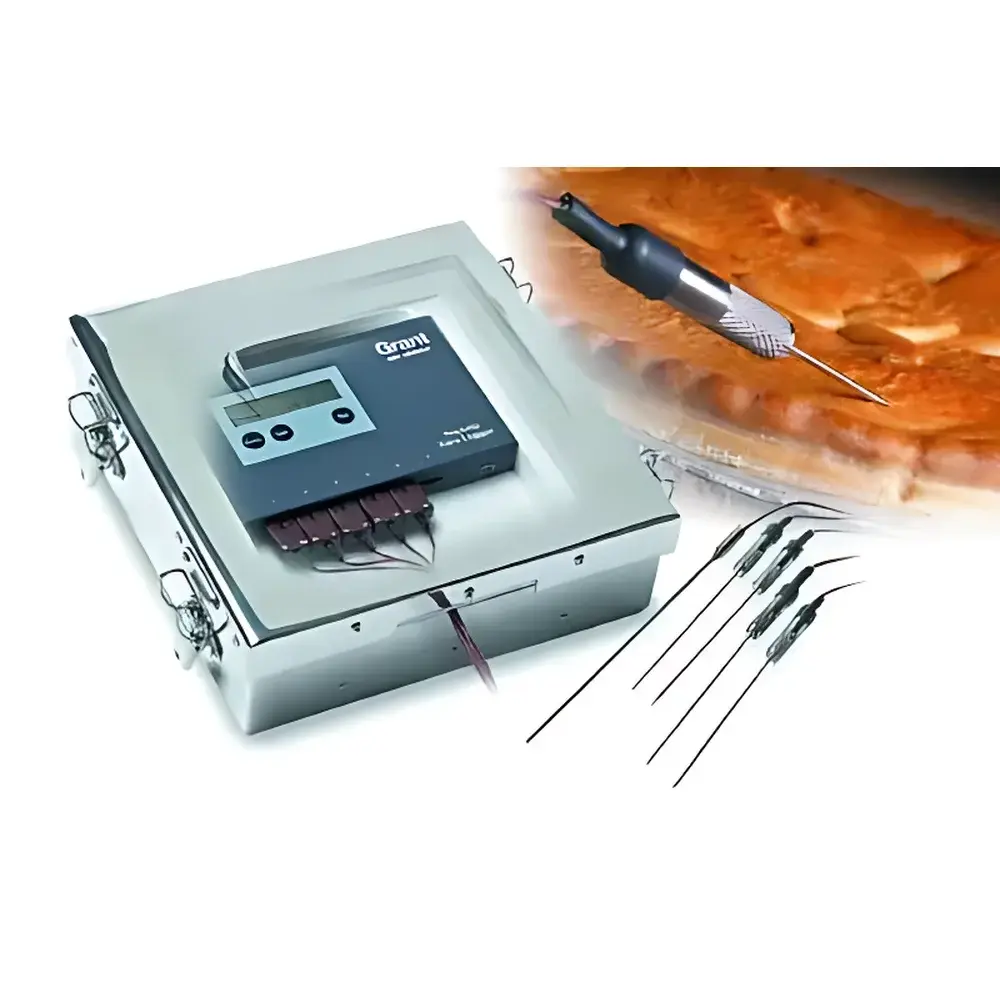
The OQ610-S accommodates a broad range of commercially available K- and T-type thermocouple probes—including fine-wire, sheathed, surface-mount, and penetration types—allowing flexible placement on substrates, within product loads, or embedded in fixtures. Its thermal barrier housing permits direct insertion into ovens, kilns, and paint cure tunnels operating up to 500 °C ambient, while maintaining internal electronics at safe operating temperatures. The device complies with EN 61000-6-2 (immunity) and EN 61000-6-3 (emissions) standards. When used with NIST-traceable thermocouples and calibrated per ASTM E2847 or ISO/IEC 17025 procedures, recorded data meets evidentiary requirements for GMP, GLP, and ISO 9001 quality system audits. Time-stamped, tamper-evident logs support full process traceability and are suitable for inclusion in regulatory submissions.
Software & Data Management
The included SquirrelView software (Windows-compatible) provides full configuration, visualization, analysis, and reporting functionality. Users define logging parameters—including sample interval, alarm thresholds, and trigger conditions—via an intuitive GUI. Raw data exports to CSV, Excel, or PDF formats; trend plots overlay multiple channels with customizable axes, annotations, and statistical summaries (min/max/mean, deviation from setpoint). Audit trail features log all configuration changes with timestamps and operator IDs. For industries requiring electronic record integrity, SquirrelView supports configurable user access levels and optional digital signature integration—aligning with FDA 21 CFR Part 11 requirements when deployed on validated systems.
Applications
- Thermal validation of food pasteurization, retorting, and chilling processes per USDA/FDA guidelines.
- Paint and powder coating cure profile verification in automotive and aerospace finishing lines.
- Pharmaceutical lyophilization cycle mapping and dryer qualification (IQ/OQ).
- Calibration lab temperature uniformity surveys across chamber zones.
- Research-grade thermal characterization of composite material curing kinetics.
- Energy efficiency audits—correlating temperature profiles with HVAC or burner runtime data.
FAQ
What thermocouple types does the OQ610-S support?
It accepts standard K-type (−200 °C to 1300 °C) and T-type (−200 °C to 400 °C) thermocouples with cold-junction compensation built into each channel.
Can the logger operate autonomously without a PC connection?
Yes—it functions as a fully standalone unit powered by two AA batteries, with all configuration and data storage handled internally.
Is the memory capacity shared across all six channels?
Yes—260,000 readings are allocated across the entire dataset, regardless of active channel count or sampling rate.
How is time synchronization maintained during long-term deployments?
The internal real-time clock (RTC) retains accuracy within ±2 minutes per month at 25 °C; time is set during initial configuration via USB and preserved through battery replacement.
Does the OQ610-S meet FDA 21 CFR Part 11 requirements out of the box?
The hardware and firmware provide foundational capabilities (audit trail, electronic signatures, data integrity)—but full Part 11 compliance requires site-specific validation, including documented risk assessment, SOPs, and system-level controls implemented by the end user.