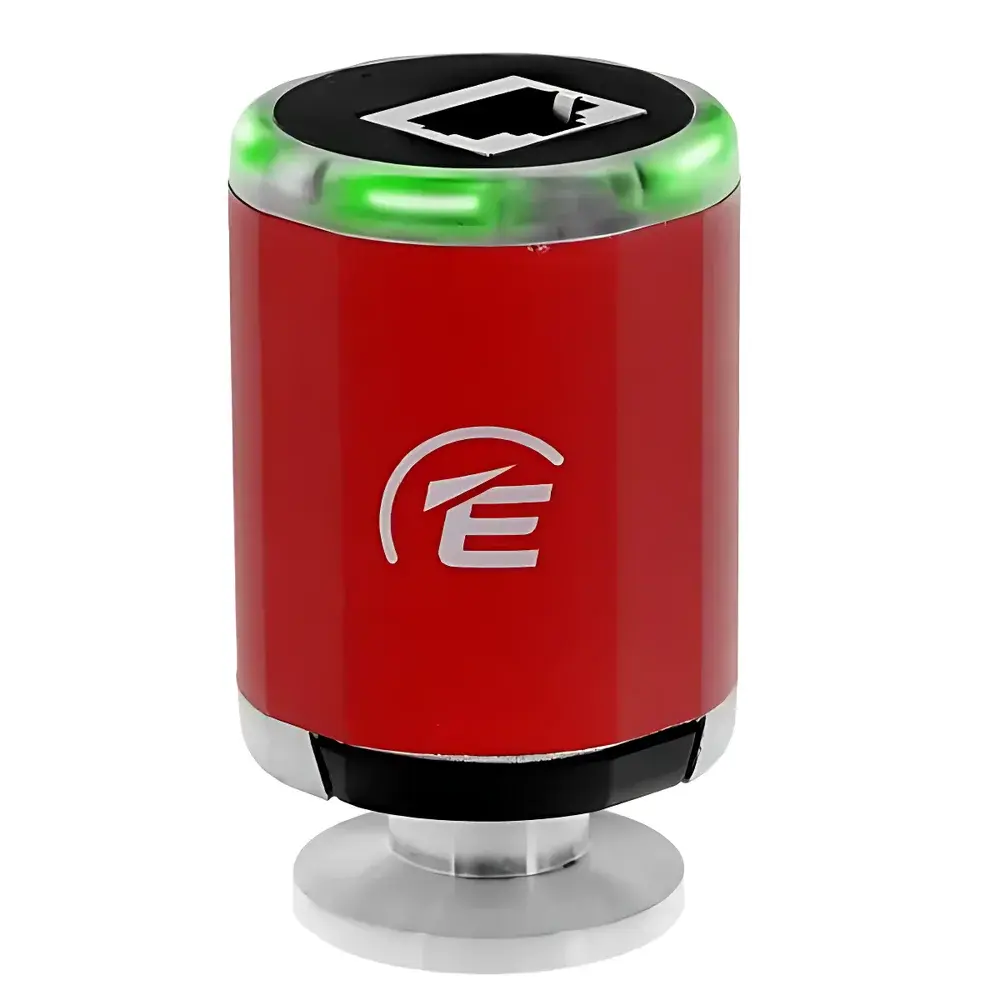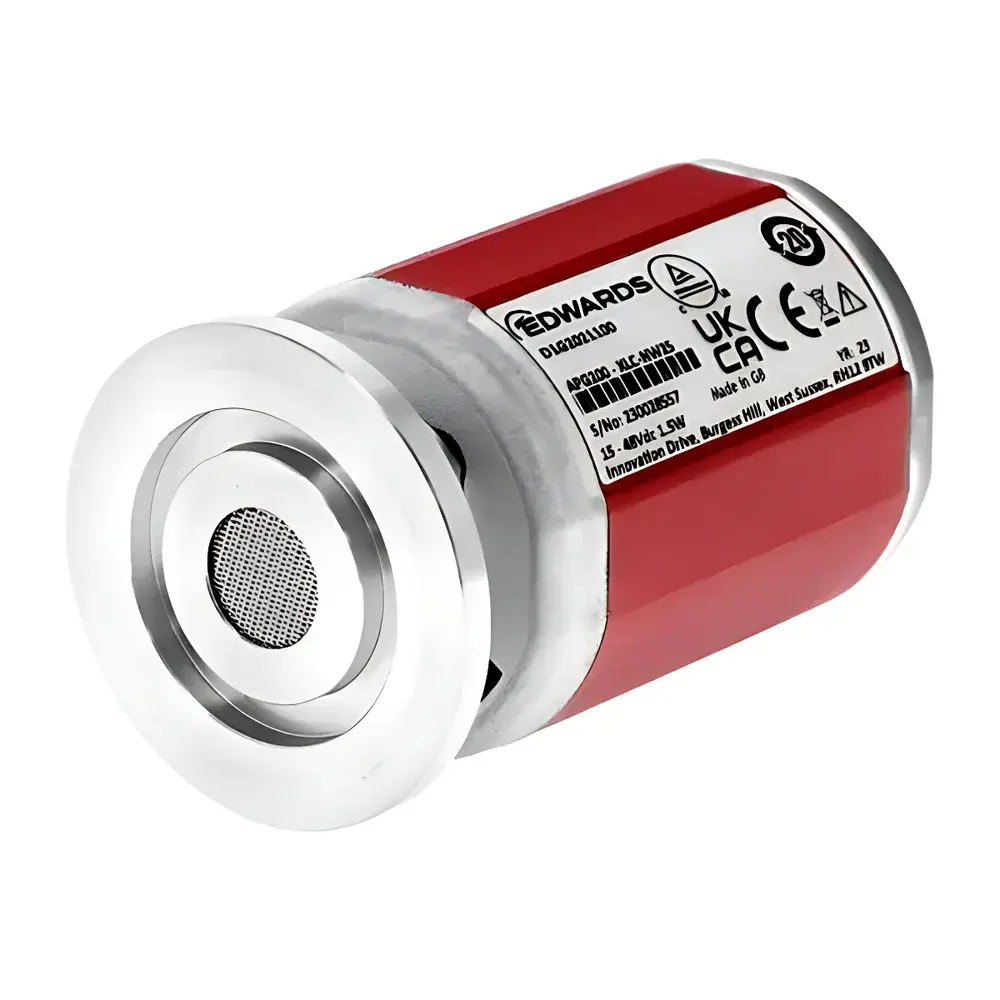
H2SCAN HY-OPTIMA 400 High-Temperature Hydrogen Gas Sensor
| Brand | H2SCAN |
|---|---|
| Origin | USA |
| Manufacturer Type | Authorized Distributor |
| Origin Category | Imported |
| Model | HY-OPTIMA 400 |
| Pricing | Available Upon Request |
Overview
The H2SCAN HY-OPTIMA 400 is a high-temperature, electrochemical hydrogen gas sensor engineered for continuous, real-time monitoring of hydrogen (H₂) concentration in aggressive thermal environments. Unlike broad-spectrum gas detectors, the HY-OPTIMA 400 employs a proprietary solid-electrolyte-based amperometric sensing principle—specifically optimized for selective H₂ oxidation at elevated temperatures—ensuring minimal cross-sensitivity to CO, CH₄, NH₃, H₂O vapor, and other common process gases. Its operational temperature range extends up to 400 °C (752 °F) at the sensor tip, enabling direct in-line installation in hot exhaust streams, catalytic reformer off-gas lines, metal annealing furnaces, and high-temperature electrolysis or pyrolysis reactors. The sensor’s robust ceramic housing and hermetically sealed reference electrode architecture deliver long-term stability under thermal cycling and corrosive atmospheres, meeting the mechanical and chemical durability requirements of industrial process control and safety-critical hydrogen infrastructure.
Key Features
- True high-temperature operation: Continuous measurement capability at sensor tip temperatures up to 400 °C without external cooling or dilution systems.
- High selectivity for H₂: <0.1% interference from CO, CO₂, O₂, N₂, Ar, He, CH₄, and saturated steam under typical operating conditions.
- Amperometric detection with integrated temperature-compensated electronics, delivering linear output (4–20 mA or 0–10 V analog) proportional to H₂ partial pressure (0–100% vol).
- Stainless steel 316L and alumina ceramic construction compliant with NEMA 4X and IP66 environmental ratings.
- No calibration drift due to zero-gas dependency; baseline stability maintained over 12+ months in steady-state applications.
- Fast response time: T₉₀ < 15 seconds in flowing gas at 300 °C, enabling dynamic process feedback and leak detection in real time.
Sample Compatibility & Compliance
The HY-OPTIMA 400 is validated for use in dry and humid hydrogen-containing gas matrices, including syngas, reformed natural gas, ammonia cracker off-gas, and high-purity H₂ feedstocks. It is compatible with non-condensing gas streams containing up to 50% water vapor and trace levels (<10 ppm) of HCl, H₂S, or SO₂—provided exposure duration remains within manufacturer-specified limits. The sensor meets ISO 10156:2010 for gas detection performance classification and complies with IEC 60079-29-1 for flammable gas detection in hazardous areas (certified for Zone 1/21 when installed with approved barrier systems). Documentation supports integration into FDA 21 CFR Part 11-compliant data acquisition systems through optional digital interface modules with audit-trail-enabled configuration logging.
Software & Data Management
The HY-OPTIMA 400 operates as a stand-alone transducer but is fully interoperable with H2SCAN’s optional SensorLink™ software suite (Windows-based), which provides real-time visualization, multi-channel trending, alarm threshold management, and automated calibration verification logs. All firmware updates and configuration changes are timestamped and user-identified, satisfying GLP/GMP traceability requirements. Raw analog outputs may be interfaced with PLCs, DCS platforms (e.g., Emerson DeltaV, Siemens PCS7), or SCADA systems via standard 4–20 mA HART or Modbus RTU protocols. Optional RS-485 digital output supports up to 32 sensors on a single bus, enabling scalable deployment across large-scale hydrogen production or storage facilities.
Applications
- Real-time H₂ purity monitoring in PEM and alkaline electrolyzer stacks during commissioning and routine operation.
- In-situ concentration profiling in high-temperature catalytic cracking and steam methane reforming (SMR) units.
- Leak detection and purge verification in hydrogen-cooled turbo-generators and fuel cell test benches.
- Process safety interlocks for furnace atmosphere control in stainless steel and silicon carbide sintering lines.
- Regulatory compliance reporting for DOE H₂@Scale initiatives and EU Hydrogen Backbone infrastructure projects.
FAQ
What is the maximum allowable gas stream temperature at the sensor inlet?
The HY-OPTIMA 400 is rated for continuous exposure to gas temperatures up to 400 °C at the sensing element; however, the process fitting and cable termination must remain below 150 °C per UL 61010-1 guidelines.
Does the sensor require zero or span calibration during field operation?
No routine zero calibration is required due to its reference electrode design; span verification using certified 5% H₂/N₂ standard gas is recommended every 6 months for critical applications.
Can it be used in reducing atmospheres with high CO content?
Yes—the sensor exhibits <0.05% CO interference at 10,000 ppm CO and 100°C, making it suitable for syngas and Fischer–Tropsch tail-gas analysis.
Is explosion-proof certification available?
The sensor head itself is intrinsically safe; full ATEX/IECEx Zone 1 certification is achieved when paired with H2SCAN’s approved Zener barrier or galvanic isolator modules.
What is the expected service life under continuous 350 °C operation?
Typical functional lifespan exceeds 24 months in clean, non-sulfidizing environments; accelerated aging data shows >90% signal retention after 18,000 hours at 300 °C.