
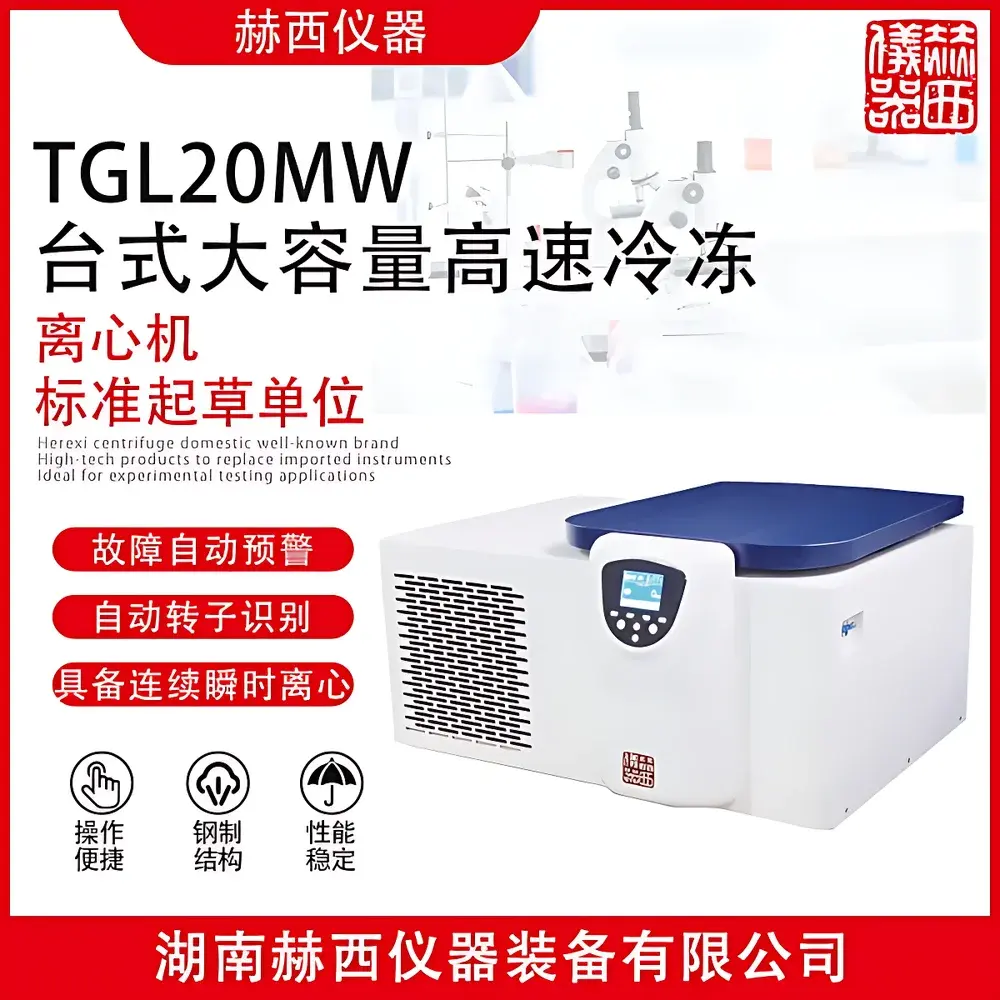
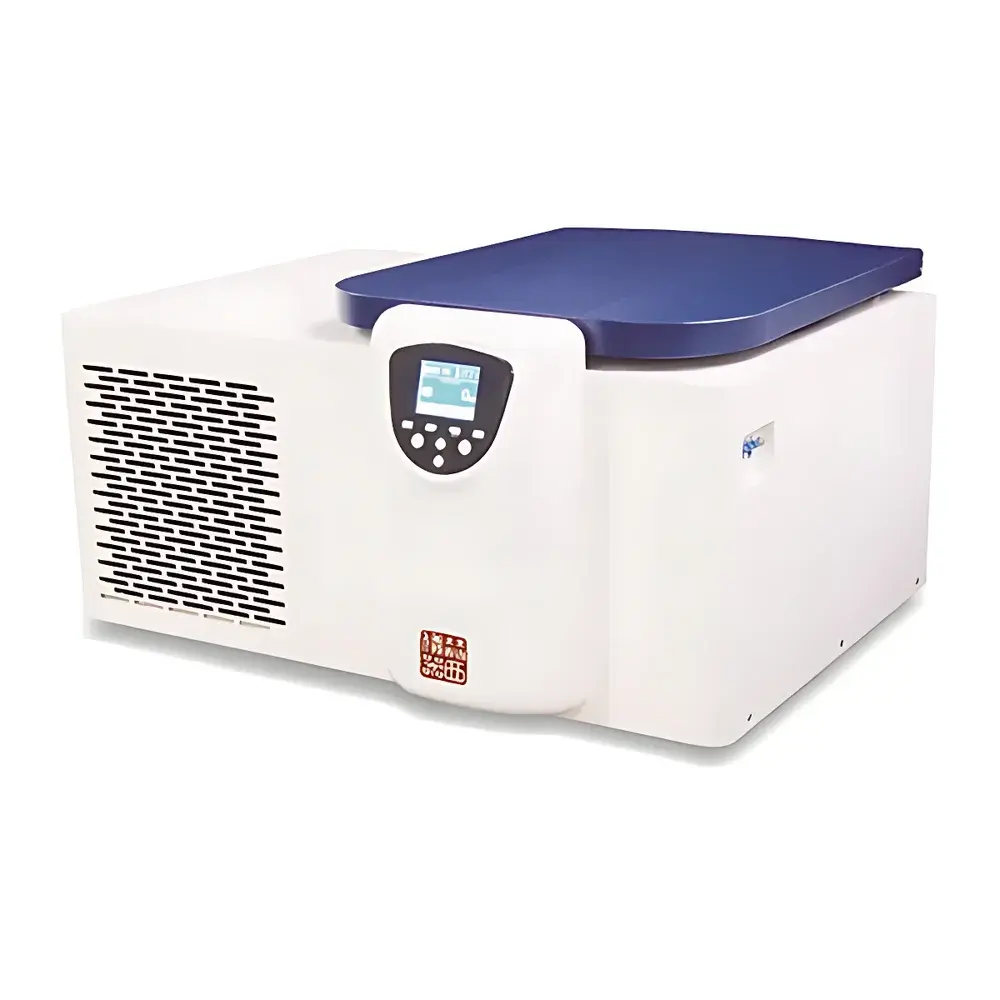
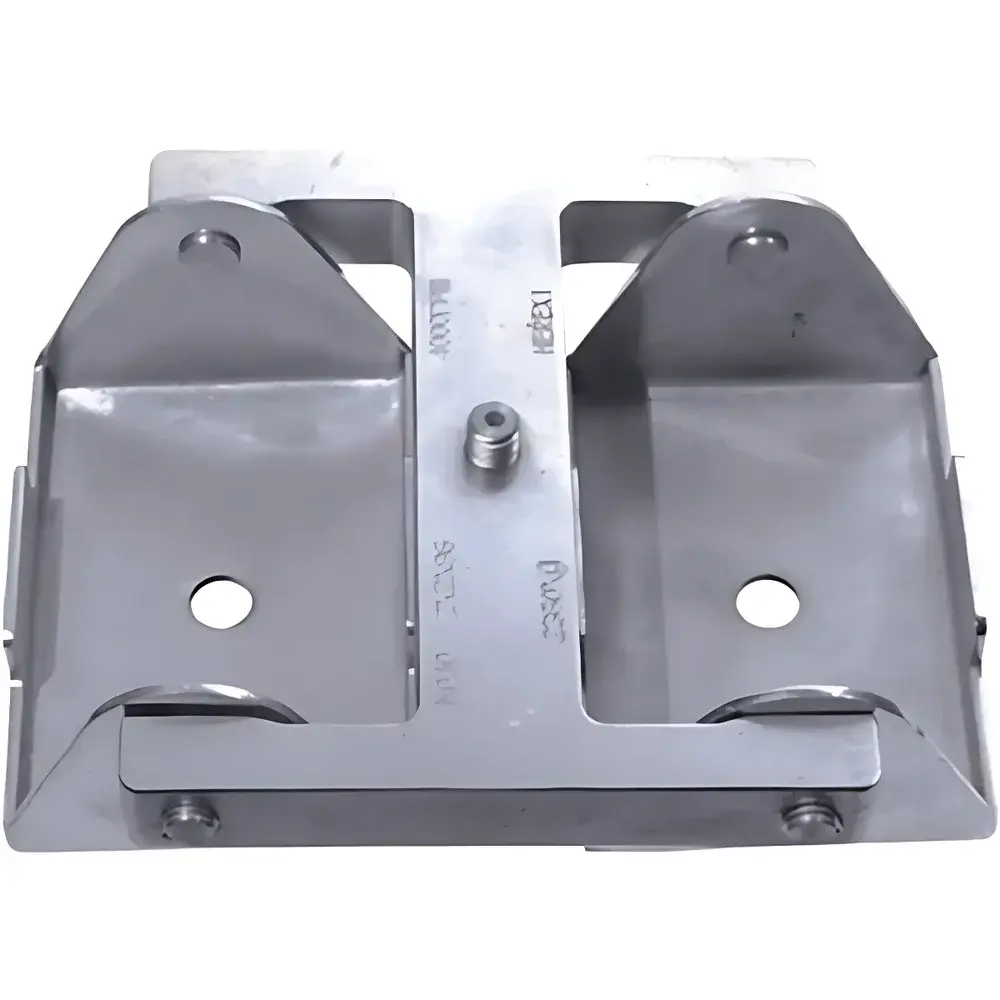
Herx TGL20MW Benchtop High-Capacity High-Speed Refrigerated Centrifuge
| Brand | Herx |
|---|---|
| Model | TGL20MW |
| Type | Benchtop Refrigerated Centrifuge |
| Max Capacity | 6 × 250 mL |
| Max Speed | 20,600 rpm |
| Max RCF | 30,550 × g |
| Temperature Range | −20 °C to +40 °C |
| Temp Control Accuracy | ±1 °C |
| Noise Level | ≤60 dB(A) |
| Dimensions (W×D×H) | 630 × 760 × 400 mm |
| Weight | 110 kg |
| Power | 1.8 kW |
| Acceleration/Deceleration | 10 selectable rates |
| Programmable Methods | 20 pre-set + user-defined protocols |
| Rotor Recognition | Automatic |
| Drive System | Brushless AC frequency-conversion motor with dsPIC30F microcontroller and FSBB30CH intelligent driver module |
| Cooling System | Eco-friendly R404a refrigerant compressor unit |
| Safety Features | Overspeed, overtemperature, imbalance, door interlock, and active vibration damping |
Overview
The Herx TGL20MW is a benchtop high-capacity high-speed refrigerated centrifuge engineered for reproducible, thermally controlled separation of biological and clinical samples under stringent laboratory conditions. It operates on the principle of sedimentation force generation via rotational acceleration—applying precisely regulated centrifugal fields (up to 30,550 × g) to separate particles by density, size, and shape in liquid suspensions. Its integrated refrigeration system maintains sample integrity during prolonged high-speed runs, making it especially suitable for temperature-sensitive applications including plasma fractionation, peripheral blood mononuclear cell (PBMC) isolation, viral pellet recovery, and large-volume serum/plasma preparation in blood banking and bioprocessing environments.
Key Features
- Brushless high-torque AC frequency-conversion motor with dsPIC30F microcontroller-based digital control and FAIRCHILD FSBB30CH intelligent drive module—ensuring stable torque delivery across the full speed range (0–20,600 rpm) and extended service life.
- Automatic rotor recognition system prevents mismatched rotor operation and enforces safety-critical parameter limits per installed configuration.
- TFT true-color 4.3-inch touchscreen interface with dual-control logic (touch + physical keys), displaying real-time setpoints and actual values—including speed, RCF, temperature, time remaining, and acceleration/deceleration profile.
- Multi-layer mechanical and electronic protection suite: overspeed cutoff, real-time temperature monitoring with thermal runaway prevention, dynamic imbalance detection, automatic brake activation upon lid opening, and passive-active composite vibration damping architecture.
- Quiet operation at ≤60 dB(A) achieved through optimized aerodynamic rotor housing design, precision-balanced rotating assemblies, and acoustic insulation within the cabinet structure.
- Flexible programmability: 20 factory-default methods plus unlimited user-defined protocols; 10-step acceleration and deceleration ramping for sensitive sample handling; continuous and short-pulse (‘quick spin’) modes supported.
- Electromechanical door lock with position-sensing feedback ensures secure containment during operation and failsafe release under power loss or emergency stop.
Sample Compatibility & Compliance
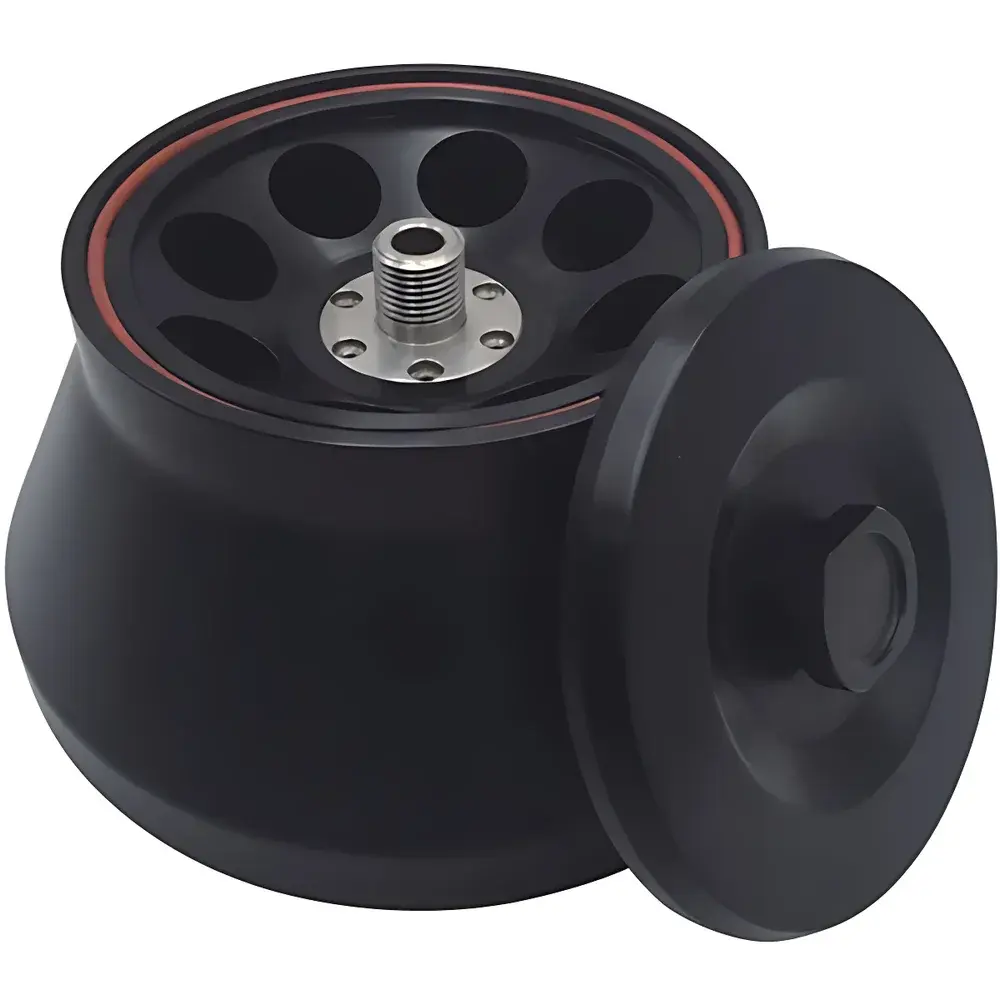
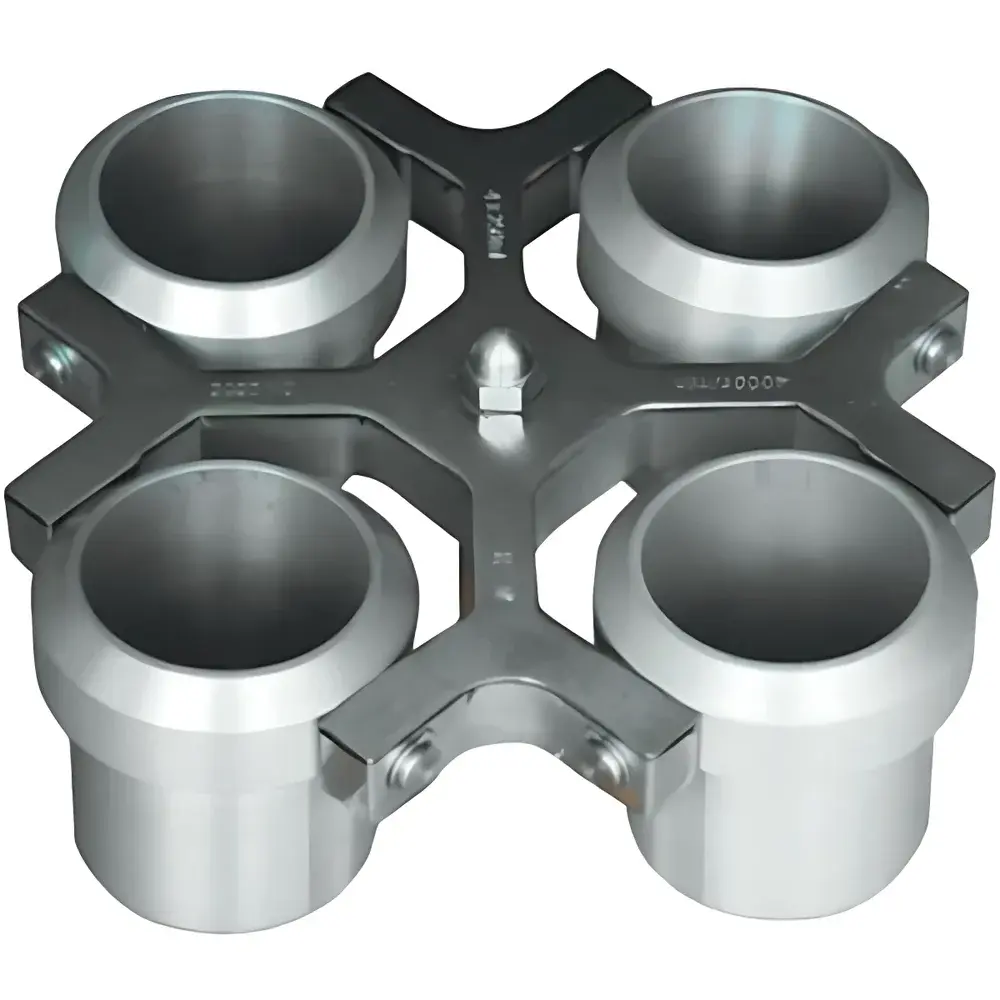
The TGL20MW accommodates a broad spectrum of primary and secondary sample containers—from standard microcentrifuge tubes (1.5–2.0 mL), conical-bottom 15 mL and 50 mL tubes, to high-volume bottles (100–500 mL) and specialized formats including vacuum blood collection tubes (e.g., EDTA, heparin, serum separator tubes). Its modular rotor library supports both fixed-angle and horizontal configurations, enabling optimization for pelleting, density gradient separation, and large-volume clarification tasks. The instrument complies with IEC 61010-1:2010 for electrical safety and IEC 61010-2-020:2016 for centrifuge-specific requirements. While not certified for ISO 13485 or FDA 21 CFR Part 11 out-of-the-box, its audit-ready operational logs, parameter traceability, and password-protected method editing support GLP/GMP-aligned workflows when deployed with documented SOPs and periodic calibration verification.
Software & Data Management
The embedded control firmware records complete run metadata—including date/time stamp, selected rotor ID, speed, RCF, temperature setpoint and deviation, duration, acceleration/deceleration profile, and fault events—for each centrifugation cycle. All data are stored internally with non-volatile memory retention and exportable via USB port in CSV format for integration into LIMS or ELN platforms. No proprietary software installation is required for basic operation or data retrieval. Optional PC-based remote monitoring (via RS485 or Ethernet add-on module) enables centralized fleet management in multi-instrument core facilities, supporting scheduled maintenance alerts and historical performance trending aligned with ISO/IEC 17025 quality assurance frameworks.
Applications
- Blood bank operations: Large-volume whole blood processing (4 × 250 mL or 4 × 500 mL), platelet-rich plasma (PRP) and platelet-poor plasma (PPP) preparation, cryoprecipitate harvesting.
- Clinical diagnostics: Serum/plasma separation from evacuated tubes (up to 76 × 5 mL), PBMC isolation using Ficoll-Paque gradients, exosome enrichment via ultracentrifugation-compatible protocols.
- Biopharmaceutical QC: Clarification of cell culture harvests, virus-like particle (VLP) concentration, and downstream intermediate purification steps requiring thermal stabilization.
- Food safety & agricultural testing: Pathogen concentration from milk, juice, or environmental swab eluates; mycotoxin extraction support; seed protein fractionation.
- Academic research: Subcellular organelle isolation, nucleic acid precipitation, nanoparticle characterization support, and preparative-scale macromolecular purification.
FAQ
What is the maximum allowable ambient temperature for continuous operation?
The unit is rated for continuous use in ambient environments up to 30 °C; sustained operation above this threshold may compromise cooling efficiency and require extended cooldown intervals between runs.
Does the TGL20MW support validation documentation packages for regulated labs?
Yes—Herx provides IQ/OQ documentation templates compliant with ISO/IEC 17025 and GxP expectations, including calibration certificate traceability to NIST standards, performance verification checklists, and preventive maintenance logs.
Can the centrifuge be operated without refrigeration?
Yes—the temperature control system can be disabled to enable ambient-temperature high-speed spinning; however, the compressor remains electrically isolated, and no additional hardware modification is needed.
Is rotor autoclaving permitted?
Fixed-angle aluminum rotors are compatible with steam sterilization at 121 °C for 20 minutes; horizontal carriers and bucket assemblies must be disassembled and cleaned according to manufacturer-recommended protocols—autoclaving of assembled buckets is not advised.
How frequently should the refrigeration system be serviced?
Compressor oil and filter-drier replacement is recommended every 36 months or after 10,000 operating hours, whichever occurs first; annual leak testing and refrigerant charge verification are advised for laboratories maintaining CLIA or CAP accreditation.



