
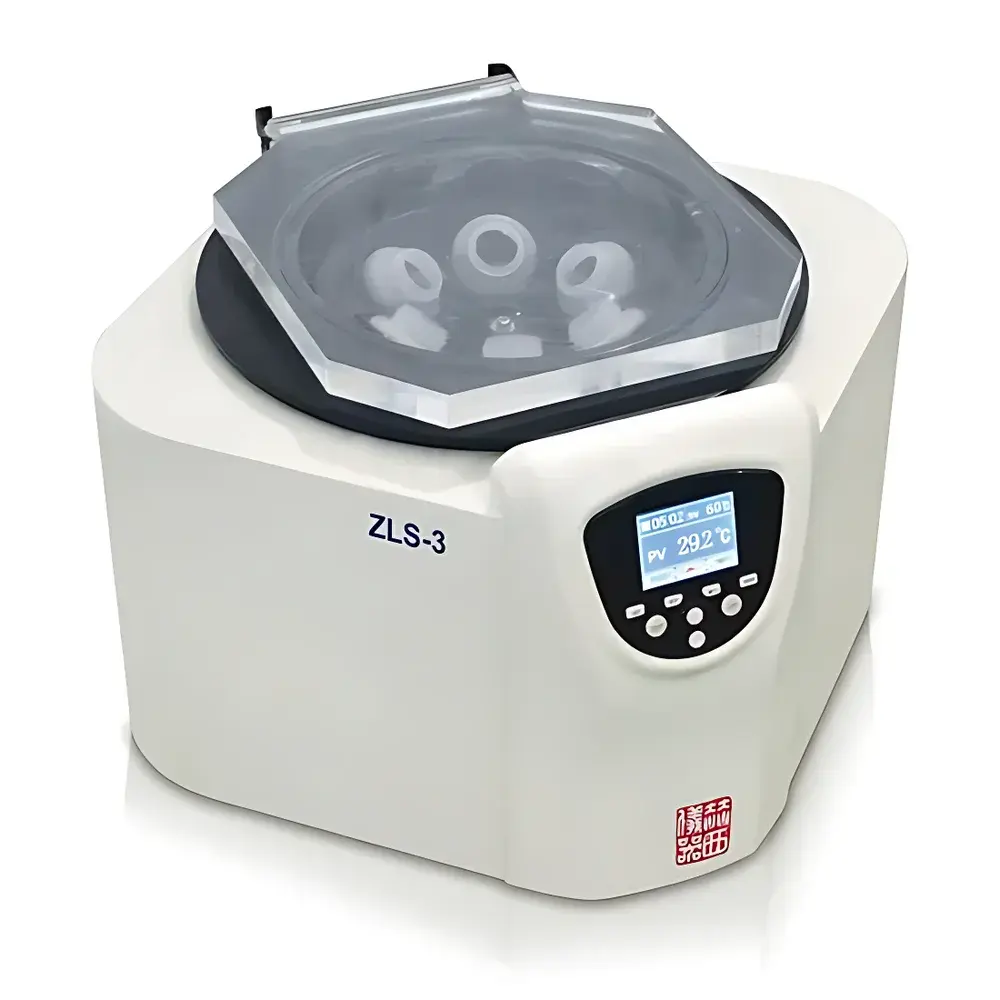
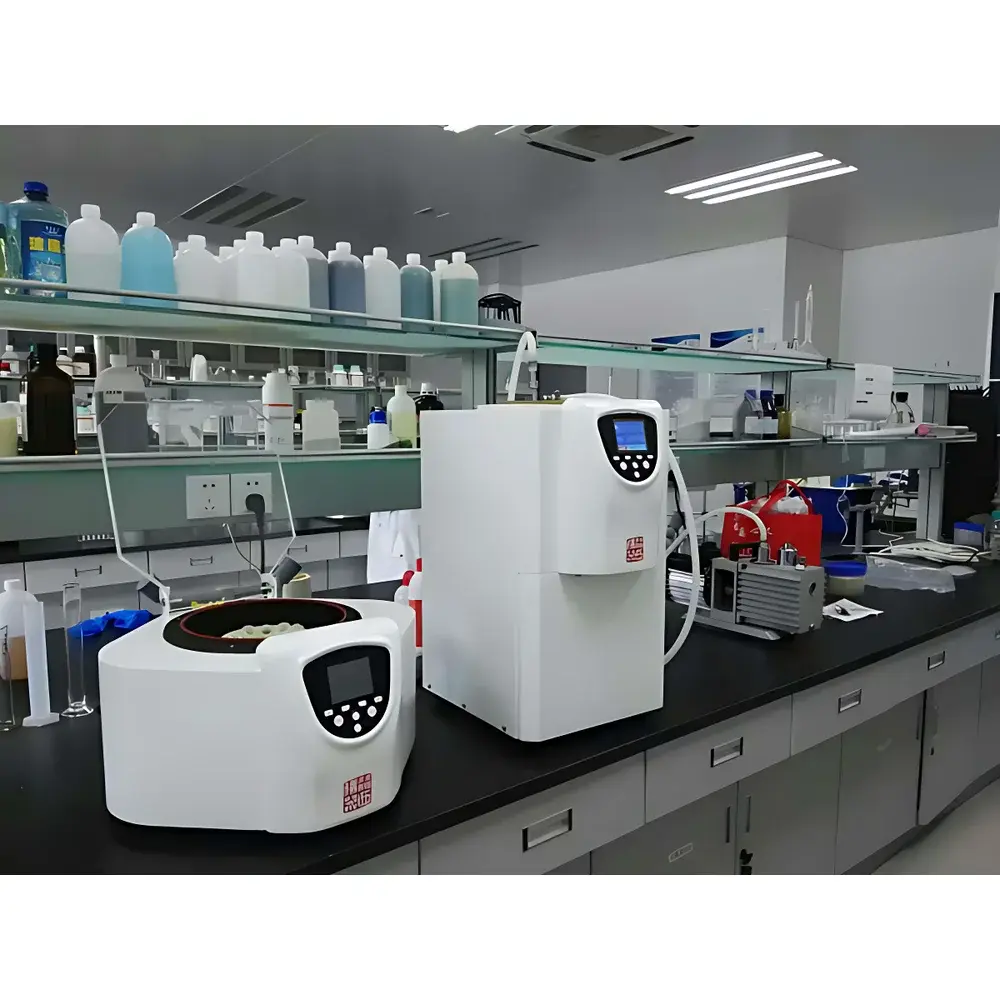
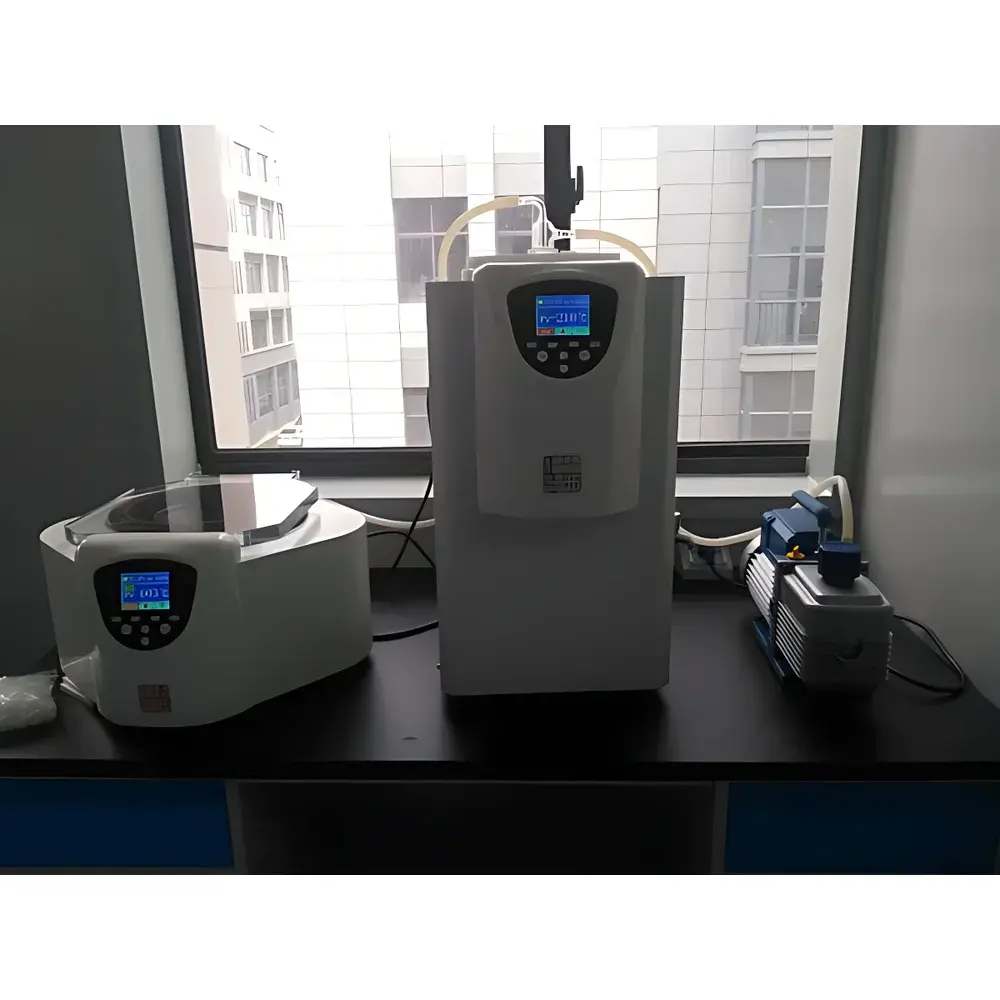
Hettich ZLS-3 Vacuum Centrifugal Concentrator
| Brand | Hettich |
|---|---|
| Origin | Hunan, China |
| Manufacturer Type | Authorized Distributor |
| Origin Category | Domestic (China) |
| Model | ZLS-3 |
| Instrument Type | Vacuum Centrifugal Concentrator |
| Temperature Range | Ambient to 60 °C (heating optional) |
| Temperature Control Accuracy | ±1 °C |
| Sample Capacity | 6 × 250 mL |
| Maximum Rotational Speed | 2000 rpm |
| Maximum RCF | 500 × g |
| Vacuum Interface | φ10 mm |
| Ultimate Vacuum | 0.1 mbar (with compatible pump) |
| Timer Range | 1 min – 99 h 59 min |
| Dimensions (L×W×H) | 600 × 540 × 360 mm |
| Power Supply | AC 220 V / 50 Hz |
| Optional Accessories | CT-6 Cold Trap, 2×2×48-well Microplate Rotor, 50 mL & 20 mL Adapters |
Overview
The Hettich ZLS-3 Vacuum Centrifugal Concentrator is an engineered solution for gentle, high-efficiency solvent removal from biological, pharmaceutical, and analytical samples. It integrates three orthogonal physical principles—centrifugal force, vacuum-induced vapor pressure reduction, and controlled conductive heating—to accelerate evaporation while preserving sample integrity. Unlike simple rotary evaporators or nitrogen blow-down systems, the ZLS-3 maintains sample stability through low-temperature operation (ambient to 60 °C), precise thermal regulation (±1 °C), and continuous rotational symmetry that prevents splashing, foaming, or cross-contamination. Its design adheres to core laboratory requirements for reproducibility, traceability, and compatibility with downstream analytical workflows—including HPLC, LC-MS, ELISA, qPCR, and NGS library preparation.
Key Features
- High-torque brushless DC motor delivering stable 2000 rpm rotation with <45 dB(A) acoustic emission—optimized for shared lab environments.
- TFT-LCD true-color touchscreen interface with dual-input support (touch + physical keys); real-time display of setpoints (temperature, time, speed) and actual operational parameters (RCF, vacuum status, elapsed time).
- Aluminum centrifuge chamber with anodized electrocoat finish—chemically resistant to common organic solvents (e.g., acetonitrile, methanol, chloroform, ethyl acetate) and aqueous buffers.
- Uniform bottom-heating system enabling rapid thermal equilibration and precise cavity temperature control up to 60 °C; heating module is field-installable and independently switchable.
- Non-contact drive mechanism eliminates mechanical wear, lubrication needs, or rotor shaft contamination—ensuring long-term calibration stability and GLP-compliant maintenance logs.
- Transparent PMMA lid with integrated safety interlock; allows unobstructed visual monitoring without interrupting vacuum or rotation.
- Programmable timer (1 min – 99 h 59 min) with automatic shutdown and audible alert; supports multi-step protocols via external USB configuration (optional firmware upgrade path).
- Modular architecture: base unit accepts multiple rotor configurations—including 6 × 250 mL angular rotors, dual 2×2×48-well microplate carriers, and adapter sets for 20 mL or 50 mL tubes—enabling workflow-specific scalability.
- Over-temperature warning circuit with independent thermal cutoff (≥65 °C) and fault logging capability.
Sample Compatibility & Compliance
The ZLS-3 accommodates a broad range of sample formats and chemistries without degradation: nucleic acids (DNA/RNA), proteins (IgG, enzymes, recombinant antigens), small-molecule metabolites, pesticide residues, forensic toxicology extracts, and synthetic oligonucleotides. Its vacuum-compatible chamber (0.1 mbar ultimate pressure) supports volatile solvent removal (e.g., ethanol, acetone, dichloromethane) as well as aqueous-based concentration. The system complies with IEC 61010-1:2010 for electrical safety and meets ISO/IEC 17025:2017 environmental conditioning requirements when operated within specified ambient conditions (15–30 °C, ≤70% RH). When paired with a certified cold trap (e.g., CT-6) and validated vacuum pump, it satisfies residue recovery criteria outlined in EPA Method 1694 and USP for analytical instrument qualification.
Software & Data Management
While the ZLS-3 operates as a standalone instrument with embedded microprocessor control (Infineon driver IC + Yingruien MCU), its parameter logging function records timestamped events—including start/stop cycles, temperature deviations >±1.5 °C, vacuum loss incidents, and rotor imbalance alerts—into non-volatile memory (retention ≥10 years). Data export is supported via USB port using CSV-formatted files compatible with LIMS integration (e.g., LabWare, STARLIMS). Audit trail functionality aligns with FDA 21 CFR Part 11 requirements when used with password-protected user roles and electronic signature validation (available via optional firmware module). All firmware updates are digitally signed and verified prior to installation.
Applications
- Downstream processing of SPE and QuEChERS extracts in food safety and environmental testing laboratories.
- Concentration of dilute biofluid samples (serum, urine, CSF) prior to LC-MS/MS quantification of ADME/Tox biomarkers.
- Routine desalting and buffer exchange for monoclonal antibody purification workflows.
- Pre-concentration of forensic urine specimens for GC-MS screening of amphetamines, opioids, and synthetic cannabinoids.
- High-throughput DNA library normalization in NGS core facilities (compatible with 96-well plate rotors).
- Removal of residual solvents from polymer synthesis intermediates under inert atmosphere (N₂ purge optional).
- Stabilization of thermolabile compounds—such as prostaglandins or labile glycoproteins—via sub-ambient vacuum-only mode.
FAQ
Does the ZLS-3 include a vacuum pump or cold trap?
No—the vacuum pump and CT-6 cold trap are optional accessories. System performance requires a two-stage oil-sealed or dry scroll pump capable of achieving ≤0.1 mbar.
Can the ZLS-3 be used for lyophilization?
No—it is not designed for freeze-drying. It performs vacuum centrifugation only; primary drying via sublimation requires dedicated lyophilizers with condenser temperatures ≤−50 °C.
Is rotor imbalance detection automated?
Yes—vibration sensing triggers immediate deceleration and error code display if mass asymmetry exceeds 5 g per tube position.
What is the maximum recommended volume per 250 mL tube during operation?
For optimal solvent removal efficiency and foam suppression, fill volume should not exceed 70% of nominal capacity (i.e., ≤175 mL per tube).
How often does the system require preventive maintenance?
Annual inspection of O-rings, vacuum line integrity, and heater calibration is recommended; no routine lubrication or bearing service is required due to the contactless drive architecture.
Related Products



