
HNPM mzr Series Micro Annular Gear Pump – Precision Metering Pump (Germany Imported)
| Brand | HNPM |
|---|---|
| Origin | Germany |
| Drive Type | Electric Motor |
| Speed Range | 0–300 rpm |
| Flow Rate | 1 µL/h – 1.1 L/h |
| Pressure Range | 0–150 bar |
| Viscosity Range | 0.3–1,000,000 mPa·s |
| Materials | Tungsten Carbide & Ceramic Components |
Overview
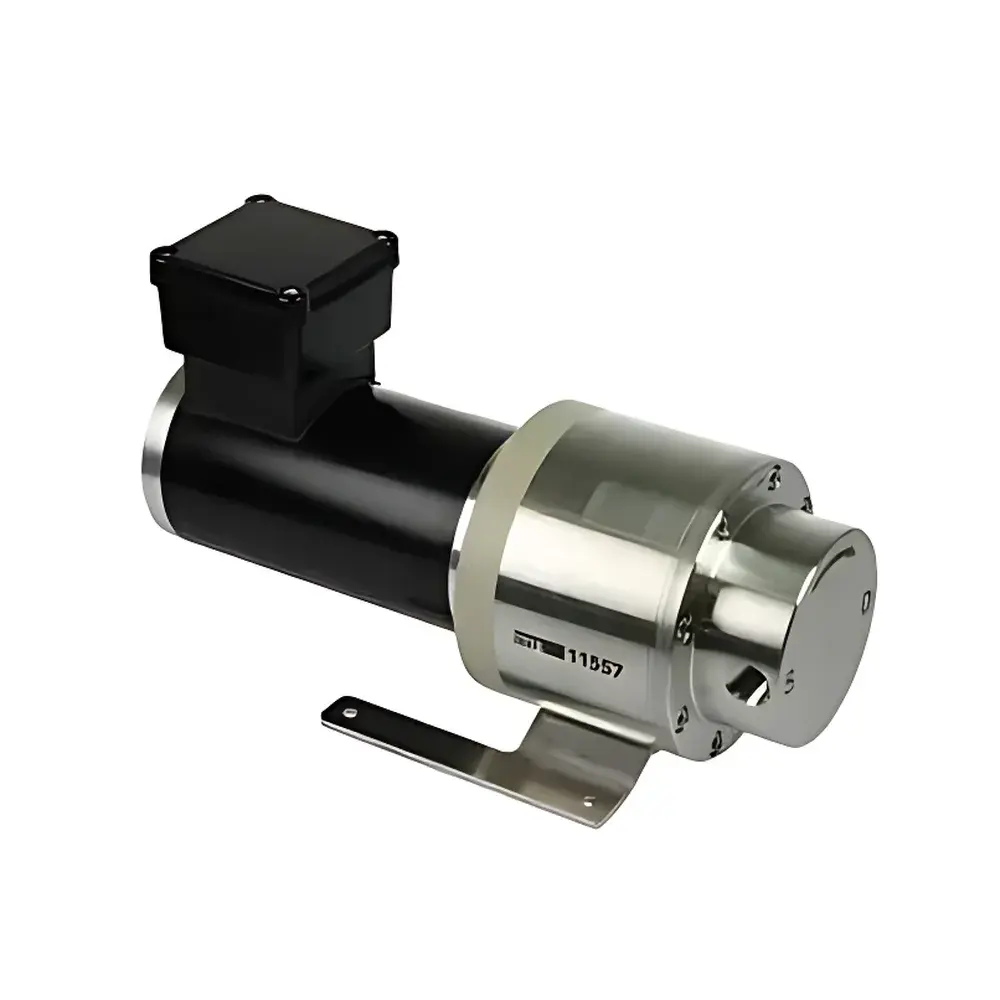
The HNPM mzr series micro annular gear pump is a high-precision, German-engineered positive displacement metering pump designed for ultra-accurate liquid handling in demanding laboratory, analytical, and industrial process environments. Based on the proven principle of micro annular gear displacement—where two intermeshing gears rotate within a precisely machined housing—the pump delivers exceptional volumetric accuracy, minimal flow pulsation, and near-zero shear stress across an exceptionally wide viscosity range (0.3–1,000,000 mPa·s). Unlike peristaltic or syringe-based systems, the mzr architecture eliminates elastomeric tubing wear and seal degradation, enabling stable long-term operation with reproducible dosing down to 0.25 µL per revolution. Its robust construction—featuring tungsten carbide gears, ceramic bushings, and chemically resistant wetted materials—ensures compatibility with aggressive solvents, biological buffers, fuels, and high-purity reagents. The pump operates without external valves in many configurations, reducing system complexity and dead volume (<1 µL), making it especially suitable for trace-level delivery, closed-loop process control, and integration into space-constrained platforms such as lab-on-a-chip devices, automated liquid handlers, and portable diagnostic instruments.
Key Features
- Micro annular gear mechanism delivering continuous, low-pulsation flow with <0.5% flow variability under steady-state conditions
- True bidirectional operation—reversible rotation enables precise backflushing, priming, and recirculation without hardware modification
- Self-priming capability up to 5 m suction lift, eliminating need for auxiliary vacuum or pressure assist in most applications
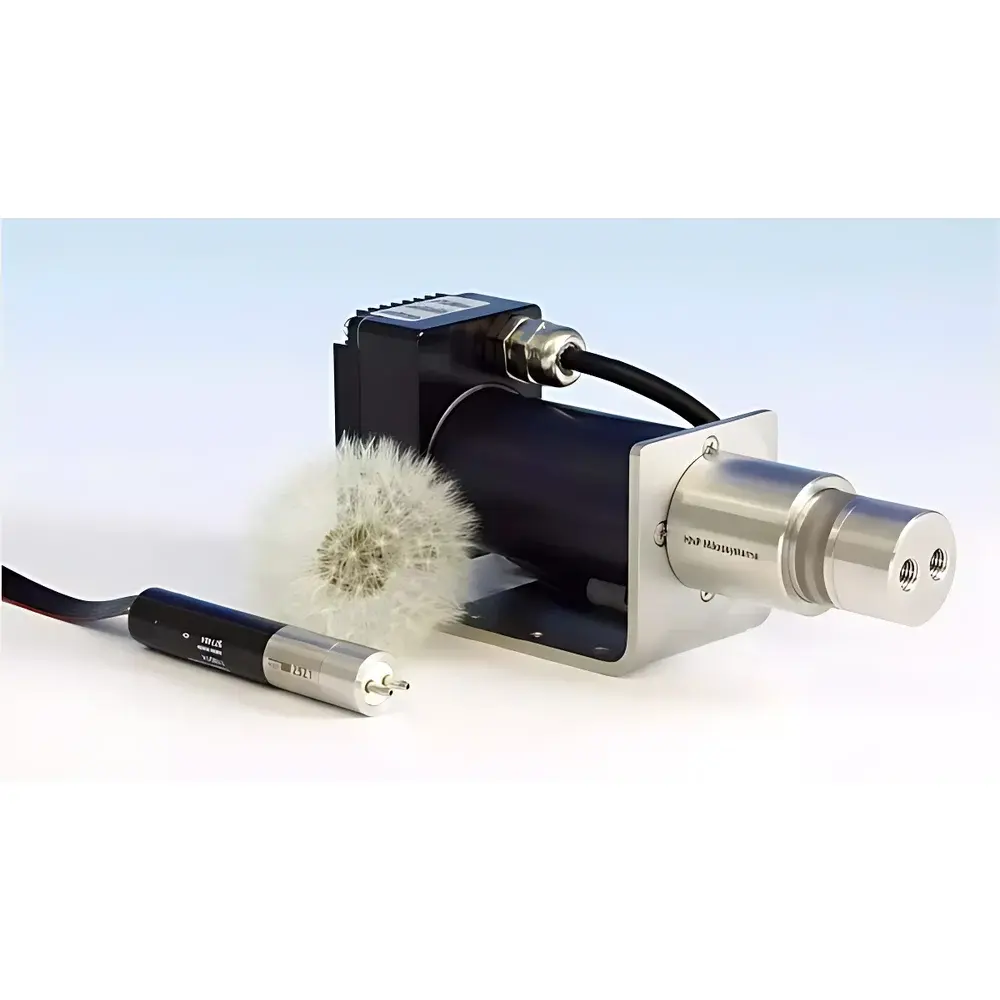
- OEM-optimized form factor: compact footprint (e.g., mzr-2521: 42 × 32 × 28 mm), low power consumption (<5 W), and 24 V DC motor interface
- Chemically inert wetted path using sapphire, zirconia, and tungsten carbide—validated for compatibility with methanol, IPA, DMSO, HCl (dilute), NaOH (≤1 M), and silicone oils
- Dynamic flow control via integrated encoder feedback and programmable speed ramping—supports real-time flow rate modulation without external flow sensors
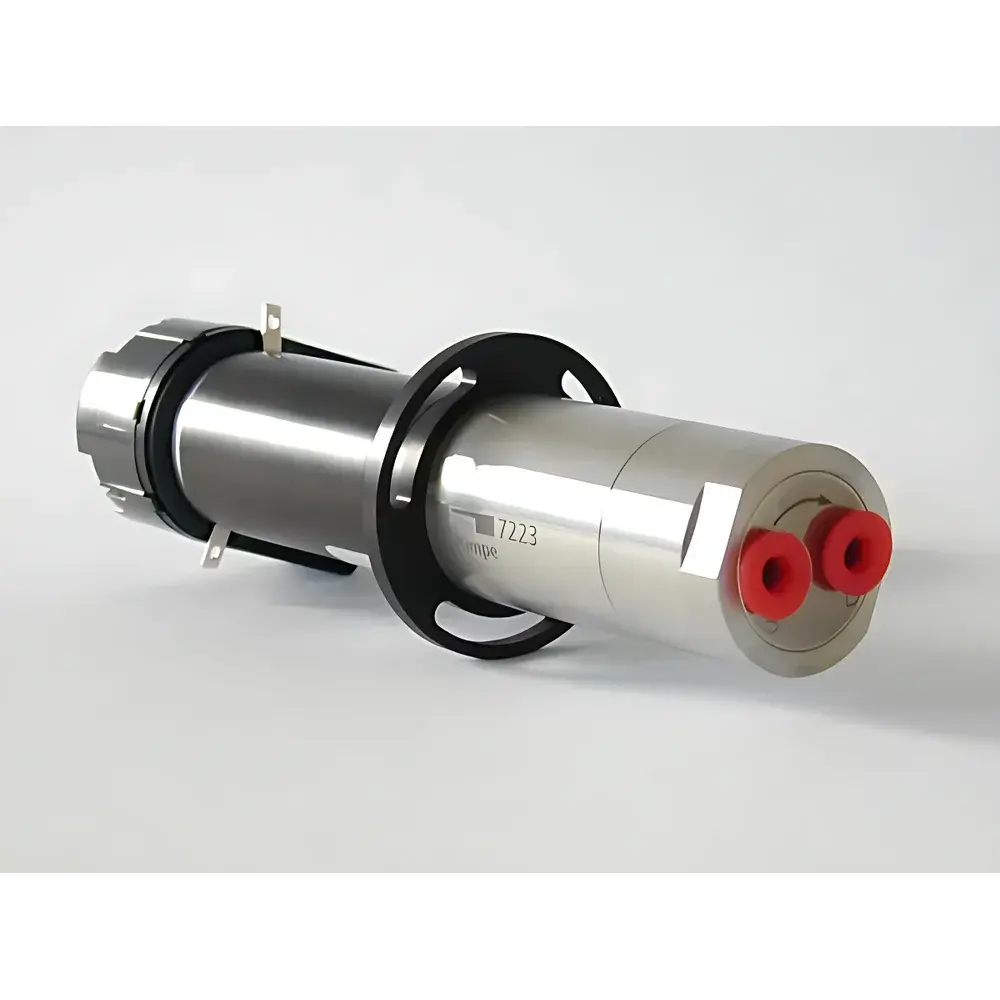
- Explosion-proof variants (ATEX II 2G Ex db IIB T4 Gb / II 2D Ex tb IIIC T135°C Db) certified for Zone 1/21 hazardous areas
Sample Compatibility & Compliance
The mzr pump accommodates liquids spanning from deionized water (0.3 mPa·s) to highly viscous polymer melts (up to 1,000,000 mPa·s), including non-lubricating media such as aqueous salt solutions and low-surface-tension solvents. Its low-shear design preserves integrity of shear-sensitive biomolecules (e.g., proteins, plasmids, exosomes) and emulsions. All standard models comply with RoHS 2011/65/EU and REACH SVHC regulations. Explosion-proof units meet ATEX 2014/34/EU and IECEx standards. For regulated environments—including clinical diagnostics and pharmaceutical manufacturing—the pump supports integration into systems compliant with ISO 13485, FDA 21 CFR Part 11 (when paired with validated control software), and EU GMP Annex 11 requirements for electronic records and signatures.
Software & Data Management
HNPM provides open-protocol communication interfaces (RS-485 Modbus RTU, optional CANopen or USB-CDC) enabling seamless integration with LabVIEW, Python (PySerial), MATLAB, and PLC-based automation frameworks. The included HNPM PumpControl Suite offers calibration wizards, flow profile logging (100 Hz timestamped data), and audit-trail-enabled parameter change history—fully aligned with ALCOA+ principles (Attributable, Legible, Contemporaneous, Original, Accurate, Complete, Consistent, Enduring, Available). Firmware updates are performed via signed binary packages; configuration files support version-controlled deployment across multi-pump OEM systems.
Applications
- Analytical instrumentation: HPLC solvent delivery, IC eluent generation, ICP-MS nebulizer feed, and capillary electrophoresis buffer supply
- Lab automation: Multi-channel pipetting robots (up to 8 parallel mzr pumps per controller), microplate washers, and ELISA dispensers
- In vitro diagnostics: Precise reagent metering in POCT analyzers, hematology counters, and nucleic acid extraction modules
- Emerging technologies: Fuel cell humidification control, organic LED inkjet deposition, microreactor feed systems, and slug-flow PCR thermal cycling
- Process R&D: Continuous-flow synthesis, catalyst screening, and membrane filtration monitoring where pulse-free, scalable dosing is critical
FAQ
What is the minimum measurable dose per stroke?
The smallest discrete volume per revolution is model-dependent—starting at 0.25 µL for the mzr-2521—and can be subdivided further via controlled partial-rotation modes.
Can the pump handle particulates or suspended solids?
It is not recommended for slurries or particles >5 µm; however, filtered biological lysates (0.22 µm pre-filtered) and colloidal dispersions have been successfully metered in validated applications.
Is calibration traceable to national standards?
Yes—HNPM offers factory calibration certificates traceable to PTB (Physikalisch-Technische Bundesanstalt) via gravimetric flow verification against NIST-traceable mass standards.
How is maintenance minimized in long-term operation?
With no seals, diaphragms, or sliding contacts in the fluid path, routine maintenance is limited to periodic inspection of motor brushes (in brushed DC variants) and inlet filtration—typical service intervals exceed 10,000 operating hours.
Does the pump require external pressure regulation for constant-flow operation?
No—its inherent positive displacement nature ensures flow rate is directly proportional to rotational speed, independent of downstream backpressure up to rated maximum (150 bar), eliminating need for pressure-compensated controllers in most use cases.



