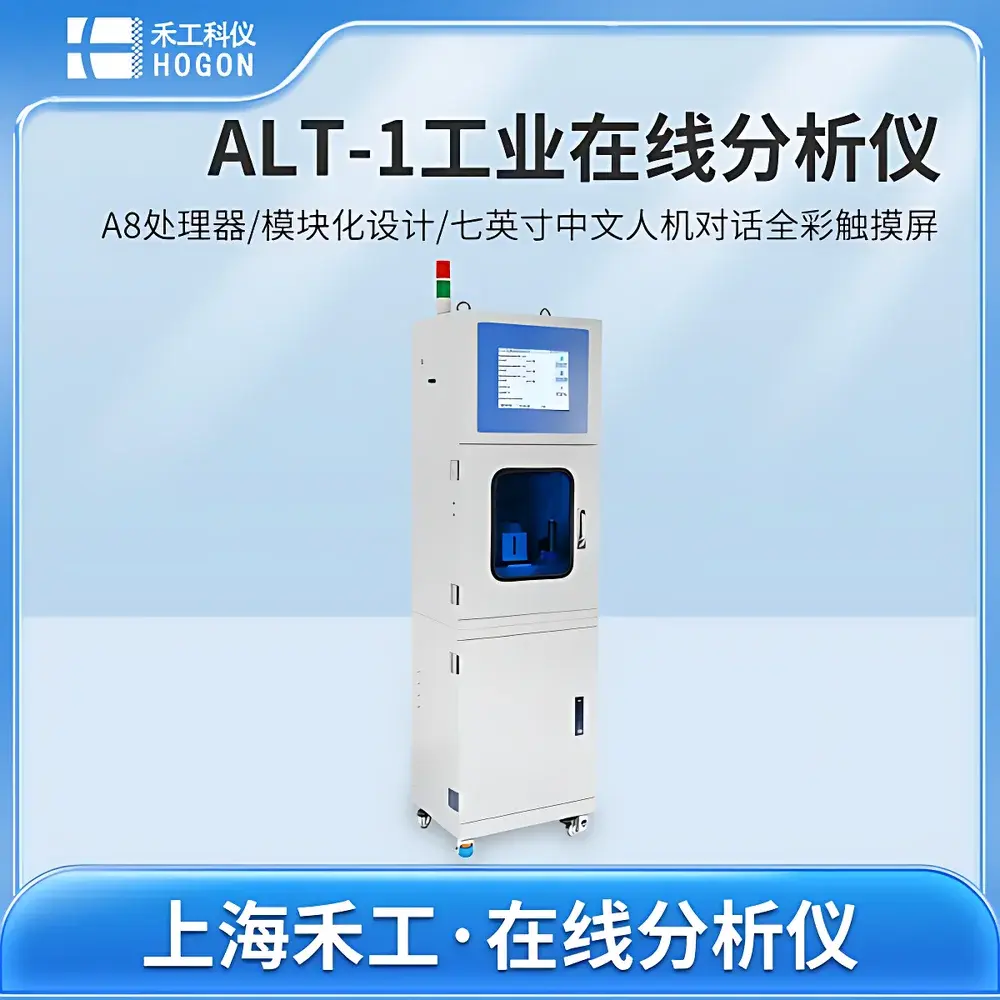
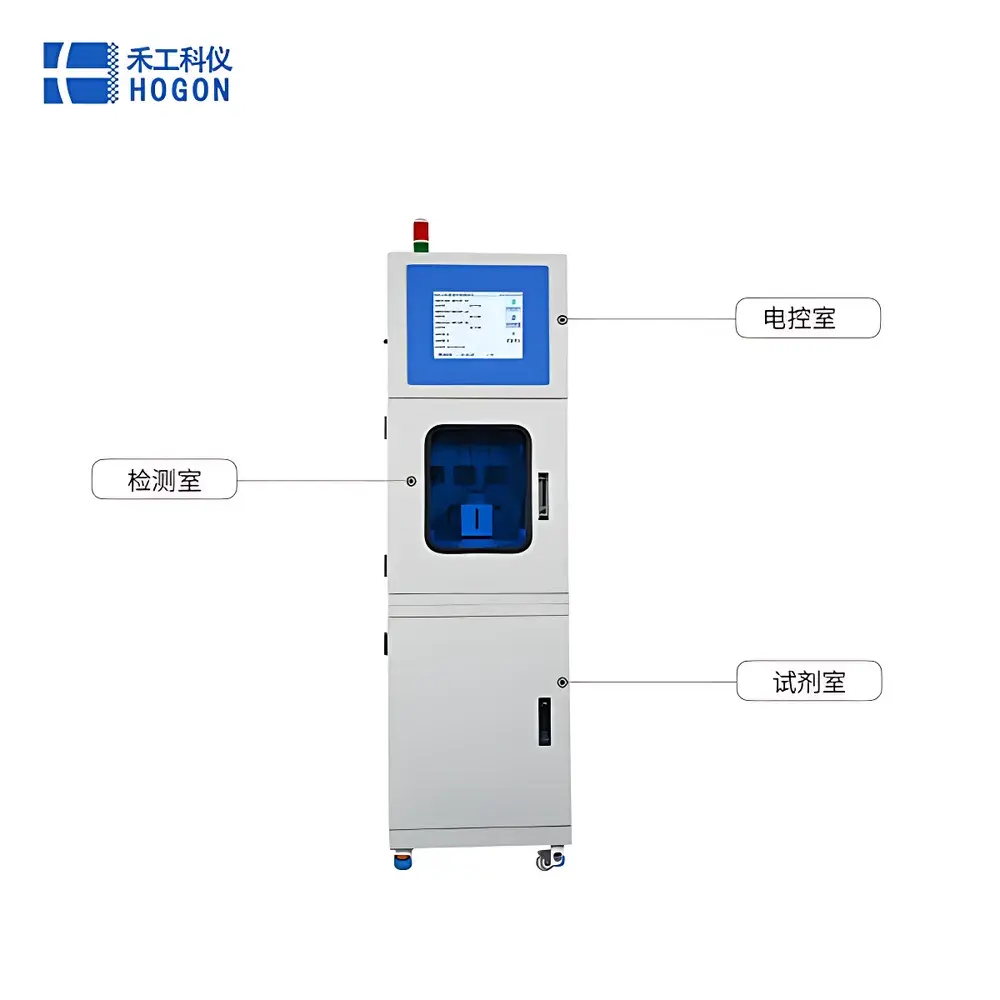
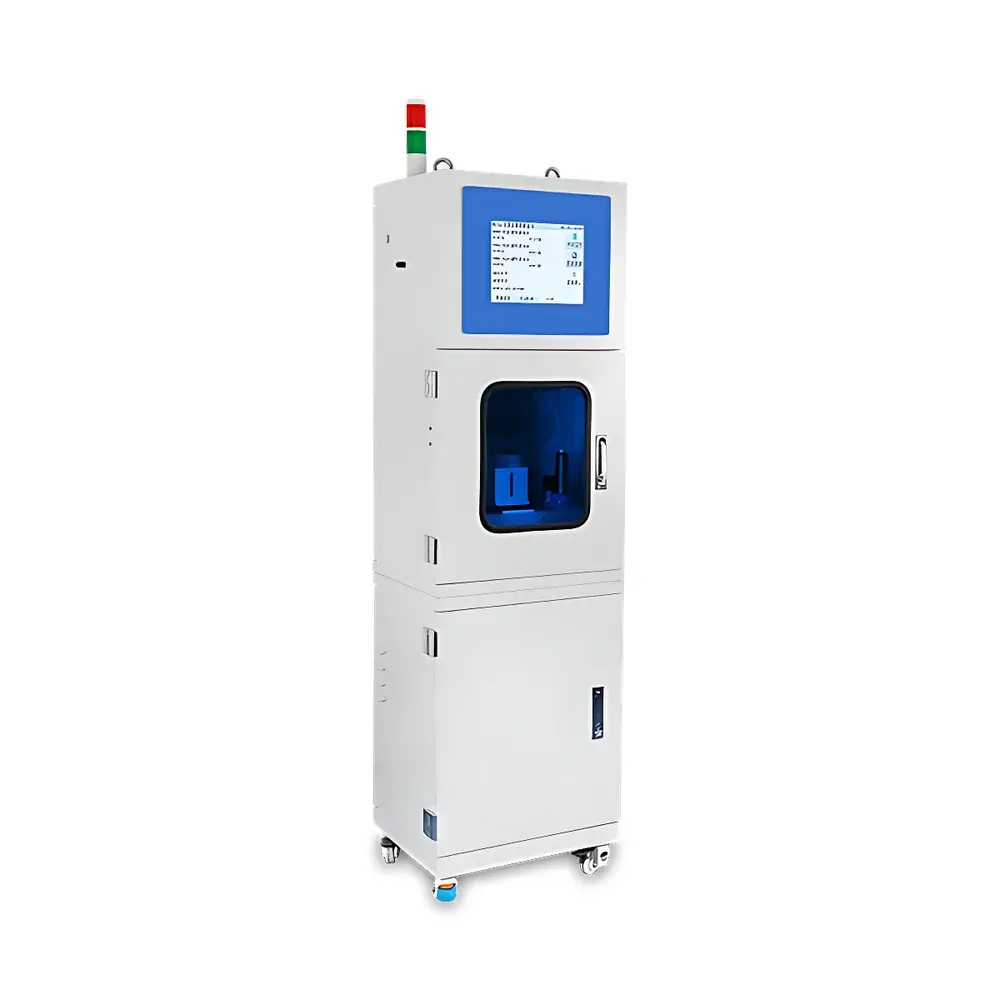
HOGON ALT-1 Online Analyzer for Sulfuric Acid, SPS, and Copper Ions in Micro-Etching Tanks
| Brand | HOGON |
|---|---|
| Origin | Shanghai, China |
| Manufacturer Type | Direct Manufacturer |
| Product Category | Domestic |
| Model | ALT-1 |
| Output Signals | Modbus TCP, RS-232/485, CAN, 4–20 mA |
| Ambient Operating Conditions | ≤90% RH, 10 °C minimum (non-condensing) |
| Resolution | Potentiometric: 0.1 mV (−2000 to +2000 mV) |
| pH | ±0.001 pH (0–20 pH range) |
| Photometric | 0.003 Abs (0–1 Abs) |
| Ingress Protection | IP55/IP65 (achieved when enclosure door is closed and latched) |
| Titration Accuracy | Volumetric delivery precision of ±1 µL using 20 mL burette |
Overview
The HOGON ALT-1 Online Analyzer is an integrated process analytical instrument engineered for continuous, real-time quantification of sulfuric acid (H₂SO₄), sulfuric acid–hydrogen peroxide mixture (SPS), and dissolved copper ions (Cu²⁺) in micro-etching baths used extensively in printed circuit board (PCB) manufacturing and advanced semiconductor surface preparation. Unlike conventional offline titration or handheld sensors, the ALT-1 employs a modular, multi-technique analytical architecture—combining potentiometric endpoint detection, redox potential monitoring, and complexometric titration with selective ion sensing—to deliver traceable, repeatable concentration data under harsh industrial conditions. Its design adheres to fundamental principles of volumetric analysis as defined in ISO 8655 (piston burettes), ASTM D1129 (acid titration), and USP (pH and potentiometric methods), ensuring metrological integrity across operational shifts. The system operates autonomously within the process stream, eliminating manual sampling errors and enabling closed-loop feedback control integration with distributed control systems (DCS) or programmable logic controllers (PLC).
Key Features
- Triple-parameter simultaneous or sequential analysis: independent measurement channels for H₂SO₄ (acid–base titration), SPS (redox titration with KMnO₄), and Cu²⁺ (EDTA complexometric titration with pH-buffered endpoint)
- High-precision fluid handling: motor-driven 20 mL glass burette with ±1 µL volumetric delivery accuracy and integrated air-gap compensation
- Multi-sensor electrode suite: pH composite electrode (Ag/AgCl reference, low-drift glass membrane), platinum redox electrode, and solid-state copper-selective electrode (Cu²⁺-ISE) with Nernstian response
- Ruggedized enclosure rated IP55/IP65 (tested per IEC 60529) — validated for installation in wet, chemically aggressive environments adjacent to etch lines
- Industrial-grade communication interfaces: native Modbus TCP (Ethernet), RS-232/485 (ASCII/RTU), CAN bus, and isolated 4–20 mA analog outputs for legacy DCS integration
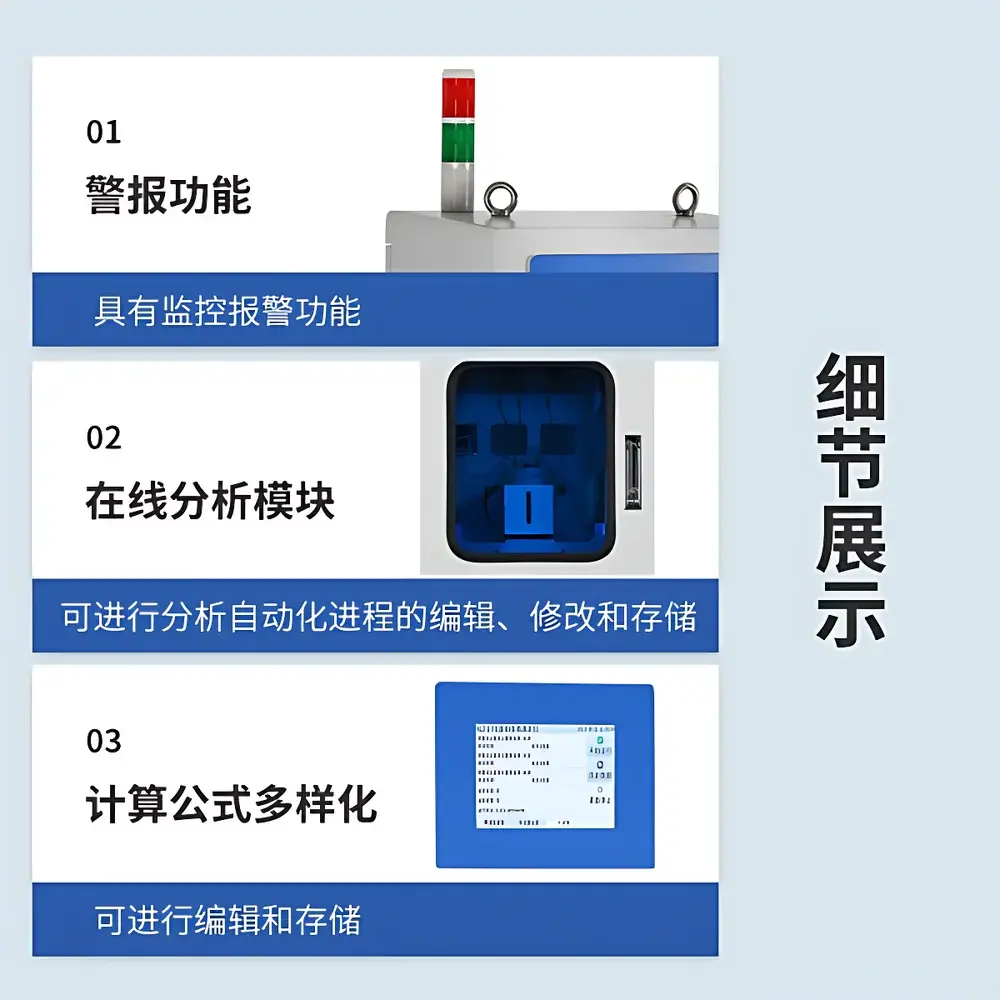
- Automated sample conditioning: on-board dilution module, temperature-compensated peristaltic pumping, and programmable reagent dosing sequence
Sample Compatibility & Compliance
The ALT-1 is optimized for aqueous micro-etchant solutions containing 5–25 wt% H₂SO₄, 1–10 vol% H₂O₂ (in SPS formulation), and 10–80 g/L Cu²⁺ — typical ranges observed in vertical conveyor and spray-type etching tanks. Sample introduction occurs via chemically resistant PTFE/PFA tubing with pressure-regulated aspiration to prevent bubble formation and ensure representative sub-sampling. All wetted materials comply with FDA CFR 21 Part 177 (food-contact polymers) and EU REACH Annex XIV restrictions. Data acquisition and audit trails meet GLP and GMP requirements per 21 CFR Part 11 (electronic records/signatures), including operator login logging, method version control, and immutable raw signal storage (potentiometric curves, absorbance kinetics, titrant volume vs. time). Calibration verification follows ISO/IEC 17025–aligned procedures using NIST-traceable standard solutions.
Software & Data Management
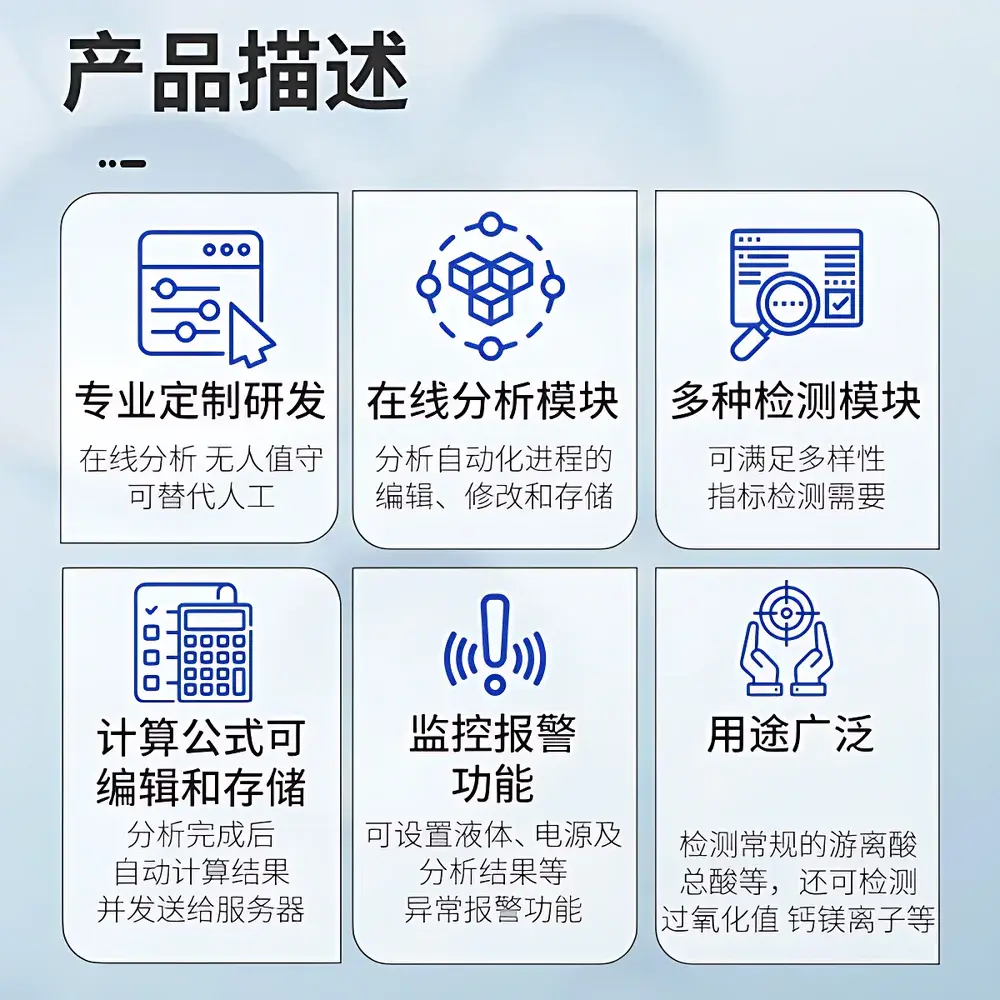
The embedded Linux-based controller runs HOGON ProcessAnalytics™ firmware v4.2, supporting configuration via web browser (HTTPS) or local HMI touchscreen. Analytical methods are stored as XML-defined protocols with editable parameters (e.g., titrant concentration, sample volume, endpoint slope threshold, buffer addition delay). Raw sensor data (mV, pH, Abs) and calculated results (g/L H₂SO₄, g/L SPS, mg/L Cu²⁺) are timestamped and exported in CSV or OPC UA format. Optional cloud synchronization enables remote diagnostics, predictive maintenance alerts (e.g., electrode drift >2 mV/h), and historical trend visualization via Grafana dashboards. All firmware updates undergo FIPS 140-2 validated cryptographic signing.
Applications
- Real-time bath life extension monitoring in PCB inner-layer and outer-layer etching lines
- Automated replenishment control of H₂SO₄ and H₂O₂ based on stoichiometric consumption models
- Early detection of Cu²⁺ accumulation beyond solubility limits (>65 g/L at 30 °C), preventing sludge formation and nozzle clogging
- Process validation during qualification of new etchant formulations or supplier changes
- Regulatory documentation support for IATF 16949 (automotive PCB suppliers) and IPC-4552B (copper electroless plating process control)
FAQ
How often does the system require calibration?
Calibration is performed automatically before each analysis cycle using dual-point standard verification (e.g., pH 4.01/7.00 buffers; Cu²⁺ standards at 20 and 60 mg/L). Full multi-point calibration is recommended every 72 operational hours or after reagent replacement.
Can the ALT-1 integrate with existing MES or SCADA platforms?
Yes — Modbus TCP and OPC UA profiles enable direct integration with Siemens SIMATIC, Rockwell FactoryTalk, Honeywell Experion, and OSIsoft PI System without middleware.
What maintenance intervals are specified for electrodes and fluidic components?
Copper ISE membranes require replacement every 6 months; pH and redox electrodes every 9–12 months. Burette pistons and PTFE tubing are scheduled for inspection every 2000 cycles or quarterly, whichever occurs first.
Is hazardous area certification available?
ATEX II 2G Ex db IIB T4 Gb and IECEx certification options are available upon request for Zone 1 installations.
Does the analyzer support custom titration methods beyond the three default analytes?
Yes — the open protocol architecture allows user-defined methods via Python scripting interface, subject to hardware compatibility assessment by HOGON Application Engineering.