
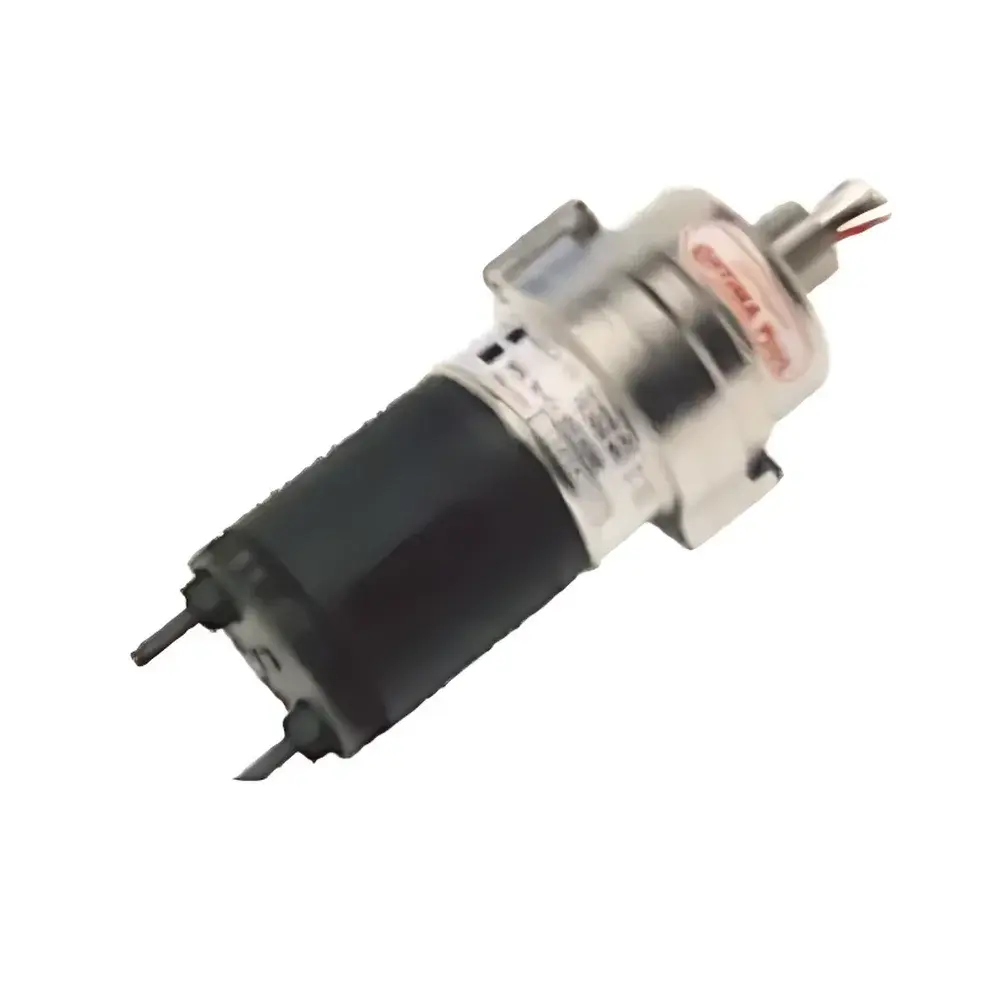
Honeywell Searchpoint Optima Plus Infrared Combustible Gas Detector
| Brand | Honeywell |
|---|---|
| Origin | USA |
| Model | Searchpoint Optima Plus |
| Detection Principle | Non-Dispersive Infrared (NDIR) |
| Certifications | ATEX, IECEx, UL, CSA, FM, SIL 2 (per IEC 61508) |
| Operating Environment | Hazardous Areas (Zone 1/21, Class I Div 1/2) |
| Gas Coverage | Hydrocarbons (e.g., methane, propane, butane, pentane, hexane, toluene, xylene, MEK, acetone), LPG, LNG, solvent vapors |
| Output Signal | 4–20 mA HART, Modbus RTU |
| Enclosure Rating | IP66/IP67 |
| Power Supply | 12–30 VDC |
| Response Time (T90) | <15 s typical for methane |
| Zero Drift | <2% LEL/year (typical, field-validated) |
| Sensor Lifetime | ≥10 years (NDIR optical path, no consumables) |
| Maintenance Interval | Recommended annual verification |
Overview
The Honeywell Searchpoint Optima Plus is a fixed-point, non-dispersive infrared (NDIR) combustible gas detector engineered for continuous, fail-safe monitoring of hydrocarbon vapors in high-consequence industrial environments. Unlike catalytic bead (pellistor) sensors, the Optima Plus employs dual-wavelength NDIR spectroscopy—measuring absorption at a target gas-specific wavelength while referencing a non-absorbing wavelength—to deliver inherently stable, oxygen-independent detection. This principle eliminates false negatives in inert or hypoxic atmospheres (e.g., nitrogen-purged enclosures, LNG boil-off zones) and ensures immunity to sensor poisoning from silicones, sulfides, lead, or halogenated compounds. Designed for mission-critical deployment, it meets stringent functional safety requirements per IEC 61508 (SIL 2 capable) and complies with global hazardous area directives including ATEX 2014/34/EU, IECEx, UL 60079-29-1, and CSA C22.2 No. 152. Its solid-state optical architecture—free of moving parts, filaments, or electrochemical electrolytes—delivers proven field reliability across more than 30,000 installed units worldwide.
Key Features
- True oxygen-independent detection: Operates reliably in inert, anaerobic, or low-oxygen environments without performance degradation.
- Optical compensation design: Dual-beam NDIR optics with reference channel actively correct for dust accumulation, lens fogging, and thermal drift—minimizing long-term calibration drift to <2% LEL/year.
- Dynamic heater control: Integrated surface-heating algorithm prevents condensation on optical windows, maintaining signal integrity in high-humidity or marine climates (e.g., FPSO decks, offshore terminals).
- Contamination warning system: Real-time optical path diagnostics trigger maintenance alerts when transmission loss exceeds configurable thresholds—enabling predictive servicing instead of reactive replacement.
- Comprehensive self-diagnostics: Continuous internal validation of LED intensity, detector response, amplifier gain, and power supply stability—with automatic fault classification and event logging.
- Low-power operation: Draws <25 mA at 24 VDC, reducing thermal load in confined enclosures and extending compatibility with intrinsically safe barriers and solar-powered remote sites.
- Hazardous area certified: Approved for Zone 1/21 (gas/dust), Class I Div 1/2, and T4/T6 temperature classes—validated for use in explosive atmospheres per EN 60079-0, -10, -29.
Sample Compatibility & Compliance
The Searchpoint Optima Plus detects a broad spectrum of saturated and unsaturated hydrocarbons—including methane (CH₄), ethane (C₂H₆), propane (C₃H₈), butane (C₄H₁₀), pentane (C₅H₁₂), hexane (C₆H₁₄), as well as aromatic solvents (toluene, xylene), ketones (MEK, acetone), and liquefied gases (LPG, LNG). It is not intended for hydrogen (H₂), acetylene (C₂H₂), or carbon monoxide (CO). All configurations comply with ISO 8573-1 (compressed air purity), EN 50104 (gas detectors for combustible gases), and IEC 60079-29-1 (performance requirements for NDIR detectors). Full traceability documentation—including type examination reports, SIL verification certificates, and explosion protection test summaries—is provided for regulatory audits under OSHA 1910.119, API RP 14C, and EU Seveso III Directive compliance frameworks.
Software & Data Management
Configuration, calibration, and diagnostics are managed via Honeywell’s Experion® PKS-integrated Device Manager or standalone Handheld Configuration Tool (HCT). The detector supports HART 7 and Modbus RTU protocols for seamless integration into DCS, SCADA, and SIS platforms. Event logs—including alarm activations, fault codes, optical contamination warnings, and calibration history—are time-stamped and retained onboard for ≥12 months. Audit trails meet FDA 21 CFR Part 11 requirements when deployed with validated host systems, supporting GLP/GMP environments such as LNG liquefaction plants and pharmaceutical solvent recovery units. Firmware updates are performed via secure, digitally signed packages to maintain integrity throughout the device lifecycle.
Applications
- Offshore oil & gas: Continuous monitoring on FPSO process modules, flare gas recovery lines, and helideck perimeter zones.
- LNG/LPG infrastructure: Vapor detection in loading arms, tank farm bunds, compressor skids, and cold box areas where cryogenic conditions preclude pellistor use.
- Refining & petrochemical: Monitoring at fractionation columns, amine regenerators, and solvent-based extraction units handling aromatics or chlorinated hydrocarbons.
- Power generation: Protection of gas turbine intake ducts, fuel gas conditioning skids, and enclosed generator enclosures.
- Industrial coating & printing: Solvent vapor detection in spray booths, drying ovens, and ink mixing rooms where volatile organic compounds (VOCs) exceed 10% LEL thresholds.
- Onshore terminals & metering stations: Fence-line monitoring, pump house surveillance, and custody transfer points requiring SIL 2-rated gas detection.
FAQ
Does the Searchpoint Optima Plus require oxygen to operate?
No. Its NDIR measurement principle is fully independent of ambient oxygen concentration, enabling reliable detection in nitrogen-inerted vessels, CO₂-rich biogas streams, or vacuum-assisted processes.
Can it detect hydrogen or carbon monoxide?
No. NDIR technology is insensitive to diatomic gases (H₂, CO, O₂, N₂) due to lack of infrared absorption in the 3–5 µm range. For these gases, electrochemical or thermal conductivity sensors are required.
What maintenance intervals are recommended?
Annual functional verification using certified span gas is recommended. Optical path cleaning is only required if contamination warnings persist after verification—typically every 2–5 years depending on site particulate load.
Is remote calibration supported?
Yes. Zero and span calibration can be executed remotely via HART or Modbus commands, with full audit trail logging and electronic signature capability for regulated facilities.
How does it handle condensation in marine environments?
Its dynamic heater controller continuously monitors optical window temperature and adjusts heating power to maintain surface temperature above dew point—preventing condensate formation without overheating or thermal stress.







