
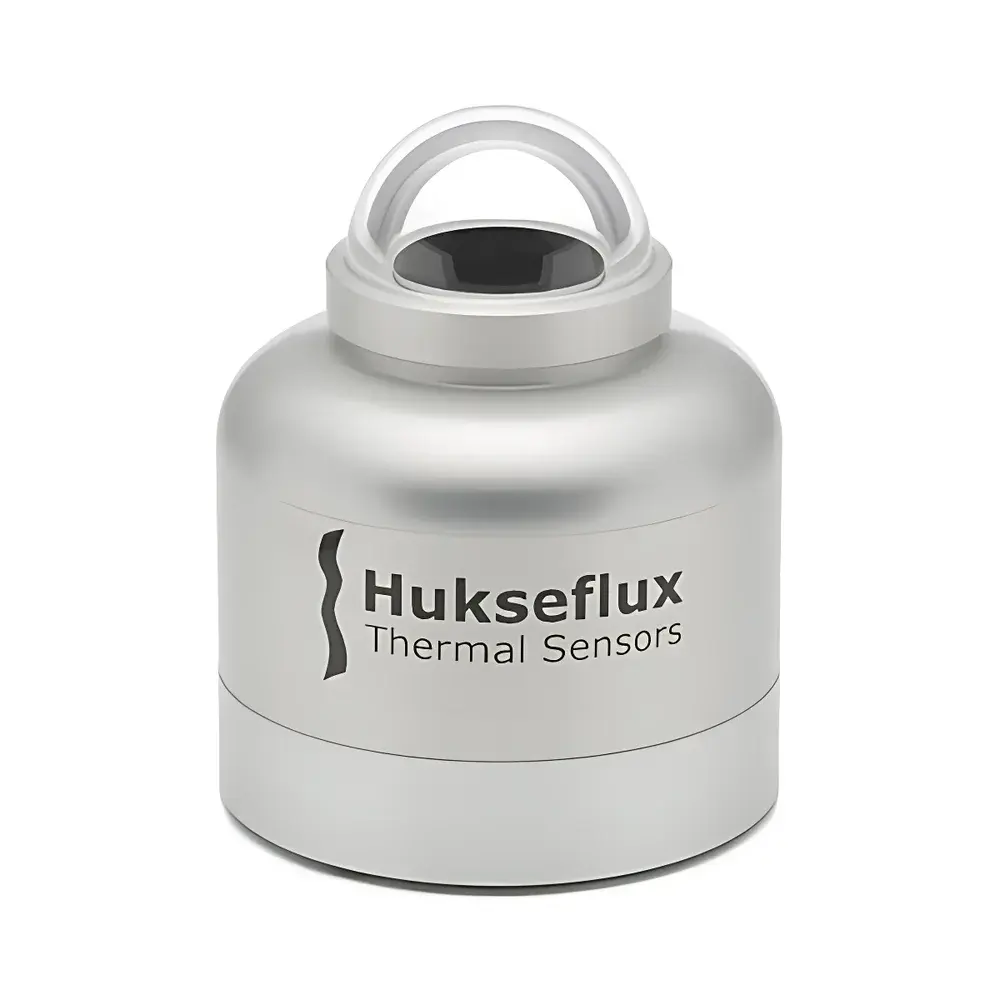
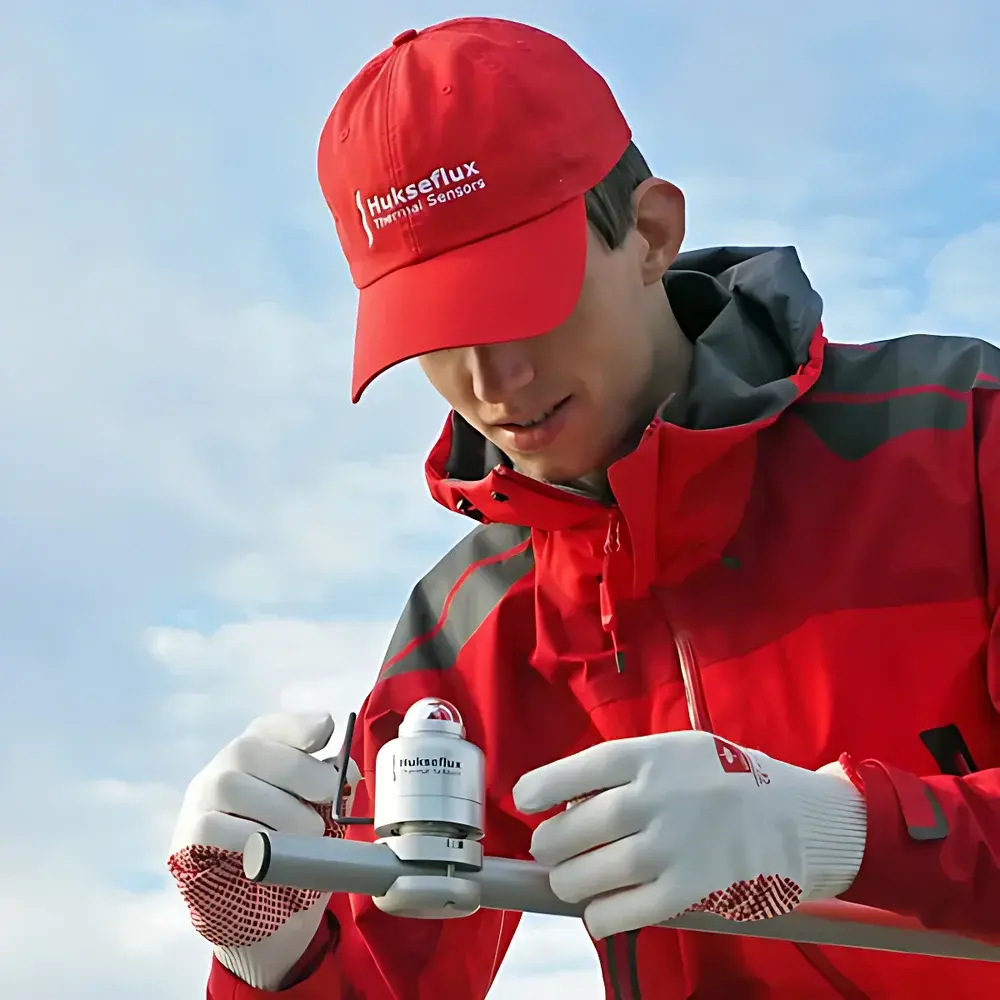
Hukseflux SR05-D2A2 Secondary Standard Pyranometer
| Brand | Hukseflux |
|---|---|
| Origin | Netherlands |
| Model | SR05-D2A2 |
| Calibration Uncertainty | < 1.8 % (k = 2) |
| Traceability | World Radiometric Reference (WRR) |
| Measurement Range | 0–2000 W/m² |
| Spectral Range | 285–3000 nm |
| Operating Temperature | −40 to +80 °C |
| Field of View | 180° hemispherical |
| Output | RS-485 TTL + 4–20 mA analog current loop |
| Supply Voltage | 5–30 VDC |
| Cable Length | 3 m (extendable) |
| Leveling | Integrated spherical level |
| Compliance | ISO 9060:2018 Class II (Secondary Standard) |
Overview
The Hukseflux SR05-D2A2 is a secondary standard pyranometer engineered for reliable, cost-effective measurement of global solar irradiance on a horizontal plane. Designed in strict accordance with ISO 9060:2018 classification requirements for Class II (Secondary Standard) instruments, it delivers traceable, physically meaningful irradiance data in W/m² across the full solar spectrum—from near-ultraviolet (285 nm) to near-infrared (3000 nm). Its thermopile-based sensing principle ensures passive, self-powered operation without internal amplification or temperature-dependent drift compensation—enabling long-term stability and minimal maintenance. The SR05-D2A2 is optimized for deployment in distributed environmental monitoring networks where robustness, interoperability, and metrological integrity are essential but budget constraints preclude primary-standard instrumentation.
Key Features
- ISO 9060:2018 Class II certified performance with calibration uncertainty < 1.8 % (k = 2), traceable to the World Radiometric Reference (WRR)
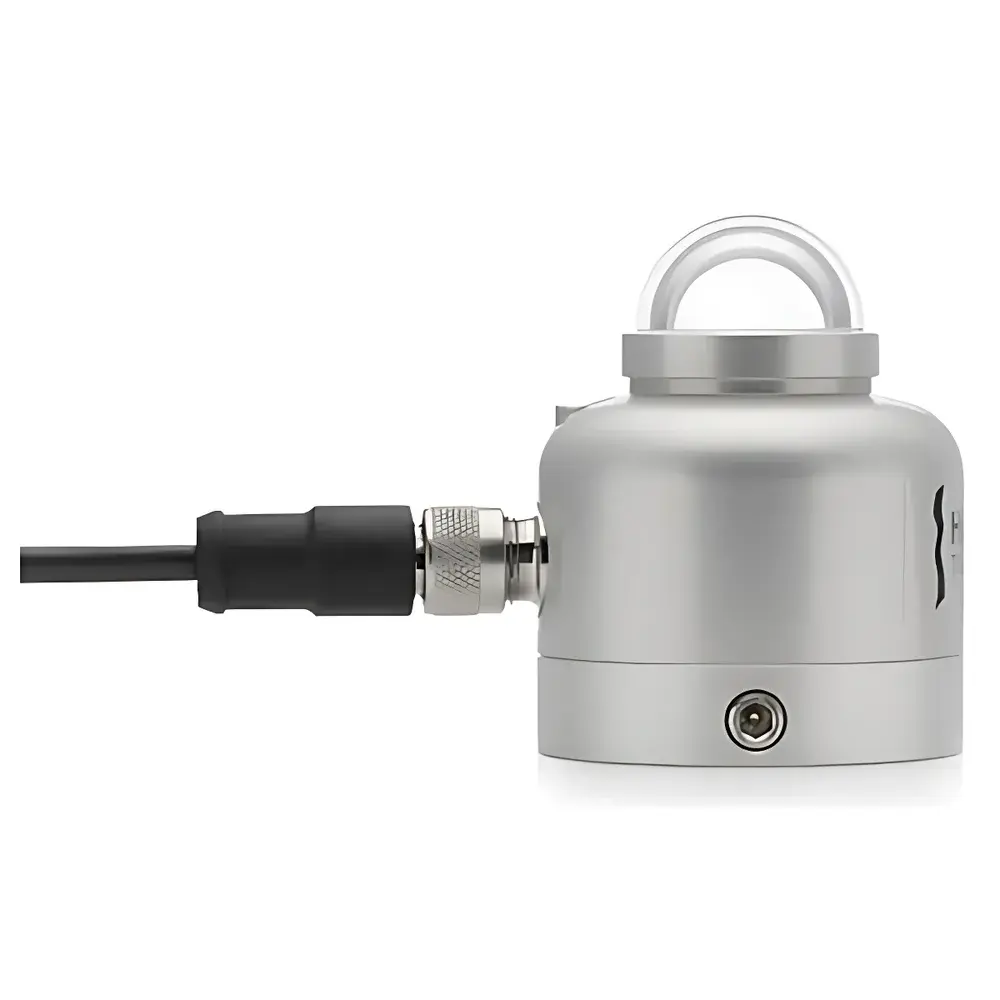
- Dual-output architecture: RS-485 interface with TTL logic levels supporting Modbus RTU protocol, plus a galvanically isolated 4–20 mA analog current loop for legacy SCADA and PLC integration
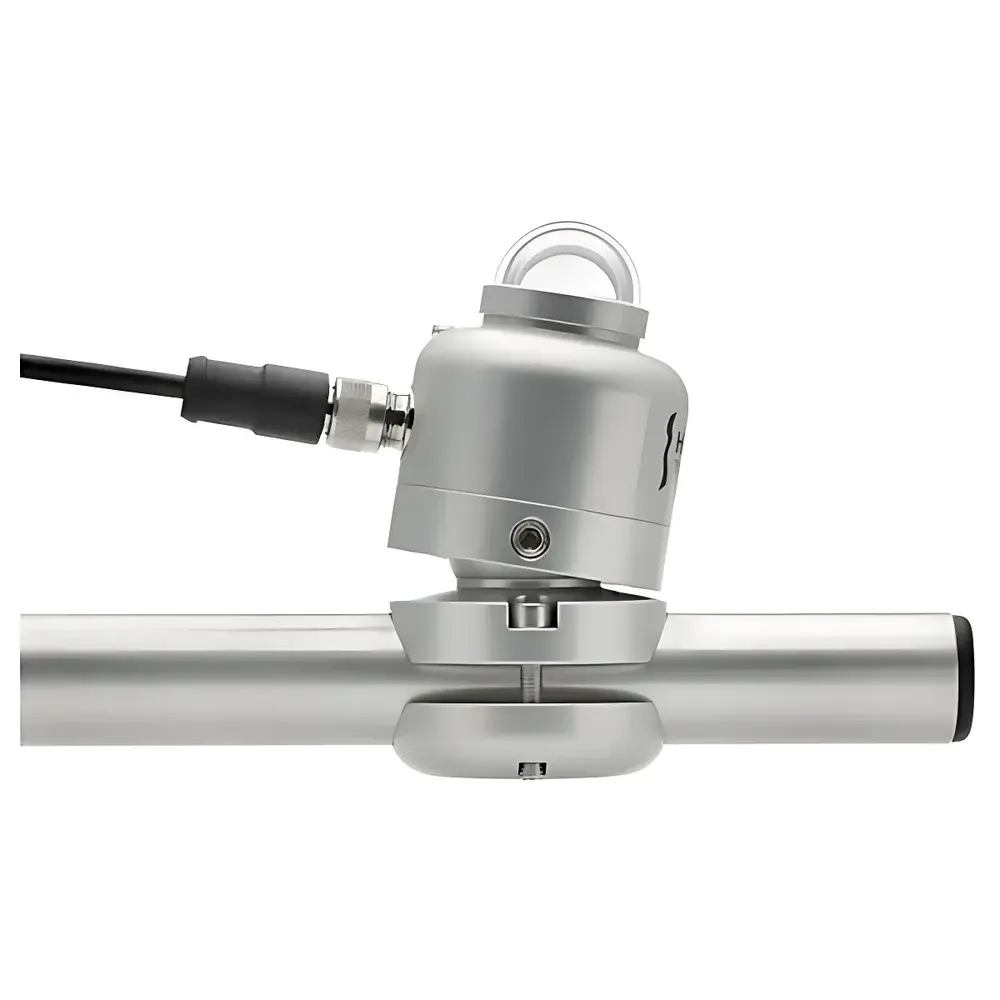
- Integrated spherical leveling mechanism enables rapid, repeatable horizontal alignment without external tools—critical for field consistency across multi-sensor arrays
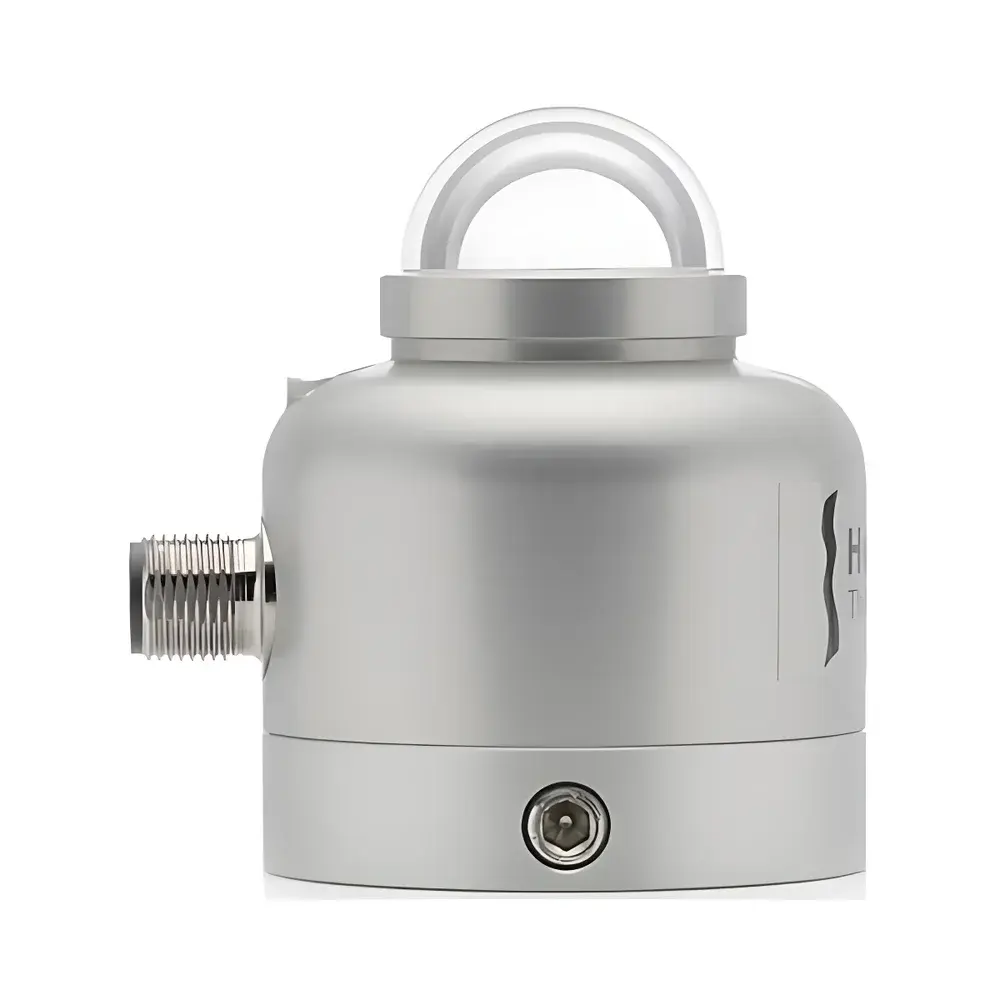
- Passive thermopile detector with blackened, spectrally flat absorbing surface and precision-ground glass dome (Schott KG5) ensuring uniform angular response up to 80° zenith angle
- Wide operating temperature range (−40 to +80 °C) and IP67-rated housing ensure operational resilience in unsheltered outdoor environments including high-latitude, desert, and coastal installations
- Low-power design compatible with 5–30 VDC supply—suitable for solar-powered remote stations and battery-operated data loggers
Sample Compatibility & Compliance
The SR05-D2A2 is intended for measurement of broadband global horizontal irradiance (GHI) under natural sunlight conditions. It complies fully with IEC 61724-1:2021 for photovoltaic system monitoring and supports data quality assurance per BSRN (Baseline Surface Radiation Network) protocols. Its spectral response and cosine error profile meet the validation criteria defined in ASTM E892 and ISO 9060 Annex D for secondary-class instruments. No user calibration is required; factory calibration certificates include individual spectral responsivity curves and temperature dependence coefficients. All units undergo thermal soak testing and long-term stability verification prior to shipment. The device satisfies electromagnetic compatibility requirements per EN 61326-1:2013 and is suitable for use in GLP-compliant environmental monitoring programs.
Software & Data Management
Digital output via RS-485 TTL enables direct integration with industry-standard dataloggers (e.g., Campbell Scientific CR series, Delta-T DL6, Onset HOBO RX3000) and industrial controllers using open Modbus RTU registers. Register mapping includes real-time irradiance (W/m²), sensor body temperature (°C), diagnostic status flags, and firmware version. The 4–20 mA analog channel provides redundant, protocol-agnostic signal transmission compatible with analog input modules in PLCs, RTUs, and building management systems. Data logging intervals are controlled externally—no internal sampling buffer or clock is present, eliminating time-sync drift concerns. When deployed in regulatory contexts (e.g., PV plant performance ratio reporting), the dual-output architecture supports audit-ready redundancy and cross-validation per IEC 62446-1:2016.
Applications
- Operational monitoring of utility-scale and distributed photovoltaic power plants—supporting performance ratio (PR), yield analysis, and degradation trending
- Climate and agrometeorological observation networks requiring ISO-compliant GHI data for evapotranspiration modeling (e.g., FAO-56 Penman-Monteith), crop growth simulation, and frost risk assessment
- Research-grade solar resource assessment in pre-feasibility and bankable studies—where Class II accuracy balances statistical confidence with deployment scalability
- Calibration reference for lower-tier sensors (e.g., silicon photodiode pyranometers) within hierarchical monitoring architectures
- OEM integration into weather stations, smart agricultural gateways, and edge-enabled environmental IoT platforms
FAQ
Is the SR05-D2A2 suitable for use in BSRN or GCOS networks?
Yes—when installed per BSRN guidelines (including proper shading, cleaning schedule, and tilt correction for non-horizontal mounting), its Class II specification and WRR traceability meet minimum acceptance criteria for supplemental network nodes.
Does the 4–20 mA output require external power or loop resistance?
The SR05-D2A2 provides active 4–20 mA current sourcing; no external loop power is needed. A maximum load resistance of 500 Ω is recommended for full-range linearity at 30 VDC supply.
Can the RS-485 TTL interface be connected directly to a standard RS-485 transceiver?
No—TTL-level signals must first pass through a level-shifting transceiver (e.g., MAX485 or SP3485) to generate compliant RS-485 differential voltage. Direct connection to industrial RS-485 ports will result in communication failure.
What maintenance is required to sustain calibration validity?
Biannual visual inspection and dome cleaning with reagent-grade isopropanol are recommended. Annual recalibration is advised for applications demanding ≤2 % total measurement uncertainty over time.
Is an OEM version available with custom firmware or mechanical housing?
Yes—Hukseflux offers tailored variants including modified cable glands, alternate connector types (M12, LEMO), embedded Modbus register sets, and volume-based calibration certificate options.
Related Products







