Indium-Tin-Oxide (ITO) Coated PEN Film –合肥科晶 Standard Grade
| Brand | Hefei Kejing |
|---|---|
| Substrate | PEN (DuPont Teijin Teonex) |
| Coating Method | DC/RF Magnetron Sputtering |
| Width | 210 mm |
| Length | 230 mm |
| Thickness | 0.2 mm |
| Sheet Resistance | 15 Ω/sq |
| Visible Light Transmittance (550 nm) | ≥75% |
| Packaging | Vacuum-sealed in 100-class cleanroom bags, stored & shipped in 1000-class cleanroom environment |
Overview
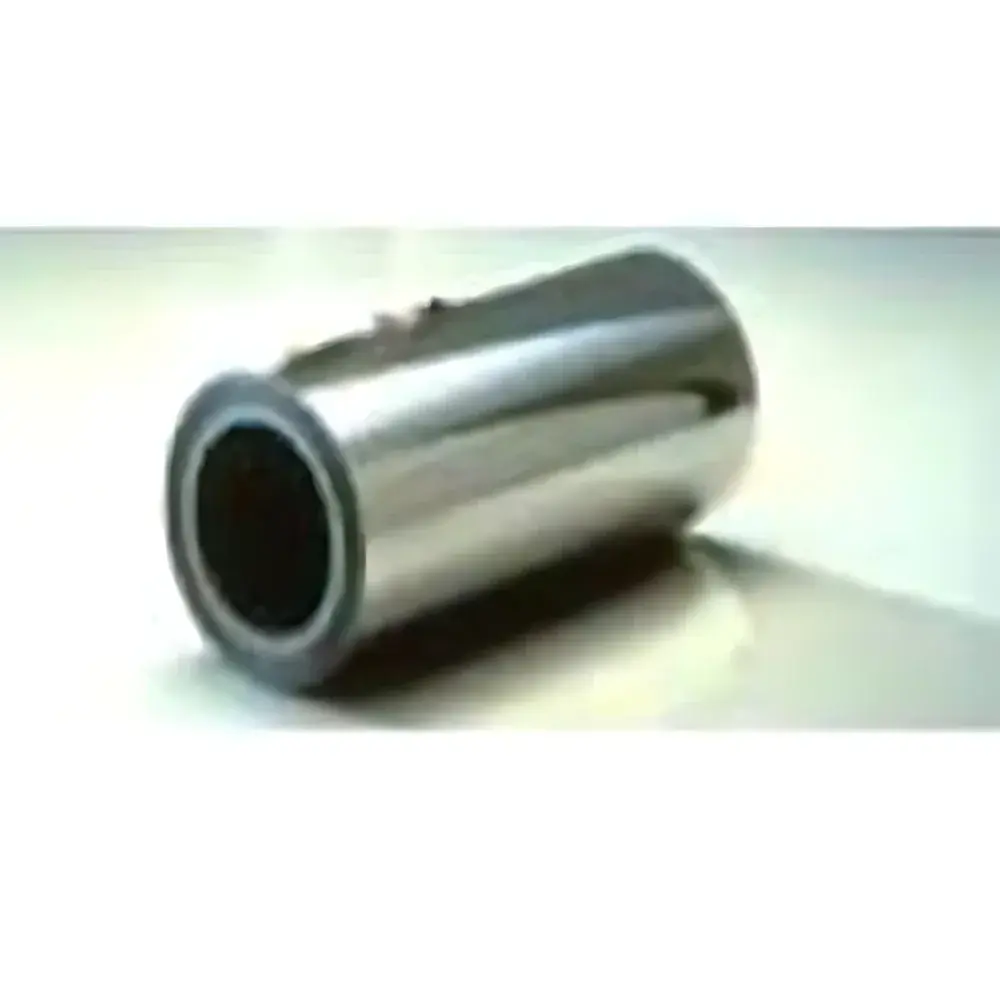
This Indium-Tin-Oxide (ITO) coated polyethylene naphthalate (PEN) film is a high-performance transparent conductive substrate engineered for applications requiring thermal stability, mechanical durability, and optical clarity beyond the limitations of standard PET-based ITO films. Unlike PET, PEN (DuPont Teijin Teonex®) exhibits superior dimensional stability at elevated temperatures (Tg ≈ 120–150 °C), lower moisture absorption (<0.4% RH), and enhanced UV resistance—making it suitable for vacuum deposition processes, flexible electronics prototyping, and optoelectronic device fabrication where thermal cycling or extended environmental exposure is expected. The ITO layer is deposited via magnetron sputtering under controlled argon/oxygen partial pressure, ensuring stoichiometric In2O3:SnO2 (90:10 wt%) composition, uniform thickness distribution (±5% across width), and low surface roughness (RMS < 1.2 nm, measured by AFM). This substrate operates as a functional component—not a standalone instrument—but serves as a critical reference material and calibration-grade platform in R&D laboratories developing touch sensors, OLED encapsulation test structures, flexible photovoltaic interconnects, and electrochromic devices.
Key Features
- High-thermal-stability PEN substrate (DuPont Teijin Teonex® grade) with coefficient of thermal expansion (CTE) of ~2.5 ppm/°C below Tg, minimizing interfacial stress during lamination or thermal processing
- Optimized ITO layer deposited by DC/RF magnetron sputtering: crystalline phase confirmed by XRD (predominant (222) orientation), carrier concentration ~1.8 × 1021 cm−3, mobility ~25 cm2/V·s
- Sheet resistance tightly controlled at 15 ± 2 Ω/sq (measured per ASTM F1711-22 using four-point probe on 25 mm × 25 mm test squares)
- Optical transmittance ≥75% at 550 nm (per ISO 9050:2022 spectrophotometric measurement, uncoated side referenced to air)
- Surface resistivity uniformity ≤8% variation across full 210 mm width (verified by automated sheet resistance mapping system)
- Pinhole density <5/cm² (per MIL-STD-883H Method 2010.10, tested via electrolytic copper deposition assay)
Sample Compatibility & Compliance
This ITO/PEN film is compatible with standard microfabrication workflows including photolithography (with AZ® 1518 or LOR® 3A resists), wet etching (HCl:HNO3:H2O = 3:1:10), and low-temperature (<120 °C) adhesive lamination. It meets baseline requirements for ISO 14644-1 Class 5 (100-class) cleanroom handling and conforms to RoHS Directive 2011/65/EU for hazardous substance restrictions. While not certified to IEC 61215 or UL 746E for end-product qualification, its material traceability—including batch-specific sputtering gas flow logs, base pressure records (<5 × 10⁻⁷ Torr), and post-deposition annealing history—is fully documented for GLP-compliant lab use. Certificate of Analysis (CoA) includes spectral transmittance curves (350–1000 nm), sheet resistance maps, and SEM cross-section images upon request.
Software & Data Management
As a passive reference substrate, this product does not incorporate embedded firmware or require proprietary software. However, its metrological specifications are structured to integrate seamlessly into laboratory data management systems: sheet resistance values are delivered in CSV format aligned with ASTM E1077-22 reporting templates; optical transmission data complies with CIE 15:2018 spectral weighting conventions; and all CoA metadata follows ISA-88 Part 2 batch record schema for traceability in regulated environments. For users operating under FDA 21 CFR Part 11, raw measurement files (e.g., .txt four-point probe logs, .spc spectrophotometer outputs) can be archived with electronic signatures and audit trails via third-party LIMS platforms such as LabWare or Thermo Fisher SampleManager.
Applications
- Flexible transparent electrode validation in roll-to-roll printed electronics R&D
- Reference standard for calibrating handheld four-point probes and UV-Vis-NIR spectrophotometers
- Substrate for patterning Ag nanowire/ITO hybrid electrodes via laser ablation
- Encapsulation test vehicle for evaluating water vapor transmission rate (WVTR) barrier performance in OLED mock-ups
- Electrode layer in prototype electrochromic smart windows (tested under 1.5 V DC bias, 10⁴ cycle endurance)
- Substrate for spin-coating perovskite precursors in inverted solar cell architectures
FAQ
Is this ITO/PEN film suitable for high-temperature processing steps such as solder reflow?
Yes—PEN maintains structural integrity up to 180 °C for short durations (≤60 s), enabling compatibility with lead-free reflow profiles. However, prolonged exposure >150 °C may induce gradual ITO resistivity drift due to Sn diffusion; thermal budget should be validated per application.
Can the film be cleaned with acetone or IPA without degrading the ITO layer?
Yes—standard solvent cleaning (IPA ultrasonication, 5 min, 40 kHz) is approved. Avoid chlorinated solvents (e.g., chloroform) and strong alkalis (pH >11), which may attack the ITO stoichiometry.
Do you provide custom sheet resistance values or alternate substrates (e.g., PET or PI)?
Custom ITO sheet resistance (10–100 Ω/sq) and alternative substrates (Kapton® PI, PET, or glass) are available under OEM agreement with minimum order quantities and extended lead times.