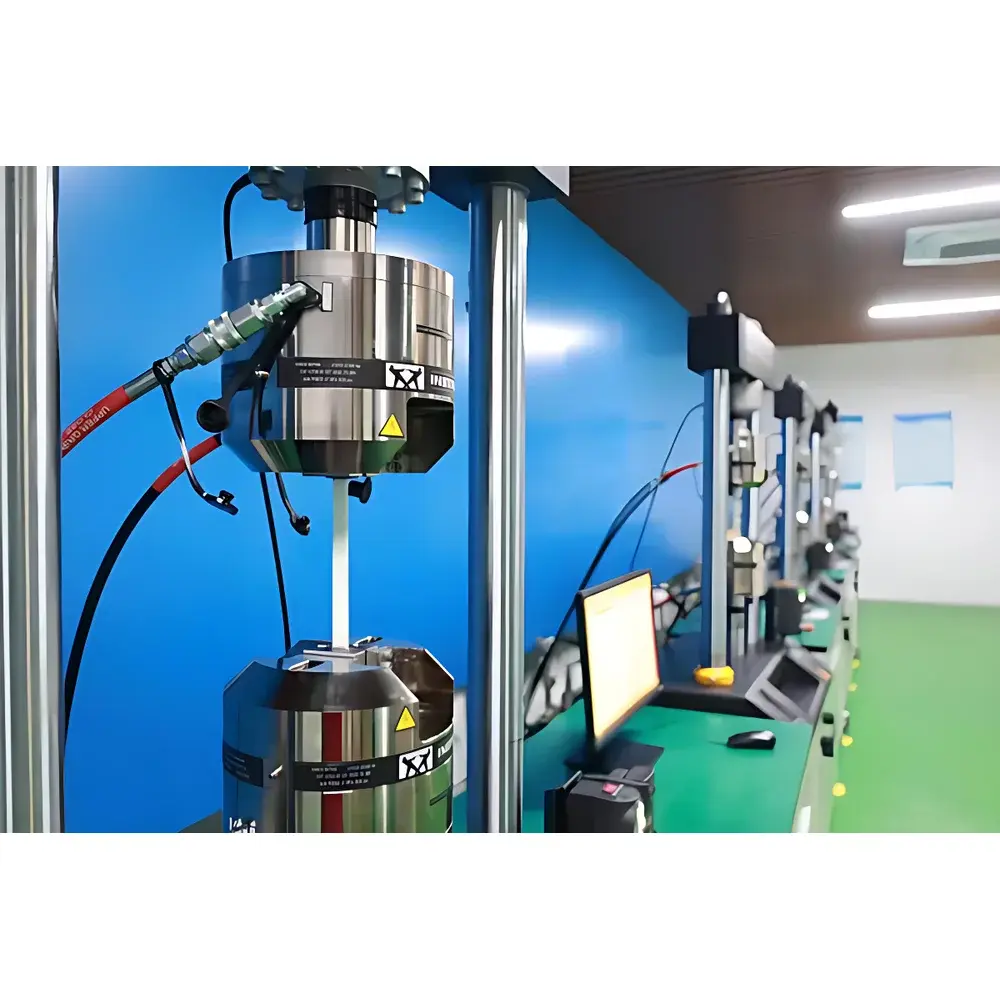
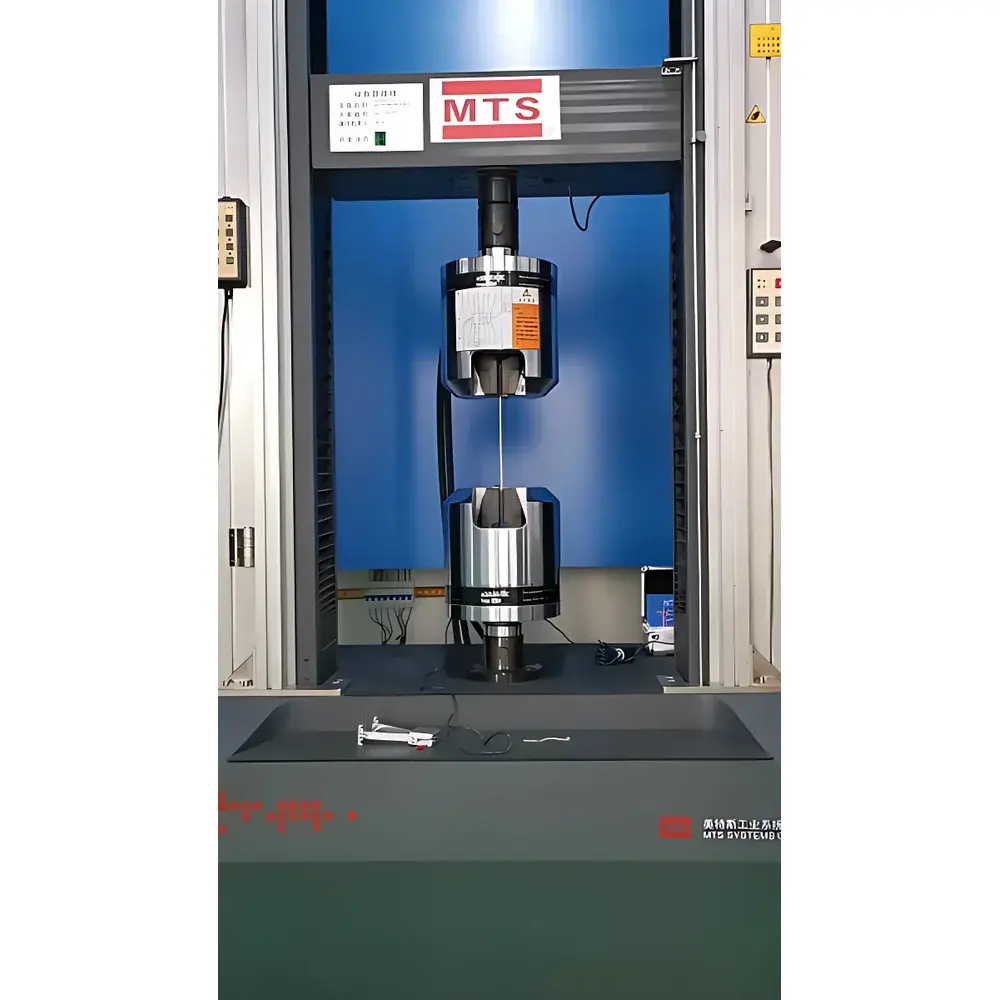
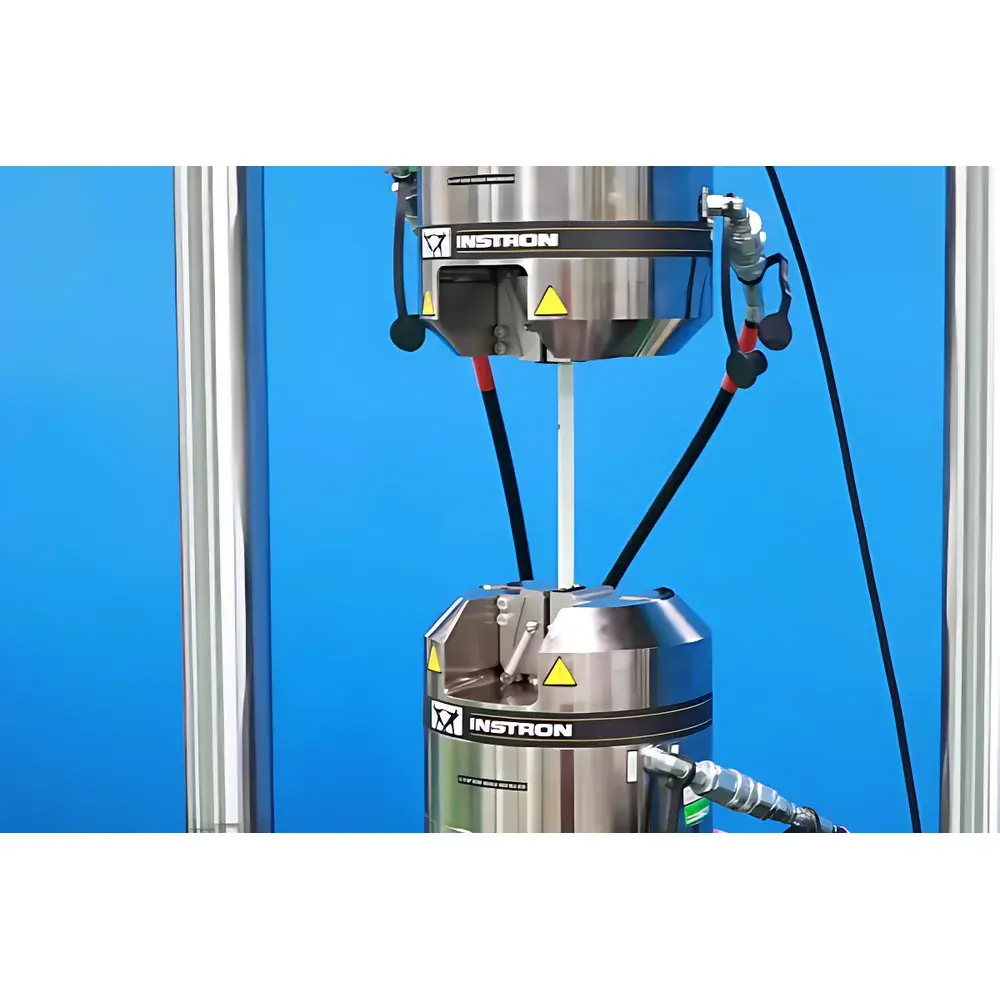
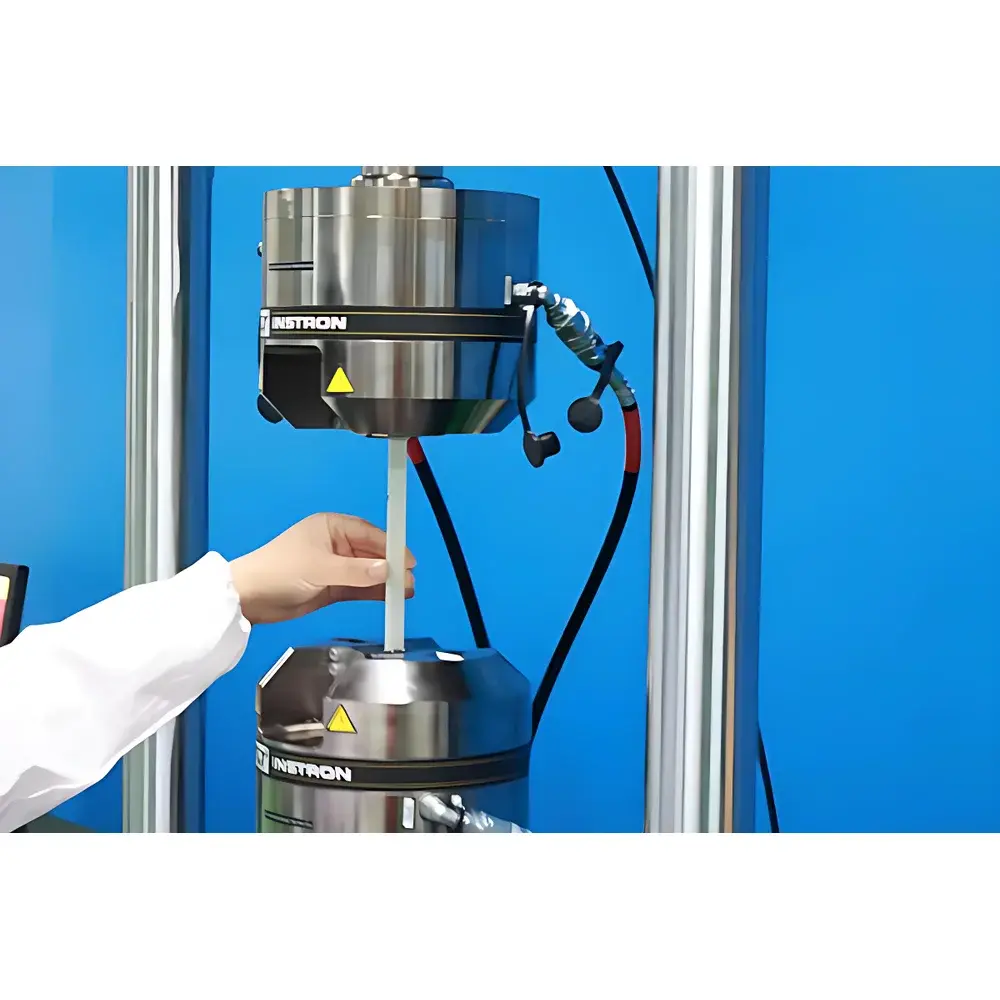
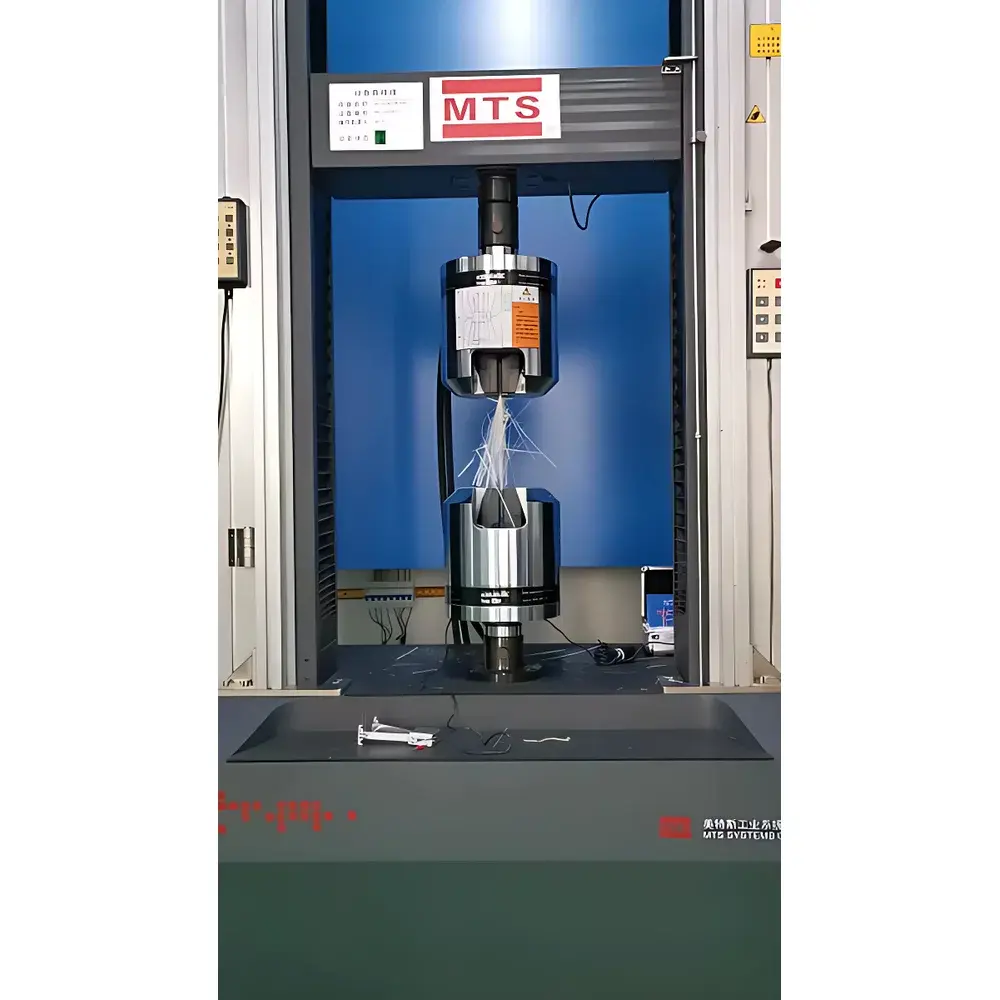
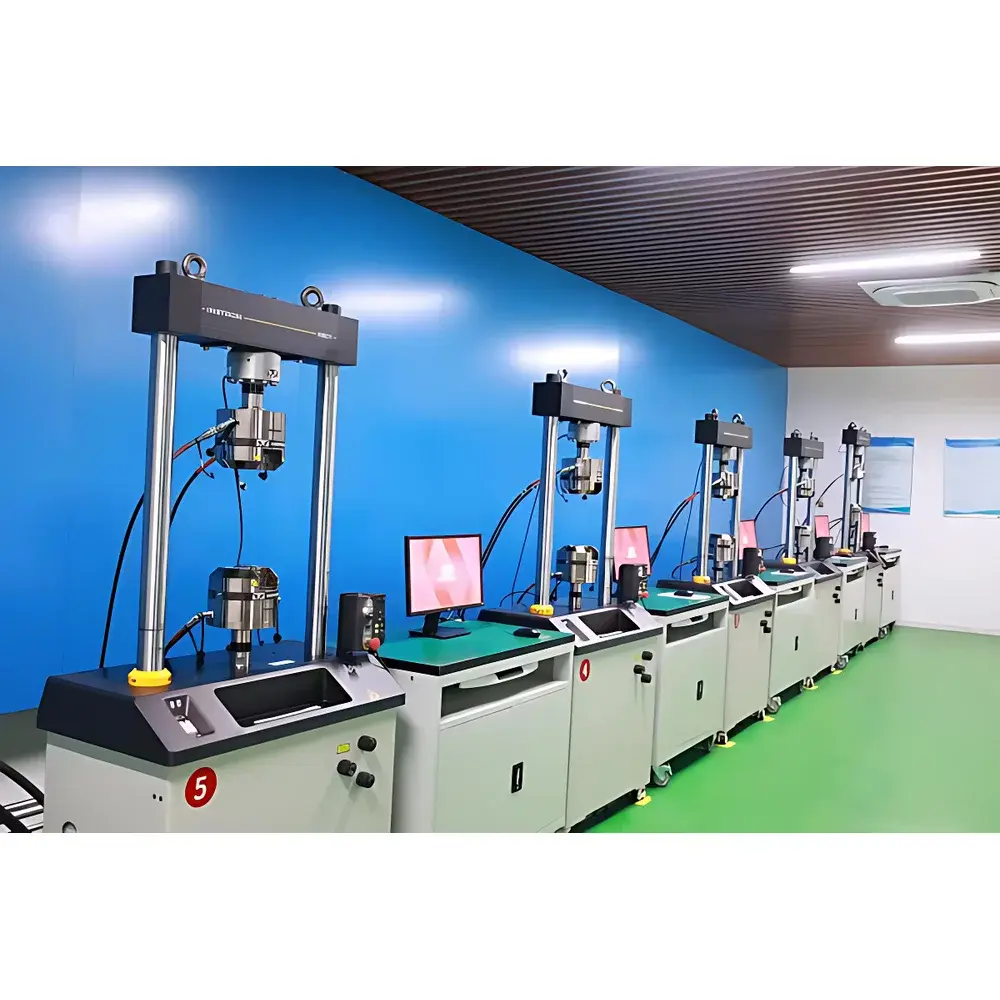
INSTRON 5105 / 8801 Electromechanical Fatigue Testing System for Third-Party Mechanical Characterization Services
| Brand | INSTRON |
|---|---|
| Origin | USA |
| Manufacturer Type | Authorized Distributor |
| Origin Category | Imported |
| Model | 5105 / 8801 |
| Pricing | Available Upon Request |
Overview
The INSTRON 5105 and 8801 electromechanical fatigue testing systems are precision-engineered platforms designed for high-fidelity, repeatable mechanical property evaluation under static and dynamic loading conditions. These systems operate on servo-controlled electrodynamic actuation principles, delivering controlled sinusoidal, block, or user-defined waveforms with closed-loop displacement, load, or strain feedback. The 5105 series serves as a versatile entry-level fatigue frame suitable for low-to-moderate cycle count applications (up to 10⁷ cycles), while the 8801 system is a high-performance, dual-column fatigue testing platform engineered for demanding R&D and certification-grade testing—including spectrum loading, crack growth rate (da/dN) measurement per ASTM E647, and fully reversed tension-compression cycling. Both models comply with fundamental mechanical test standards including ASTM E4, E8/E8M, E9, E21, and ISO 6892-1, forming the backbone of accredited third-party materials testing laboratories.
Key Features
- Electromechanical actuation architecture with high-fidelity force and displacement control, eliminating hydraulic fluid maintenance and enabling clean-room-compatible operation
- Integrated load cell calibration traceable to NIST standards, supporting force ranges from ±10 N to ±100 kN (model-dependent)
- Modular test space configuration accommodating extensometers (contact and non-contact), environmental chambers (−70 °C to +300 °C), and custom fixtures for axial, torsional, or combined loading
- Dual-column rigid frame design (8801) with optimized stiffness-to-mass ratio for minimized resonance interference during high-frequency fatigue testing (up to 100 Hz)
- Compliance with ISO/IEC 17025:2017 requirements for testing laboratories, supporting audit-ready documentation workflows
Sample Compatibility & Compliance
These systems accommodate standardized and custom specimens across metallic alloys, polymers, composites, additively manufactured components, and biomedical implants. Specimen geometries include dog-bone tensile bars, compact tension (CT) and single-edge notched bend (SENB) fracture mechanics specimens, threaded fasteners, and miniature coupons for microstructure-sensitive fatigue analysis. All test protocols adhere to internationally recognized compliance frameworks: ASTM E466 (constant-amplitude fatigue testing), ASTM E1012 (strain gage installation verification), ISO 12106 (metallic materials — fatigue testing — axial strain-controlled method), and EN 6072 (aerospace structural component qualification). Test reports include full metadata—test sequence, environmental conditions, calibration certificates, and raw waveform data—structured for GLP/GMP traceability and FDA 21 CFR Part 11–compliant electronic signatures where required.
Software & Data Management
Control and analysis are executed via INSTRON’s Bluehill Universal software platform, which supports real-time data acquisition at up to 10 kHz sampling rates, automated test sequencing, and customizable pass/fail criteria. The software enables direct export of force-displacement, stress-life (S–N), and crack growth (da/dN vs. ΔK) datasets in CSV, XML, and ASTM E1432-compliant formats. Audit trails record all user actions—including parameter modifications, calibration events, and report generation—with time-stamped, immutable logs. Integration with LIMS environments is supported through ODBC and REST API interfaces, facilitating seamless data ingestion into enterprise quality management systems (QMS) and ensuring alignment with ISO 9001 and IATF 16949 documentation requirements.
Applications
- Static mechanical characterization: Tensile, compressive, flexural, and shear testing per ASTM D638, D695, D790, and ISO 527
- High-cycle fatigue (HCF) and low-cycle fatigue (LCF) evaluation for aerospace engine components, turbine blades, and landing gear materials
- Fracture mechanics testing including R-curve determination, threshold stress intensity (ΔKth), and fatigue crack propagation kinetics
- Material qualification for automotive powertrain systems, medical device implants (ISO 14801), and renewable energy components (e.g., wind turbine blade root joints)
- Outsourced validation testing for ISO/TS 16949-certified suppliers requiring independent mechanical performance verification
FAQ
What types of fatigue waveforms can be generated?
Sinusoidal, trapezoidal, square, and user-defined arbitrary waveforms—including spectrum loading profiles—are supported via Bluehill Universal scripting.
Is environmental chamber integration available?
Yes—standardized interfaces support temperature-controlled chambers (-70 °C to +300 °C), humidity-controlled enclosures, and corrosive atmosphere cells.
Can test data meet regulatory submission requirements?
All systems operate within validated configurations; raw data, calibration records, and audit logs are structured to satisfy FDA 21 CFR Part 11, EU Annex 11, and ISO/IEC 17025 reporting mandates.
Do you provide certified test reports?
Yes—accredited test reports include uncertainty budgets, measurement traceability statements, and signature blocks compliant with ILAC-MRA signatory laboratory standards.
What specimen preparation support is offered?
We provide machining guidance, notch fabrication services (per ASTM E647), and metrological verification of specimen geometry using coordinate measuring machines (CMM) and optical profilometry.
Related Products