
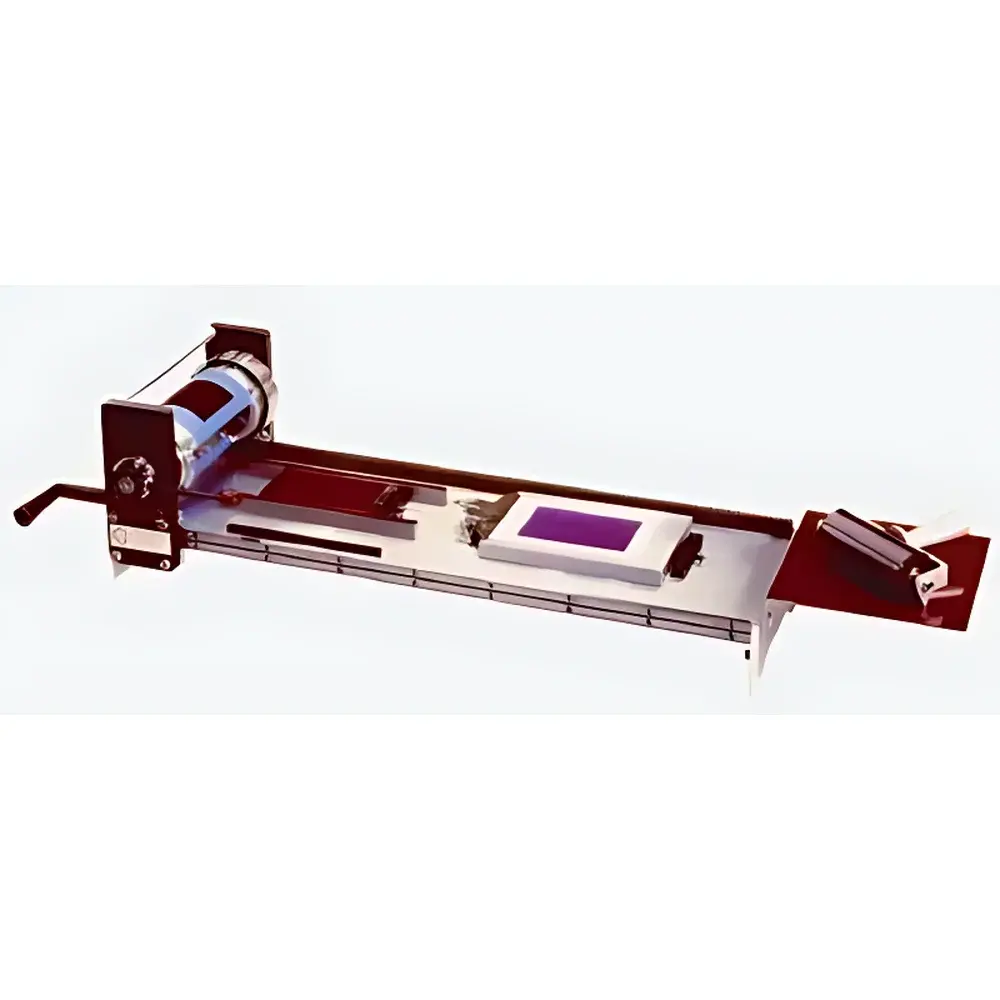
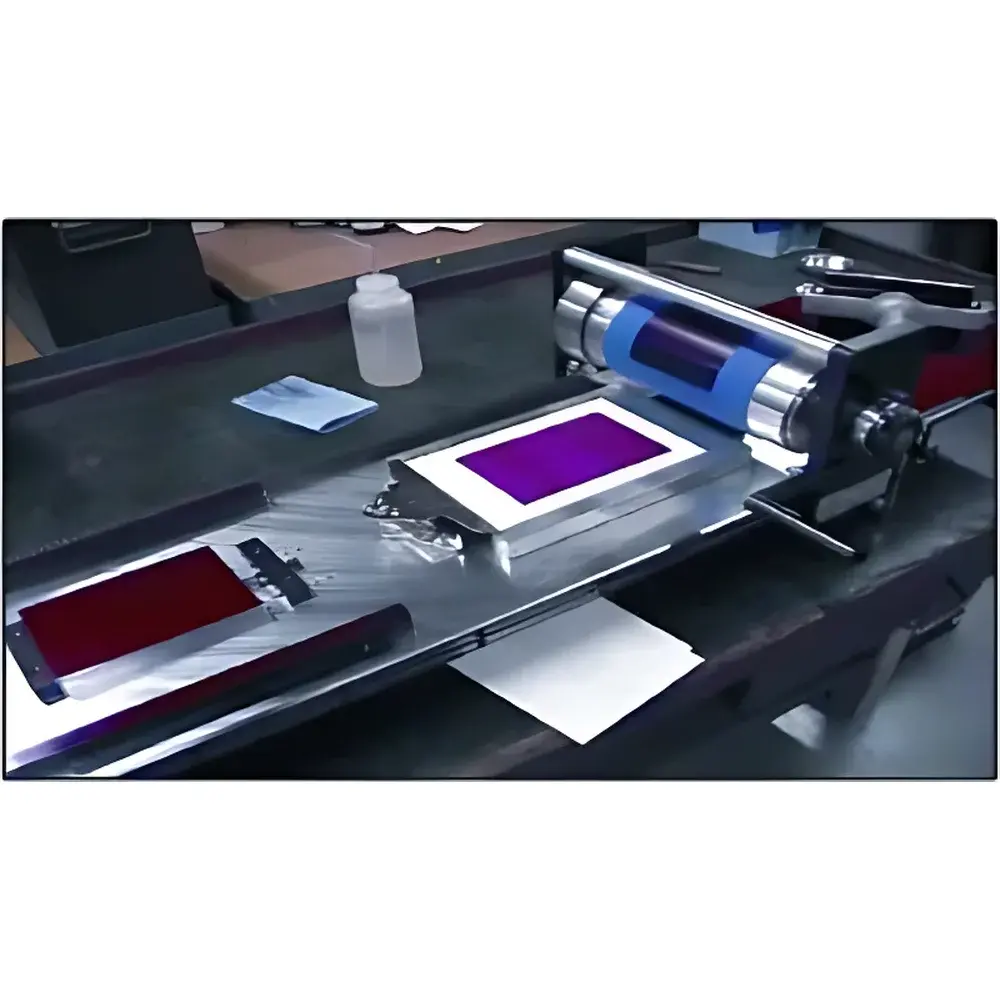
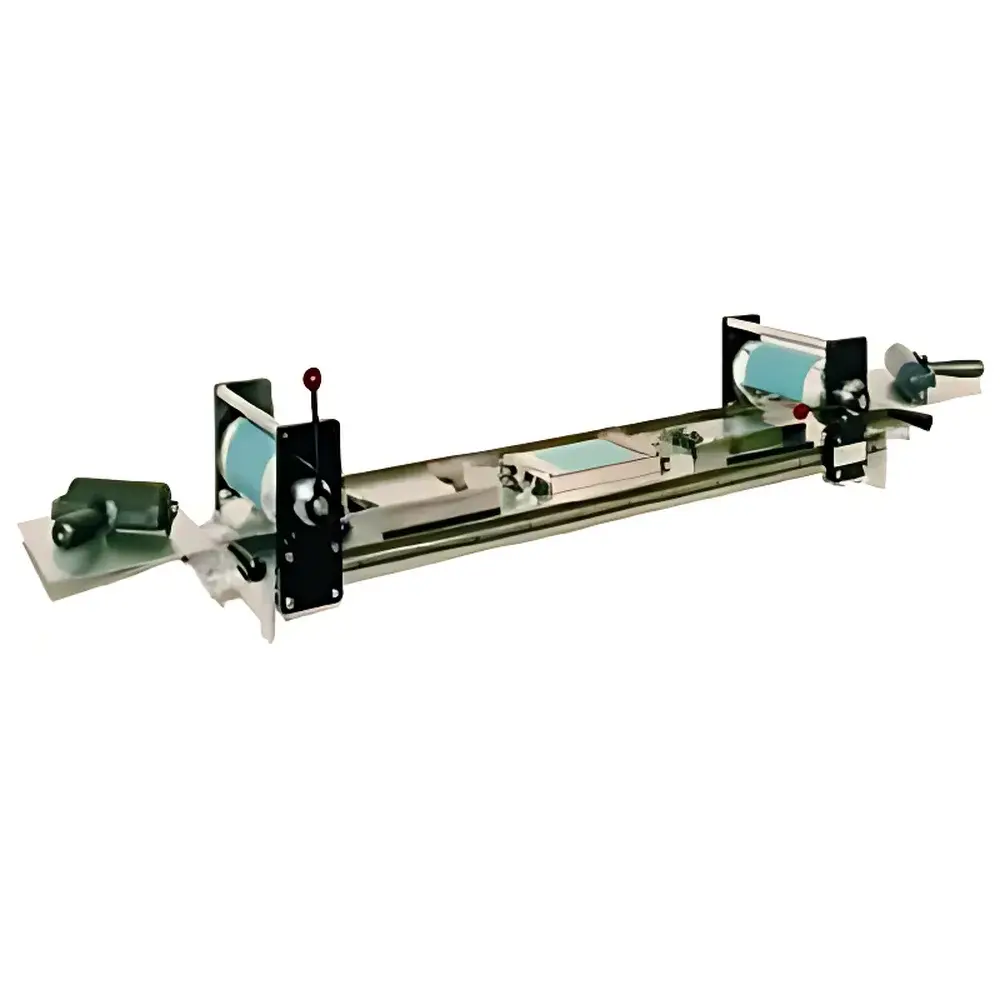
Little Joe H/HD Series Offset Printing Proofing Press
| Brand | Little Joe |
|---|---|
| Origin | USA |
| Model | H Series (Single-Color) / HD Series (Dual-Color) |
| Dimensions (H) | 92 × 31 × 28 cm |
| Plate Area | 10 × 20 cm |
| Substrate Size (H) | 23 × 30 cm |
| Dimensions (HD) | 138 × 31 × 28 cm |
| Substrate Size (HD) | 23 × 31 cm |
Overview
The Little Joe H/HD Series Offset Printing Proofing Press is a precision-engineered laboratory-scale offset lithographic press designed for reproducible, standardized evaluation of paste-type inks under controlled printing conditions. Based on the fundamental principles of offset lithography—where ink transfer occurs via an image-carrying plate, a rubber blanket cylinder, and a substrate—the system replicates key mechanical and rheological interactions observed in full-scale production presses. Unlike rotary or sheetfed commercial presses, the Little Joe series employs a stationary plate and reciprocating impression cylinder architecture, enabling consistent nip pressure, dwell time, and ink film thickness control across repeated proofing cycles. This design ensures high inter-laboratory reproducibility and supports method validation per ISO 2846-1 (Graphic technology — Inks for four-colour printing — Part 1: Process cyan, magenta, yellow and black inks) and ASTM D3424 (Standard Practice for Evaluating the Lightfastness of Printed Matter). It serves as a critical tool for R&D laboratories, quality assurance departments, and technical service centers engaged in ink formulation, pigment evaluation, substrate compatibility testing, and process troubleshooting.
Key Features
- Modular platform supporting both single-color (H Series) and dual-color (HD Series) proofing configurations—enabling evaluation of color trapping, overprint strength, and register accuracy.
- Adjustable impression pressure mechanism with calibrated spring-loaded loading, ensuring repeatable ink transfer without plate deformation or substrate distortion.
- Quick-change plate mounting system compatible with standard 10 × 20 cm aluminum or polyester plates; accommodates both positive and negative image formats.
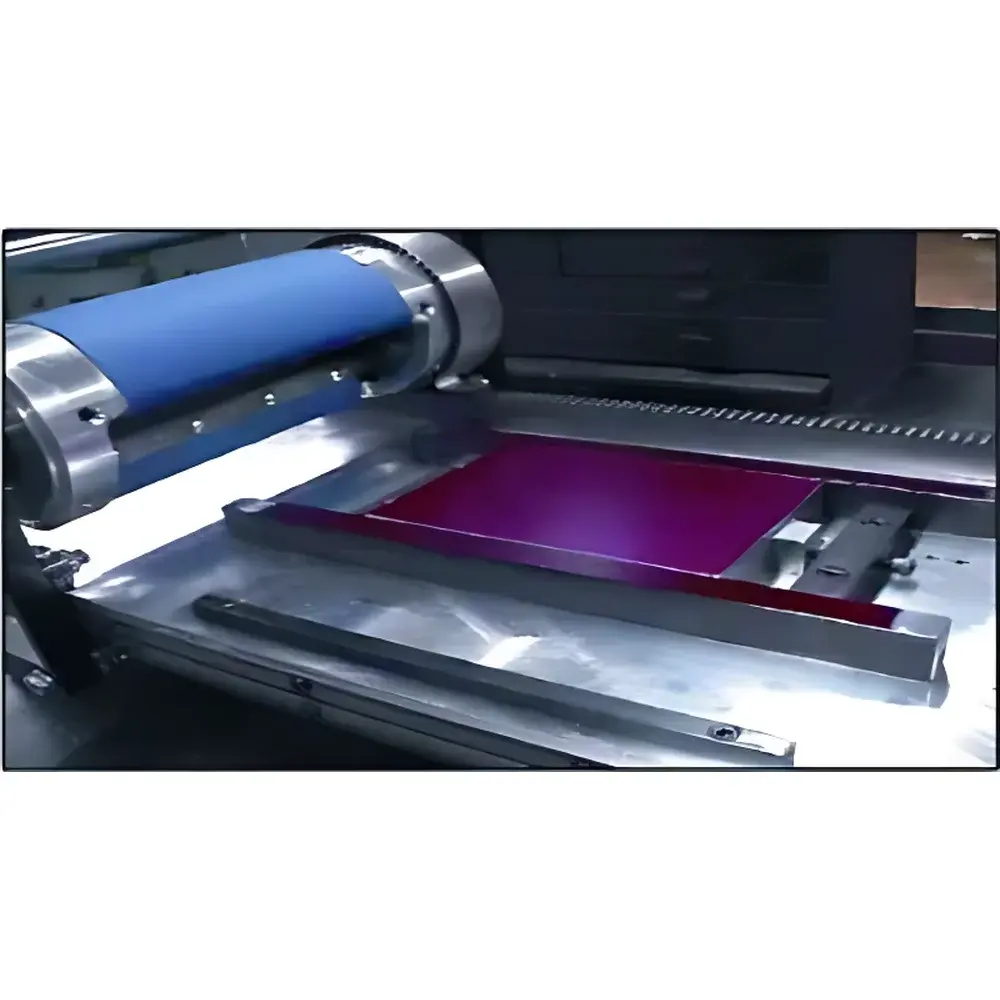
- Integrated ink fountain with micro-adjustable doctor blade for precise metering of ink film thickness (typical range: 1–5 µm wet film), validated using ISO 2834-1 reference methods.
- Stainless-steel ink rollers and chrome-plated blanket cylinder engineered for chemical resistance to solvent-, water-, and UV-curable inks.
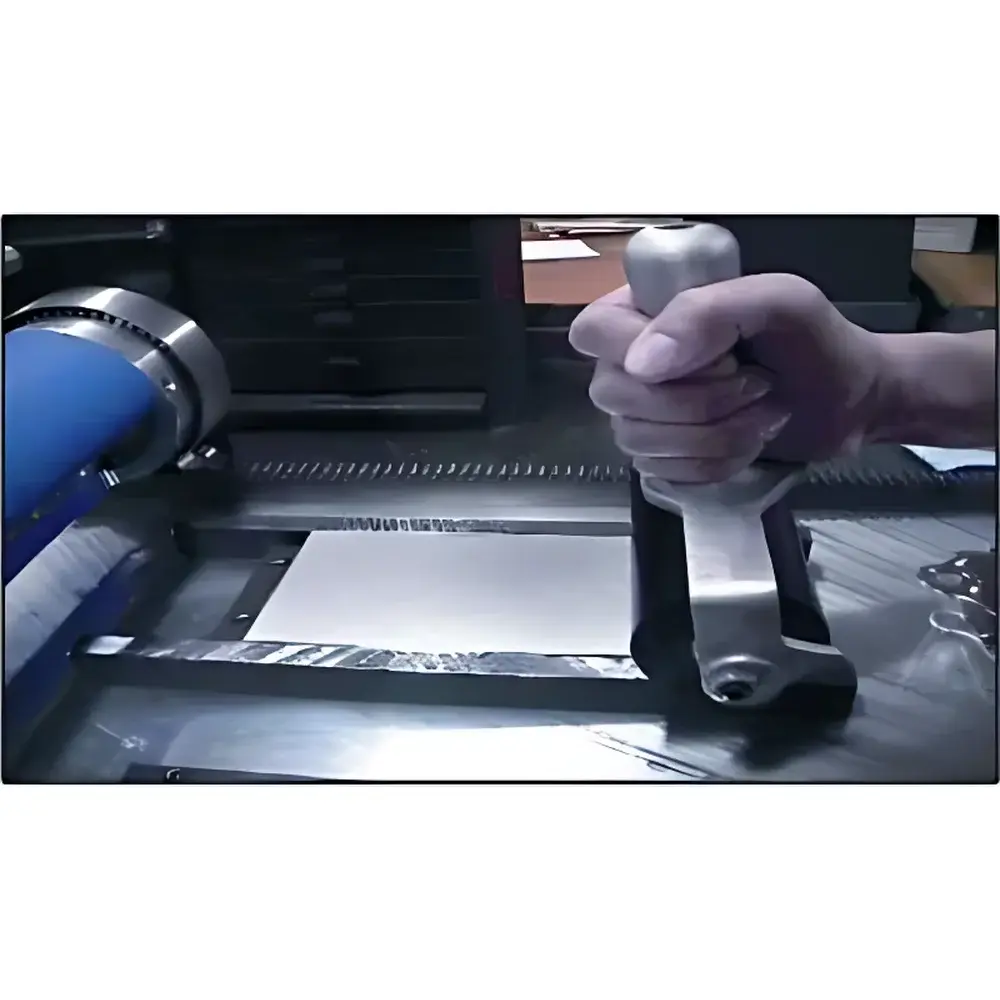
- Ergonomic manual operation with tactile feedback controls—no external power supply required—ensuring operational safety and compliance with laboratory electrical hazard standards (IEC 61010-1).
Sample Compatibility & Compliance
The Little Joe press accepts a broad spectrum of substrates—including coated/uncoated papers, synthetic films (PET, PP), metallic foils, and corrugated board—within defined dimensional limits (up to 23 × 31 cm). Its mechanical design conforms to the geometric constraints specified in ISO 12647-2 (Process control for the production of halftone colour separations, proof and production prints — Part 2: Offset lithographic processes), facilitating correlation with pressroom performance. All wet-end components comply with FDA 21 CFR §175.105 (adhesives) and §176.170 (indirect food additives), supporting use in packaging ink development subject to food contact regulations. The system is routinely deployed in GLP-compliant environments where audit trails for ink batch qualification, substrate lot verification, and method transfer documentation are maintained.
Software & Data Management
While the Little Joe H/HD series operates manually, its output is fully integrable into digital QA workflows. Spectrophotometric measurements (e.g., from X-Rite i1Pro3 or Konica Minolta CM-3600A) taken from printed proofs are imported into industry-standard color management software (e.g., CGS ORIS, GMG ColorProof) for ΔE00 analysis, G7 calibration, and contract proof validation per ISO 12647-7. Optional digital documentation kits—including calibrated lighting booths (D50/D65), registration target templates, and traceable grayscale step wedges—support ISO/IEC 17025-accredited testing protocols. Full audit trails—including operator ID, substrate lot number, ink batch code, ambient RH/temperature logs, and proof date/time stamps—are maintained externally in LIMS or ELN systems compliant with 21 CFR Part 11 requirements.
Applications
- Routine ink formulation screening: assessment of tack, set-off resistance, drying behavior, and gloss uniformity across pigment dispersions and resin systems.
- Pigment supplier qualification: evaluation of color strength, transparency, and flocculation stability under shear conditions simulating roller train dynamics.
- Substrate-ink interaction studies: measurement of absorption rate, dot gain, and mottling on diverse paper coatings and polymer films.
- UV flexographic ink adaptation testing: verification of crosslink density and surface cure integrity through post-press adhesion (tape test) and rub resistance (ASTM D5264) protocols.
- Pressroom trouble-shooting support: reproduction of scumming, picking, or emulsification issues observed on production lines for root-cause analysis.
FAQ
Is the Little Joe press suitable for UV-curable ink evaluation?
Yes—the chrome-plated blanket and stainless-steel rollers resist UV monomer exposure, and the system supports post-cure evaluation using standard mercury-vapor or LED UV sources.
Can it be used to generate contract proofs compliant with ISO 12647-7?
When operated with certified plates, calibrated substrates, and validated ink sets, outputs meet the repeatability and gray balance criteria outlined in Clause 6.3 of ISO 12647-7 for extended-gamut and conventional CMYK proofing.
What maintenance is required to ensure long-term measurement consistency?
Monthly cleaning of ink paths with isopropyl alcohol, biannual roller hardness verification (Shore A 25–30), and annual calibration of impression pressure using NIST-traceable load cells are recommended.
Does the system support automated data capture?
No native digital interface exists; however, third-party integration via USB-connected spectrophotometers and API-enabled LIMS platforms enables structured metadata capture and statistical process control (SPC) charting.






