
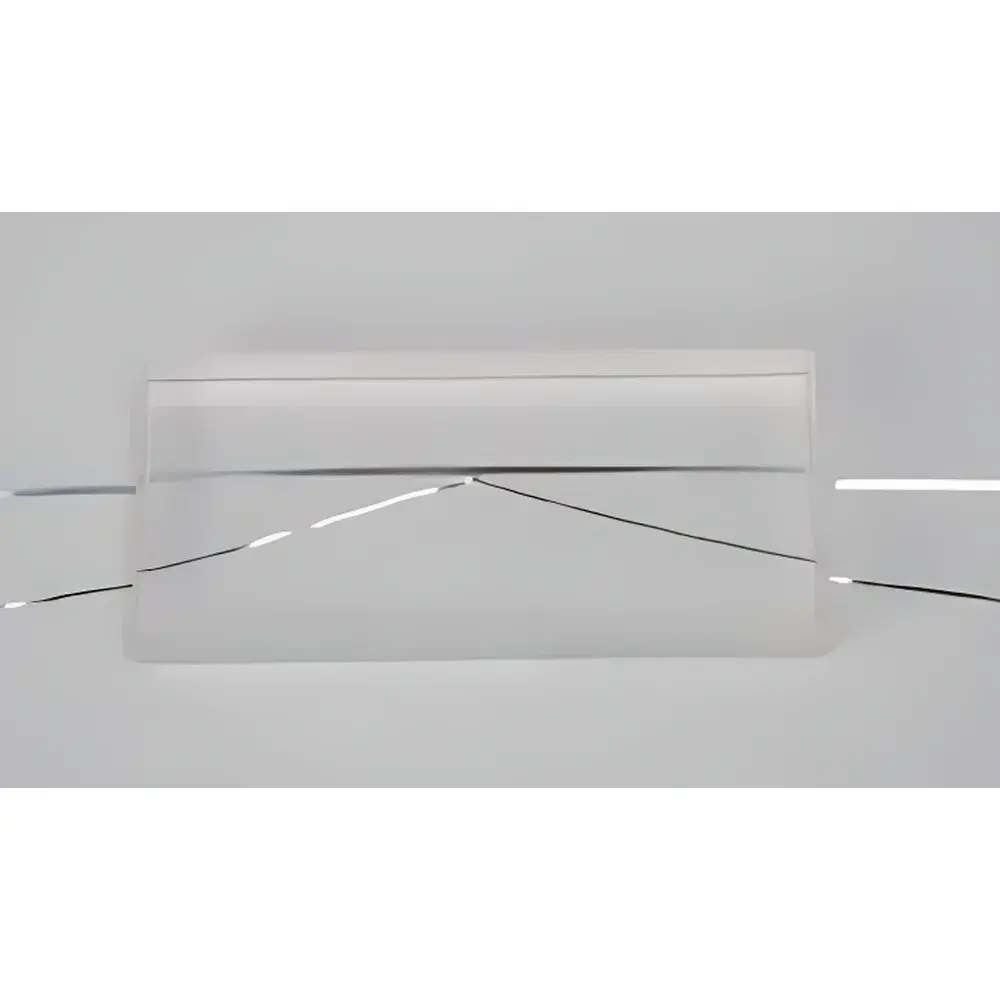
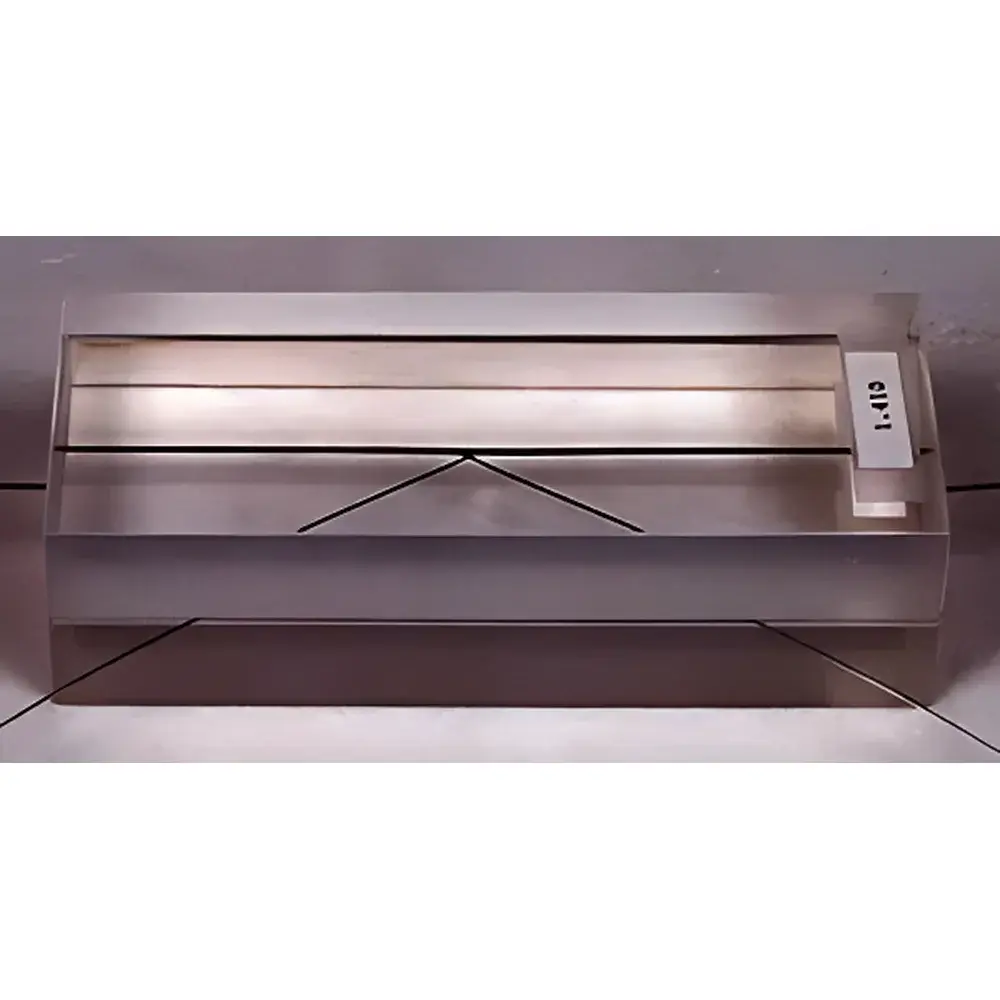
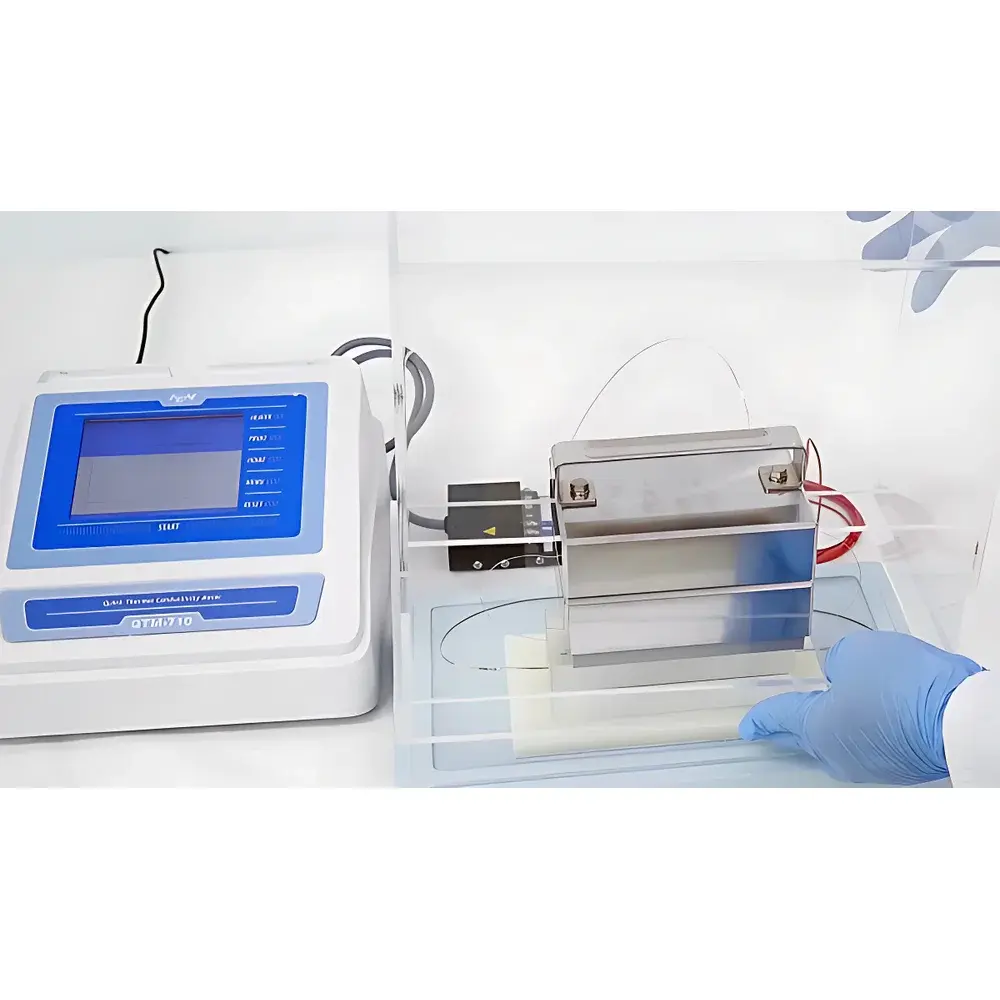
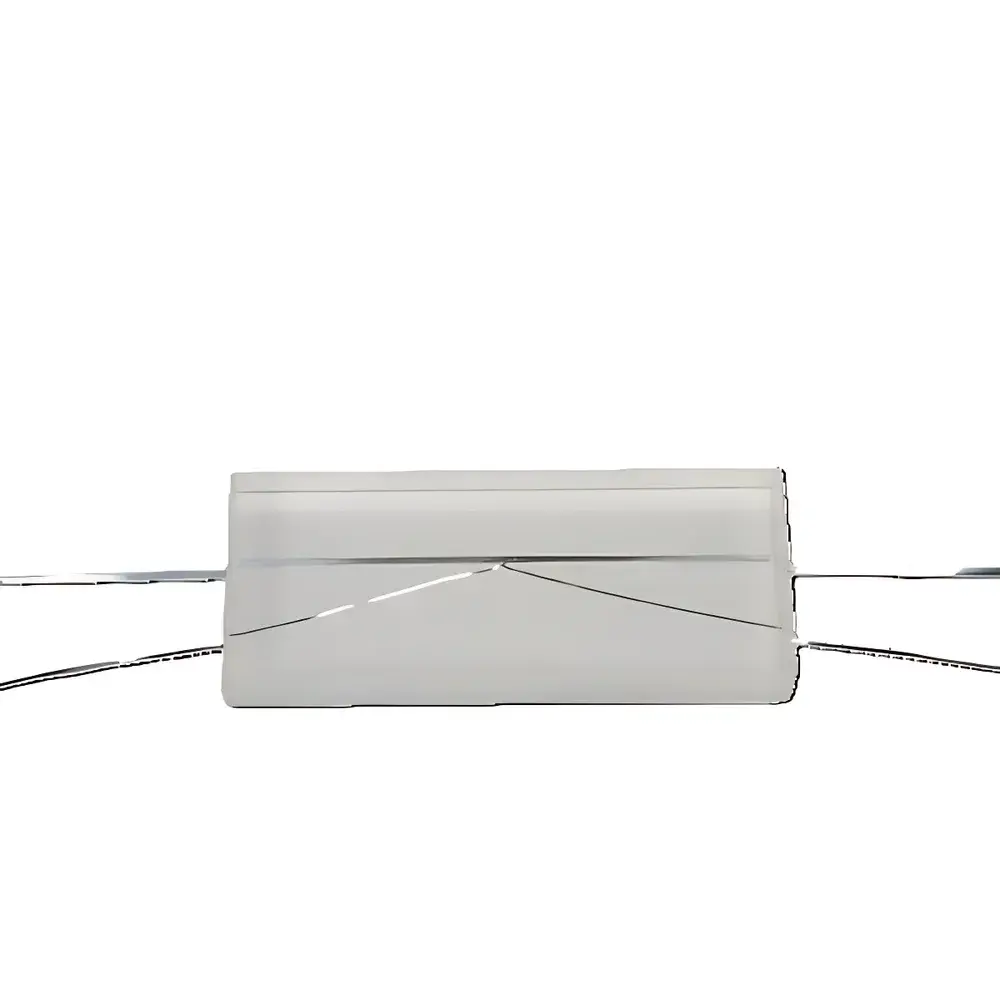
KEM PD-31N/PD-31 Hot Wire Thermal Conductivity Analyzer
| Brand | Kyoto Electronics Manufacturing (KEM) |
|---|---|
| Origin | Japan |
| Manufacturer Type | Original Equipment Manufacturer (OEM) |
| Import Status | Imported Instrument |
| Model | PD-31N / PD-31 |
| Measurement Principle | Transient Hot Wire Method |
| Dimensions (L×W×H) | 100 × 50 × 20 mm |
| Thermal Conductivity Range | 0.058–5.0 W/(m·K) |
| Accuracy | ±5% |
| Repeatability | ±3% |
| Operating Temperature Range | −100 to +1000 °C |
| Measurement Duration | 100–120 s |
| Sample Dimensions | ≥100 × 80 × 40 mm (minimum two specimens) |
Overview
The KEM PD-31N/PD-31 Hot Wire Thermal Conductivity Analyzer is a precision transient hot wire (THW) sensor system engineered for direct, contact-based measurement of thermal conductivity in solid and powdered insulating materials. Based on the ASTM D5334 and ISO 22007-2 standards, the THW method applies a short-duration electrical pulse to a thin, centrally embedded nickel-chromium (NiCr) heating wire—acting simultaneously as heater and temperature sensor—while monitoring the time-dependent temperature rise in the surrounding sample matrix. The logarithmic relationship between temperature increase and elapsed time yields thermal conductivity via analytical solution of the infinite-line-source heat conduction model. This principle ensures high sensitivity across low-to-moderate conductivity ranges (0.058–5.0 W/(m·K)), making the PD-31N/PD-31 especially suitable for characterizing refractory ceramics, firebricks, insulating foams, mineral wool, and high-purity oxides where steady-state methods suffer from long equilibration times or edge-loss artifacts.
Key Features
- Transient hot wire measurement architecture compliant with ISO 22007-2 and ASTM D5334 for traceable thermal conductivity determination
- Dual-sensor configuration: PD-31N designed for integration with QTM-710/700 series analyzers; PD-31 compatible with QTM-500 platform
- NiCr alloy heating wire with integrated Type-K thermocouple for simultaneous Joule heating and real-time temperature response capture
- Extended operational temperature range from −100 °C to +1000 °C, enabling characterization under cryogenic and high-temperature conditions
- Compact sensor footprint (100 × 50 × 20 mm) optimized for benchtop integration and minimal sample disturbance
- Measurement cycle completed within 100–120 seconds, supporting rapid screening without compromising data integrity
- Calibration traceability to NIST-traceable reference materials; accuracy maintained at ±5% and repeatability at ±3% under controlled environmental conditions
Sample Compatibility & Compliance
The PD-31N/PD-31 sensor set accommodates rigid and semi-rigid solids requiring minimum dimensions of 100 × 80 × 40 mm per specimen (two samples recommended for statistical validation). It is validated for use with low-density insulators (e.g., aerogels, calcium silicate boards), structural ceramics (alumina, zirconia), refractory bricks, castables, and composite insulation systems. Sample mounting must ensure full lateral contact around the wire axis to minimize interfacial thermal resistance. The system supports GLP-compliant workflows when paired with KEM’s QTM-series mainframes, including audit-trail-enabled calibration logging, user access control, and electronic signature support aligned with FDA 21 CFR Part 11 requirements.
Software & Data Management
When operated with KEM QTM-710/700 or QTM-500 host instruments, the PD-31N/PD-31 delivers raw thermographic time-series data processed via embedded inverse modeling algorithms. Software outputs include thermal conductivity (W/(m·K)), thermal diffusivity (mm²/s), and volumetric heat capacity (MJ/(m³·K))—all calculated per ISO 22007-2 Annex A. Data export supports CSV and XML formats for LIMS integration. Firmware updates and calibration verification reports are stored with timestamped metadata, satisfying internal QA protocols and external accreditation audits (e.g., ISO/IEC 17025).
Applications
- Quality control of industrial insulation products in manufacturing environments
- R&D evaluation of novel ceramic composites for aerospace thermal protection systems
- Thermal property benchmarking of refractory linings in metallurgical furnaces
- Validation of thermal models used in building energy simulation (e.g., ASHRAE 140 compliance)
- Material qualification for nuclear applications where radiation-induced conductivity shifts must be quantified
- Academic research on phonon transport mechanisms in polycrystalline oxides
FAQ
What materials are incompatible with the PD-31N/PD-31 hot wire method?
Highly conductive metals, liquids, gels, or highly anisotropic layered composites are not recommended due to insufficient thermal resistance contrast, fluid convection interference, or directional heat flow deviation from the infinite-line-source assumption.
Is sample surface preparation required prior to measurement?
Yes—specimens must exhibit flat, parallel faces with surface roughness <10 µm Ra to ensure uniform contact pressure and eliminate air-gap thermal resistance at the sensor interface.
Can the PD-31N be used interchangeably with the QTM-500?
No—PD-31N is mechanically and electrically matched only to QTM-710/700 platforms; PD-31 is the designated sensor for QTM-500. Cross-use may result in incorrect voltage scaling and invalid thermal calculations.
How often should calibration verification be performed?
KEM recommends daily verification using a certified reference material (e.g., NIST SRM 1470) before routine testing, with full recalibration every six months or after mechanical impact or thermal shock events.
Does the system support automated multi-point temperature profiling?
No—the PD-31N/PD-31 implements single-axis transient measurement only. Spatial thermal gradient analysis requires complementary techniques such as laser flash analysis (LFA) or infrared thermography.



