
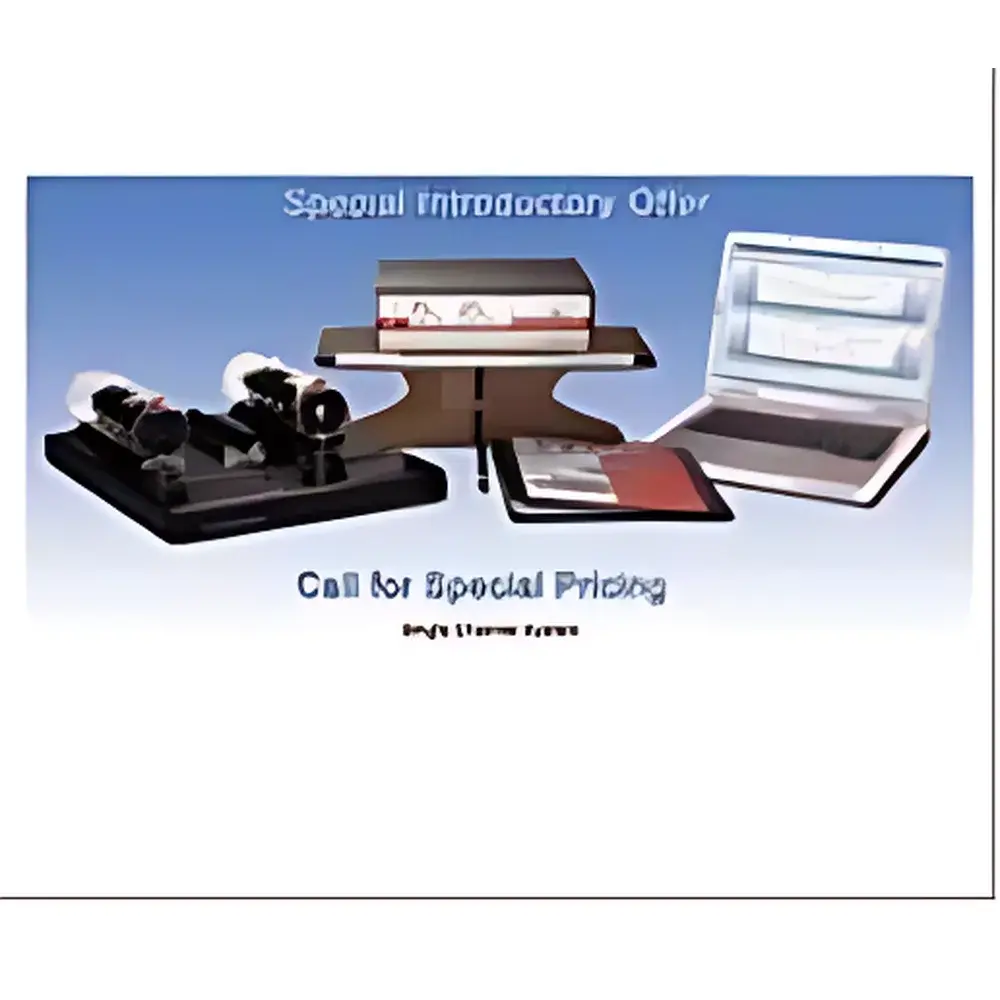
Kent Scientific CODA Non-Invasive Blood Pressure and Blood Flow Measurement System for Rodents
| Origin | USA |
|---|---|
| Manufacturer Type | Authorized Distributor |
| Origin Category | Imported |
| Model | CODA |
| Pricing | Available Upon Request |
Overview
The Kent Scientific CODA Non-Invasive Blood Pressure and Blood Flow Measurement System is an advanced, research-grade platform engineered for precise, repeatable hemodynamic assessment in conscious or lightly restrained rodents. It employs Volume-Pressure Recording (VPR) — the third-generation, gold-standard non-invasive methodology validated across leading academic and pharmaceutical institutions. Unlike oscillometric or tail-cuff plethysmography systems that infer diastolic pressure via algorithmic estimation, VPR directly quantifies volumetric changes in the tail artery using a high-sensitivity differential pressure transducer. This principle enables real-time, artifact-resistant acquisition of six core hemodynamic parameters: systolic blood pressure (SBP), diastolic blood pressure (DBP), mean arterial pressure (MAP), pulse rate, tail blood volume, and tail blood flow velocity. Clinical validation at Yale University’s Independent Clinical Testing Center demonstrated >99% correlation between CODA VPR-derived DBP and invasive intra-arterial measurements — establishing its suitability for preclinical hypertension studies, pharmacodynamic profiling, and longitudinal cardiovascular phenotyping under GLP-compliant workflows.
Key Features
- VPR-based sensing architecture with integrated differential pressure transducer for direct, calibration-free volumetric detection of arterial pulsation
- Simultaneous acquisition of six physiological parameters without signal interpolation or post-hoc derivation
- Modular restraint system with tapered, light-diffusing cones designed to minimize stress-induced pressor responses while ensuring consistent tail extension and thermal stability
- Integrated thermoregulation support compatible with infrared warming blankets or recirculating water-heated pads — optimized to maintain core body temperature (36.5–37.5°C) and maximize distal perfusion without hyperthermic artifacts
- Scalable configuration supporting subjects from 10 g C57BL/6 mice to >950 g JCR:LA-corpulent rats
- Low-motion sensitivity: robust performance during minor spontaneous movement, eliminating need for deep sedation or neuromuscular blockade
Sample Compatibility & Compliance
The CODA system is validated for use with common laboratory rodent strains including Sprague-Dawley, Wistar, SHR, Dahl-S, and transgenic models (e.g., ACE2-KO, eNOS−/−). Its VPR methodology eliminates interference from fur pigmentation, ambient lighting conditions, or tail skin heterogeneity — critical for multi-center reproducibility. The system complies with NIH Guide for the Care and Use of Laboratory Animals and supports adherence to IACUC-approved protocols. Data acquisition and storage meet audit requirements for FDA 21 CFR Part 11 when used with validated software configurations; raw data files are timestamped, immutable, and exportable in CSV and HDF5 formats for third-party statistical analysis (e.g., R, Python, GraphPad Prism).
Software & Data Management
The CODA Analysis Software (v8.x, Windows 10/11 compatible) provides a deterministic, traceable workflow from acquisition to reporting. Real-time visualization includes synchronized waveform overlays of pressure, volume, and flow signals. Automated artifact rejection uses adaptive thresholding based on user-defined physiological bounds; manual override is available for expert curation. The software features built-in self-calibration routines, batch processing for up to 24 animals per session, and customizable report templates compliant with journal submission standards (e.g., Hypertension, AJP-Heart). Audit trails log all parameter edits, session start/stop times, operator ID, and hardware configuration — satisfying GLP/GMP documentation requirements. Raw data archives retain full-resolution waveforms with metadata (ambient temperature, chamber humidity, restraint duration).
Applications
- Longitudinal monitoring of hypertension progression in genetic and diet-induced models
- Pharmacological evaluation of antihypertensive agents, vasodilators, and renin-angiotensin system modulators
- Cardiovascular safety assessment during IND-enabling toxicology studies
- Neurovascular coupling studies requiring stable baseline hemodynamics
- Metabolic syndrome phenotyping where autonomic dysregulation co-occurs with insulin resistance
- Training and standardization across multi-investigator consortia (e.g., SOP-driven core facilities)
FAQ
How does VPR differ from traditional tail-cuff methods?
VPR directly measures tail arterial volume displacement using a pressure-sensitive cuff, whereas conventional tail-cuff systems rely on oscillometric algorithms to estimate diastolic pressure — introducing systematic bias in low-perfusion states.
Can CODA be used with anesthetized animals?
Yes, but thermoregulation must be actively maintained; anesthesia-induced hypothermia significantly reduces tail perfusion and compromises signal fidelity.
Is the system compatible with automated home-cage monitoring setups?
CODA is designed for controlled, short-duration sessions (5–15 min); integration with home-cage telemetry requires external synchronization via TTL triggers and is not natively supported.
What is the minimum subject weight for reliable measurement?
Validated down to 10 g in C57BL/6 mice with appropriate cuff sizing and thermal management.
Does the software support statistical outlier detection?
Yes — the analysis engine applies iterative Grubbs’ test during batch processing and flags outliers exceeding 2.5 SD from session mean, with optional auto-rejection or manual review.




