
Langcheng Coastal Land-Based Pollutant Online Monitoring System
| Origin | Guangdong, China |
|---|---|
| Manufacturer Type | Authorized Distributor |
| Origin Category | Domestic (China) |
| Model | Langcheng Coastal Land-Based Pollutant Online Monitoring System |
| Pricing | Available Upon Request |
Overview
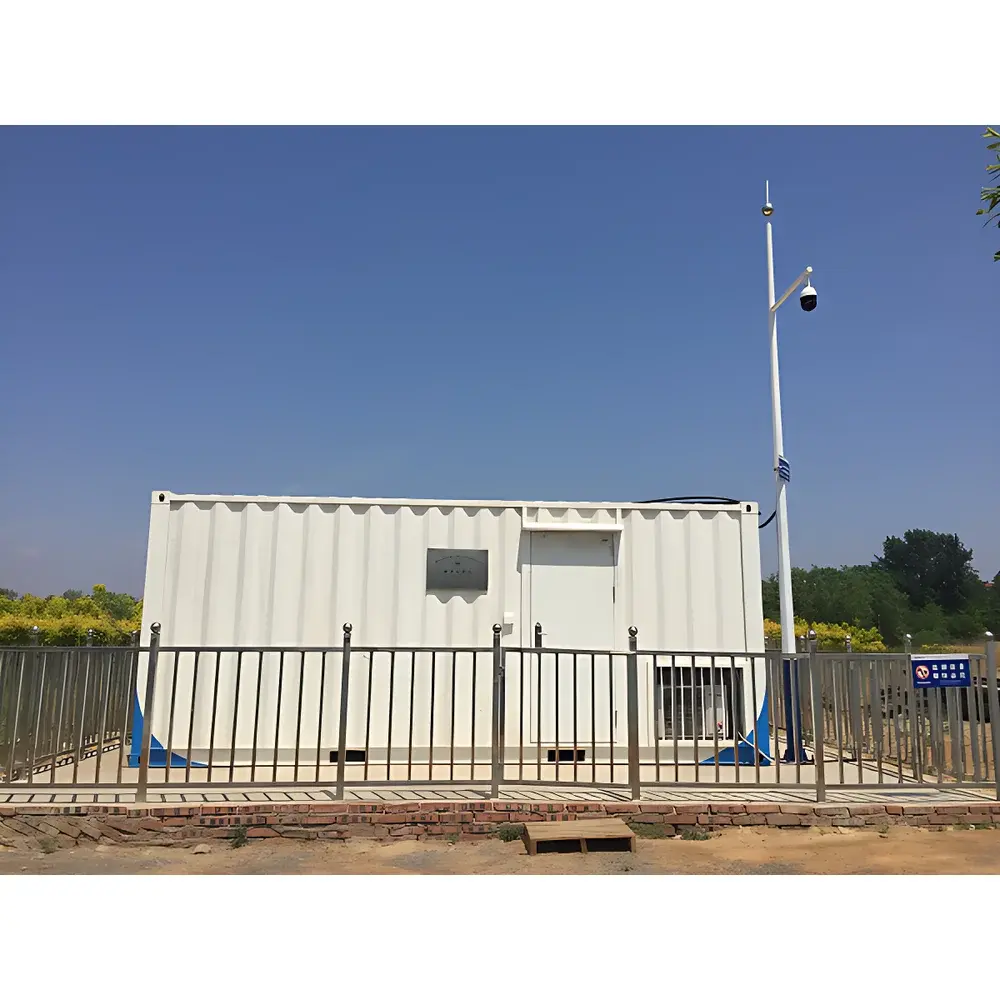
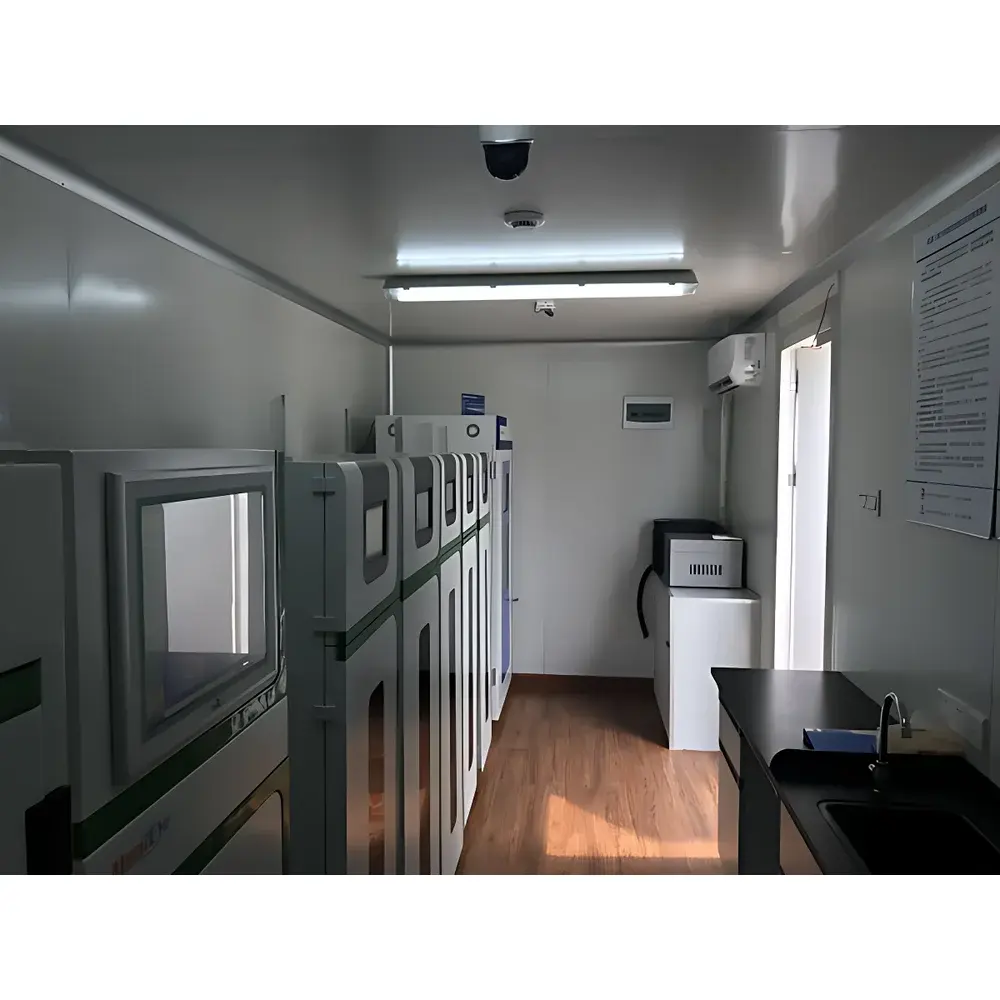
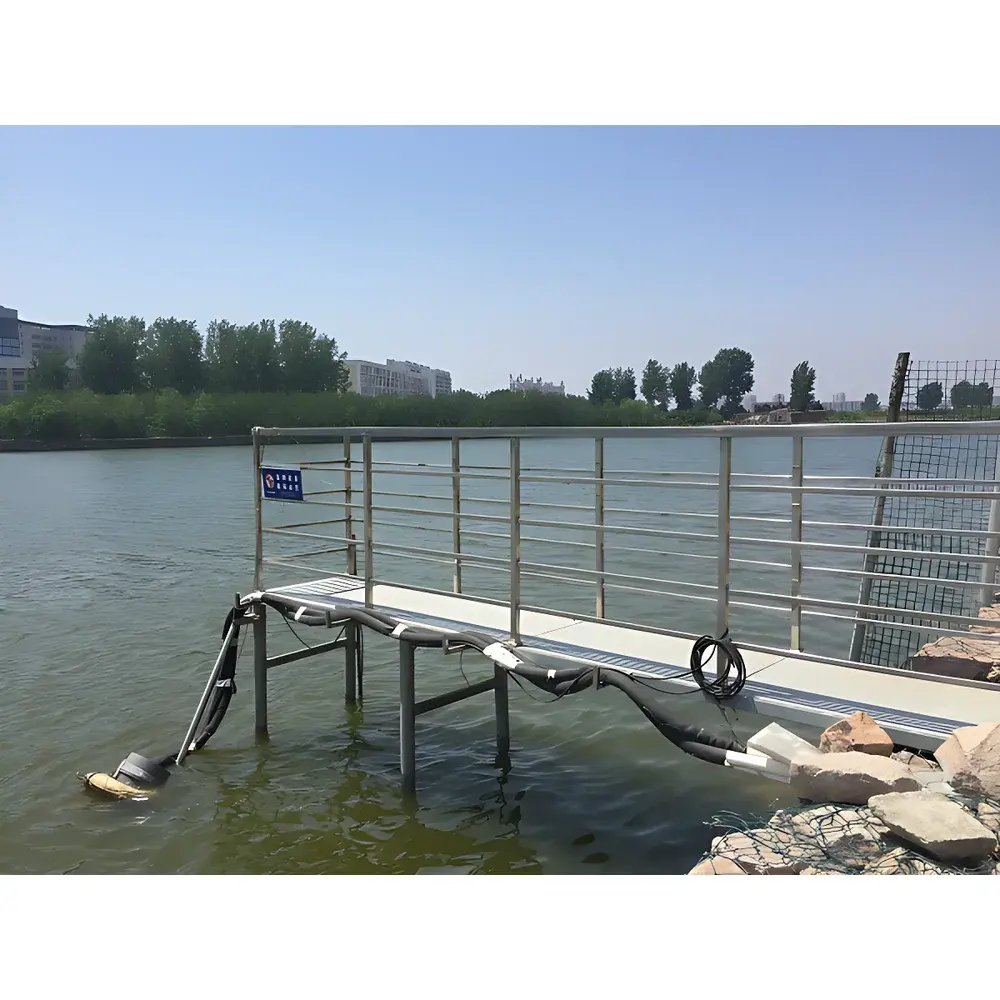
The Langcheng Coastal Land-Based Pollutant Online Monitoring System is an integrated environmental instrumentation platform engineered for continuous, real-time quantification of terrestrial-sourced contaminants discharged into marine environments at river mouths, estuaries, and coastal outfall zones. It operates on a multi-layered measurement architecture combining physical flow monitoring, automated wet-chemistry analysis, and data-driven flux modeling. Core analytical methodologies include spectrophotometric detection (e.g., UV-Vis for nitrate, phosphate, COD), electrochemical sensing (e.g., ion-selective electrodes for ammonium, chloride), and optical turbidity/SS measurement—all calibrated and validated for operation in brackish water matrices (0–35 ppt salinity). The system is deployed within purpose-built shore-based or floating monitoring stations and delivers time-synchronized measurements of pollutant concentration and volumetric discharge, enabling calculation of mass loading (kg/day) per analyte—a critical parameter for regulatory reporting under national marine environmental protection frameworks and regional Total Maximum Daily Load (TMDL) assessments.
Key Features
- Brackish-water-optimized sensor suite: Analytical modules validated for stable performance across dynamic salinity gradients (0–35 g/kg), minimizing drift and cross-sensitivity in estuarine mixing zones.
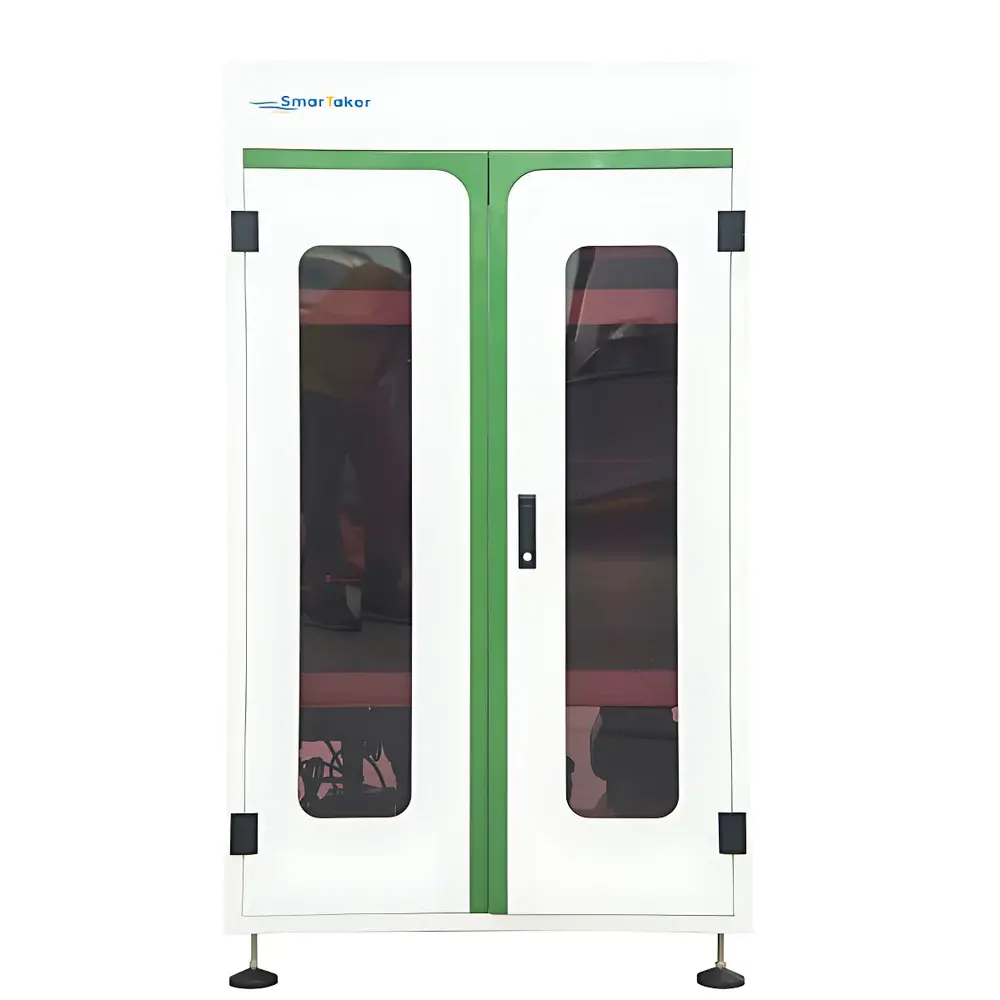
- Modular multi-parameter integration: Simultaneous monitoring of up to 12 parameters—including COD, TN, TP, NH₄⁺-N, NO₃⁻-N, PO₄³⁻-P, turbidity, pH, conductivity, dissolved oxygen, temperature, and real-time flow velocity—within a single station footprint.
- Intelligent sample handling subsystem: Dual-pump, dual-tube sampling architecture with redundant PVC-U piping; integrated filtration, sedimentation, and UV-LED anti-fouling pre-treatment; automated chemical cleaning (acid/base) and algaecide dosing cycles.
- PLC-driven centralized control: Industrial-grade programmable logic controller (Siemens S7-1200 series or equivalent) managing sequencing logic for sampling, calibration, cleaning, fault recovery, and power management; supports IEC 61131-3 programming standards.
- Real-time mass flux computation engine: Embedded algorithmic module that synchronizes concentration data from analyzers with ultrasonic Doppler or magnetic flowmeter-derived discharge rates to compute time-resolved contaminant loadings—exportable as hourly/daily integrated mass values.
- Robust cyber-physical security: Hardware-level watchdog timers, encrypted local data storage (RAID-1 SSD), TLS 1.2+ secure telemetry transmission, and configurable access controls aligned with IEC 62443-3-3 Level 1 requirements.
Sample Compatibility & Compliance
The system is designed for direct deployment in tidal-influenced surface waters with suspended solids ≤ 200 mg/L and chlorophyll-a ≤ 50 µg/L. All wetted components comply with ISO 10523 (pH), ISO 7888 (conductivity), and ISO 8692 (freshwater algae growth inhibition) material compatibility guidelines. Sensor calibration protocols follow ASTM D1293 (pH), ASTM D3370 (flow), and EPA Method 450.1 (COD). Data integrity meets GLP principles: full audit trail (user actions, calibration events, maintenance logs), electronic signatures, and immutable timestamping. System architecture supports future alignment with FDA 21 CFR Part 11 requirements via optional validation package.
Software & Data Management
The Langcheng Monitoring Information Management Platform (v4.2+) is a web-native application built on PostgreSQL and Python/Django. It ingests time-series data via MQTT or Modbus TCP, applies QC/QA flags (e.g., range checks, spike detection per ISO 19944), and stores raw + processed datasets with metadata (sensor ID, calibration date, maintenance history). GIS-integrated visualization overlays pollutant plumes on bathymetric and hydrodynamic model outputs. Dynamic modeling modules support scenario-based forecasting (e.g., rainfall-runoff coupling using SWMM-compatible inputs) and statistical trend analysis (Mann-Kendall, Sen’s slope). Export formats include NetCDF, CSV, and OGC-compliant WMS/WFS feeds for interoperability with national marine data portals.
Applications
- Regulatory compliance monitoring for municipal wastewater discharge permits in coastal zones.
- Scientific assessment of nutrient loading impacts on eutrophication-sensitive bays and mangrove ecosystems.
- Early-warning detection of accidental industrial spills entering tidal rivers.
- Long-term trend analysis supporting China’s Marine Environmental Protection Law (MEPL) Article 28 reporting obligations.
- Calibration/validation of satellite-derived ocean color products (e.g., Sentinel-3 OLCI chlorophyll-a retrievals).
- Input dataset for regional-scale biogeochemical models (e.g., FVCOM, ROMS) simulating hypoxia formation.
FAQ
What water quality parameters can the system monitor simultaneously?
The base configuration monitors COD, total nitrogen (TN), total phosphorus (TP), ammonium-nitrogen (NH₄⁺-N), nitrate-nitrogen (NO₃⁻-N), orthophosphate (PO₄³⁻-P), turbidity, pH, conductivity, dissolved oxygen, temperature, and volumetric flow rate—with optional expansion to heavy metals (e.g., Cu, Pb, Cd) via ICP-OES interface modules.
How does the system handle biofouling in high-nutrient estuarine environments?
It employs a three-tier anti-fouling strategy: (1) UV-C irradiation in sample holding cells, (2) periodic sodium hypochlorite dosing (0.5–2 ppm) to supply lines, and (3) automated acid-wash cycles (0.1 M HCl) every 72 hours—validated to maintain <5% signal drift over 30-day unattended operation.
Is the platform compatible with national marine data reporting standards?
Yes. Data export templates conform to the Chinese National Standard GB/T 35214–2017 (“Technical Specification for Real-Time Monitoring Data Transmission of Marine Environmental Quality”) and support direct ingestion into the State Oceanic Administration’s (SOA) national marine monitoring database via HTTPS POST with digital certificate authentication.
Related Products







