
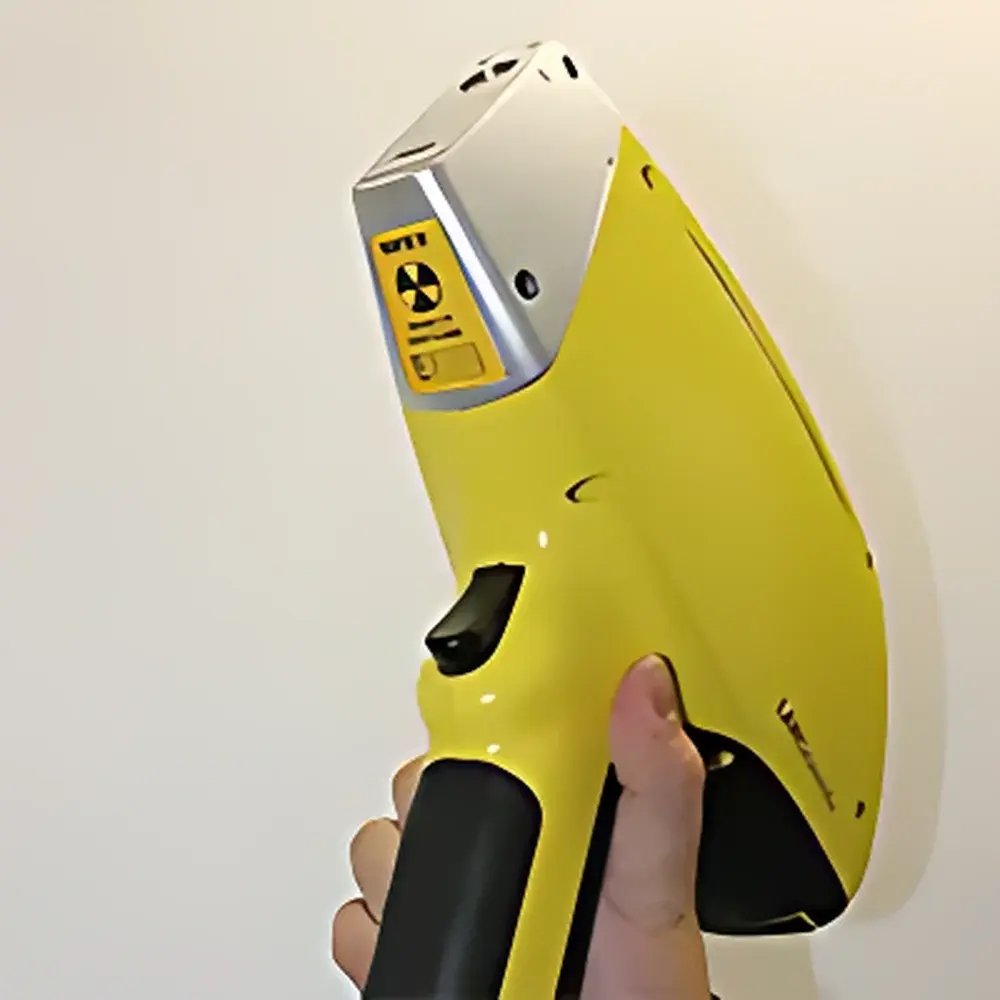
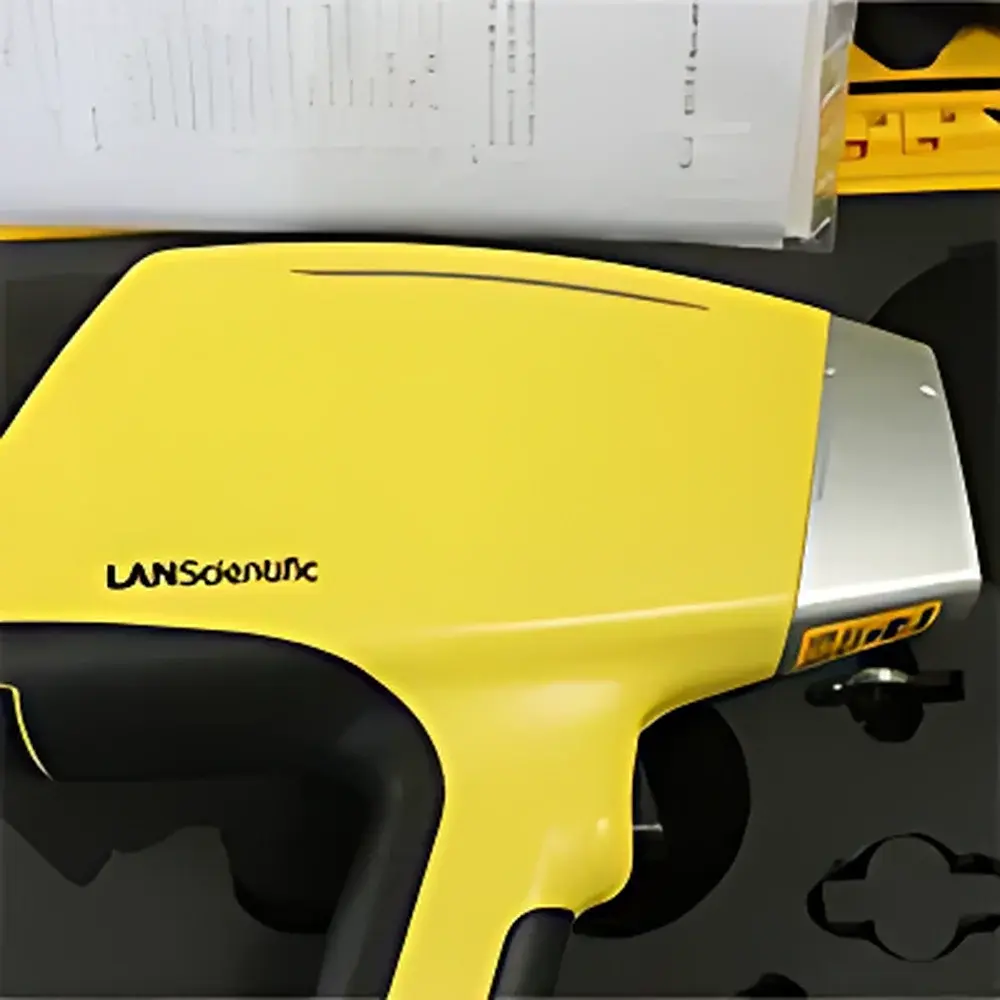
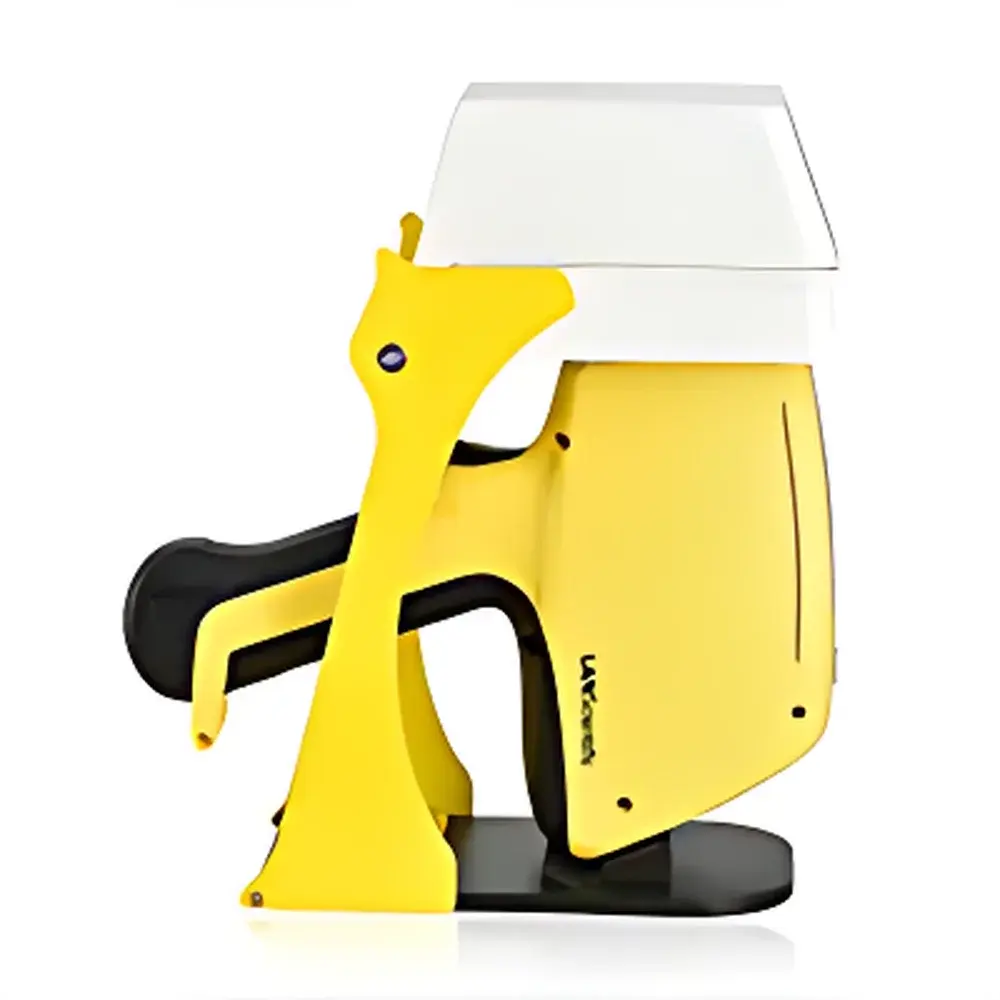
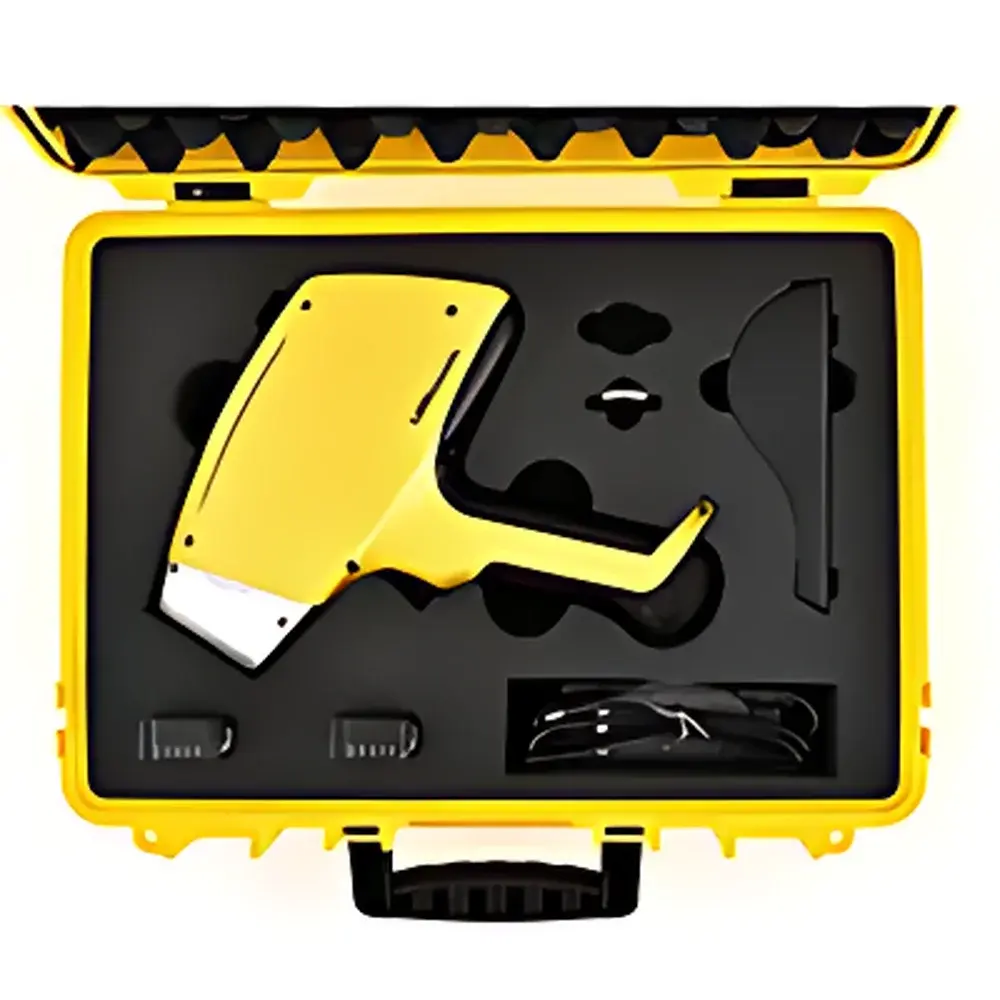
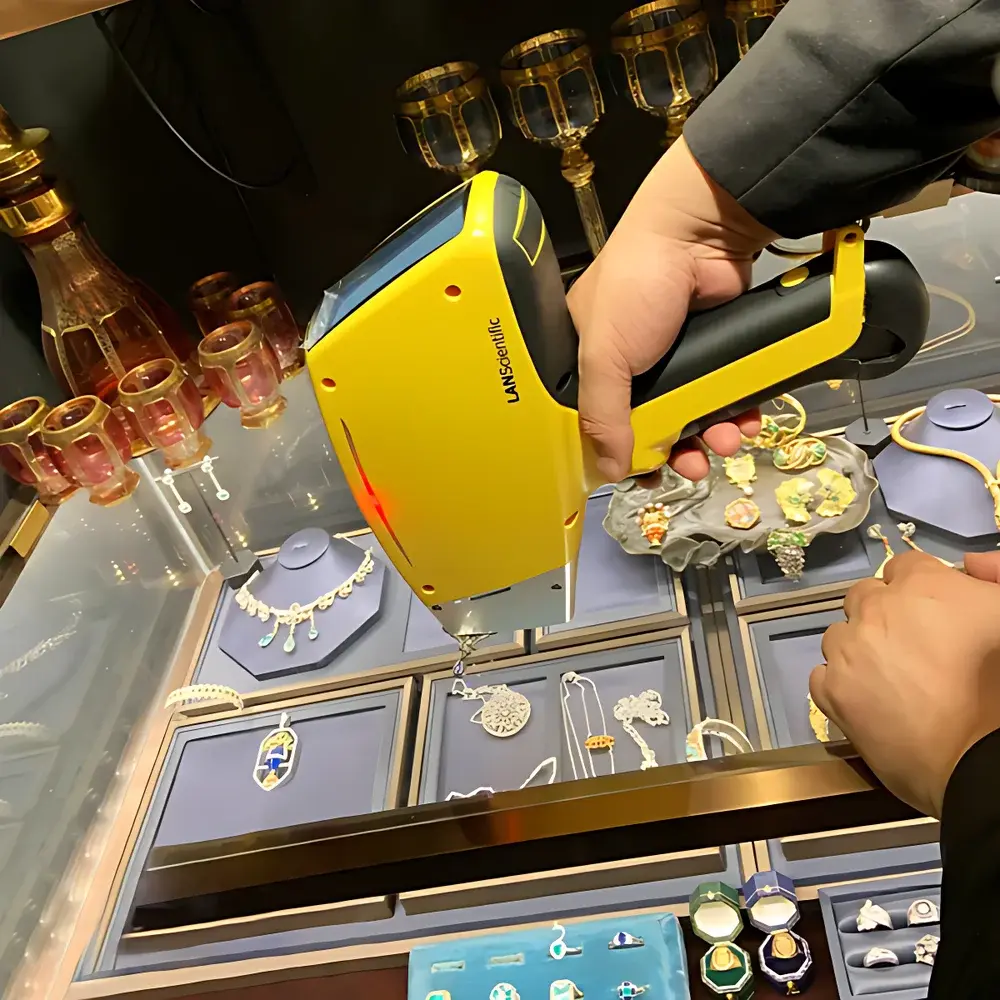
LANScientific TrueX G7 Portable Energy Dispersive X-Ray Fluorescence (ED-XRF) Spectrometer for Precious Metal Analysis
| Brand | LANScientific |
|---|---|
| Origin | Jiangsu, China |
| Manufacturer Type | Direct Manufacturer |
| Regional Category | Domestic (China) |
| Model | TrueX G7 |
| Price Range | USD 14,000 – 42,500 |
| Form Factor | Handheld / Portable |
| Instrument Type | Benchtop-Portable Hybrid ED-XRF |
| Industry-Specific Design | Non-Ferrous & Precious Metals |
| Elemental Range | Al (13) to U (92) |
| Detection Limit | Sub-ppm to % level (matrix-dependent) |
| Compliance | CE, RoHS, FCC Class B |
Overview
The LANScientific TrueX G7 is a handheld energy dispersive X-ray fluorescence (ED-XRF) spectrometer engineered for rapid, non-destructive elemental quantification of precious metals—including gold (Au), silver (Ag), platinum (Pt), palladium (Pd), and rhodium (Rh)—in industrial and commercial settings. Based on fundamental XRF physics, the instrument excites sample atoms using a high-stability micro-focus X-ray tube (50 kV, 4 W), inducing characteristic secondary X-ray emission. These fluorescent photons are resolved by a high-resolution silicon drift detector (SDD) with <145 eV Mn Kα resolution at 0°C, enabling precise peak deconvolution and quantitative analysis without chemical dissolution or destructive sampling. Designed for field-deployable operation, the TrueX G7 maintains analytical rigor under variable ambient conditions—ambient temperature range: 0–40 °C; relative humidity: ≤90% non-condensing—making it suitable for use in scrap yards, jewelry workshops, pawn shops, refinery intake bays, and QC laboratories where benchtop systems are impractical.
Key Features
- Non-destructive, direct-surface analysis: No acid digestion, no sample preparation—ideal for finished jewelry, bullion bars, scrap alloys, and electronic components.
- High-performance hardware stack: Optimized Rh-anode X-ray tube with programmable voltage/current control and Peltier-cooled SDD ensuring stable spectral response over extended measurement cycles.
- Real-time spectrum acquisition and quantification: Typical analysis time: 1–5 seconds per reading; repeatability: RSD <1.5% for Au in 999.9 standard at 3σ confidence.
- Ergonomic industrial design: Weighing 8 hours continuous operation.
- On-device data handling: 3.5-inch capacitive touchscreen with intuitive icon-driven UI; pre-loaded calibration models for Au-Ag-Pt-Pd-Cu-Zn-Ni alloys, customizable via PC-based software.
- Wireless reporting capability: Integrated Bluetooth 5.0 module enables seamless pairing with certified thermal printers (e.g., Zebra ZQ520) for immediate hard-copy generation of test reports compliant with internal QA documentation standards.
Sample Compatibility & Compliance
The TrueX G7 accommodates heterogeneous geometries—coins, rings, granules, solder scraps, catalytic converter fragments, and PCB edge trim—without fixture requirements. Its collimated beam (Ø3 mm standard aperture) minimizes matrix interference from underlying substrates. All factory calibrations are traceable to NIST SRM reference materials (e.g., SRM 1250, SRM 1547). The system supports method validation per ISO 18504:2022 (XRF — Quantitative analysis — Calibration and verification) and aligns with ASTM E1621–22 for alloy analysis. While not FDA 21 CFR Part 11–certified out-of-box, audit-ready data logs (including operator ID, timestamp, GPS coordinates, and full spectral raw files) can be exported in CSV and .rtd formats for integration into GLP/GMP-compliant LIMS environments.
Software & Data Management
TrueX G7 operates on embedded Linux OS with LANScientific’s proprietary AnalytiX firmware v4.2. Data export options include USB mass storage, Wi-Fi file transfer (IEEE 802.11 b/g/n), and cloud sync via optional SecureLink Gateway (TLS 1.2 encrypted). Each report includes: sample ID, acquisition parameters (kV, µA, live time), net intensity counts per element, matrix-corrected wt%, uncertainty estimation (based on counting statistics and calibration error propagation), and pass/fail flags against user-defined specification limits. Firmware updates are delivered via signed OTA packages to ensure integrity and version control.
Applications
- Jewelry retail & appraisal: Instant purity verification during trade-in, consignment, or estate evaluation—reducing assay lab dependency and turnaround time.
- Precious metal recycling: Rapid sorting of mixed scrap streams (e.g., dental alloys, e-waste connectors, catalytic converters) prior to smelting.
- Manufacturing quality assurance: Incoming material inspection (IMI) of gold plating thickness on connectors, Pt-Rh thermocouple wire composition, or Ag content in brazing pastes.
- Refinery feedstock screening: Pre-assay triage to identify high-value lots and detect intentional adulteration (e.g., tungsten-filled gold bars).
- Regulatory compliance support: Screening for restricted elements (Pb, Cd, Hg, Cr⁶⁺) in jewelry per EU REACH Annex XVII and CPSIA Section 101.
FAQ
Does the TrueX G7 require annual recalibration?
No—factory calibrations remain stable for ≥12 months under normal operating conditions. However, daily verification using a supplied check standard (Au/Ni/Cu alloy) is recommended per ISO/IEC 17025 Clause 7.7.2.
Can it quantify gold plating thickness on base metals?
Yes—using fundamental parameter (FP) algorithms with multi-layer modeling; accuracy depends on substrate homogeneity and coating uniformity (typical LOD: ~0.1 µm for Au on Cu).
Is spectral data export compatible with third-party chemometrics software?
Yes—raw spectra (.rtd) include channel-energy mapping and dead-time corrected counts, fully importable into MATLAB, Python (scikit-learn), or Unscrambler® for custom PLS or PCA modeling.
What safety certifications does the device hold?
CE (2014/30/EU EMC Directive & 2014/53/EU RED), RoHS 3 (2015/863/EU), and FCC Part 18 Class B—fully compliant with IEC 62471 for LED/X-ray optical radiation safety.
How is firmware updated and validated?
Updates are delivered via LANScientific’s secure portal; each release includes SHA-256 hash verification, changelog, and regression test summary per ISO/IEC 17025 Annex A.3.
Related Products






