
LaVision ParticleMaster-IMI Interferometric Mie Imaging Particle Sizing System
| Brand | LaVision GmbH |
|---|---|
| Origin | Germany |
| Manufacturer Type | Authorized Distributor |
| Product Origin | Imported |
| Model | ParticleMaster-IMI |
| Price Range | USD 105,000 – 132,000 (FOB Hamburg) |
| Dispersion Method | Dry & Wet Dispersion |
| Measurement Range | 5 µm – 3500 µm |
| Repeatability | <1% RSD |
| Measurement Time | 10–15 seconds per acquisition |
Overview
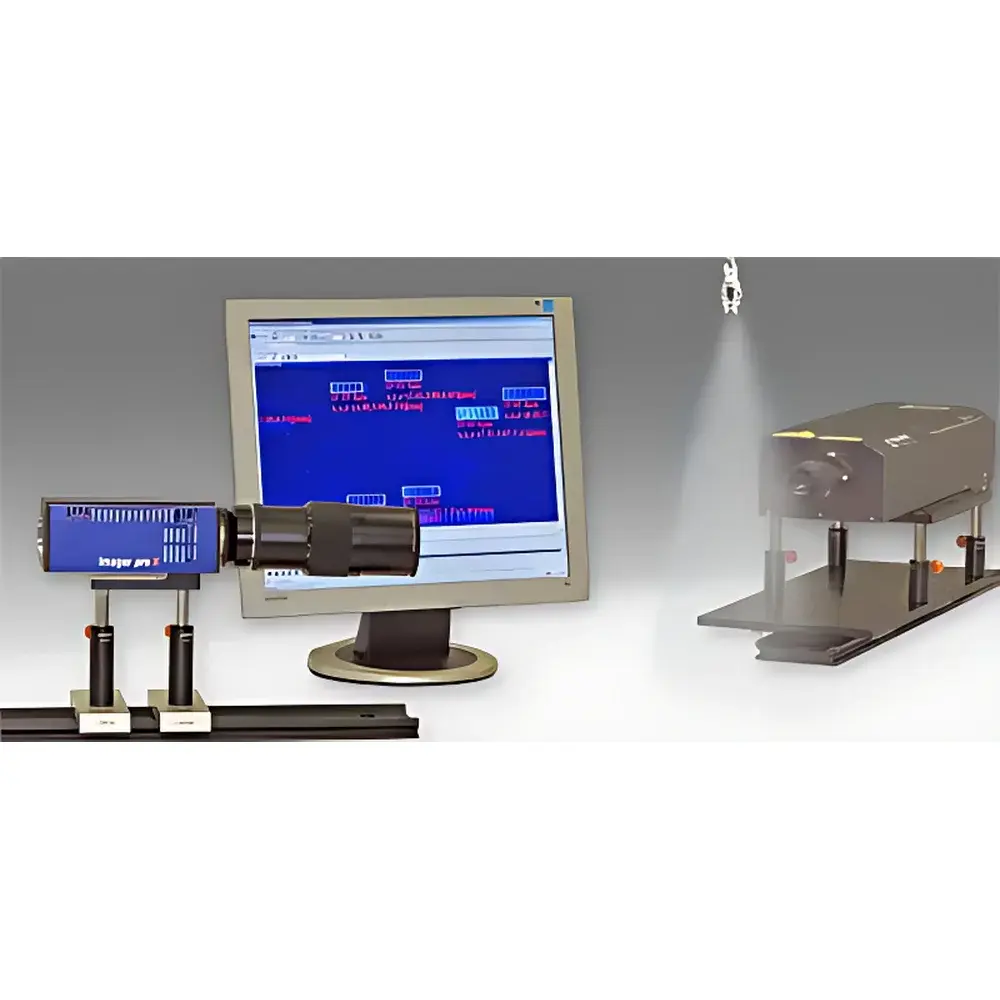
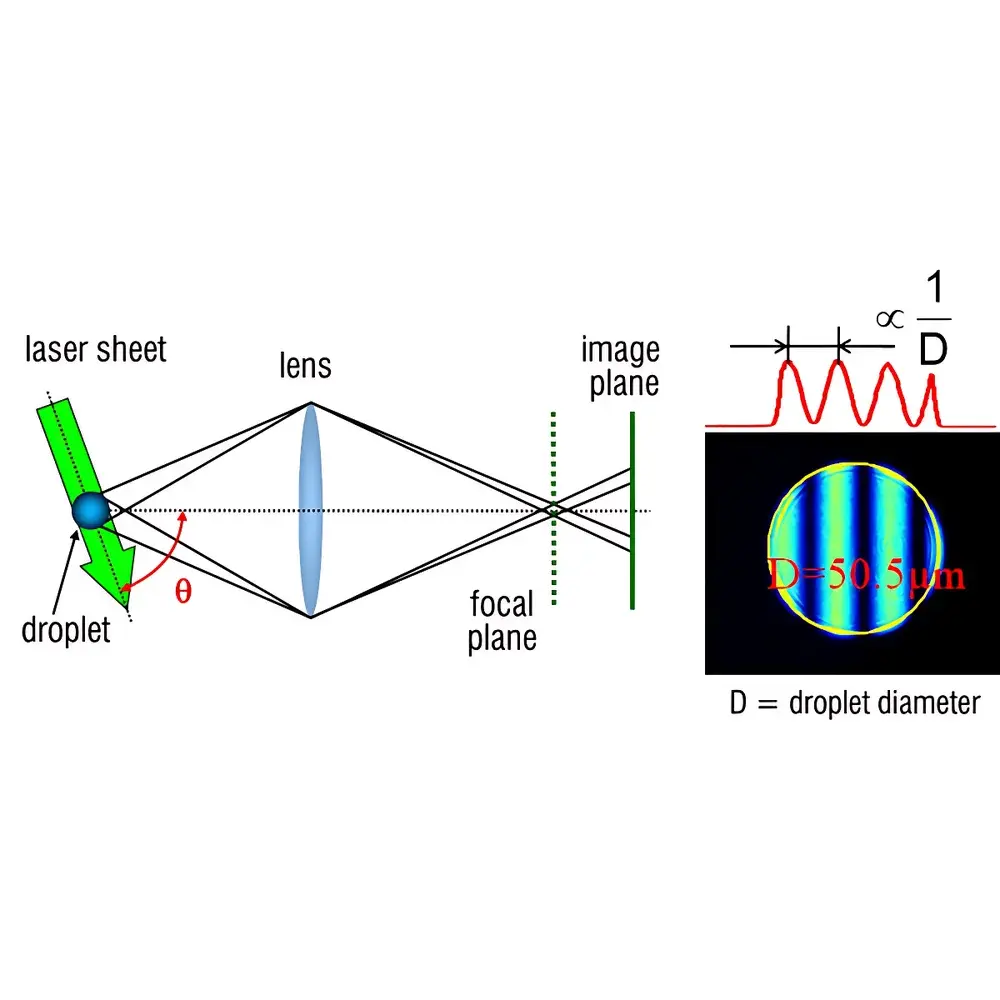
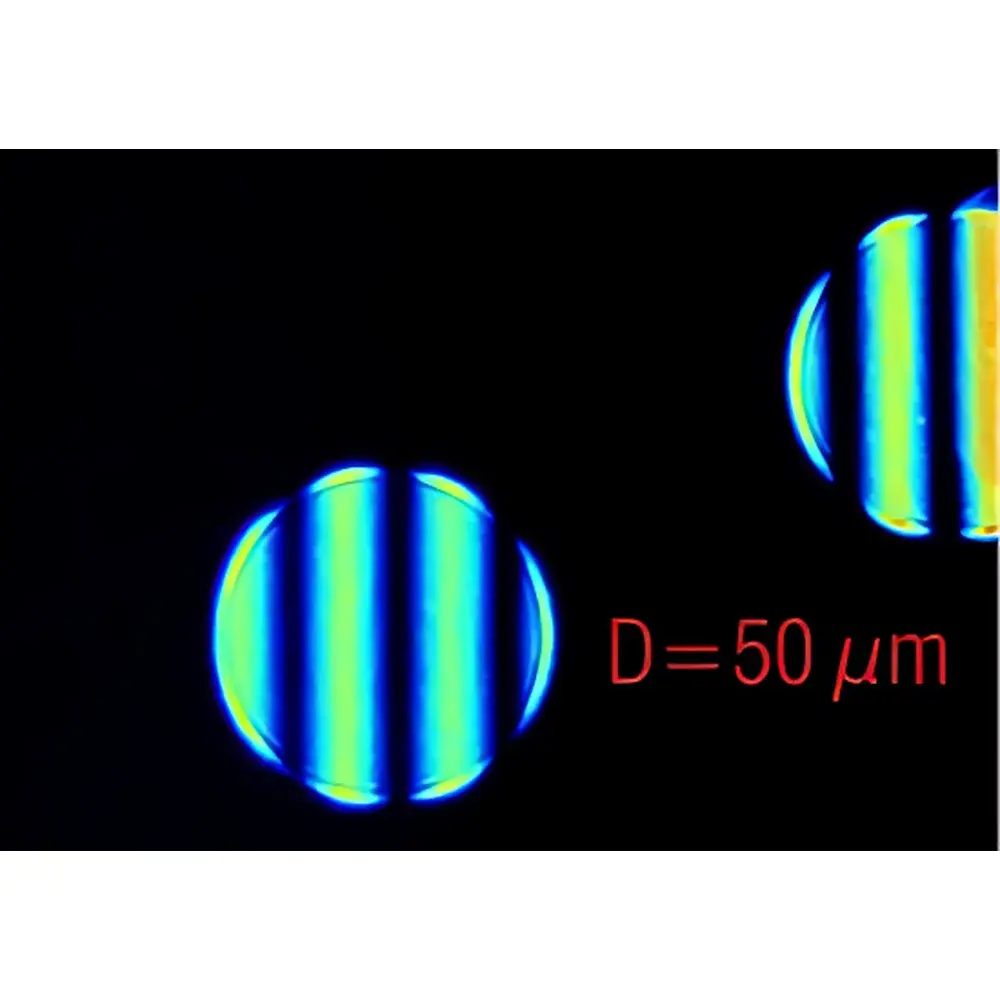
The LaVision ParticleMaster-IMI is a high-resolution interferometric particle sizing system engineered for quantitative, non-intrusive characterization of transparent, spherical droplets and particles in gas-phase sprays, atomization processes, and aerosol flows. Unlike conventional laser diffraction or static light scattering techniques, the IMI (Interferometric Mie Imaging) method leverages coherent illumination and defocused Mie scattering to generate interference fringe patterns around each imaged particle. The fringe spacing—directly governed by Mie theory and the particle’s diameter—is extracted via Fourier-based pattern analysis from single-camera monochrome images. This principle enables sub-pixel size resolution without reliance on calibration standards, making IMI particularly suitable for research-grade spray diagnostics where optical access, low-to-moderate particle number density (<10⁴ cm⁻³), and micron-scale accuracy are critical. The system operates at visible wavelengths (typically 532 nm Nd:YAG or LED illumination), and its optical design ensures compatibility with standard microscope objectives and long-working-distance lenses for flexible integration into combustion chambers, wind tunnels, or spray test rigs.
Key Features
- Single-camera interferometric imaging architecture optimized for real-time droplet sizing and velocity correlation
- Autonomous droplet detection and centroid localization using adaptive thresholding and sub-pixel centroid fitting
- Simultaneous size and 2D velocity measurement via double-pulse exposure synchronized with high-speed camera acquisition
- Native hardware interoperability with LaVision FlowMaster 2D and Stereo PIV systems for combined flow-field and particle-property analysis
- Real-time fringe pattern analysis engine delivering size histograms, velocity–size scatter plots, and time-resolved size distributions
- Modular optical path supporting both backlit and side-lit configurations; compatible with quartz windows and pressure-rated enclosures
Sample Compatibility & Compliance
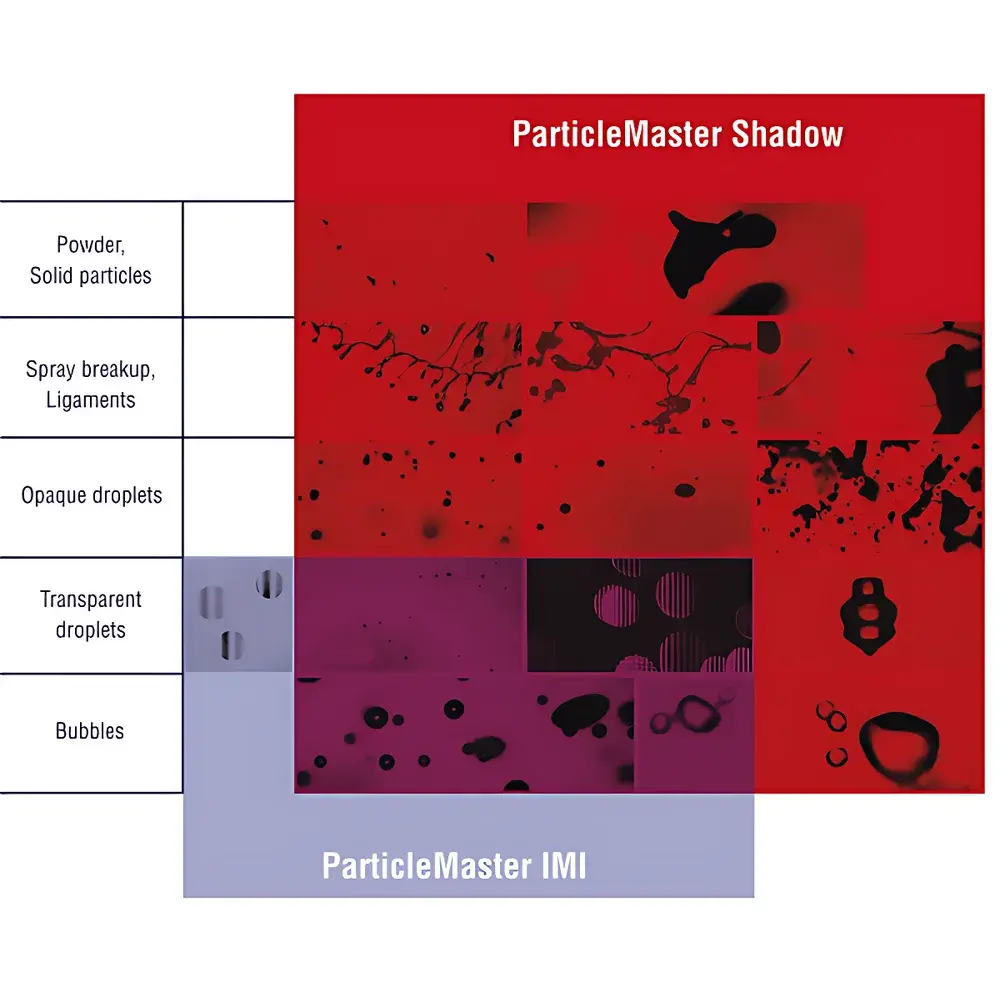
The ParticleMaster-IMI is validated for use with optically transparent, near-spherical particles—including water, hydrocarbon, and solvent-based droplets—in ambient, heated, or pressurized environments. It is not applicable to opaque, highly irregular, or strongly absorbing particles (e.g., soot agglomerates or metal powders), as fringe formation requires coherent forward-scattered light. The system adheres to ISO 13322-2:2020 (Particle size analysis — Image analysis methods — Part 2: Dynamic image analysis) for measurement traceability and supports GLP-compliant data recording through timestamped metadata embedding and audit-ready export formats (HDF5, TIFF, CSV). All firmware and software modules comply with IEC 61508 functional safety guidelines for laboratory instrumentation.
Software & Data Management
The system is controlled via DaVis 10.2+ software suite, which provides integrated acquisition, processing, and visualization workflows. Raw image sequences are processed using LaVision’s proprietary IMI algorithm library—implemented in C++ with GPU-accelerated FFT routines for fringe frequency extraction. Processed results include calibrated diameter distributions (d₅₀, d₉₀, span), binned velocity–size joint probability density functions (PDFs), and temporal evolution metrics. Data export supports FAIR principles: all outputs include embedded instrument configuration, illumination parameters, magnification, and pixel scale. Software logs maintain full audit trails per FDA 21 CFR Part 11 requirements, including user authentication, parameter change history, and electronic signature capability for regulated QC environments.
Applications
- Fuel injector spray characterization in internal combustion engine development (gasoline direct injection, diesel common rail)
- Pharmaceutical metered-dose inhaler (MDI) and dry powder inhaler (DPI) aerosol dispersion analysis
- Industrial nozzle performance evaluation under varying pressure, temperature, and fluid viscosity conditions
- Fundamental studies of droplet breakup, coalescence, and evaporation dynamics in laminar and turbulent shear flows
- Calibration reference for optical particle counters and phase Doppler anemometry (PDA) systems
- Validation of computational fluid dynamics (CFD) and Lagrangian particle tracking (LPT) simulations
FAQ
What particle types can be measured with the ParticleMaster-IMI?
Only transparent, optically homogeneous, and approximately spherical particles (e.g., liquid droplets, glass beads, polymer microspheres) within the 5–3500 µm range are suitable. Opaque, fibrous, or highly irregular particles cannot generate interpretable fringe patterns.
Does IMI require calibration with reference standards?
No—size determination is based on first-principles Mie scattering physics and geometric magnification calibration; no empirical size standards are needed for absolute sizing.
Can the system operate in high-speed transient events?
Yes—acquisition rates up to 10 kHz (depending on camera model and ROI) support transient spray events such as needle lift, cavity collapse, or flash boiling.
Is wet dispersion supported for solid powders?
Wet dispersion is feasible for suspensions of transparent particles in index-matched liquids, but refractive index matching must be verified experimentally to preserve fringe contrast.
How is measurement repeatability ensured across different operators?
DaVis software enforces standardized acquisition protocols, auto-saves configuration templates, and records all optical and timing parameters—ensuring inter-operator reproducibility per ISO/IEC 17025 methodology validation requirements.



