
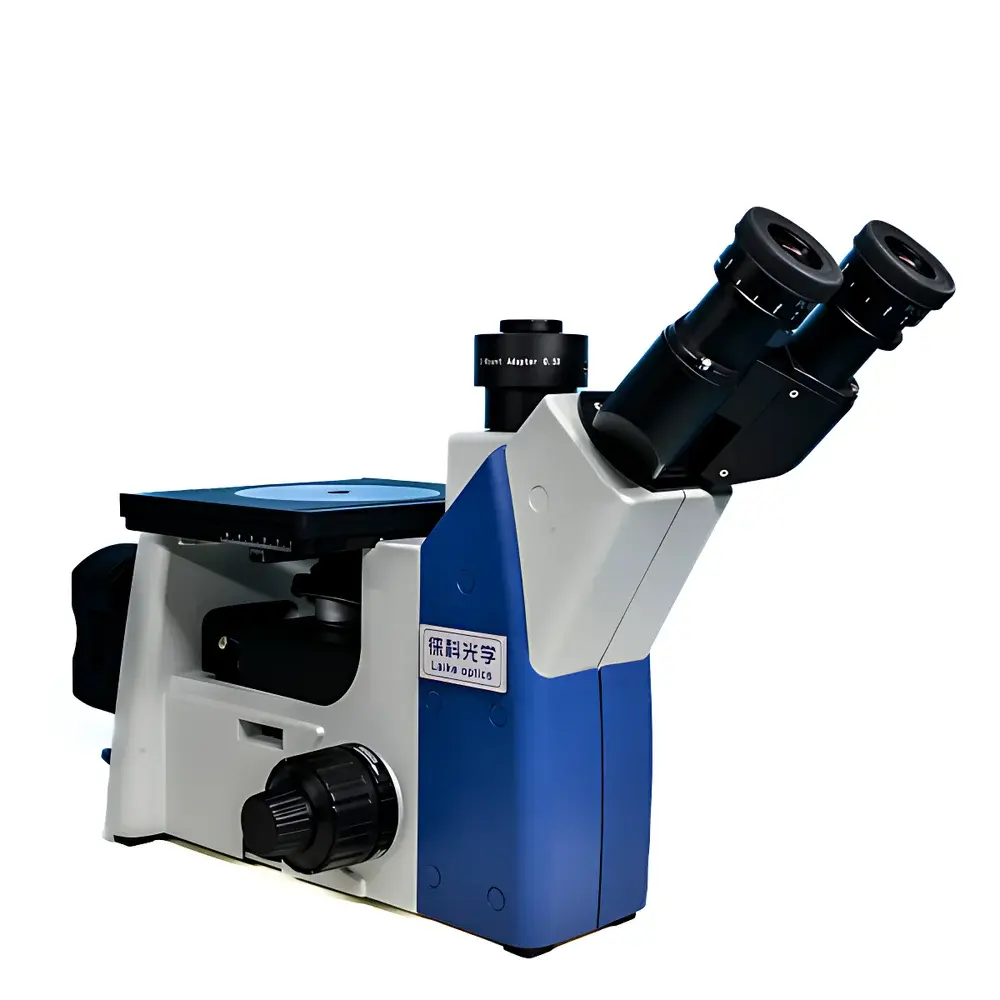
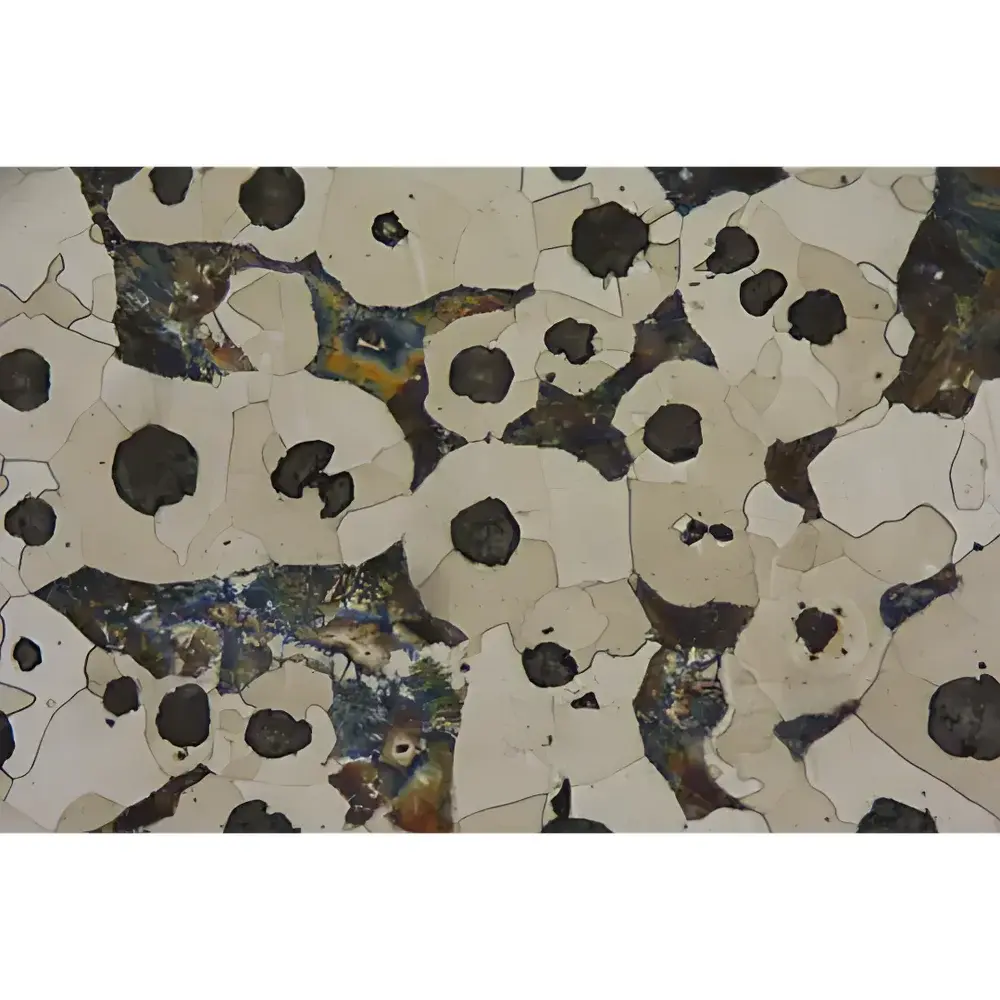
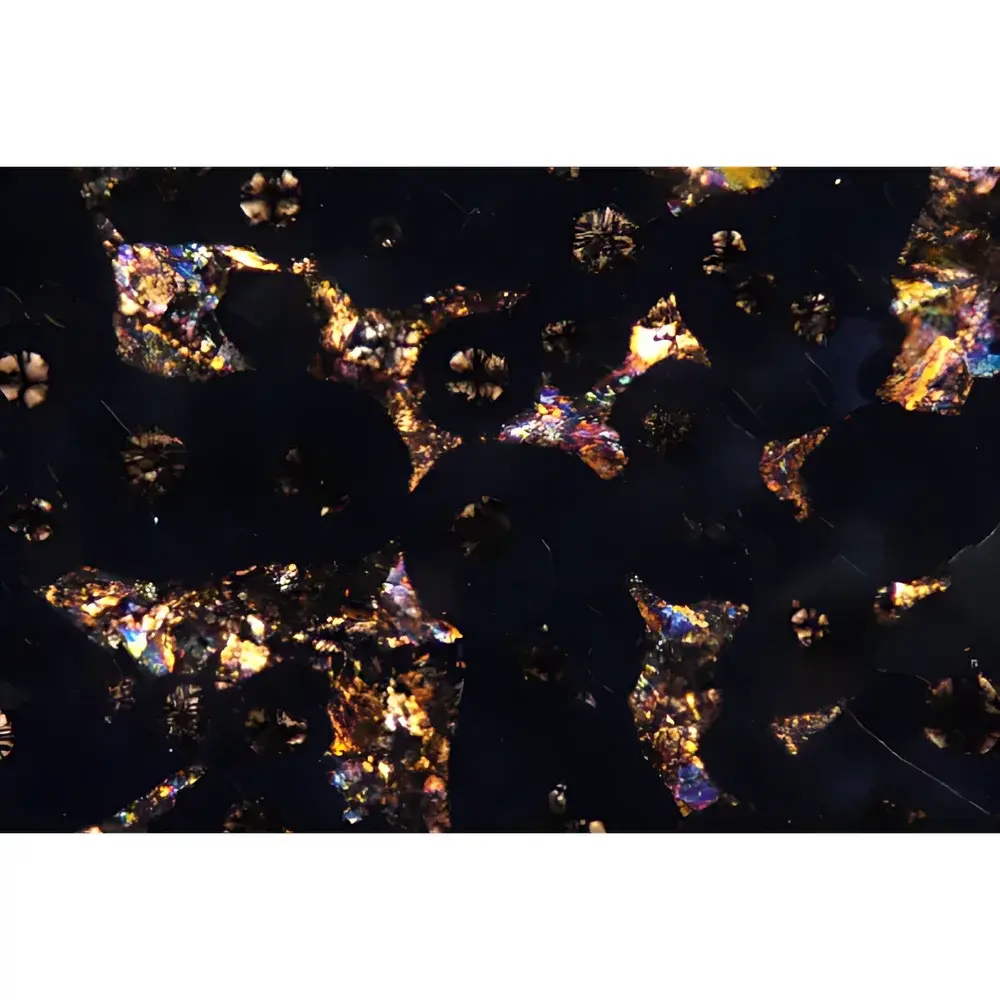
Lei-Tech LK-900M Inverted Metallurgical Microscope
| Brand | Lei-Tech |
|---|---|
| Origin | Tianjin, China |
| Manufacturer Type | Direct Manufacturer |
| Product Type | Inverted |
| Total Magnification Range | 50×–1000× |
| Eyepieces | PL10×/20 mm |
| Objectives | 5×, 10×, 20×, 50×, 100× |
| Optical System | Infinity-Corrected Dual-Achromatic (UISC) |
| Illumination | Warm-white LED (2850–3250 K), Köhler illumination with adjustable aperture and field diaphragms |
| Observation Modes | Brightfield (BF), Polarized Brightfield |
| Head | Trinocular, 45° inclined, fixed 80:20 beam splitter, interpupillary adjustment (47–75 mm) |
| Focus Mechanism | Coaxial coarse/fine focusing, 38 mm coarse travel per revolution, 2 µm fine focus increment |
| Stage | Triple-layer mechanical stage with right-hand low-position controls, drop-shaped metal stage plate with 360° rotation handle |
| Software Compatibility | Optional image analysis software (sold separately) |
| Compliance | Designed to support ISO 4096, ASTM E112, E3, E1245, GB/T 6394, GB/T 10561, JB/T 9205, and other metallurgical standard workflows |
Overview
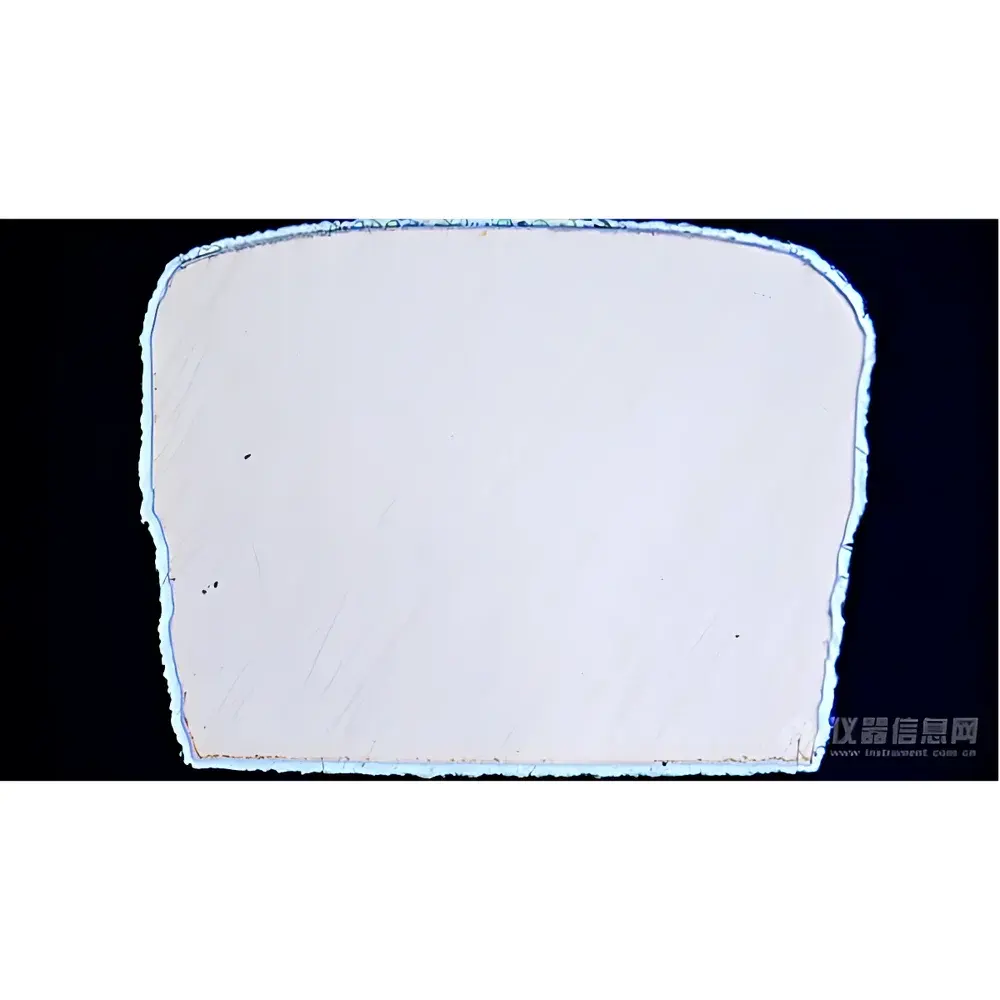
The Lei-Tech LK-900M Inverted Metallurgical Microscope is engineered for precision microstructural characterization of opaque, polished solid specimens—primarily metals, alloys, ceramics, and composites. Its inverted optical architecture positions the objectives beneath the specimen stage, enabling stable observation of large, heavy, or irregularly shaped samples—including bulk castings, cross-sectioned welds, and mounted metallurgical specimens up to 30 mm in height—without interference from objective lens clearance. The microscope employs an infinity-corrected dual-achromatic optical pathway (UISC design), which eliminates spherical and chromatic aberrations across the full magnification range (50×–1000×), ensuring high-fidelity resolution and flatness of field at all magnifications. This optical foundation supports reproducible quantitative metallography in compliance with international standards including ASTM E3 (Standard Guide for Preparation of Metallographic Specimens), ASTM E112 (Standard Test Methods for Determining Average Grain Size), and ISO 4096 (Metallographic Microscopy — Vocabulary and General Principles).
Key Features
- Inverted configuration with robust cast-aluminum frame and vibration-damped base—optimized for long-term stability during extended imaging sessions.
- Trinocular head with 45° viewing angle, fixed 80:20 beam-splitting ratio, and interpupillary adjustment (47–75 mm) for ergonomic binocular observation and simultaneous digital imaging.
- Five-position objective turret with parfocal, spring-loaded, internally centered objectives (5×, 10×, 20×, 50×, 100×) featuring anti-fungal coating and precision-ground optics.
- LED-based reflected-light Köhler illumination system with warm-white color temperature (2850–3250 K), continuous intensity control, and independently adjustable aperture and field diaphragms for optimal contrast and resolution.
- Coaxial coarse/fine focusing mechanism with 38 mm coarse travel per revolution and 2 µm fine focus resolution—designed for precise depth localization in layered or rough-surface samples.
- Triple-layer mechanical stage with right-hand low-position controls, drop-shaped metal platform, and integrated 360° rotational capability—enabling angular orientation of anisotropic structures (e.g., rolled sheets, directional solidification features).
Sample Compatibility & Compliance
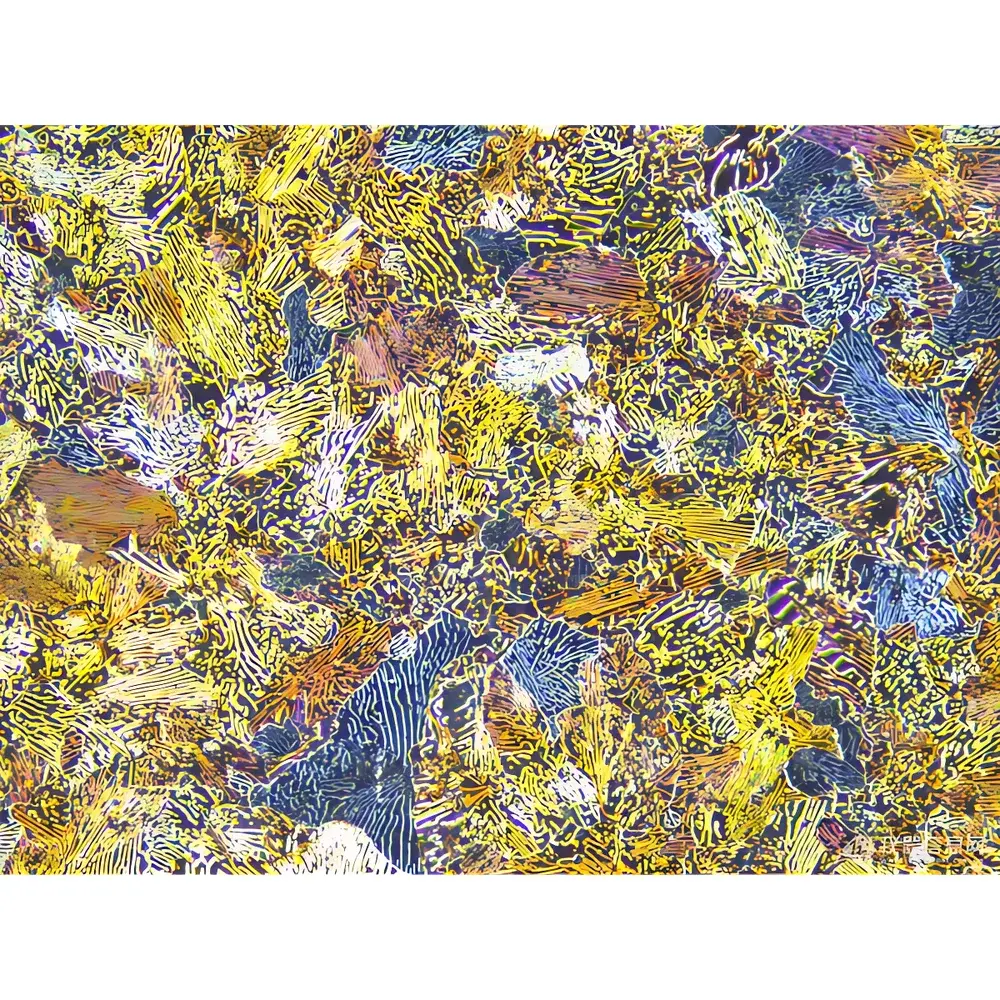
The LK-900M accommodates standard 30 mm diameter metallurgical mounts and oversized specimens up to 120 × 120 mm on its reinforced stage. Its inverted geometry eliminates the need for specimen inversion or complex clamping—critical for maintaining surface integrity during serial sectioning or thermal cycling experiments. The system supports both brightfield and polarized brightfield observation, facilitating crystallographic contrast in birefringent phases (e.g., martensite variants, titanium α/β colonies, quartz in rock thin sections). All optical components comply with ISO 10110 surface quality specifications; illumination uniformity meets ASTM E2015 requirements for photometric consistency across the field of view. While the base instrument does not include integrated image capture hardware, it is fully compatible with C-mount digital cameras (1× photo port) and supports calibration traceability for measurement uncertainty reporting per ISO/IEC 17025.
Software & Data Management
The LK-900M is designed for seamless integration with third-party metallurgical image analysis platforms. Optional companion software (available as a separate licensed module) provides full GLP-aligned functionality: DICOM-compliant image acquisition, geometric measurement (distance, area, angle, aspect ratio, Feret diameter), automated grain size classification per ASTM E112 and GB/T 6394, non-metallic inclusion rating per ASTM E45 and GB/T 10561, and phase-area quantification using threshold-based segmentation. The software library includes over 570 standardized analysis modules aligned with 150+ national and international specifications (ASTM, ISO, JIS, DIN, GB, JB, QC/T). Audit trails, user-defined report templates (exportable to PDF, Excel, Word), and electronic signature support align with FDA 21 CFR Part 11 readiness when deployed in regulated environments. Raw image metadata (magnification, objective ID, exposure time, camera gain) is embedded in TIFF/OME-TIFF files for full analytical traceability.
Applications
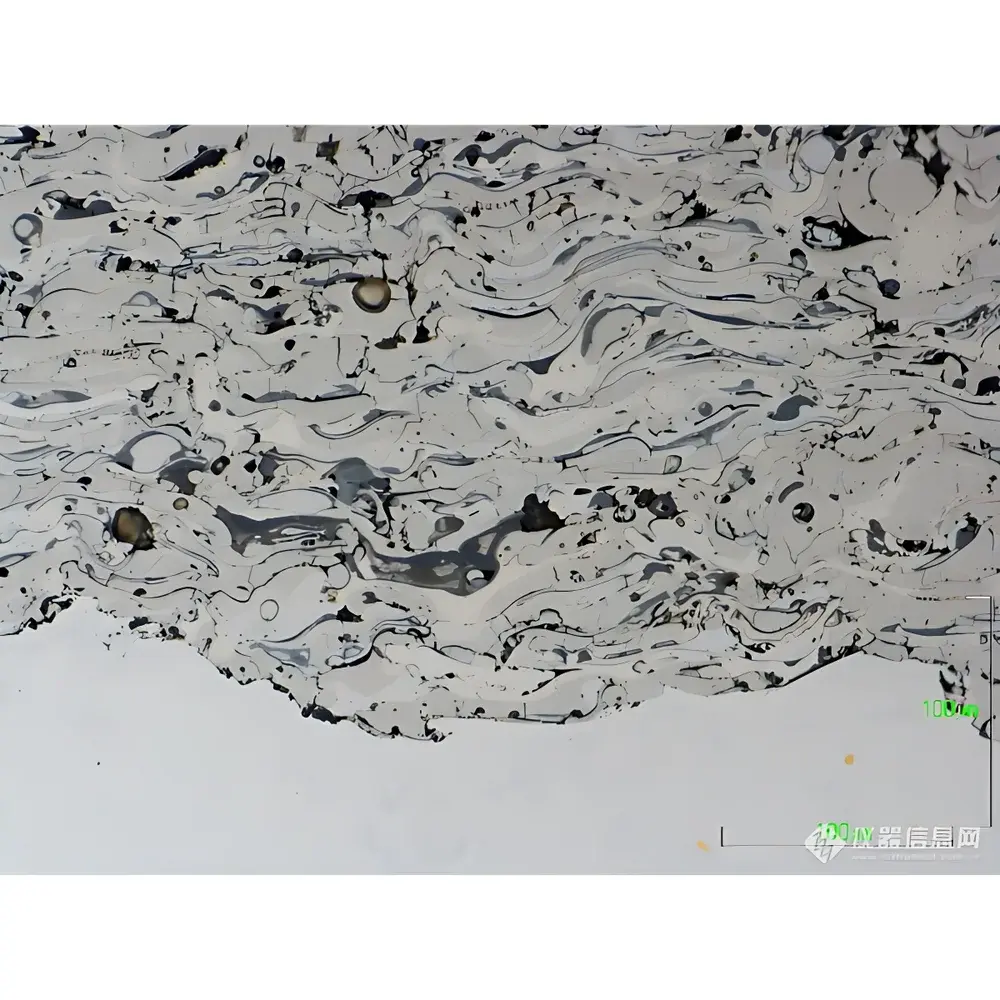
The LK-900M serves as a foundational tool across academic teaching laboratories, industrial quality control departments, and R&D centers engaged in materials development. Typical use cases include: grain structure evaluation in annealed and heat-treated steels; inclusion mapping in bearing-grade alloys; porosity and dendrite arm spacing analysis in aluminum die-castings; carbide network assessment in tool steels; phase identification in duplex stainless steels via polarization contrast; and failure analysis of fatigue cracks and intergranular corrosion in welded joints. Its mechanical stability and thermal drift resistance make it suitable for time-lapse observation during in-situ heating stages (when externally coupled). Universities utilize the system for undergraduate metallurgy labs due to its intuitive operation, repeatable focusing, and compatibility with standardized grading exercises aligned with ASTM E384 (microhardness) and E1245 (automated inclusion analysis).
FAQ
Is the LK-900M supplied with a digital camera or image analysis software?
No—the base configuration includes only the optical microscope body, eyepieces, objectives, and illumination system. A 20-megapixel C-mount camera and dedicated metallurgical analysis software are available as optional add-ons.
Can the LK-900M be used for differential interference contrast (DIC) or fluorescence observation?
No—this model supports only brightfield and polarized brightfield illumination. DIC and fluorescence require additional prism sets, analyzer modules, and excitation light sources not included in the standard package.
What is the maximum specimen height accommodated by the inverted stage?
The working distance under the 100× objective is 1.2 mm; however, the inverted design allows specimens up to 30 mm in total height to be observed without obstruction, provided they fit within the stage’s lateral envelope.
Does the LED illumination meet photobiological safety standards?
Yes—the warm-white LED source complies with IEC 62471 (Photobiological Safety of Lamps and Lamp Systems) Risk Group 0 (Exempt), with no UV or blue-light hazard under normal operating conditions.
Is technical support available outside standard business hours?
Yes—Lei-Tech provides 7×24 remote diagnostics and application support, with regional service centers in North America, Europe, and Southeast Asia to ensure timely hardware maintenance and calibration verification.





