
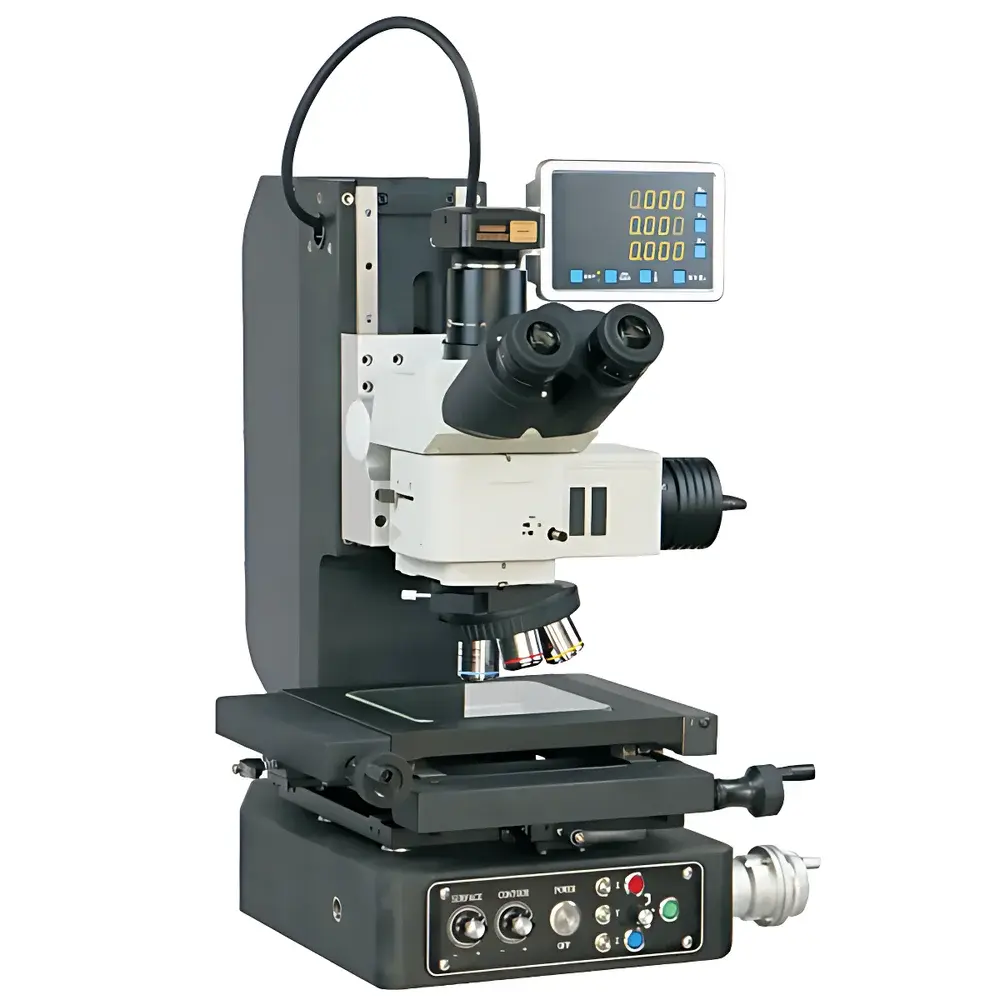
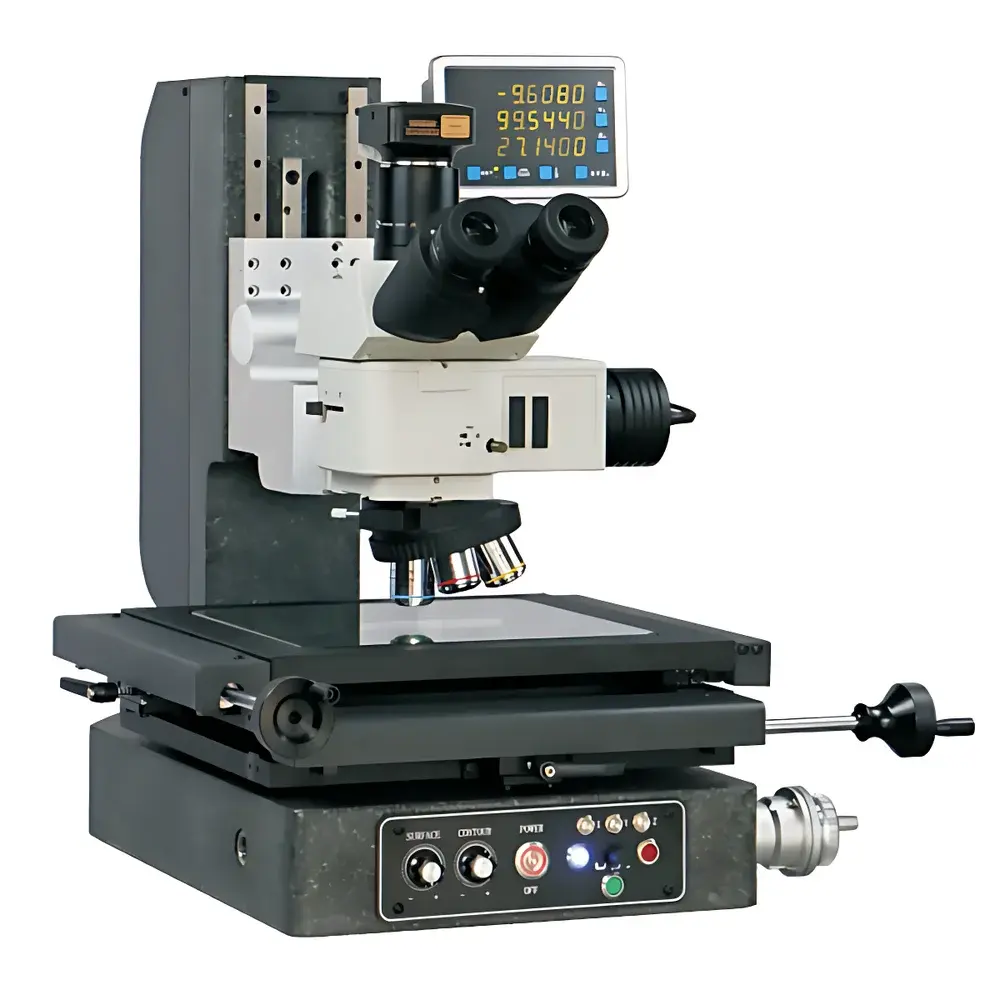
Lei-Tech LK-MINIDS Series Inverted Metallurgical Microscope with Integrated Metrology System
| Brand | Lei-Tech |
|---|---|
| Origin | Tianjin, China |
| Manufacturer Type | Direct Manufacturer |
| Product Category | Domestic |
| Model | LK-MINIDS Series (LK-MINI1010DS / LK-MINI2020DS) |
| Configuration | Upright |
| Image Analysis System | Integrated |
| Total Magnification Range | 50×–1000× |
| Eyepiece | Trinocular |
| Objective Lenses | 5×, 10×, 20×, 50× (100× optional) |
| Optical Path | Infinity-Corrected Dual-Optimized UISC System |
| Illumination | Reflected Bright/Dark Field (12 V / 100 W Halogen, preset intensity control), Transmitted LED (5 W white, NA 0.5 condenser) |
| Observation Modes | Bright Field, Dark Field, DIC, Polarization |
| Z-Axis Focus Control | Motorized Handwheel (0.5 µm minimum step) |
| Optional Features | Motorized Turret, Extended Working Distance Objectives, Auxiliary Z-Height Measurement Module, EFI (Extended Focus Imaging), MIA (Multi-Field Image Stitching) |
| Measurement Accuracy | X/Y ≤ (2.5 + 0.02L) µm |
| Encoder Resolution | XYZ 0.5 µm (standard), 0.1 µm (optional) |
| Stage Travel Range (LK-MINI1010DS) | 100 × 100 × 100 mm |
| Stage Travel Range (LK-MINI2020DS) | 200 × 200 × 100 mm |
| Glass Stage Size | 160 × 160 mm / 260 × 260 mm |
| Overall Dimensions | 450 × 550 × 600 mm / 550 × 750 × 600 mm |
| Weight | 50 kg / 100 kg |
Overview
The Lei-Tech LK-MINIDS Series is an upright metallurgical microscope engineered for high-precision microstructural analysis and dimensional metrology in industrial QA/QC, failure analysis, and R&D environments. Unlike conventional metallurgical microscopes limited to qualitative observation, the LK-MINIDS integrates a fully calibrated XYZ motion platform with an infinity-corrected optical system (UISC architecture), enabling simultaneous high-fidelity imaging and traceable coordinate metrology. Its optical design conforms to ISO 10934-1 (microscopy — terminology) and supports standardized measurement protocols aligned with ASTM E112 (grain size determination), ASTM E3 (metallographic specimen preparation), and ISO 2178 (non-magnetic coatings thickness). The system operates on a dual-path illumination principle: reflected-light optics optimized for opaque metallic and ceramic samples, and transmitted-light capability for transparent or semi-transparent thin sections—both independently controllable and intensity-regulated. This hybrid configuration ensures compatibility with standard metallographic practice while extending utility into semiconductor wafer inspection, PCB solder-joint evaluation, and precision mold verification.
Key Features
- Infinity-corrected UISC optical path delivering high contrast, low aberration imaging across all magnifications (50×–1000×) with optional 100× oil-immersion objective
- Motorized Z-axis focus via precision handwheel encoder (0.5 µm resolution standard; 0.1 µm optional), supporting repeatable focus positioning and height profiling
- Dual-illumination system: 12 V / 100 W halogen with dark/bright field switching mechanism and color temperature stabilization filters; plus 5 W white LED transmitted source with NA 0.5 Abbe condenser
- Five-position internal centering nosepiece accommodating 5×, 10×, 20×, 50×, and optional 100× metallurgical objectives with parfocal alignment
- Trinocular head with dedicated C-mount port (1× coupling lens) for integration with scientific CMOS/CCD cameras compliant with USB3.0 or GigE Vision standards
- Integrated EFI (Extended Focus Imaging) and MIA (Multi-Field Image Stitching) algorithms for automated depth-of-field stacking and large-area mosaic reconstruction without mechanical Z-scan delays
- Modular observation flexibility: factory-configured bright field; field-upgradable to dark field, polarization, and Nomarski-type DIC using standardized filter and prism slots
Sample Compatibility & Compliance
The LK-MINIDS accommodates specimens up to 100 mm in height (LK-MINI1010DS) or 200 mm (LK-MINI2020DS), with stage load capacity exceeding 5 kg. It supports standard 25 mm and 30 mm diameter metallographic mounts, as well as irregularly shaped components secured via vacuum chucks or mechanical clamps (accessories sold separately). All optical components comply with RoHS Directive 2011/65/EU and CE marking requirements for laboratory instrumentation. Measurement traceability follows ISO/IEC 17025 guidelines when used with certified calibration artifacts (e.g., NIST-traceable stage micrometers and line-pitch standards). Software-generated reports include audit trails compliant with FDA 21 CFR Part 11 (electronic records/signatures) when configured with user authentication and electronic signature modules.
Software & Data Management
The bundled metrology software provides ISO/IEC 17025-compliant measurement workflows, including edge detection (sub-pixel interpolation), geometric dimensioning (GD&T), grain size quantification per ASTM E112, and phase fraction analysis. Raw image data is stored in TIFF or PNG format with embedded EXIF metadata (magnification, objective ID, illumination mode, exposure time, stage coordinates). All measurement sessions are timestamped and logged with operator ID, instrument serial number, and environmental parameters (if external sensor inputs are enabled). Export options include CSV (for statistical process control), PDF (annotated reports with pass/fail thresholds), and STEP/AP214 (3D coordinate export for CAD comparison). Data integrity safeguards include automatic backup to network drives, SHA-256 checksum validation, and role-based access control (administrator, technician, reviewer).
Applications
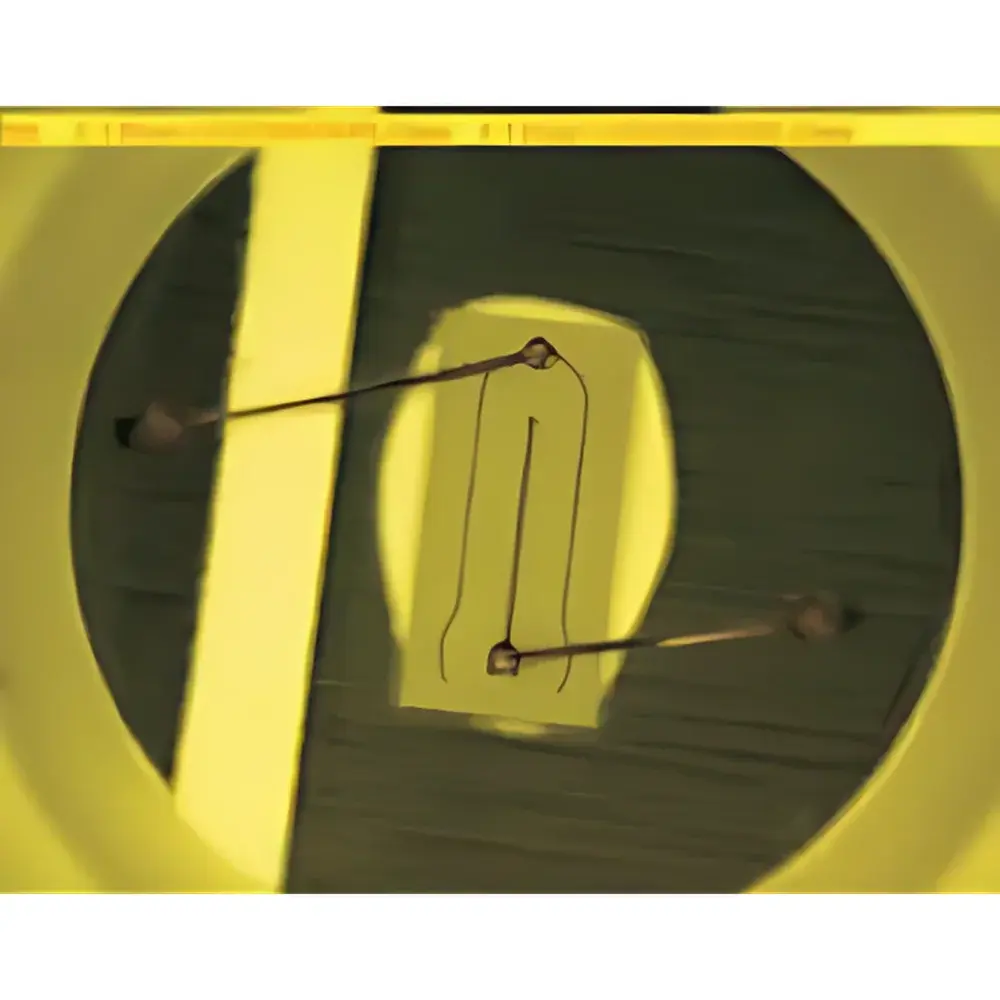
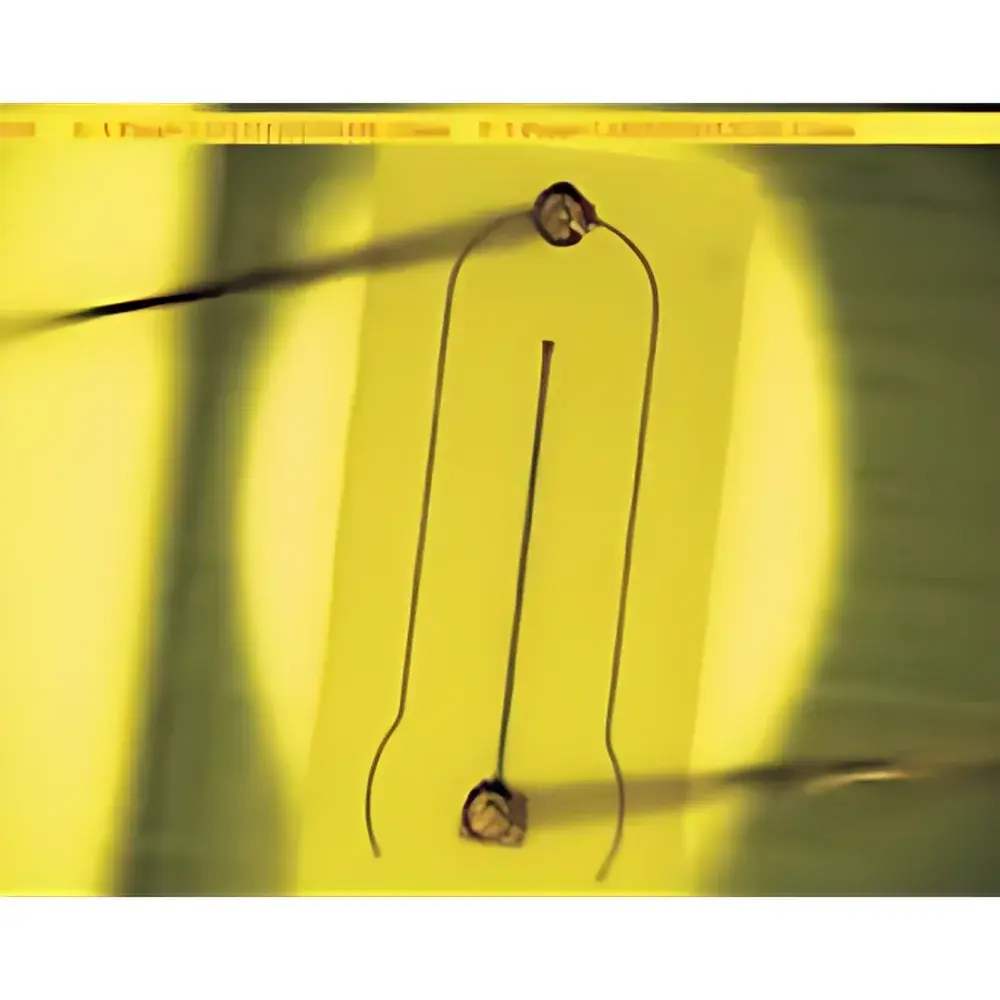
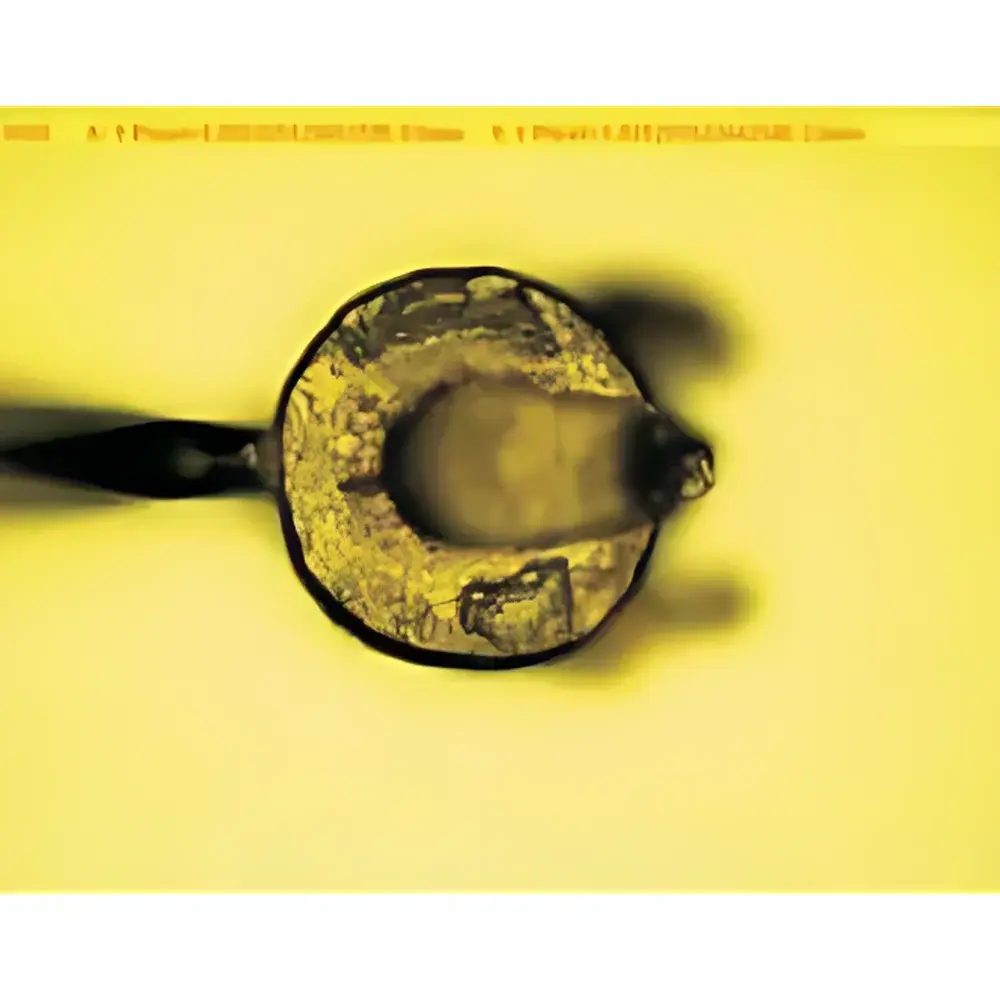
- Semiconductor packaging: wire bond geometry, die attach void analysis, bump coplanarity assessment
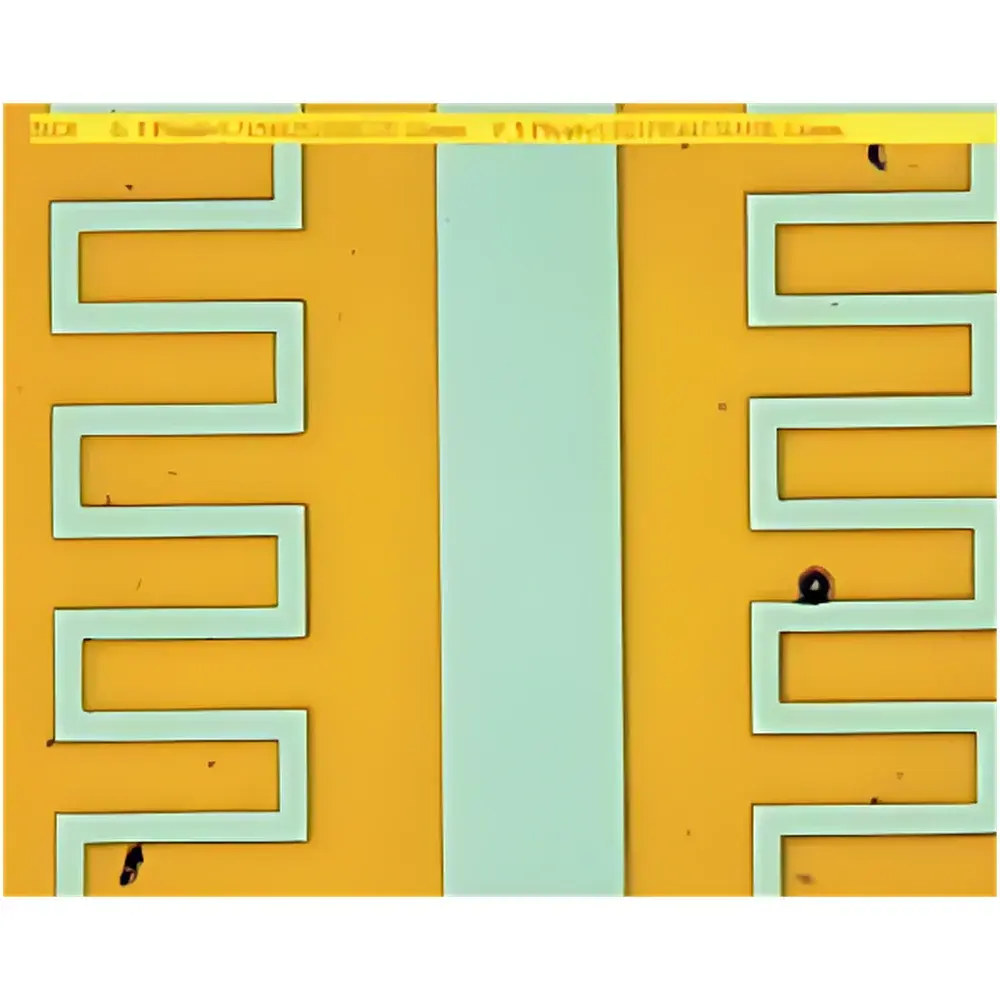
- PCB manufacturing: solder mask registration, pad coplanarity, via wall integrity, microvia aspect ratio
- Automotive powertrain: gear tooth micro-pitting, bearing raceway roughness mapping, coating thickness uniformity on pistons
- Medical device QA: stent strut width consistency, laser weld penetration depth, biocompatible coating adhesion interface analysis
- Tool & die metrology: EDM surface recast layer thickness, grinding burn detection, carbide grain distribution in cutting inserts
- Academic metallurgy: quantitative phase analysis in duplex stainless steels, precipitate size distribution in aluminum alloys, intergranular corrosion susceptibility mapping
FAQ
Does the LK-MINIDS support GLP/GMP documentation requirements?
Yes—when deployed with optional audit trail logging and electronic signature modules, the system meets core GLP (OECD Principles) and GMP (ICH Q7) documentation standards for regulated laboratories.
Can the system be integrated into a factory MES or LIMS environment?
Yes—via OPC UA or RESTful API interfaces, the microscope can transmit measurement results, image thumbnails, and pass/fail status directly to enterprise systems.
Is calibration certification included with delivery?
A factory calibration certificate (traceable to national metrology institutes) is provided with each unit; annual recalibration services are available under service-level agreements.
What is the warranty coverage and service response time?
Standard warranty is 24 months parts-and-labor; 7×24 remote diagnostics and next-business-day on-site support are available in North America, EU, and APAC regions.
Are third-party camera sensors supported?
Yes—the trinocular port complies with standard C-mount specifications (1″ sensor format), and drivers for major OEM cameras (Basler, FLIR, Teledyne DALSA) are pre-validated.





