
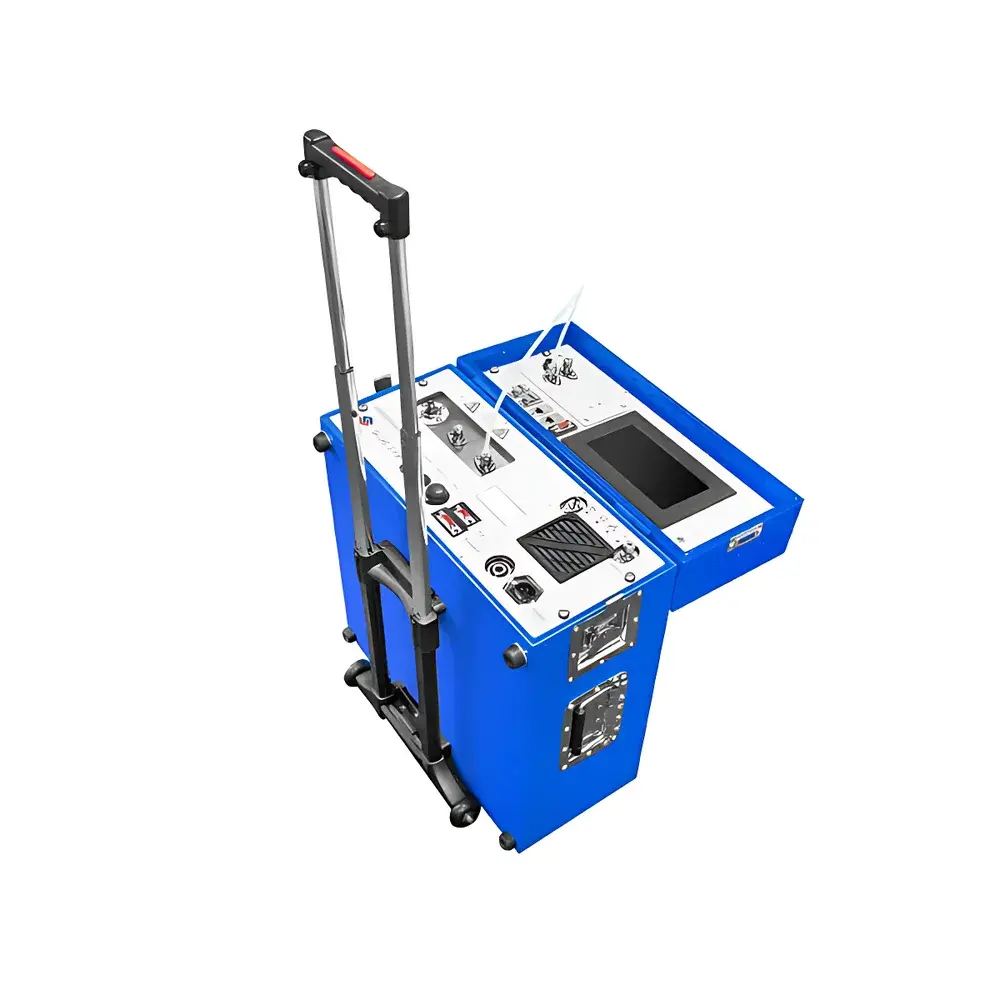
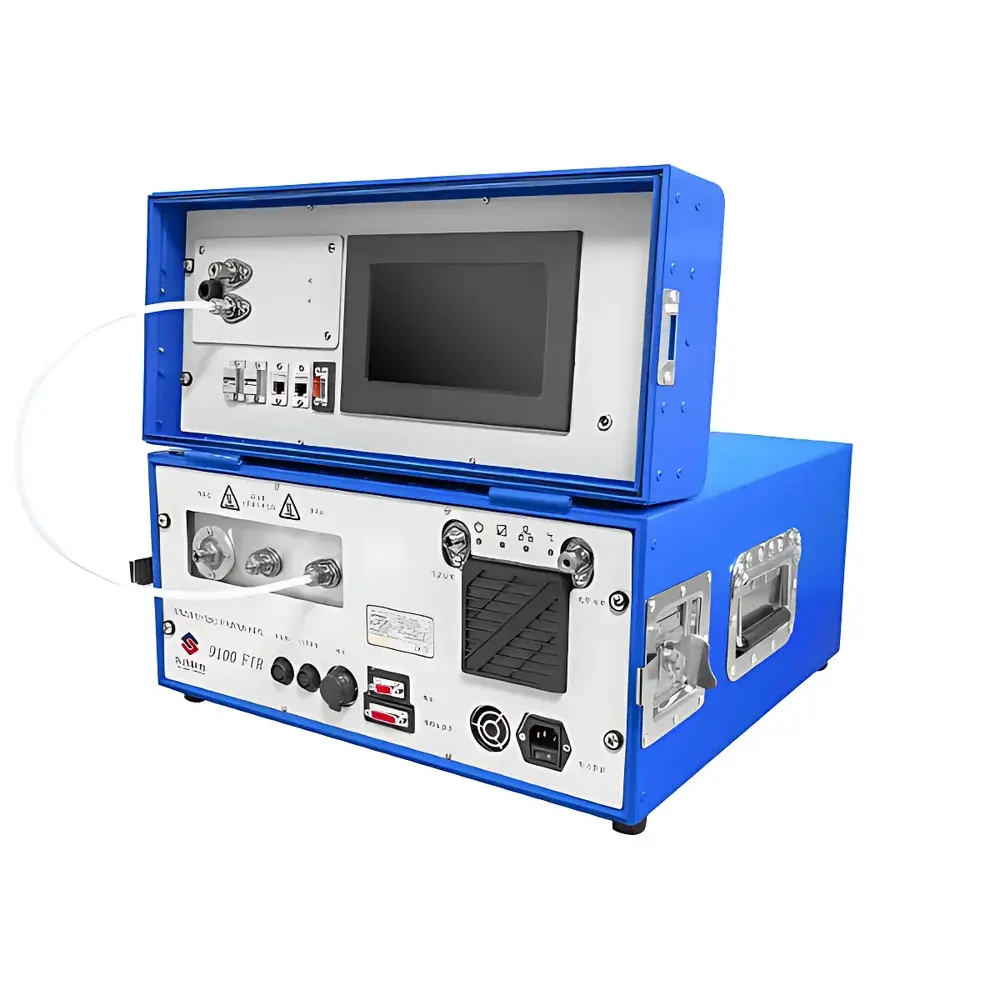
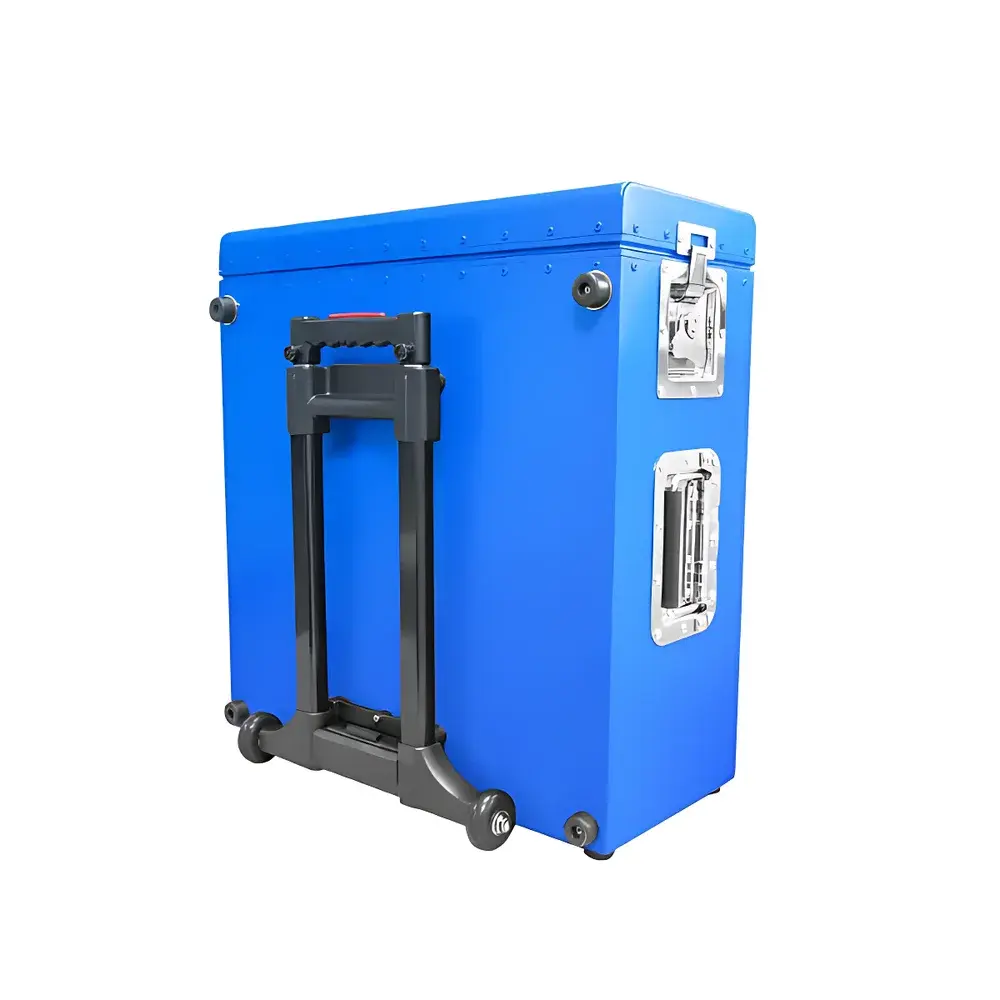
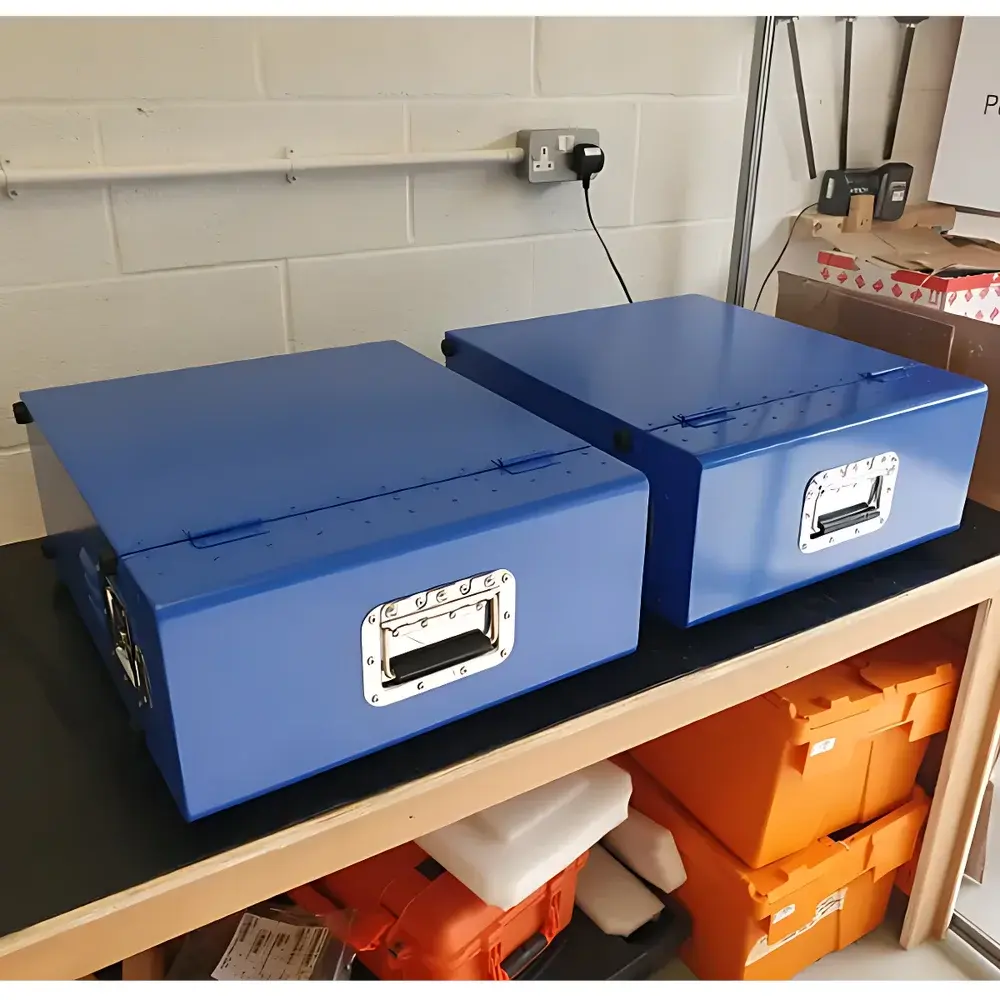
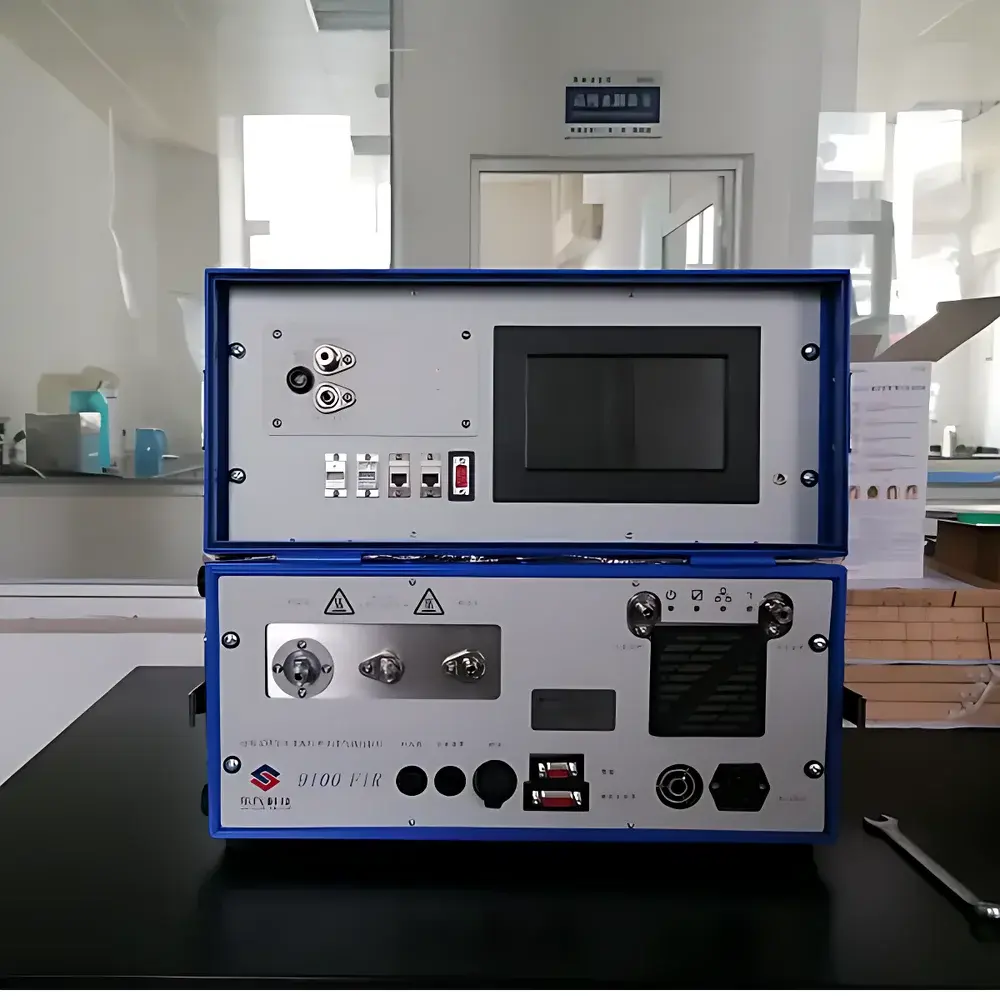
LESHI 9100FIRair Portable Fourier Transform Infrared (FTIR) Gas Analyzer – Environmental Emergency Edition
| Brand | LESHI |
|---|---|
| Origin | Beijing, China |
| Manufacturer Type | Authorized Distributor |
| Product Origin | Domestic (China) |
| Model | 9100FIRair Emergency Edition |
| Price Range | USD 125,000 – 182,000 |
| Analyte Types | Gaseous, Aqueous, Solid (soil headspace/vapor) |
| Target Analytes | VOCs, inorganic gases (e.g., CO, CO₂, NO, NO₂, SO₂, NH₃, HCl, HF, CH₄), greenhouse gases |
| Response Time | ≤120 s (gas-dependent) |
| Spectral Resolution Options | 1 cm⁻¹ or 4 cm⁻¹ |
| Detector | Room-temperature DTGS |
| Light Source | VCSEL-based reference laser (10-year lifetime) |
| Built-in Sample Conditioning | Particulate filtration, N₂ purge ports (optical path & gas cell), optional integrated zirconia O₂ sensor |
| Optional Module | External H₂S electrochemical module |
| Compliance | HJ 919–2017, HJ 920–2017, HJ 1011–2018 |
Overview
The LESHI 9100FIRair Portable Fourier Transform Infrared (FTIR) Gas Analyzer – Environmental Emergency Edition is a field-deployable, real-time multicomponent gas analysis system engineered for regulatory-compliant environmental monitoring and rapid-response scenarios. It operates on the principle of interferometric infrared spectroscopy: a broadband infrared beam passes through a multipass gas cell, where analyte molecules absorb characteristic wavelengths; the resulting interferogram is Fourier-transformed to yield a high-fidelity absorption spectrum across the mid-IR range (typically 600–4000 cm⁻¹). Unlike dispersive or single-band NDIR instruments, the 9100FIRair captures the full spectral fingerprint simultaneously—enabling untargeted screening, retrospective re-analysis, and robust quantification of overlapping species without physical reconfiguration. Its ruggedized chassis, shock-absorbing internal mounting, and IP54-rated enclosure meet MIL-STD-810G vibration and ingress resistance requirements for mobile deployment in industrial perimeters, landfill boundaries, spill sites, and confined-space entry zones.
Key Features
- Full-spectrum FTIR detection with configurable resolution (1 cm⁻¹ standard; 4 cm⁻¹ for accelerated throughput), supporting simultaneous identification and quantification of >400 compounds from a validated library—with theoretical capacity exceeding 1,000 IR-active gases.
- Comprehensive spectral library containing >5,500 reference spectra (including EPA TO-14/TO-15 analogues, EU Air Quality Directive compounds, and IARC-classified carcinogens), expandable via user-acquired references under controlled calibration protocols.
- Integrated sample conditioning: dual-stage particulate filtration (0.3 µm absolute), heated sampling line (up to 180 °C), and dual N₂ purge pathways—one for optical bench purging (maintaining >95% light throughput over 12 months), another for gas cell backflushing to eliminate residual adsorption artifacts.
- VCSEL-stabilized interferometer reference: eliminates thermal drift and mechanical hysteresis, ensuring long-term wavenumber accuracy (<±0.02 cm⁻¹ over 12 months) and enabling traceable calibration against NIST-traceable gas standards.
- Room-temperature DTGS detector with extended dynamic range (10⁴ linear response), eliminating cryogenic maintenance while preserving signal-to-noise ratio (SNR > 12,000:1 at 4 cm⁻¹, 16 scans).
- Embedded Linux-based control system with 10.1″ capacitive touchscreen, onboard GPS logging, and dual-mode data storage (internal SSD + removable SD card) compliant with ISO/IEC 17025 audit trail requirements.
- Modular architecture: supports optional plug-in modules—including electrochemical H₂S sensor (sub-ppb LOD, ±2% F.S. accuracy) and integrated zirconia O₂ sensor (0–25% vol, ±0.1% vol)—to address IR-silent species without compromising core FTIR integrity.
Sample Compatibility & Compliance
The 9100FIRair is validated for direct analysis of ambient air, stack emissions, soil vapor extraction (SVE) headspace, and aqueous-phase VOC headspace (via equilibration vials). It complies with Chinese national standards HJ 919–2017 (VOCs in ambient air), HJ 920–2017 (inorganic toxic gases in emergency response), and HJ 1011–2018 (performance specifications for portable FTIR analyzers). While not certified to ASTM D6348 or ISO 12039, its measurement uncertainty profile (<5% RSD for C₂–C₁₀ aliphatics at 1 ppmv) aligns with GLP-aligned field verification protocols. Data acquisition meets FDA 21 CFR Part 11 electronic record requirements when paired with LESHI’s optional AuditTrail+ software package (version 3.2+), providing time-stamped, user-locked raw interferograms, processed spectra, and calibration logs with immutable hash signatures.
Software & Data Management
The proprietary QuantLab FTIR software suite runs natively on the embedded platform and supports offline operation. Core algorithms employ Partial Least Squares (PLS) regression with constrained non-negativity and baseline correction using asymmetric least squares (AsLS). Each analysis generates three data tiers: (1) raw interferograms (binary .ifg), (2) calibrated absorbance spectra (.spc), and (3) tabular results (.csv) compatible with Excel, MATLAB, or LIMS integration via OPC UA. Spectral libraries are managed under version-controlled repositories; new compounds can be added via standardized .spc import with metadata tagging (CAS#, functional group, boiling point). All processing steps—including zero-order atmospheric compensation, water vapor subtraction, and peak deconvolution—are fully reproducible and scriptable via Python API (included in Enterprise license).
Applications
- Environmental emergency response: real-time plume mapping of chemical releases (e.g., chlorine, ammonia, phosgene) during transportation incidents or facility breaches.
- Occupational hygiene surveys: time-weighted average (TWA) and short-term exposure limit (STEL) assessment per OSHA Z-1 and ACGIH TLV® guidelines at worksites with mixed solvent exposures.
- Greenhouse gas flux monitoring: CH₄ and N₂O quantification from agricultural soils, landfills, and wastewater treatment plants using static chamber coupling.
- VOC profiling in water: analysis of purge-and-trap extracts or equilibrium headspace above contaminated groundwater samples.
- Confined space entry verification: pre-entry screening of hydrocarbon vapors, CO, H₂S (via external module), and O₂ deficiency in tankers, silos, and underground utility vaults.
- Regulatory compliance auditing: field validation of continuous emission monitoring systems (CEMS) per local environmental bureau directives.
FAQ
Does the 9100FIRair require daily calibration with certified gas standards?
No—daily calibration is not required. The VCSEL reference and DTGS stability support 7-day calibration intervals under typical field use. A full multi-point calibration (using EPA Protocol Gas Mixtures) is recommended every 30 days or after transport-induced shock events.
Can the instrument quantify water vapor and CO₂ simultaneously with trace VOCs?
Yes. Its wide dynamic range and spectral deconvolution capability allow concurrent quantification of major constituents (H₂O, CO₂, CH₄) and trace VOCs (e.g., benzene at 0.5 ppb) without range switching or dilution.
Is remote diagnostics and firmware updates supported?
Yes—via secure TLS 1.3 VPN tunnel over LTE/Wi-Fi. Firmware updates preserve all user spectral libraries and calibration history; rollback capability is built into bootloader v2.4+.
What is the minimum detectable concentration for formaldehyde?
At 1 cm⁻¹ resolution and 120-second integration, the method detection limit (MDL) is 12 ppb (3σ) in clean air matrix, per HJ 1011–2018 validation protocol.
How is data integrity ensured during power interruption?
The system employs a supercapacitor-backed write cache: all active acquisitions and metadata are flushed to non-volatile storage within 200 ms of AC loss, preventing file corruption or partial saves.







