Lihero Water Environment Integrated Monitoring & Regulatory Platform
| Brand | Lihero |
|---|---|
| Origin | Hunan, China |
| Manufacturer Type | Authorized Distributor |
| Product Origin | Domestic (China) |
| Model | Water Environment Integrated Monitoring & Regulatory Platform |
| Pricing | Available Upon Request |
Overview
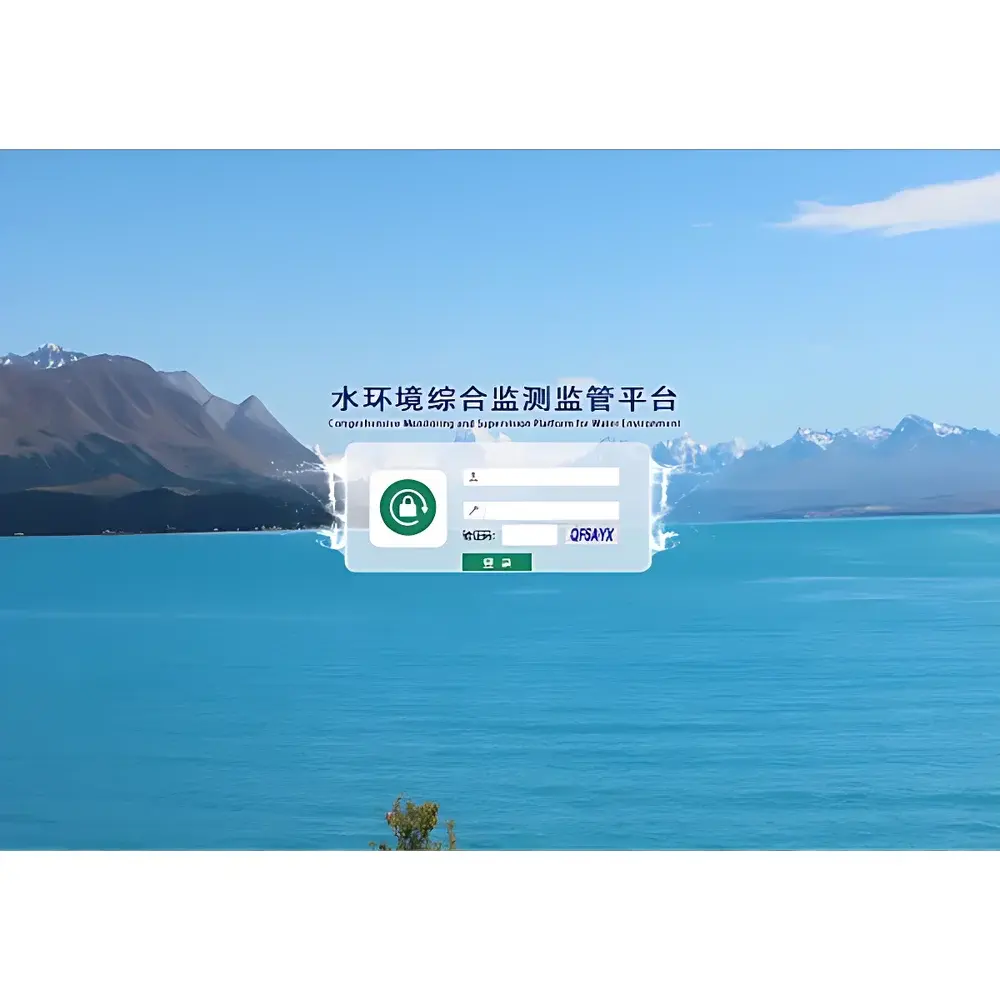
The Lihero Water Environment Integrated Monitoring & Regulatory Platform is a cloud-based, enterprise-grade environmental data infrastructure system engineered for long-term, basin-scale water ecological protection and regulatory oversight. Built upon principles of environmental informatics and integrated monitoring science, the platform implements a unified architecture for ingesting, validating, harmonizing, analyzing, and visualizing heterogeneous time-series data streams—including real-time and historical water quality parameters (e.g., COD, NH₃-N, TP, TN, DO, pH, turbidity), hydrological metrics (flow rate, water level, rainfall-runoff dynamics), and meteorological inputs (precipitation, temperature, wind speed, humidity). It applies standardized environmental data models aligned with China’s *Technical Specifications for Surface Water Quality Monitoring* (HJ 91.1–2019) and supports interoperability with national environmental monitoring networks (e.g., CNEMC data standards). The system is not a field-deployed instrument but a scalable SaaS-style regulatory decision-support framework—designed to operationalize the “data-driven governance” paradigm across municipal, prefectural, and provincial environmental bureaus.
Key Features
- End-to-End Data Lifecycle Management: Supports automated ingestion from multi-vendor online water quality analyzers (e.g., UV-Vis spectrophotometers, ion-selective electrode arrays, fluorescence sensors), telemetry gateways (NB-IoT, LTE-M, LoRaWAN), and legacy SCADA systems via OPC UA, Modbus TCP, and RESTful API integrations.
- Multi-Tiered Quality Assurance Framework: Implements a traceable, audit-ready QC protocol spanning daily instrument calibration verification, weekly field reference sample checks, monthly performance evaluation using certified reference materials (CRMs), and biannual blind sample proficiency testing—fully documented per ISO/IEC 17025:2017 Annex A requirements.
- Integrated Operations & Maintenance Oversight: Embeds a structured maintenance workflow governed by the “6M” model (Man, Machine, Material, Method, Environment, Measurement), enabling granular tracking of service logs, spare parts usage, technician certifications, and SLA compliance for third-party运维 providers.
- Hybrid Data Review Workflow: Combines rule-based auto-validation (e.g., range checks, spike detection, temporal consistency algorithms) with role-based manual review interfaces—supporting full audit trails, electronic signatures, and version-controlled data correction histories compliant with GLP and ISO 14001 environmental management systems.
- Open Data Publication Engine: Generates standardized WQX (Water Quality Exchange) and INSPIRE-compliant metadata feeds; enables public-facing dashboards with customizable alert thresholds, trend visualizations, and downloadable reports—facilitating transparency under China’s *Environmental Information Disclosure Measures* and supporting citizen science engagement.
Sample Compatibility & Compliance
The platform does not process physical samples but governs the digital representation of environmental measurements derived from accredited laboratory analyses (e.g., EPA 365.4, ISO 6878 for phosphate; HJ 505–2009 for COD) and continuous in-situ sensor deployments. All data ingestion pipelines adhere to national standard HJ 212–2017 (*Technical Specification for Data Transmission of Online Monitoring Systems for Pollution Sources*) and support encryption (TLS 1.2+), digital certificate authentication, and immutable blockchain-anchored integrity logs (optional configuration). System architecture conforms to GB/T 22239–2019 (*Basic Requirements for Cybersecurity Level Protection*) Level 3 controls for government information systems.
Software & Data Management
Deployed as a containerized microservices application on Kubernetes clusters (on-premise or hybrid cloud), the platform features a PostgreSQL 14+ geospatial database with TimescaleDB extension for time-series optimization, Elasticsearch 8.x for full-text metadata search, and Apache Superset for self-service analytics. Role-based access control (RBAC) enforces strict data segregation across agencies, jurisdictions, and user tiers (e.g., field operator, QA officer, bureau director). Audit logs capture all data modifications, report exports, and configuration changes—retained for ≥18 months to satisfy internal audit and MEE (Ministry of Ecology and Environment) inspection requirements. Optional FDA 21 CFR Part 11-compliant electronic signature module available for regulated research partnerships.
Applications
- Real-time early warning for algal bloom events using chlorophyll-a + nutrient + meteorological correlation models
- Source apportionment analysis of non-point pollution via hydrological routing and land-use-weighted loading estimation
- Performance benchmarking of wastewater treatment plants against discharge permit limits (GB 18918–2002)
- Long-term trend assessment of eutrophication indicators across river basins (e.g., Yangtze, Pearl River)
- Integration with regional ecological red-line monitoring systems for protected aquatic habitats
- Support for environmental impact assessments (EIA) and post-construction environmental monitoring (PCEM) reporting
FAQ
Is this platform certified for use in official environmental monitoring programs in China?
Yes—it is designed to meet technical and procedural requirements outlined in MEE Document No. 15 [2020] and has been deployed in pilot programs across Hunan, Guangdong, and Jiangsu provinces for routine surface water quality reporting.
Can the platform integrate with existing SCADA or DCS systems from other vendors?
Yes—through standardized industrial protocols including Modbus RTU/TCP, OPC DA/UA, IEC 60870-5-104, and custom REST/JSON adapters developed per site-specific integration specifications.
Does the system support international data exchange standards such as WQX or WaterML?
Yes—native WQX 2.0 export capability is included; WaterML 2.0 and OGC SensorThings API v1.1 adapters are available as optional modules.
What cybersecurity certifications does the platform hold?
The core deployment meets GB/T 22239–2019 Level 3 baseline requirements; penetration testing reports and等级保护备案证书 (filing certificates) are provided upon contractual agreement.
Is cloud hosting mandatory, or can it be installed on-premises?
Both configurations are supported: fully managed cloud (Alibaba Cloud, Tencent Cloud), private cloud (VMware/OpenStack), or air-gapped on-premises deployment with offline update mechanisms.
Related Products