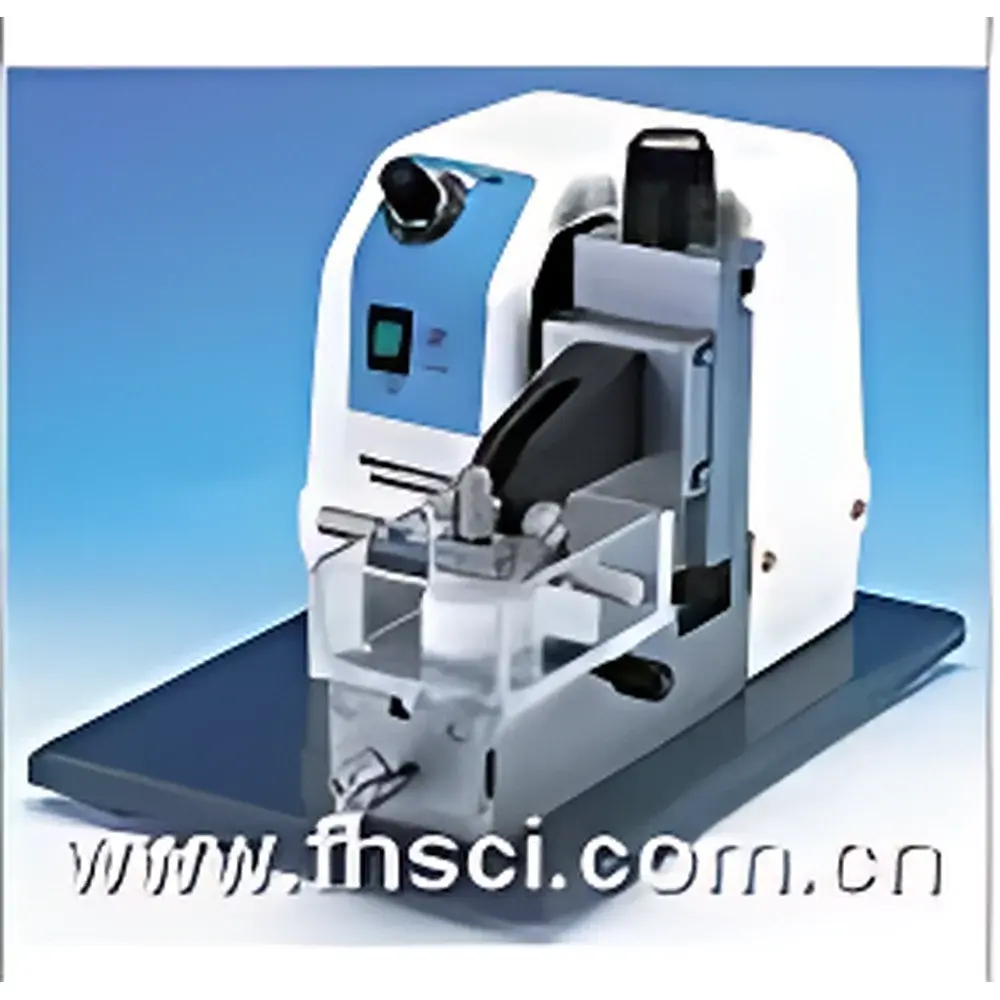
Manual Vibratome Tissue Slicer SYS-NVSL
| Origin | USA |
|---|---|
| Manufacturer Type | Distributor |
| Origin Category | Imported |
| Model | SYS-NVSL |
| Pricing | Upon Request |
Overview
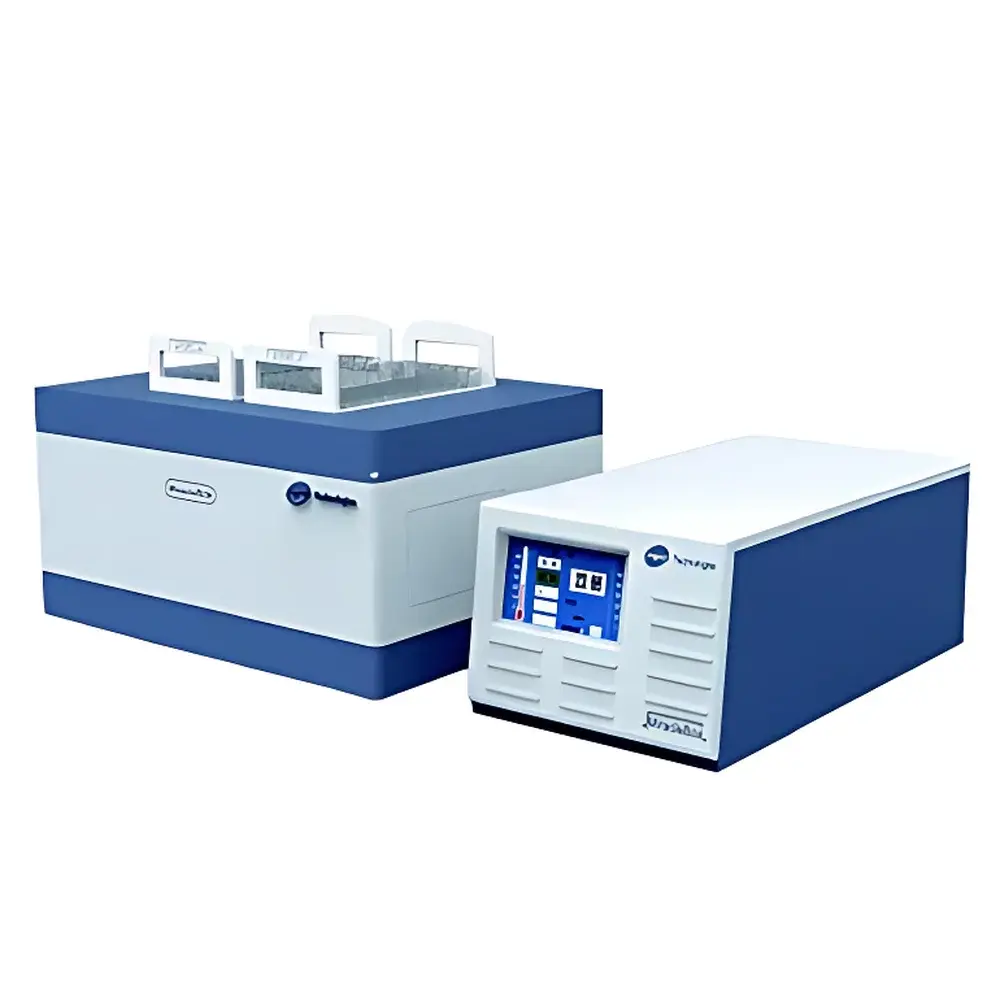
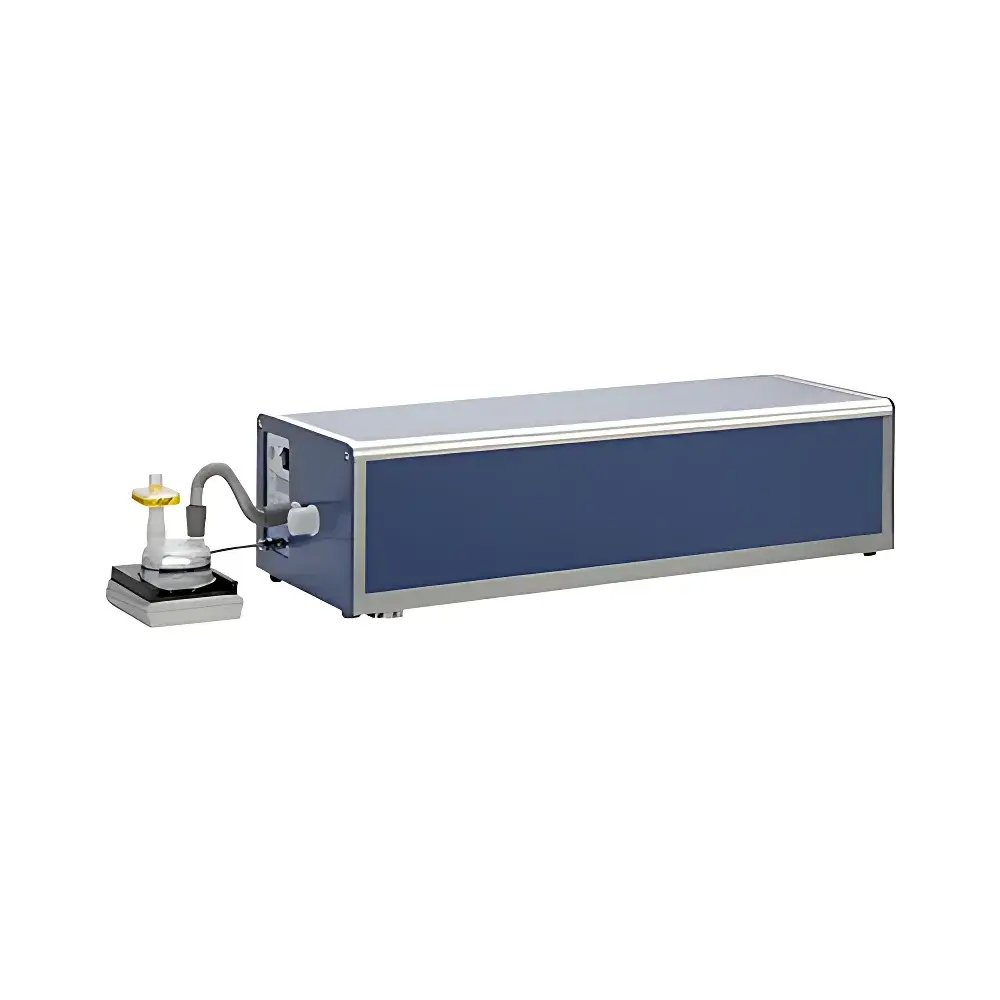
The Manual Vibratome Tissue Slicer SYS-NVSL is a precision-engineered instrument designed for the preparation of viable, undamaged tissue sections—particularly from fresh, unfixed neural, cardiac, hepatic, or renal specimens. Unlike cryostats or microtomes, which rely on freezing or rigid embedding that induce ice crystal formation or mechanical compression artifacts, the SYS-NVSL employs high-frequency lateral blade oscillation (vibratome principle) to achieve clean, ultra-thin sectioning while preserving native cellular architecture and physiological integrity. This makes it indispensable for electrophysiological studies (e.g., patch-clamp recordings), live-cell imaging, immunohistochemistry requiring antigen preservation, and enzyme-based histochemical assays such as horseradish peroxidase (HRP) tracing—where structural fidelity directly impacts functional interpretation.
Key Features
- Vibration-based sectioning mechanism with adjustable oscillation frequency (60–4500 rpm), enabling optimal cut quality across heterogeneous tissue stiffnesses—from soft embryonic brain to dense adult cortical tissue.
- Manual sample advancement with calibrated handwheel control, offering fine-tuned positioning resolution and tactile feedback essential for serial sectioning protocols.
- Integrated water bath chamber and specimen stage, maintaining physiological hydration and temperature stability during slicing; compatible with chilled or warmed saline solutions (4–37 °C).
- 1 mm lateral blade displacement range, supporting consistent kerf width control and minimizing tissue drag-induced deformation.
- No requirement for paraffin embedding, cryoprotection, or freezing—enabling direct sectioning of freshly dissected, chemically fixed (e.g., 4% PFA), or lightly perfused tissues.
- Robust aluminum alloy chassis with vibration-damped base, ensuring mechanical stability during prolonged operation and reducing harmonic interference in sensitive recording setups.
Sample Compatibility & Compliance
The SYS-NVSL accommodates a broad spectrum of biological specimens, including but not limited to rodent and primate brain slices (hippocampus, cortex, cerebellum), spinal cord segments, retinal explants, pancreatic islets, and tumor xenografts. Section thickness ranges from 20 µm (for fixed, non-embedded tissues) to 700 µm (for live, hydrated preparations), with typical working range at 100–300 µm for slice electrophysiology. The system complies with general laboratory safety standards (ANSI Z87.1 for optical components, IEC 61000-6-3 for electromagnetic compatibility) and supports GLP-aligned documentation workflows when integrated with validated SOPs. While not FDA-cleared as a diagnostic device, its use aligns with ISO 15190:2020 (medical laboratories — requirements for safety) and ASTM E2500-13 (verification of analytical systems) for research-grade instrumentation.
Software & Data Management
As a manually operated platform, the SYS-NVSL does not incorporate embedded firmware or proprietary software. All operational parameters—including vibration speed, section thickness setting (via micrometer-adjustable stop), and bath temperature—are set and monitored externally using calibrated analog dials and digital thermometers. However, the system is fully compatible with third-party data acquisition ecosystems: synchronized timing signals can be exported via TTL output for alignment with electrophysiology rigs (e.g., Axon Digidata, HEKA PatchMaster); video capture from stereo microscopes may be timestamped and archived in LabArchives or ELN platforms compliant with 21 CFR Part 11 audit-trail requirements. Documentation of sectioning conditions (date, operator, tissue source, thickness, bath composition) is maintained manually per institutional GLP/GMP guidelines.
Applications
- In vitro electrophysiology: Preparation of acute brain slices for field potential and whole-cell patch-clamp recordings.
- Live-tissue confocal and two-photon microscopy: High-fidelity sectioning preserving fluorophore localization and membrane integrity.
- Histochemical enzyme mapping: Optimized HRP, NADPH-diaphorase, or alkaline phosphatase staining without antigen masking.
- Organotypic culture initiation: Generation of thick, metabolically active slices for long-term ex vivo culture models.
- Toxicology and pharmacokinetic studies: Sectioning of liver or kidney tissue post-exposure for spatially resolved biomarker analysis.
- Developmental neuroscience: Serial sectioning of embryonic or postnatal tissue without cryo-artifact distortion.
FAQ
What is the minimum section thickness achievable with the SYS-NVSL on fixed tissue?
20 µm—provided the tissue is adequately fixed (e.g., 4% paraformaldehyde, 24–48 h) and mounted without embedding media.
Can the SYS-NVSL be used for live tissue slicing without prior fixation?
Yes. It is specifically engineered for acute slicing of oxygenated, ACSF-perfused brain or spinal cord tissue, routinely producing viable 200–400 µm sections for electrophysiology.
Is the water bath temperature actively controlled?
No—the bath is passive; users must regulate temperature externally using chilled/thermostatted ACSF or saline circulated via external pumps or immersion chillers.
How does the SYS-NVSL differ from the motorized NVSLM1 model?
The SYS-NVSL uses manual advancement of the specimen stage via precision handwheel, whereas the NVSLM1 integrates stepper-motor-driven linear motion with programmable step size and automated serial sectioning capability.
Are replacement blades and accessories available through the distributor?
Yes—standard vibrating blade holders, disposable stainless-steel blades (e.g., Leica VT1200-compatible), and custom specimen agarose molds are supported under standard distribution agreements.