
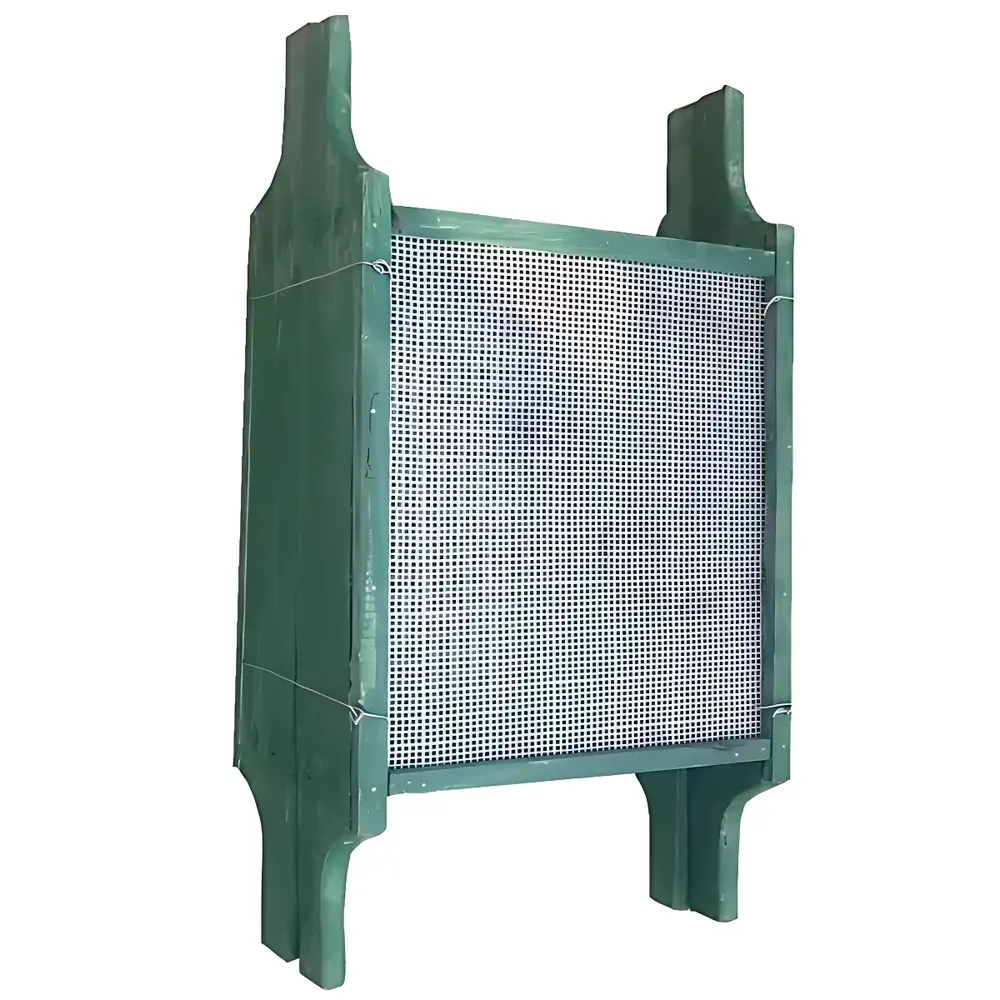
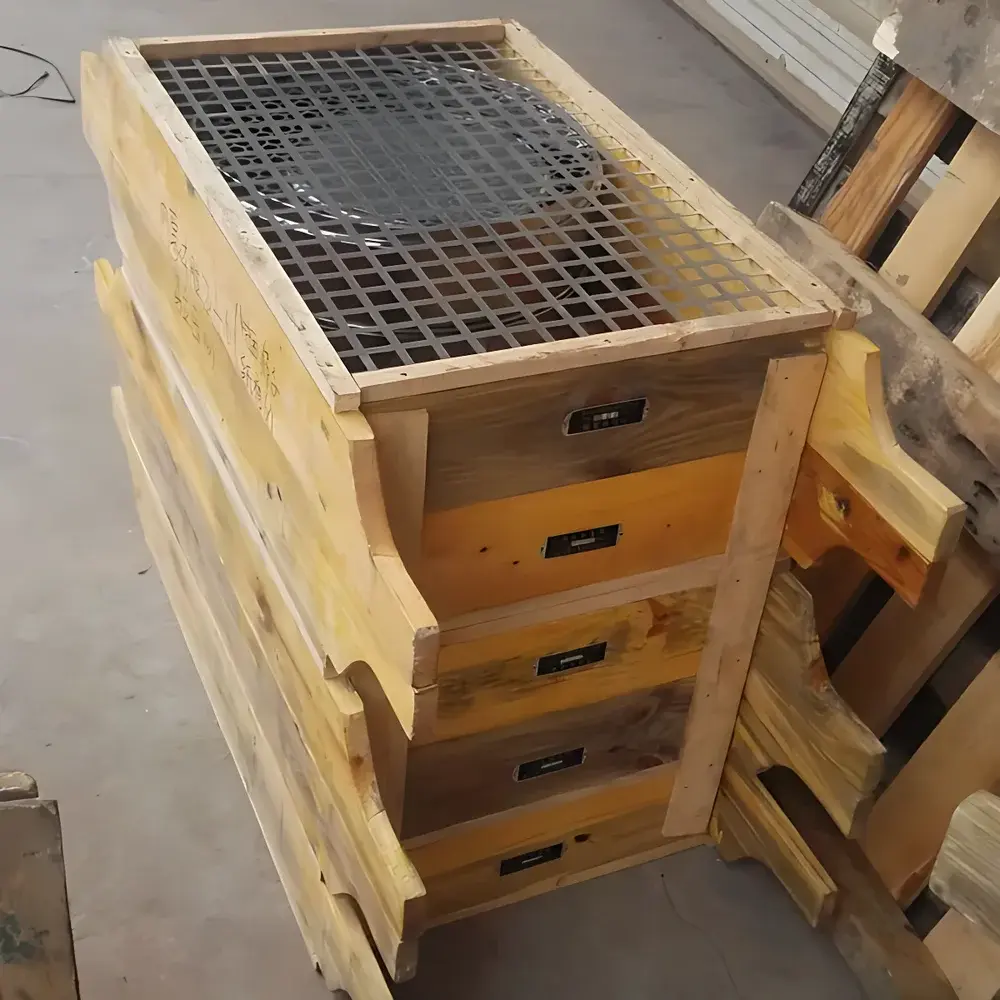
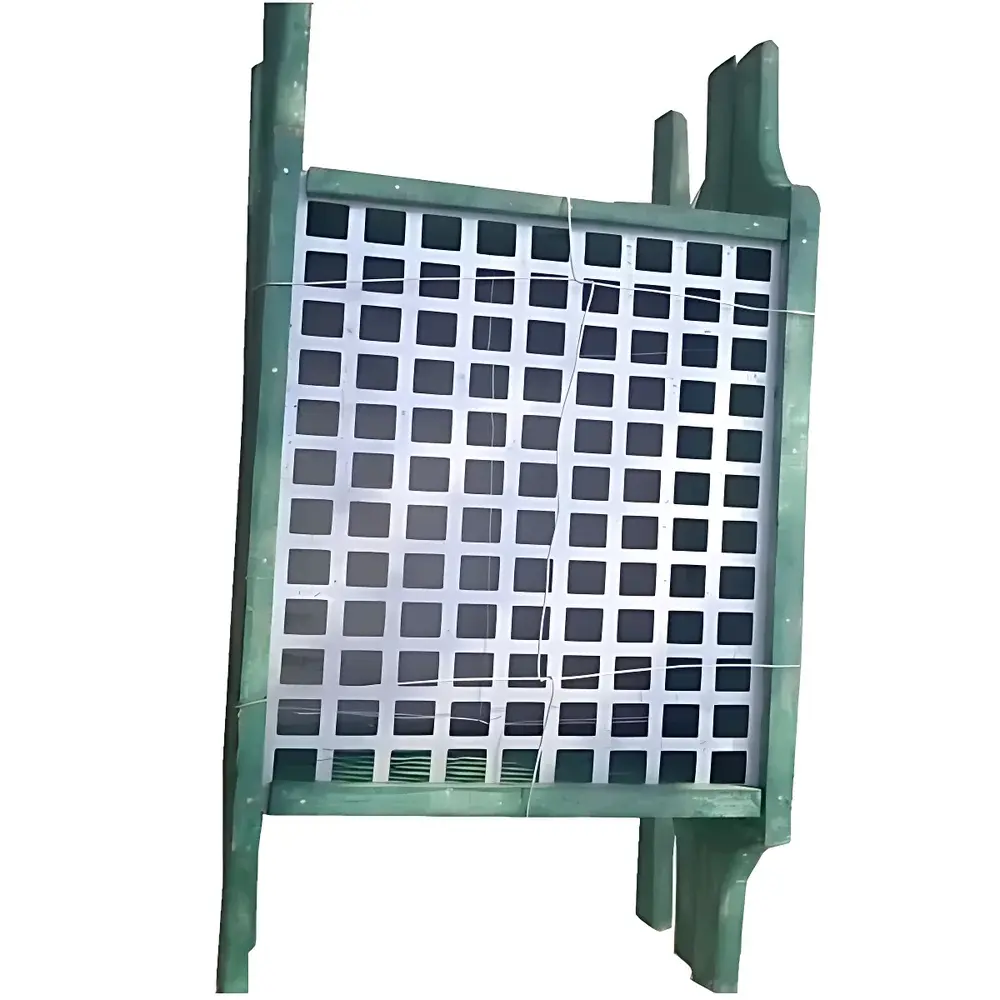
MingShen Science Manual Wooden-Frame Coal Sample Sieve for Sample Preparation Laboratories
| Brand | MingShen Science |
|---|---|
| Origin | Henan, China |
| Manufacturer Type | Authorized Distributor |
| Origin Category | Domestic (China) |
| Model | Manual Wooden-Frame Coal Sample Sieve |
| Price Range | USD 55 – 83 |
Overview
The MingShen Science Manual Wooden-Frame Coal Sample Sieve is a precision-engineered laboratory tool designed for standardized particle size classification of coal samples in sample preparation laboratories. It operates on the principle of mechanical dry sieving—relying on manual agitation to separate particles based on geometric aperture dimensions—per ASTM D2013, ISO 23497, and GB/T 477–2018 (Chinese National Standard for Coal Sampling and Preparation). Unlike motorized or vibratory sieves, this device emphasizes operator-controlled, low-energy separation suitable for coarse-to-medium coal fractions (150 mm down to 1 mm), ensuring minimal particle degradation and high reproducibility in routine preparation workflows. Its primary function is to support the reduction and sizing stages of coal sample preparation prior to proximate analysis, ultimate analysis, calorimetry, or ash fusion testing.
Key Features
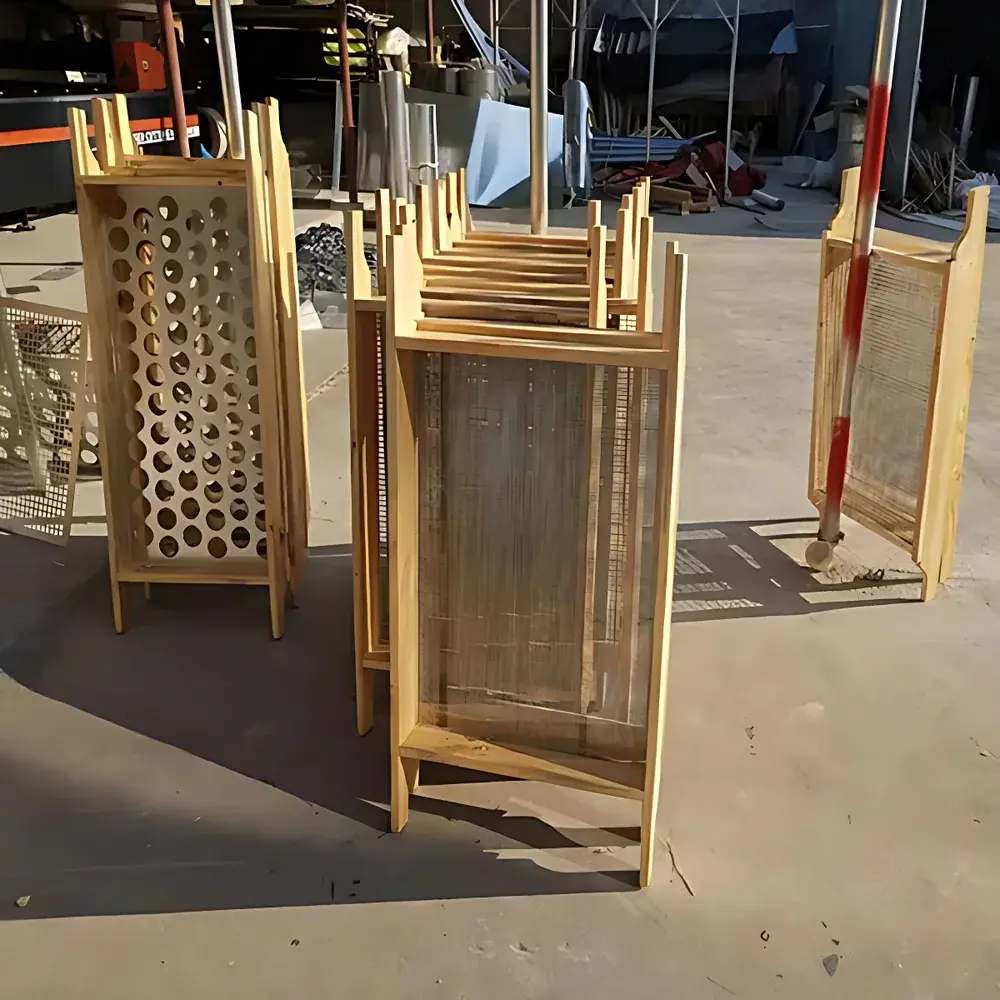
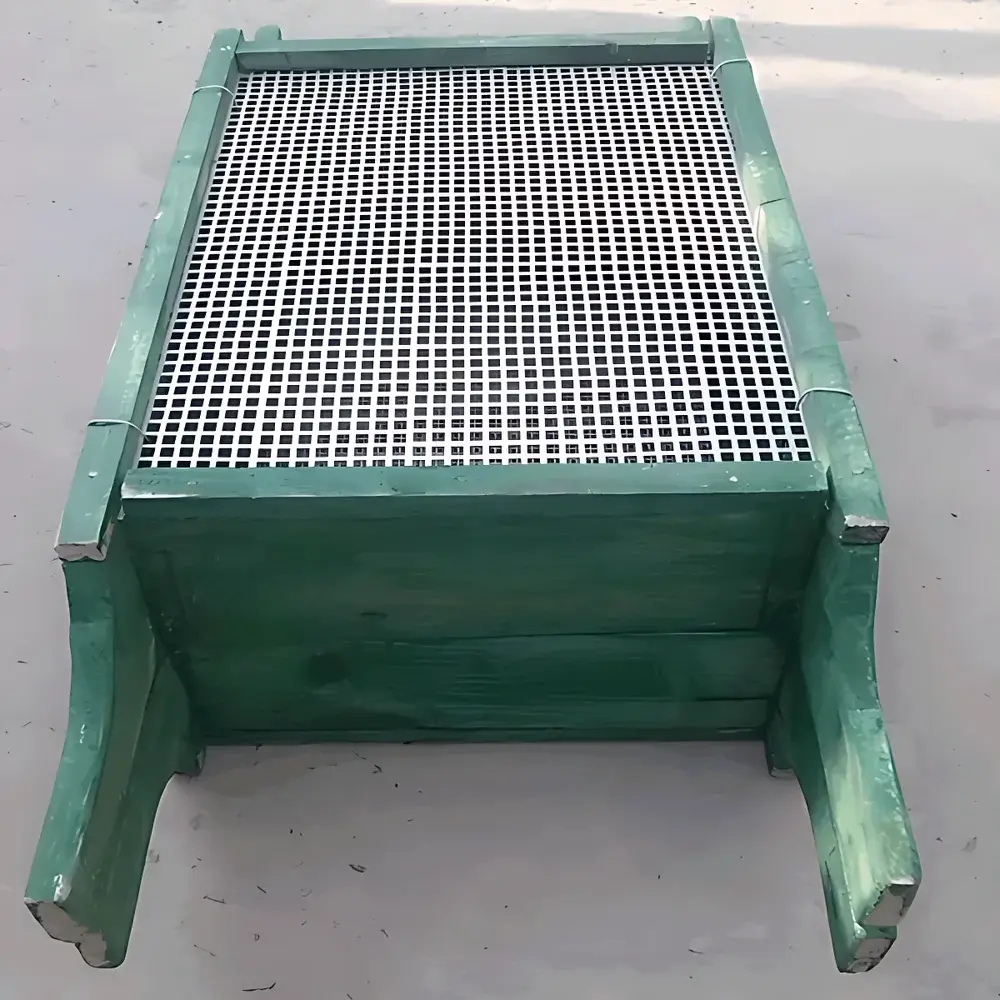
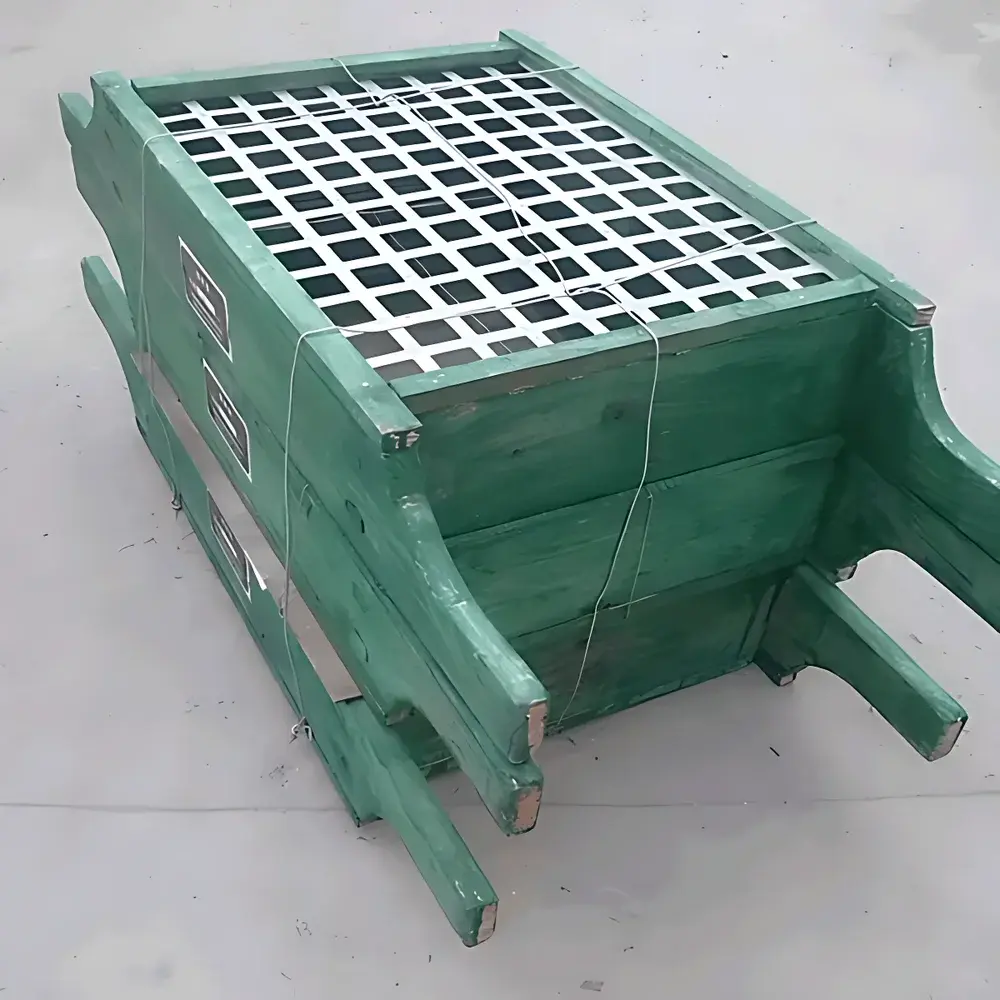
- Two ergonomic configurations: dual-operator wooden-frame sieves (700 × 500 × 150 mm and 750 × 500 × 150 mm) and single-operator stainless-steel/galvanized variants (450 × 350 × 100 mm), optimized for workflow flexibility and space-constrained labs.
- Customizable aperture geometry: available in both square and round openings, with standard nominal apertures spanning 150 mm to 1 mm—aligned with common coal sizing tiers used in ASTM D3174 (ash determination) and ISO 1171 (determination of ash).
- Dual-material sieve bottom construction: stainless steel (AISI 304) and galvanized steel options ensure corrosion resistance and compliance with long-term exposure to abrasive coal dust under ambient lab conditions.
- Wooden outer frame fabricated from kiln-dried hardwood with reinforced corner joints—designed for structural rigidity during hand-sieving, minimizing frame flexure and maintaining planar alignment of the mesh surface.
- No electrical components or moving parts: eliminates calibration drift, reduces maintenance overhead, and supports GLP-compliant documentation of manual sieving duration and motion protocol.
Sample Compatibility & Compliance
This sieve series is validated for use with raw bituminous, sub-bituminous, lignite, and anthracite coal samples—regardless of moisture content up to 15% (wb). It accommodates bulk sample masses up to 5 kg per sieving cycle without overflow or lateral particle ejection. All configurations meet dimensional tolerances specified in ISO 3310-1:2016 (Test sieves — Technical requirements and testing — Part 1: Test sieves of metal wire cloth) for aperture width deviation (±5% for apertures ≥1 mm). The wooden frame design conforms to IEC 61000-4-2 ESD-safe handling protocols when grounded via optional copper braid attachment—critical for static-prone coal environments. Documentation includes traceable material certifications for stainless steel mesh (EN 10088-1) and galvanized sheet (ISO 1461).
Software & Data Management
As a fully manual, non-instrumented device, this sieve does not incorporate embedded electronics or digital interfaces. However, it integrates seamlessly into electronic lab notebook (ELN) systems and LIMS platforms through standardized SOP templates (e.g., ASTM D2013 Annex A1). Users may log sieving parameters—including operator ID, sample ID, sieve set used, agitation duration (±5 s), number of passes, and retained/fraction mass—using structured CSV or PDF forms compliant with FDA 21 CFR Part 11 audit trail requirements. Optional barcode-labeled frame identification tags enable automated inventory tracking within warehouse management modules.
Applications
- Routine coal sample division and size fractionation prior to analysis per ISO 13909-2 (Hard coal and coke — Mechanical sampling — Part 2: Sampling of coal from moving streams).
- Validation of crusher/grinder output particle distribution in QA/QC labs supporting ISO/IEC 17025-accredited testing.
- Preparation of reference materials for interlaboratory comparison studies (e.g., CCQM P126 coal proficiency testing).
- Educational use in university mining engineering and fuel science laboratories for teaching standardized sieving methodology and statistical grain-size distribution analysis (e.g., Rosin-Rammler plots).
- On-site field screening at mine preparation plants where power infrastructure is limited or explosion-proof certification is impractical.
FAQ
What standards does this sieve comply with?
It meets ISO 3310-1:2016 for aperture tolerance, ASTM D2013 for coal sample preparation procedures, and GB/T 477–2018 for Chinese coal testing requirements.
Can custom aperture sizes be manufactured?
Yes—MingShen Science offers bespoke fabrication of square or round apertures between 0.5 mm and 200 mm, subject to minimum order quantity and lead-time confirmation.
Is the wooden frame treated for humidity resistance?
All frames undergo vacuum-pressure impregnation with water-repellent alkyl ketene dimer (AKD) emulsion, achieving DIN 53160-2-rated resistance to ambient lab humidity (40–70% RH).
How often should mesh integrity be verified?
Visual inspection before each use is required; periodic verification using certified gauge pins (traceable to NIST SRM 2050a) is recommended every 200 sieving cycles or quarterly—whichever occurs first.
Does the sieve include calibration documentation?
Each unit ships with a Certificate of Conformance (CoC), including frame dimensions, mesh material grade, aperture verification data, and batch-specific traceability to raw material mill certificates.



