
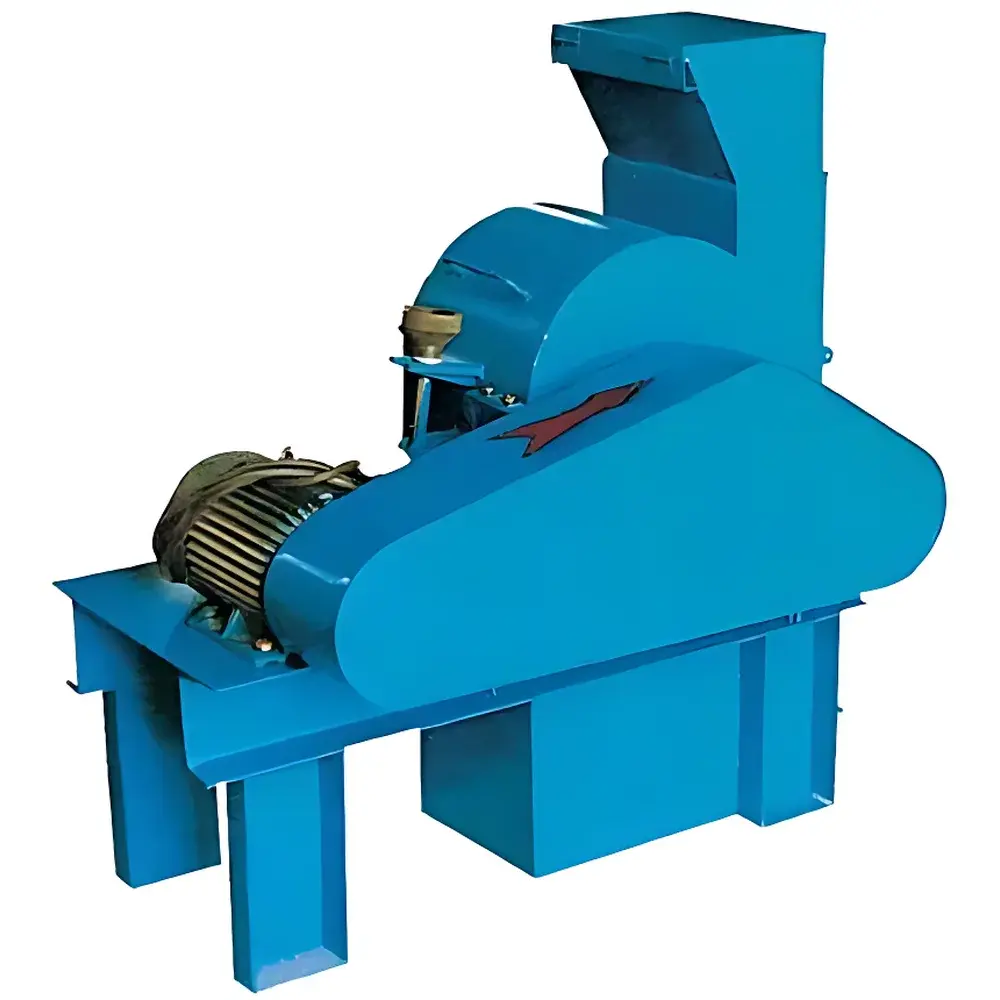
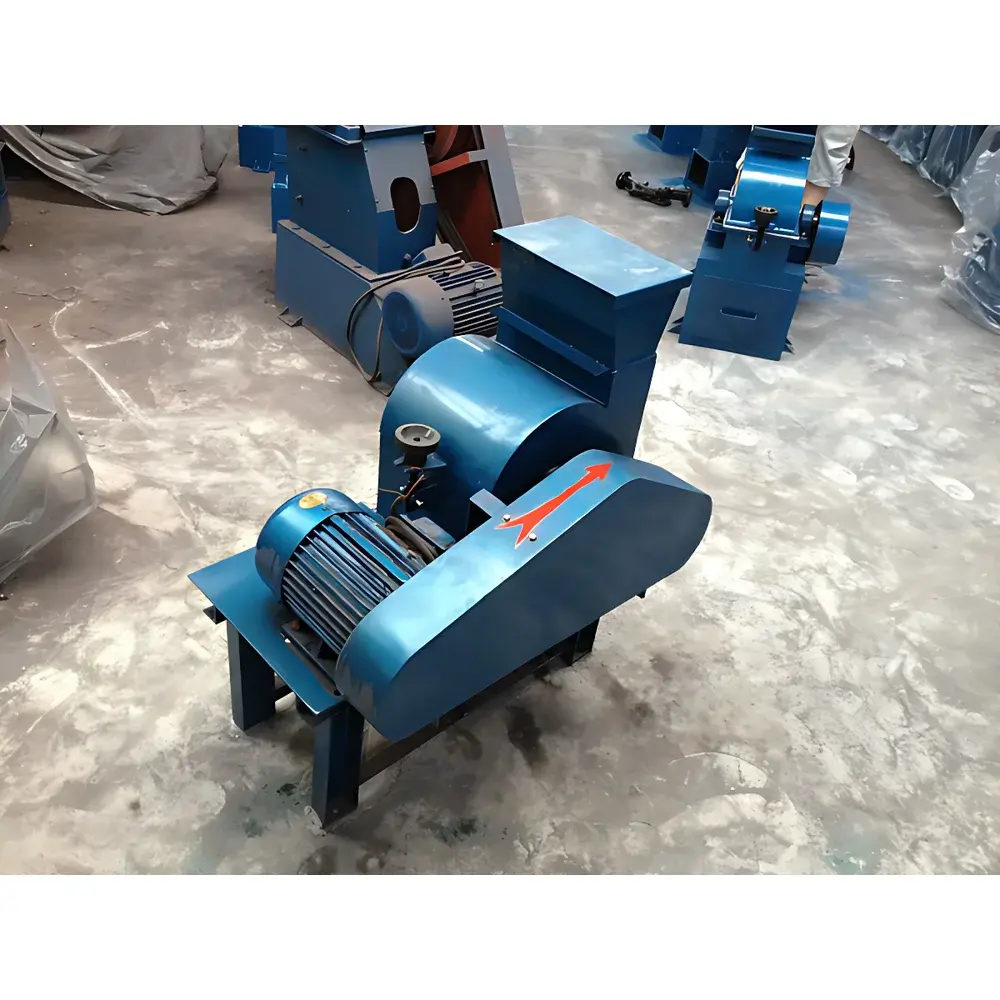
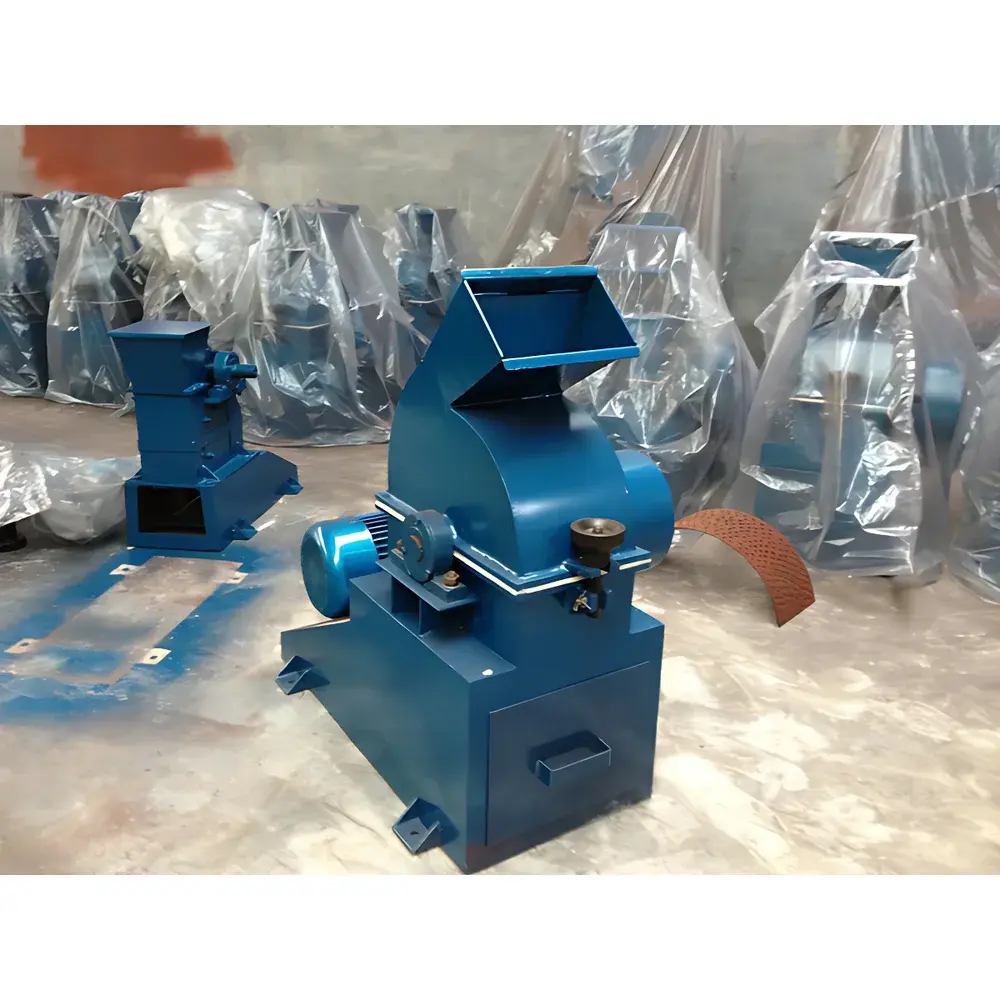
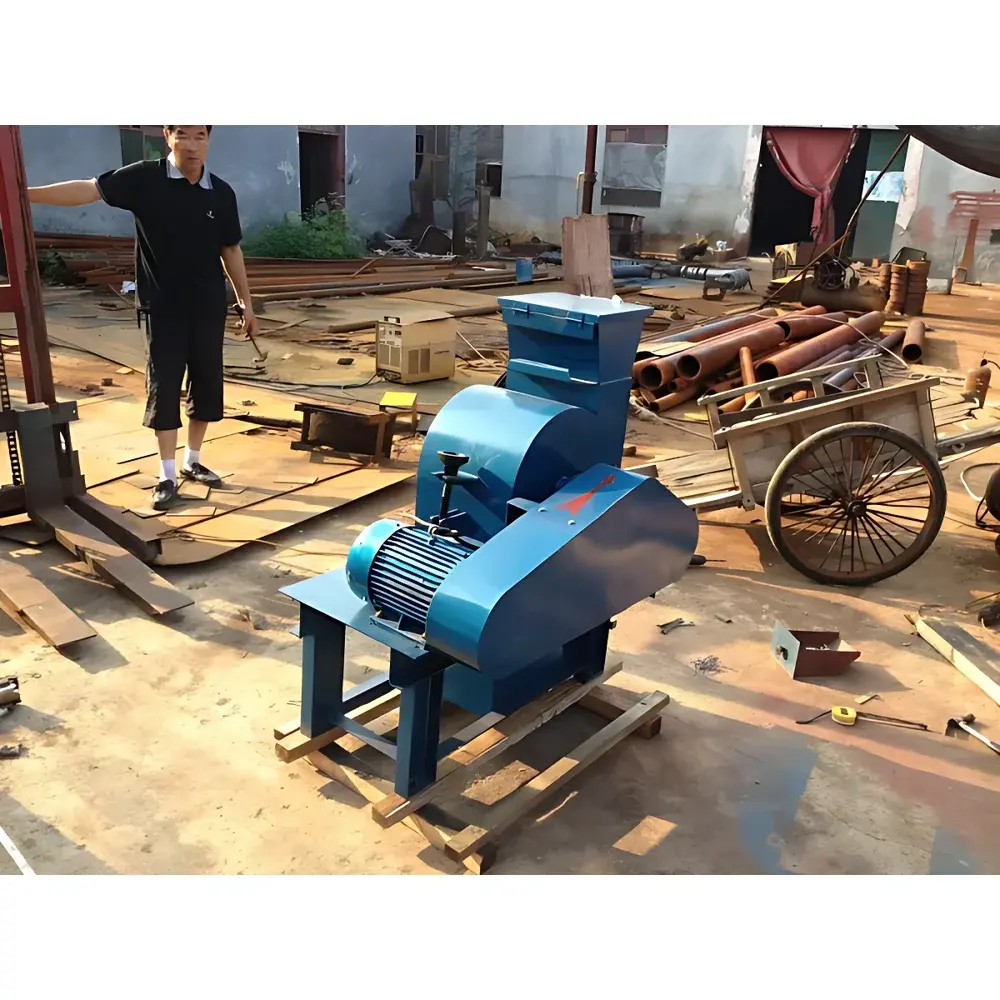
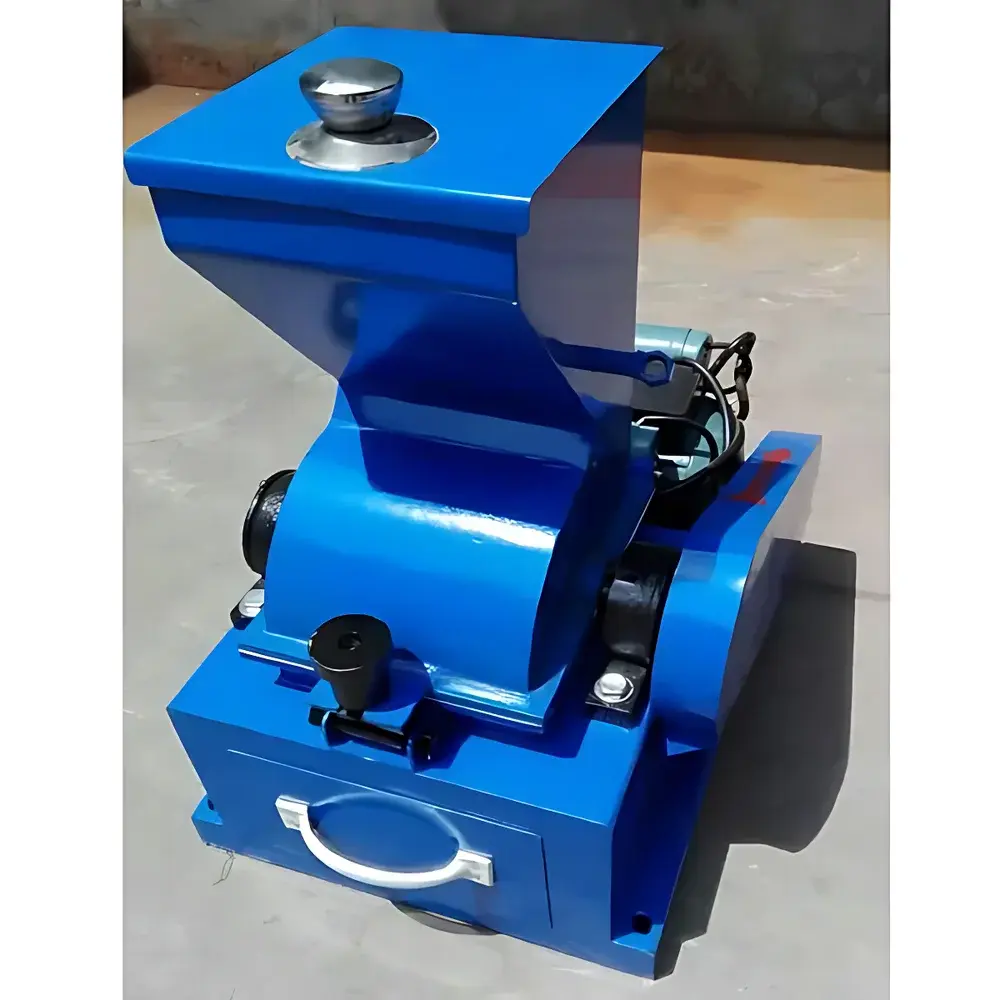
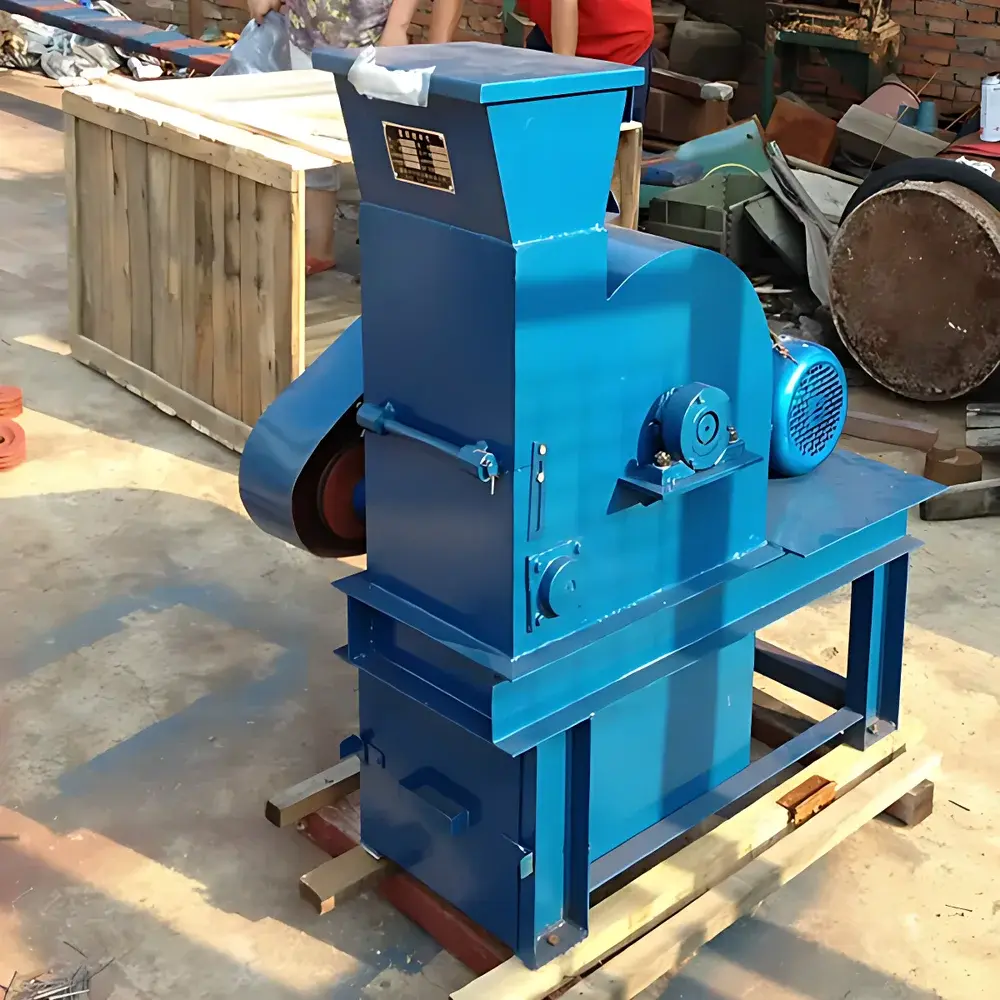
MingShen Science SMP Series Wet Coal Crusher
| Brand | MingShen Science |
|---|---|
| Origin | Henan, China |
| Manufacturer Type | Authorized Distributor |
| Country of Origin | China |
| Model | SMP |
| Instrument Type | Jaw/Rotor Impact Crusher |
| Sample Applicability | High-Moisture Hard Materials (e.g., wet coal ≤30% moisture) |
| Feed Size | ≤60 mm (SMP-400) / ≤80 mm (SMP-180) |
| Discharge Size | 0.5–12 mm (adjustable via interchangeable bar screens) |
| Throughput | 2000 kg/h |
| Motor Power | 1.5 kW (SMP-180) / 3 kW (SMP-400) |
| Voltage | 3-phase 380 V, 50 Hz ±1 Hz (220 V option available for SMP-180) |
| Compliance | GB 474, GB/T 18666 |
Overview
The MingShen Science SMP Series Wet Coal Crusher is an industrial-grade, rotor-driven impact crusher engineered specifically for the reliable size reduction of high-moisture coal samples—up to 30% water content—without mechanical dewatering or sample moisture loss. Unlike conventional jaw or roller crushers prone to clogging or inconsistent sizing under humid conditions, the SMP employs a tangential feed geometry and high-speed hammer rotor assembly operating on the principle of controlled劈击 (splitting-impact) fragmentation. This mechanism delivers consistent particle breakage along natural cleavage planes in coal, minimizing overgrinding and preserving representative bulk composition. The integrated vibratory screen module enables real-time classification during discharge, ensuring compliance with standardized coal sample preparation workflows defined in GB 474 and GB/T 18666. Designed for integration into modular laboratory or pilot-scale coal quality assurance lines, the SMP serves as a critical preprocessing unit upstream of drying, subsampling, pulverizing, or analytical instrumentation.
Key Features
- Tangential inlet design with milling-style impact trajectory—ensures smooth, non-jamming material flow even with sticky, cohesive wet coal.
- Interchangeable bar-type screen plates (standard 6 mm for SMP-180; configurable from 0.5 mm to 12 mm)—enabling precise discharge size control without tooling changes.
- Hermetically sealed crushing chamber with dust-tight housing—meets ISO 14644-1 Class 8 cleanroom compatibility requirements for lab environments.
- Vibration-assisted screening integrated directly into the discharge chute—eliminates need for external sieving and reduces handling-induced segregation.
- Guarded drive train with low-noise helical gearmotor and dynamic balancing—operates at <72 dB(A) at 1 m distance, compliant with EU Machinery Directive 2006/42/EC noise limits.
- Moisture-retentive crushing architecture—no internal heating elements or air aspiration; prevents evaporative loss during comminution, critical for calorific value and proximate analysis integrity.
Sample Compatibility & Compliance
The SMP Series accommodates hard, abrasive, and hygroscopic feedstocks including bituminous coal, lignite, petcoke, and biomass blends with moisture content up to 30 wt%. Its mechanical design avoids reliance on friction-based grinding, thereby preventing thermal degradation or surface oxidation of reactive coal matrices. All models conform to national standard GB 474 “Method for Preparation of Coal Samples” for precision, repeatability, and bias control in routine laboratory preparation. Performance validation data—including within-lot variance (RSD <2.1% for ash yield across 10 replicates) and cross-batch comparability—support use in ISO/IEC 17025-accredited coal testing laboratories. Optional CE marking documentation and electrical safety certification (IEC 61000-6-2/6-4) are available upon request for international deployment.
Software & Data Management
While the SMP Series operates as a standalone electromechanical unit, its operational parameters—including runtime, motor current draw, and cumulative throughput—are logged via onboard RS-485 Modbus RTU interface (standard on SMP-400; optional upgrade for SMP-180). These data streams integrate natively with LIMS platforms supporting ASTM E1578-compliant instrument connectivity protocols. Audit trails for maintenance events (e.g., screen plate replacement timestamps, bearing lubrication cycles) are retained locally for GLP/GMP traceability. Firmware updates and configuration backups are performed via secure USB-C port with SHA-256 signature verification—aligned with FDA 21 CFR Part 11 electronic record requirements where applicable.
Applications
- Routine coal sample preparation prior to proximate analysis (moisture, volatile matter, fixed carbon, ash), ultimate analysis (C/H/N/S/O), and calorific value determination (ASTM D5865, ISO 1928).
- Feed conditioning for automated coal analyzers (e.g., XRF, NIR, LIBS) requiring homogeneous sub-2 mm fractions.
- Integration into full-scale coal sampling systems per ISO 13909 and AS 4156—serving as primary crusher in cross-belt or falling-stream samplers.
- Pilot-scale blending studies involving multi-source coal feeds with variable moisture and hardness profiles.
- Research on coal weathering behavior, where preservation of native moisture state is essential for simulating storage or transport conditions.
FAQ
Can the SMP crush materials other than coal?
Yes—the rotor impact mechanism is suitable for brittle, moderately abrasive materials with ≤30% moisture, including certain ores, limestone, gypsum, and agricultural pellets. However, feed hardness should not exceed 800 MPa compressive strength to ensure screen longevity.
Is calibration required before use?
No routine calibration is needed; however, periodic verification of screen aperture dimensions (using certified pin gauges per ISO 25178-601) and rotor speed accuracy (via tachometer traceable to NIST standards) is recommended every 500 operating hours.
What safety certifications does the SMP hold?
Standard units comply with GB/T 5226.1 (equivalent to IEC 60204-1) for electrical safety and GB 19517 for industrial control equipment. CE-marked variants include full EC Declaration of Conformity covering Machinery, EMC, and Low Voltage Directives.
How is maintenance access designed?
The front-access hinged hood and quick-release screen retention clamps allow full internal inspection and component replacement in under 8 minutes—documented in the included maintenance SOP manual aligned with ISO 13374-2 condition monitoring guidelines.



