
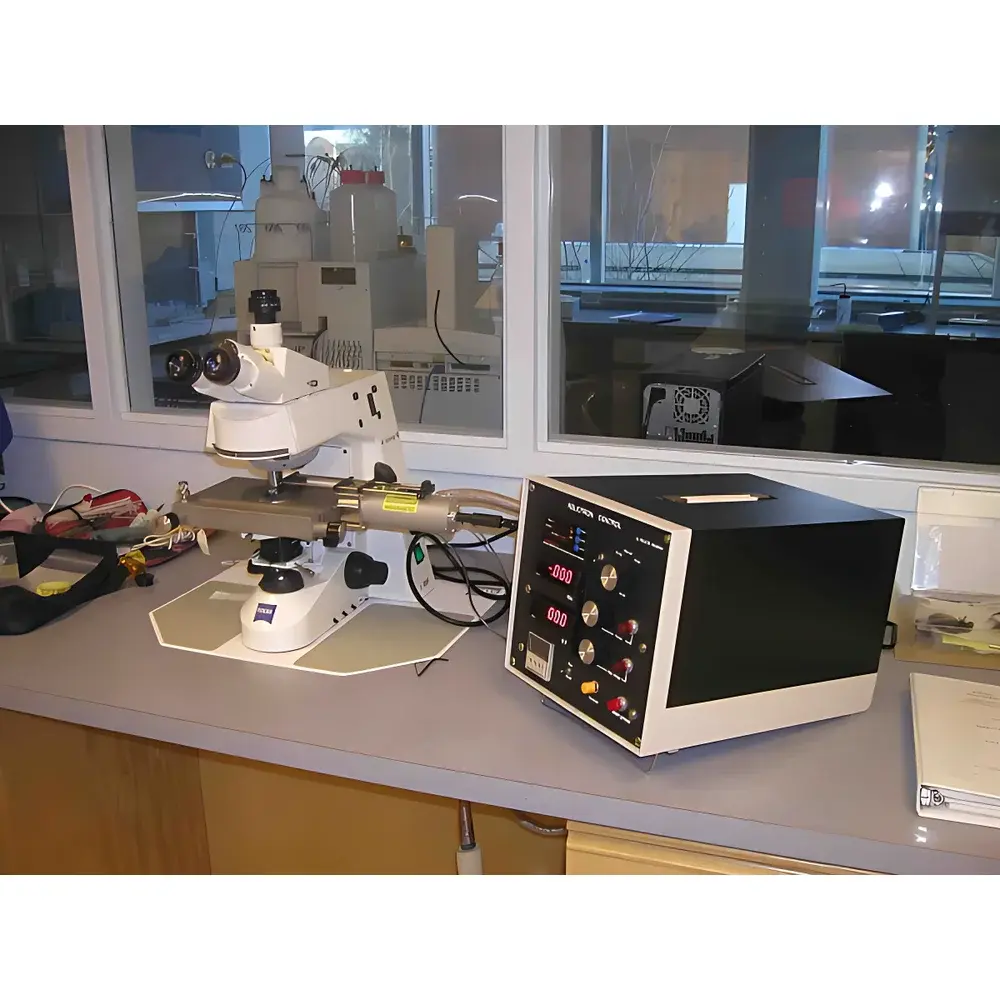
MiXran RELION VII CL Cathodoluminescence Instrument
| Brand | MiXran |
|---|---|
| Origin | USA |
| Manufacturer Type | Authorized Distributor |
| Category | Imported Optical Instrument Component |
| Model | RELION VII CL |
| Component Type | Optical Instrument Module |
| Beam Voltage | 0–30 kV (continuously adjustable, typically operated ≤25 kV) |
| Beam Current | 0–2 mA (continuously adjustable, with overcurrent protection) |
| Vacuum Level | ≤0.25 Pa (ultimate), ~2.66 Pa (20 mTorr) typical operating pressure |
| Focusing Spot Size | Adjustable from defocused (several mm to >1 cm) to spot-focused (≤1 mm diameter) |
| Observation Window | 50 mm Ø lead-glass viewport (3 mm thick), plus optional 20 mm concave re-entrant window for high-magnification objectives |
| Sample Tray Dimensions | 100 × 60 × 20 mm |
| Power Supply | 220 V AC, 50–100 Hz |
| Max. Power Consumption | ≥800 W |
Overview
The MiXran RELION VII CL Cathodoluminescence Instrument is a modular, high-stability cold-cathode electron beam excitation system engineered for integration with optical microscopes in geological, materials science, and gemological laboratories. It operates on the fundamental principle of cathodoluminescence (CL): when a focused electron beam impinges on a luminescent material—such as minerals containing trace activators (e.g., Mn²⁺, Eu²⁺, Ce³⁺) or structural defects—it induces photon emission in the UV–visible–NIR range. Unlike thermionic or field-emission sources, the RELION VII employs a horizontally oriented cold-cathode discharge electron gun, eliminating thermal load on the vacuum chamber and preventing sample degradation during extended imaging or mapping sessions. Its 30 kV maximum accelerating voltage and 2 mA beam current enable robust excitation across diverse sample types—from standard 30 µm petrographic thin sections to bulk rock fragments, ceramic cross-sections, semiconductor wafers, and gemstone slabs—without requiring conductive coating or cryogenic cooling.
Key Features
- Cold-cathode electron source: No filament heating; eliminates thermal drift, extends source lifetime, and preserves temperature-sensitive samples.
- Full-range beam focusing: Electromagnetic focusing coil enables continuous adjustment from diffused illumination (>10 mm diameter) for macro-CL photography to sub-millimeter spot focus (<1 mm) for high-resolution CL mapping or EDS correlation.
- Programmable beam deflection: Integrated magnetic deflection system allows precise spatial control of the incident electron beam—enabling rapid region-of-interest targeting, raster scanning (when synchronized with external stage controllers), and avoidance of surface topography artifacts.
- Dual-mode vacuum chamber: Constructed from non-magnetic, inert-gas-welded stainless steel; accommodates both standard and macro sample configurations. Equipped with dual lead-glass viewports (50 mm Ø main window; 20 mm concave re-entrant window for ≥50× objectives) and precision vacuum valves with auto/manual exhaust capability.
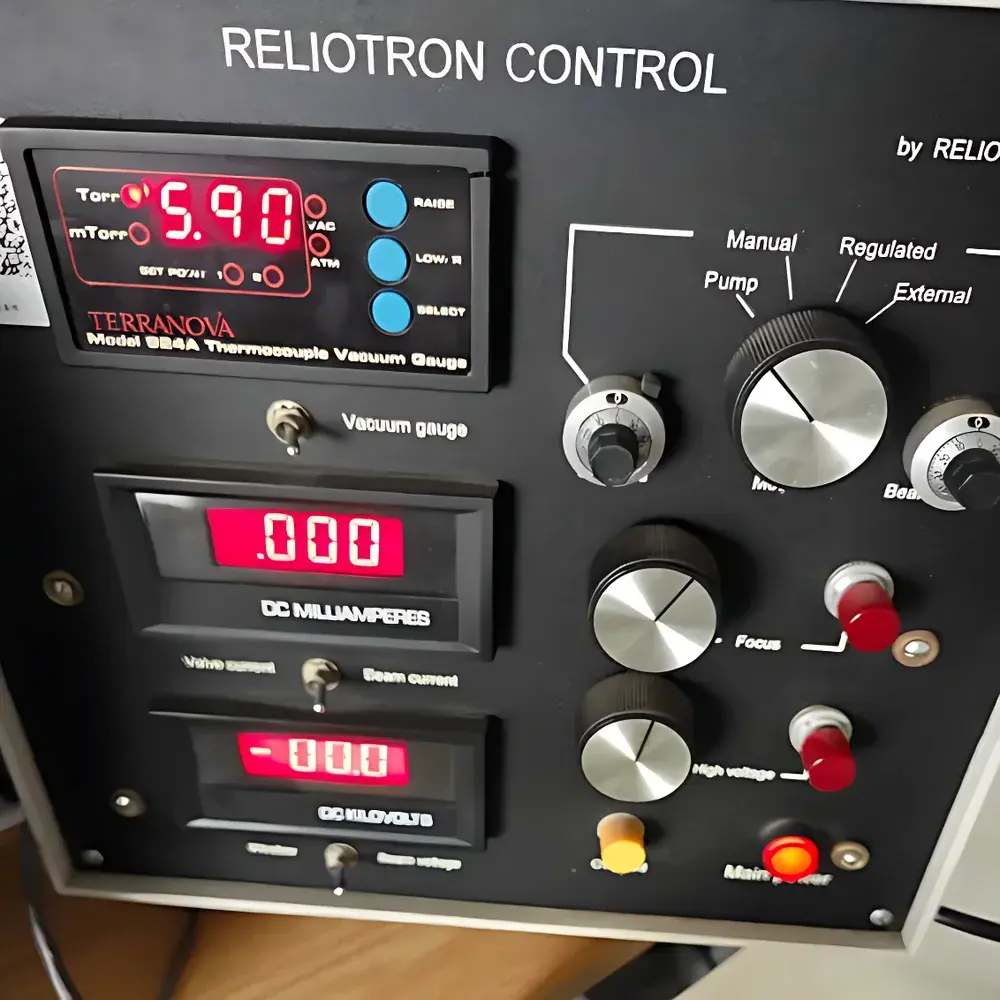
- Real-time digital monitoring: Integrated control panel displays beam voltage, current, chamber pressure (in Pa and mTorr), operational mode (auto/manual), HV status, and safety interlock states.
- Modular mechanical design: Benchtop-mountable vacuum chamber fits directly onto standard microscope stages without modification; compatible with long-working-distance objectives and transmitted-light condensers.
Sample Compatibility & Compliance
The RELION VII CL supports uncoated, air-stable samples ranging from polished thin sections (50.8 × 76.2 mm standard format) to irregular granules, chips, and bulk specimens up to 20 mm in height. Its large-diameter (50 mm) top viewport ensures full-field CL observation without vignetting, while the re-entrant window option maintains ≥5 mm working distance for high-NA oil-immersion or water-dipping objectives. The system complies with ISO 14644-1 Class 8 cleanroom handling standards for vacuum chamber assembly and meets IEC 61000-6-3 EMC emission requirements. For regulated environments, the instrument’s analog/digital signal architecture supports audit-trail-ready operation when interfaced with GLP/GMP-compliant data acquisition software (e.g., via RS-232 or USB TTL). While not FDA 21 CFR Part 11 certified out-of-the-box, its deterministic control logic and hardware interlocks facilitate validation under laboratory quality management systems (ISO/IEC 17025).
Software & Data Management
The RELION VII CL functions as a hardware platform—not a standalone imaging system—and is designed for seamless interoperability with third-party microscopy software suites (e.g., Olympus cellSens, Zeiss ZEN, Leica LAS X, or open-source MicroManager). Beam parameters (kV, µA, dwell time) are controlled via front-panel interface or optional TTL/RS-232 commands, enabling synchronization with camera exposure triggers, motorized stage coordinates, or EDS acquisition pulses. All operational metadata—including vacuum pressure logs, HV ramp profiles, and beam-on duration—are timestamped and exportable as CSV for traceability. When paired with a scientific CMOS or EMCCD camera, the system delivers quantitative CL intensity maps suitable for spectral deconvolution (with optional monochromator add-ons) and multi-modal correlation with Raman, EBSD, or XRF datasets.
Applications
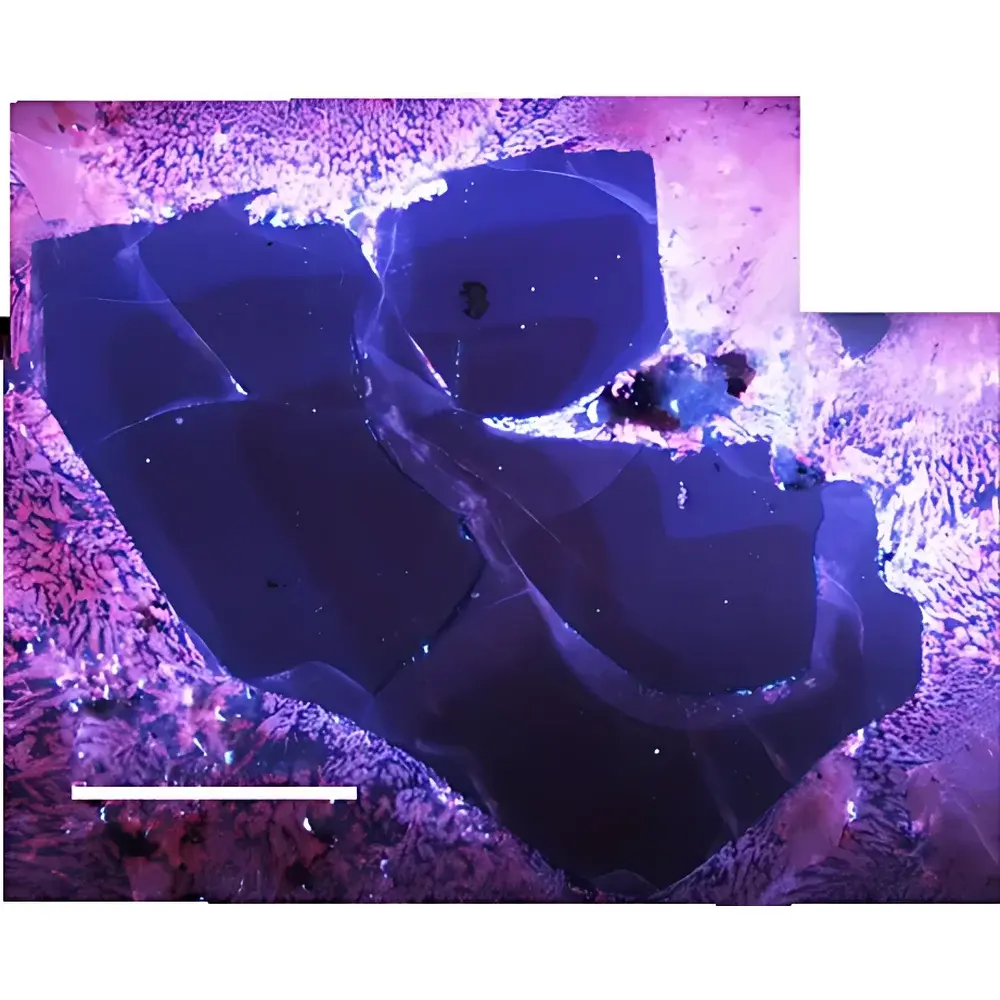
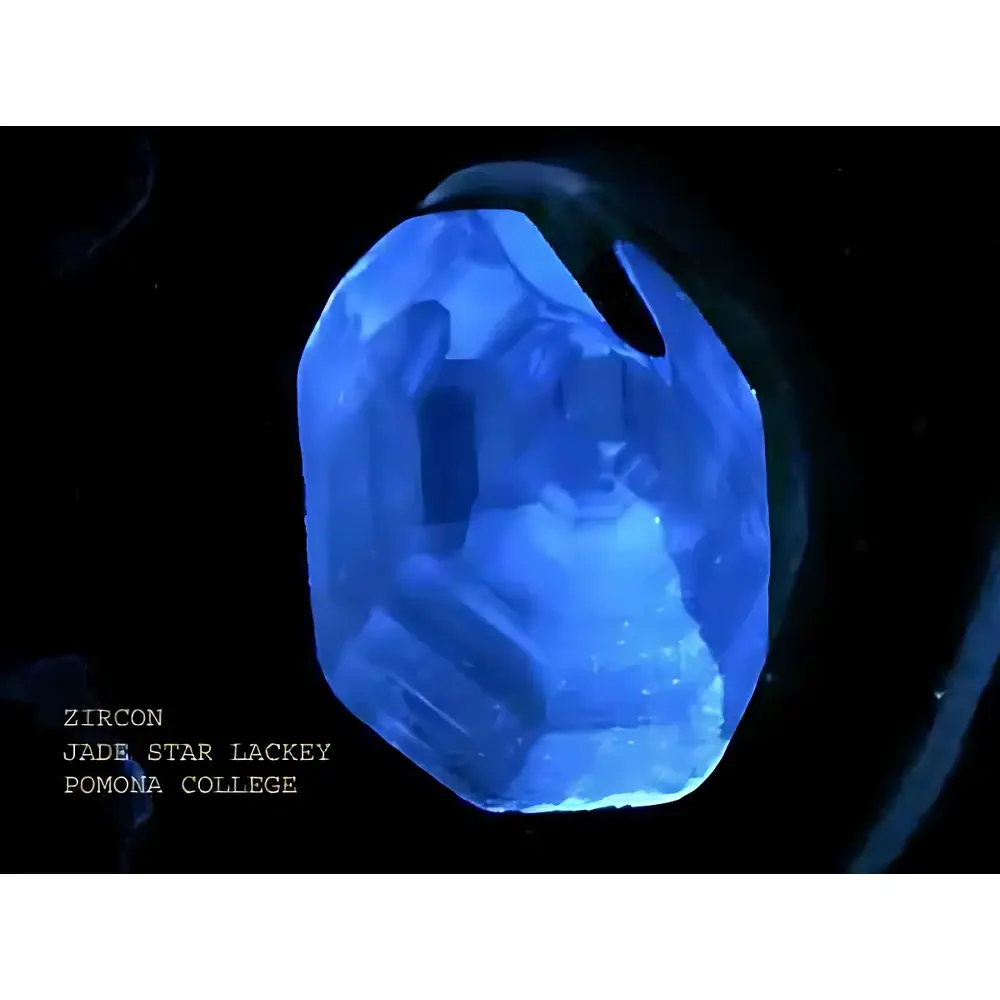
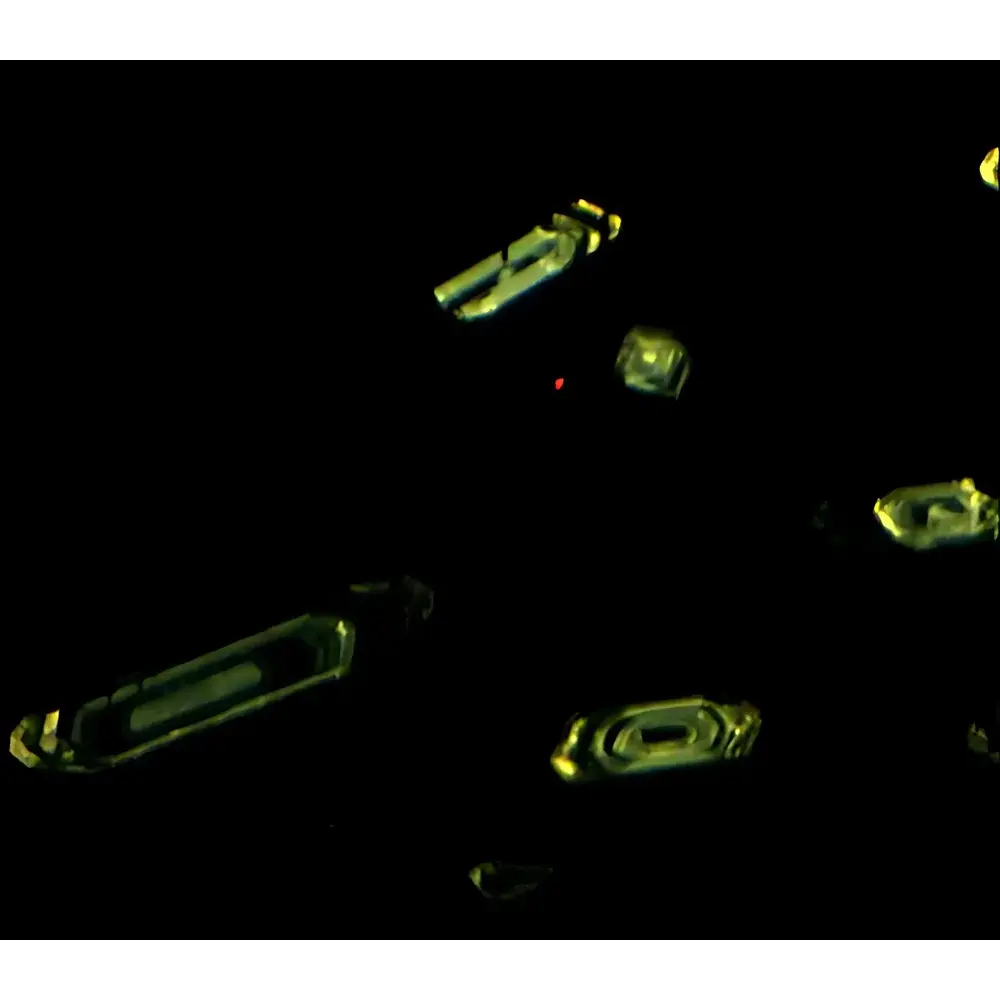
This instrument serves as a core analytical tool across multiple disciplines: In sedimentary petrology, it reveals diagenetic cementation sequences, pore-filling histories, and authigenic quartz/feldspar overgrowths in carbonates and sandstones. In igneous and metamorphic studies, CL differentiates oscillatory zoned zircons, identifies recrystallization domains in feldspars, and visualizes radiation damage halos in apatite. In materials science, it characterizes defect distributions in GaN LEDs, grain boundary luminescence in perovskite solar cells, and dopant segregation in transparent ceramics. Gemologists use CL to distinguish natural vs. synthetic diamonds (via nitrogen aggregation patterns) and identify HPHT treatment in sapphires. Forensic and archaeological applications include provenance analysis of ancient glass tesserae and identification of thermal alteration in burnt bone fragments.
FAQ
Does the RELION VII CL require specialized microscope modifications?
No. The vacuum chamber mounts directly onto standard microscope stages; no optical path alterations, stage drilling, or custom adapters are needed.
Can it be used with both transmitted-light and reflected-light microscopes?
Yes—its dual-window design supports simultaneous CL observation (top viewport) and transmitted-light imaging (bottom viewport), making it ideal for correlative petrographic analysis.
Is vacuum pump maintenance included in the standard service package?
The dual-stage rotary vane pump includes replaceable mist eliminators and oil filters; routine maintenance intervals are specified in the operator manual (typically every 500 hours of cumulative pump runtime).
What is the minimum working distance required between objective lens and vacuum chamber top?
For standard objectives: ≥15 mm. For high-magnification re-entrant window configuration: 5–7 mm, compatible with 50× long-working-distance objectives.
Can the system be upgraded for spectral CL detection?
Yes—the modular architecture supports OEM integration of fiber-coupled spectrometers (200–1100 nm range) and motorized filter wheels via standardized flange interfaces (CF-35 or KF-40).




