Molecular Devices Threshold® Immunoassay System
| Brand | Molecular Devices |
|---|---|
| Origin | USA |
| Manufacturer | Molecular Devices, LLC |
| Product Type | Imported Instrument |
| Model | Threshold® |
| Pricing | Available Upon Request |
Overview
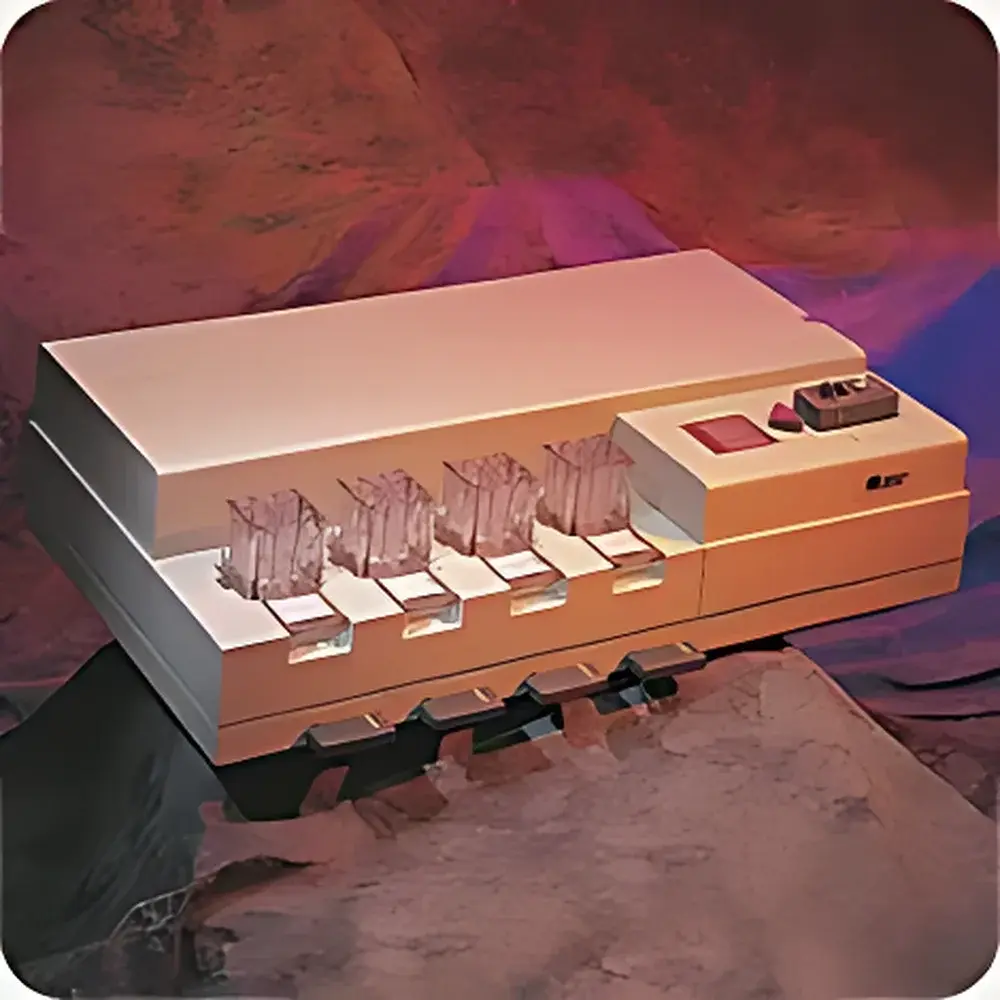
The Molecular Devices Threshold® Immunoassay System is a benchtop, homogeneous, filter-based immunoassay platform engineered for high-sensitivity detection of diverse biomolecules—including proteins, antibodies, nucleic acids, and small molecules—without requiring wash steps or solid-phase immobilization. It operates on the principle of Immuno-Ligand Assay (ILA), leveraging solution-phase binding kinetics to preserve native conformation and full functional activity of antibodies and antigens. Unlike ELISA or radioimmunoassay (RIA), the Threshold system captures antigen–antibody complexes in real time via biotin–streptavidin affinity-driven filtration, followed by enzymatic signal amplification measured using a low-noise silicon photodetector. This architecture enables detection limits at or below those of RIA—and up to 10-fold more sensitive than conventional ELISA—while eliminating radioactive hazards and reducing assay time to under two hours. Designed for biopharmaceutical process development, quality control (QC), and regulatory-compliant testing, the system supports quantitative analysis across a dynamic range spanning ≥2 log units with exceptional reproducibility (CV <8% intra-assay, <12% inter-assay).
Key Features
- Solution-phase immunoassay format ensures maximal molecular interaction fidelity and preserves epitope accessibility and antibody functionality.
- Filter-based capture mechanism utilizes high-affinity biotin–streptavidin binding to concentrate immune complexes prior to enzymatic detection.
- Low-background silicon photodetector enables precise measurement of enzyme turnover rate (e.g., alkaline phosphatase), delivering picogram-level sensitivity (e.g., 2 pg total DNA).
- Flexible assay design supports both sandwich and competitive formats, accommodating analytes ranging from small peptides (<1 kDa) to large viral particles or aggregates.
- Integrated ILA labeling chemistry allows rapid, two-hour antibody conjugation using NHS-ester derivatives (e.g., DNP-biotin), with spectrophotometric verification of labeling efficiency.
- Pre-validated, ready-to-use kits—including Total DNA Detection Kit, ILA Detection Kit, and ILA Labeling Kit—minimize method development time and ensure lot-to-lot consistency.
Sample Compatibility & Compliance
The Threshold® system demonstrates broad compatibility across biologics manufacturing and analytical workflows. It quantifies host cell proteins (HCPs), residual DNA, protein A/G contaminants, therapeutic monoclonal antibodies, cytokines (e.g., interferons, interleukins), hormones (e.g., insulin, growth hormone), viral antigens, and PCR-amplified nucleic acid targets. Applications include upstream process monitoring, downstream purification validation, final product release testing, and stability studies. The platform complies with foundational requirements for regulated environments: assay data integrity aligns with FDA 21 CFR Part 11 when used with Threshold Enterprise Edition software; audit trails, electronic signatures, role-based access control, and user activity logging satisfy GLP and GMP documentation standards. All kits are manufactured under ISO 13485–certified quality systems and support ICH Q5A(R2) and USP guidance for residual DNA quantitation.
Software & Data Management
Threshold Software (v5.x) provides instrument control, real-time data acquisition, and robust curve-fitting capabilities—including five algorithm options (linear, log-log, 4PL, 5PL, and spline interpolation)—to maximize accuracy in unknown sample quantitation. Reports include raw signals, fitted curves, confidence intervals, and summary statistics, exportable as PDF, CSV, or Excel-compatible formats. The optional Threshold Enterprise Edition adds compliance-enabling features: password-protected user accounts with unique IDs; granular permission settings for critical functions (e.g., calibration, report generation); immutable audit trail recording all logins, data modifications, and report exports; and electronic signature capability compliant with 21 CFR Part 11 Subpart C. A complete validation package—including IQ/OQ documentation, security risk assessment, and traceable test protocols—is available (Order #0200-6064).
Applications
- Residual DNA quantitation in recombinant therapeutics (e.g., EPO, Factor VIII, mAbs, vaccines) per ICH Q5A and USP .
- Host cell protein (HCP) monitoring throughout purification process development and column elution profiling.
- Antibody titer and potency assessment during cell culture harvest and formulation stability studies.
- Detection of adventitious agents and process-related impurities including Protein A, Protein G, and endotoxin-associated ligands.
- Rapid screening of peptide–receptor interactions and small-molecule inhibitor binding kinetics.
- Quantitative analysis of nucleic acid contaminants in viral vector preparations and mRNA-LNP formulations.
FAQ
What detection principle does the Threshold system use?
It employs homogeneous immuno-ligand assay (ILA) technology based on solution-phase binding, biotin–streptavidin–mediated filtration, and enzymatic signal amplification detected via silicon photometry.
Can the system be used for both protein and nucleic acid detection?
Yes—dedicated kits exist for total DNA, sequence-specific DNA (via hybridization-coupled ILA), proteins, HCPs, antibodies, and small molecules, all within the same platform.
Is the Threshold system compliant with FDA 21 CFR Part 11?
Full compliance is achieved only when using Threshold Enterprise Edition software with enabled audit trail, electronic signatures, and validated administrator controls.
How long does assay development typically take?
With ILA Labeling Kit (R9002), users can label and validate new antibodies in under 48 hours; established protocols require ≤2 hours per run.
What maintenance is required for the instrument?
The system uses disposable, cleanable read-head/electrode cartridges (2 included per order); routine calibration is performed monthly using supplied standards, with no consumable service contracts required.