NILT CN1 Desktop Nanoimprint Lithography System
| Brand | NILT |
|---|---|
| Origin | Denmark |
| Manufacturer Type | Authorized Distributor |
| Origin Category | Imported |
| Model | CN1 |
| Price Range | USD 7,000 – 14,000 (FOB Copenhagen) |
| Minimum Feature Size | 20 nm |
| Thermal Imprint Temperature | 200 °C (upgradable to 240 °C) |
| UV Wavelength | 365 nm |
| Pressure Range | 0.3–11 bar |
| Vacuum Level | down to 0.1 mbar |
| Substrate/Template Max Diameter | 100 mm (4-inch), upgradable to 200 mm (8-inch) |
| Control | Fully computer-programmed, GUI-driven operation |
Overview
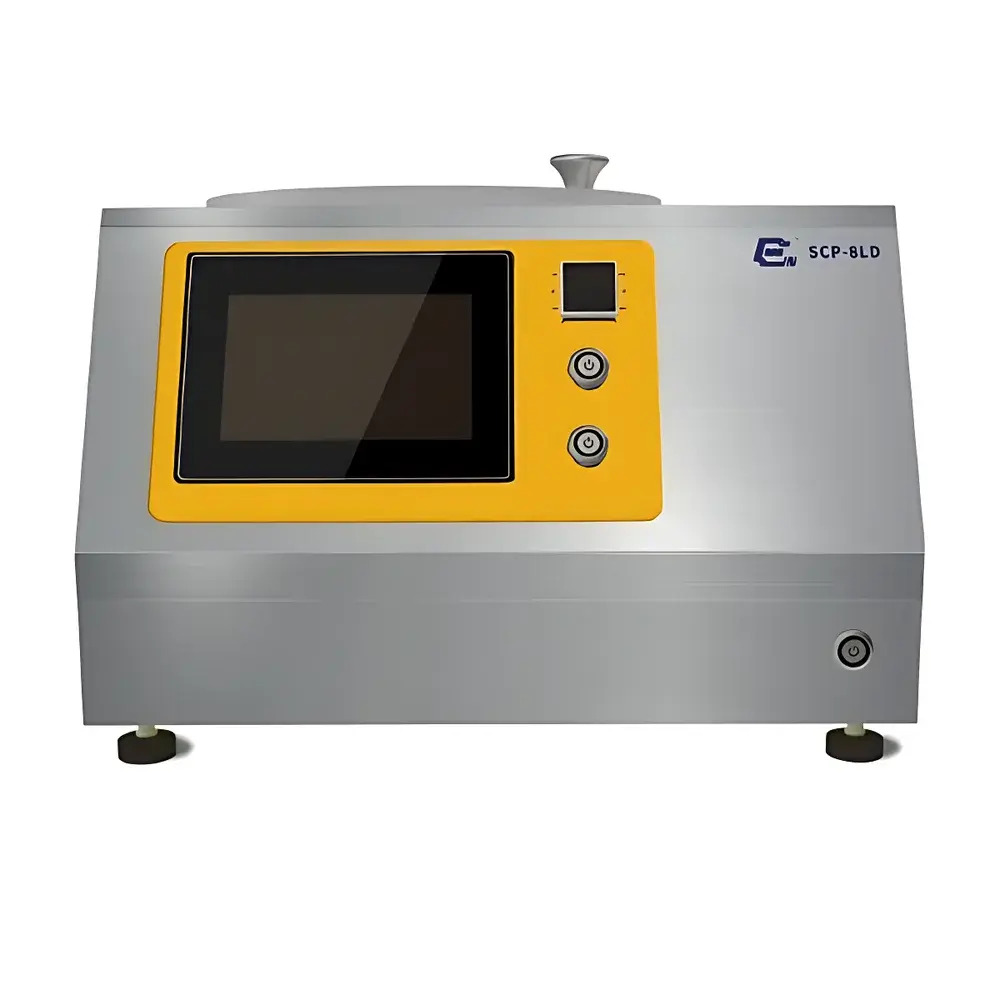
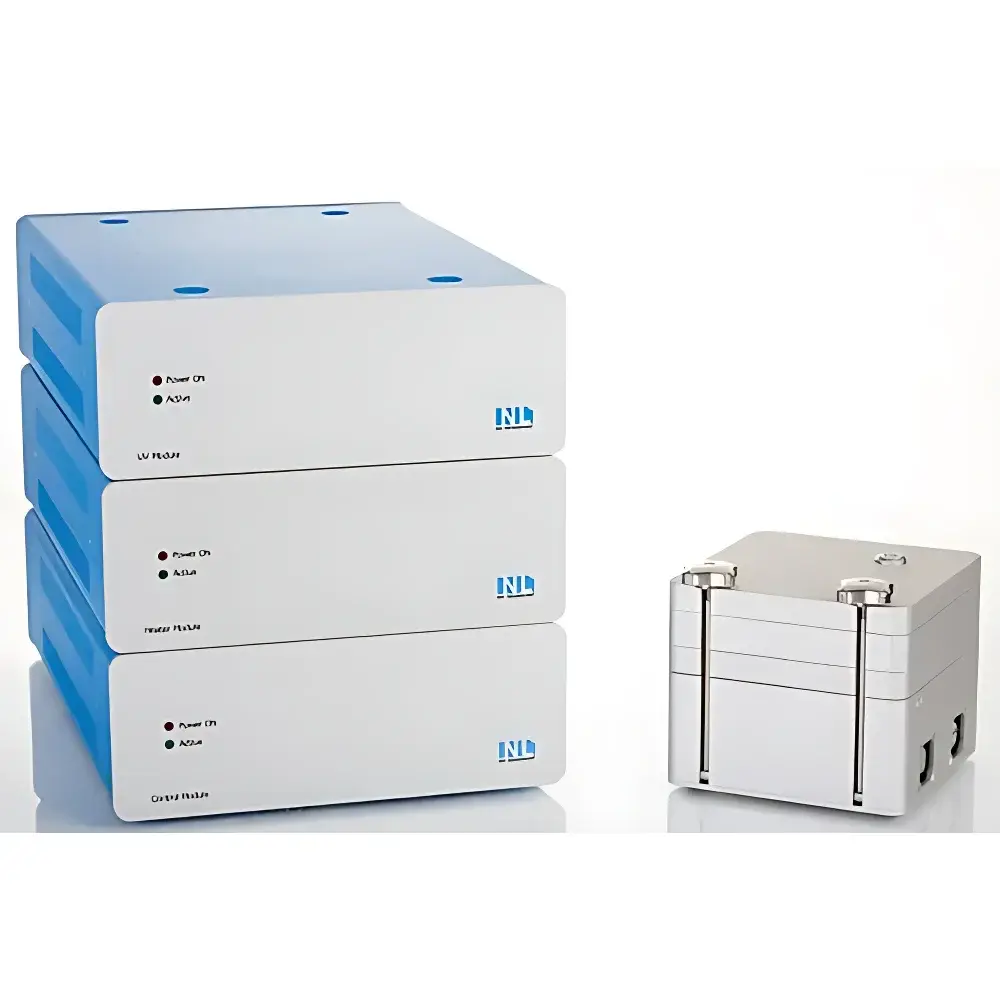
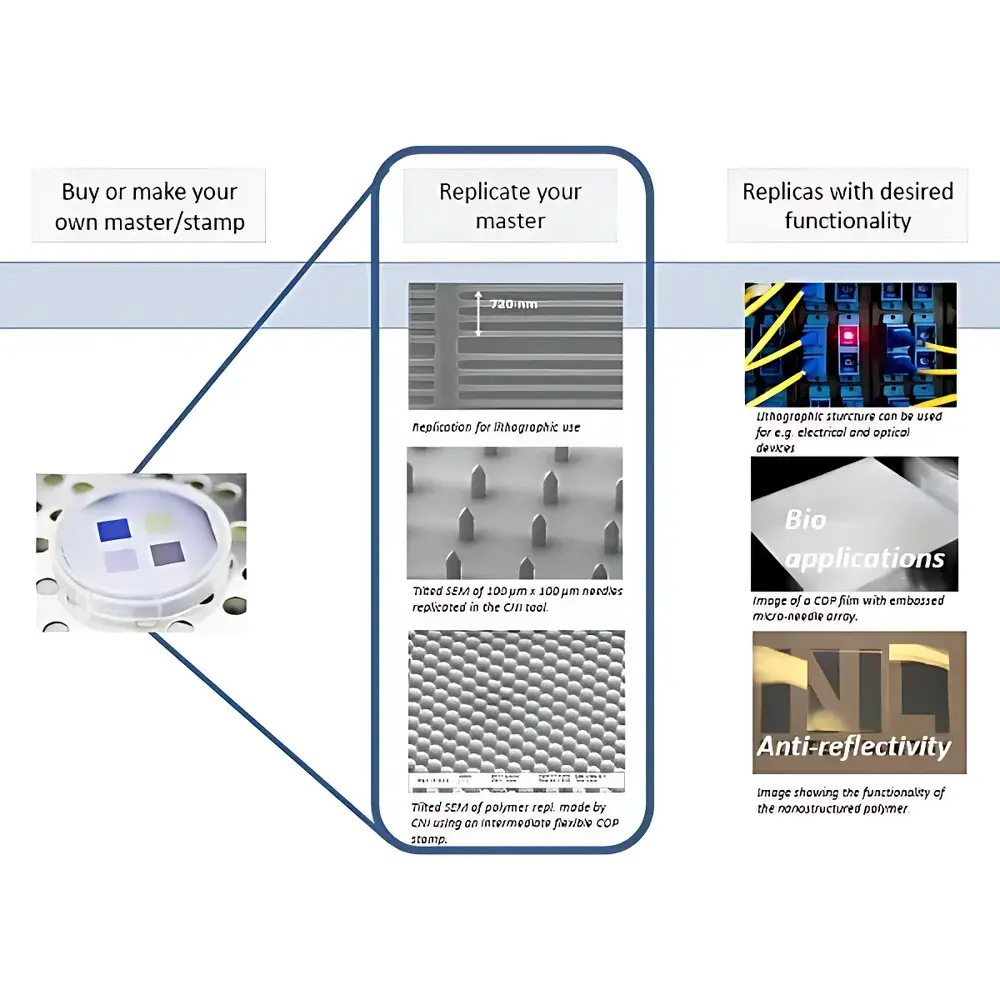
The NILT CN1 Desktop Nanoimprint Lithography System is a compact, research-grade thermal and ultraviolet (UV) nanoimprint lithography platform engineered for high-fidelity replication of nanoscale topographies from master templates onto thermoplastic or UV-curable resist layers. Operating on the principle of mechanical pattern transfer—where physical deformation (thermal imprint) or photo-polymerization (UV-NIL) is induced under controlled pressure, temperature, and vacuum—the CN1 delivers sub-20 nm feature resolution with high reproducibility across diverse substrate materials including silicon, glass, quartz, and flexible polymer films. Designed explicitly for university labs, R&D centers, and semiconductor process development groups, the system eliminates the need for cleanroom-integrated infrastructure while maintaining compatibility with standard microfabrication workflows. Its modular architecture supports both conventional hot embossing and UV-assisted imprinting in a single footprint, enabling rapid prototyping of photonic crystals, metasurfaces, diffractive optical elements, and nanotextured anti-reflective coatings.
Key Features
- Desktop-scale integration: Occupies <0.5 m² floor space; no external chiller or vacuum pump required—integrated vacuum generation and thermal control subsystems included.
- Dual-mode imprint capability: Switch between thermal nanoimprint (T-NIL) and UV nanoimprint lithography (UV-NIL) via interchangeable module mounting without hardware reconfiguration.
- Precision thermal management: Ceramic template holder with embedded PID-controlled heating elements ensures uniform temperature distribution ±1.5 °C across 100 mm substrates; maximum operational temperature 200 °C (field-upgradable to 240 °C).
- UV-NIL optical subsystem: High-stability 365 nm LED array delivering uniform irradiance >20 mW/cm² at substrate plane; spectral bandwidth <10 nm FWHM; shutter-integrated for precise exposure timing.
- Programmable mechanical actuation: Electro-mechanical press with closed-loop force feedback enables repeatable pressure application from 0.3 to 11 bar; real-time pressure monitoring with 0.05 bar resolution.
- Integrated vacuum chamber: Chamber evacuation to ≤0.1 mbar prior to imprint ensures bubble-free resist filling and complete template-substrate contact.
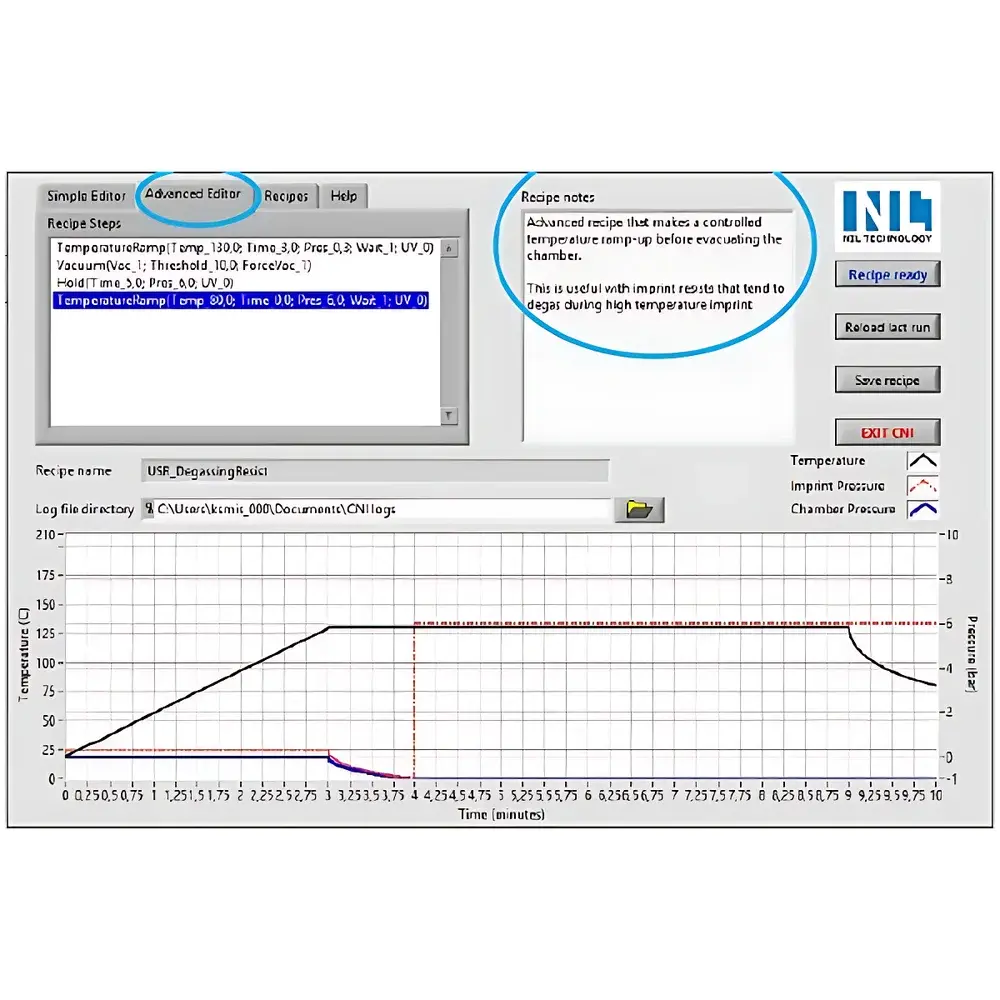
- Full automation: All process parameters—including temperature ramp rate, dwell time, pressure profile, UV dose, and vacuum sequence—are defined and executed via intuitive graphical user interface (GUI); recipe storage and versioning supported.
Sample Compatibility & Compliance
The CN1 accommodates rigid and semi-rigid substrates up to 100 mm in diameter (4-inch wafers), with optional upgrade kits supporting 200 mm (8-inch) formats. Compatible template materials include silicon, fused silica, nickel electroforms, and quartz; both rigid and flexible stamps (e.g., PDMS) may be used depending on imprint mode. The system meets essential safety and electromagnetic compatibility requirements per EU directives (CE marking), including EN 61000-6-3 (EMI emission) and EN 61000-6-2 (immunity). While not certified for ISO Class 5 cleanroom operation, its sealed chamber design minimizes particle generation, and all internal surfaces are non-outgassing and compatible with Class 1000 (ISO 6) ambient environments. Process documentation aligns with GLP principles; audit trails, parameter logging, and electronic signature support are available via optional software modules compliant with FDA 21 CFR Part 11.
Software & Data Management
The CN1 is operated through NILT’s proprietary ImprintStudio™ control software, built on a deterministic real-time kernel for sub-second process event synchronization. Each imprint run generates timestamped logs containing full parameter history (temperature vs. time, pressure vs. time, UV intensity trace, vacuum decay curve), image-captured alignment verification frames (via integrated USB microscope), and final recipe metadata. Data export conforms to ASTM E1998-22 (Standard Practice for Data Exchange in Microfabrication) and supports CSV, HDF5, and XML formats. Remote monitoring and diagnostics are enabled via secure TLS-encrypted Ethernet connection; local network deployment allows centralized fleet management across multi-system installations. Optional add-ons include statistical process control (SPC) dashboards and integration with MES platforms via RESTful API.
Applications
- Nanophotonics: Fabrication of plasmonic arrays, subwavelength grating couplers, and polarization-selective metasurfaces.
- Semiconductor packaging: Direct patterning of redistribution layers (RDLs) and embedded passives on fan-out wafer-level packages (FOWLP).
- Bio-MEMS: Replication of microfluidic channel networks, cell-adhesion topographies, and surface-enhanced Raman scattering (SERS) substrates.
- Optical components: Mass-producible anti-reflective moth-eye structures, broadband AR coatings, and microlens arrays for CMOS image sensors.
- Materials science: Template-directed self-assembly (TDSA) seeding, block copolymer confinement studies, and nanostructured battery electrode patterning.
FAQ
What is the smallest resolvable feature size achievable with the CN1 system?
The CN1 consistently replicates features down to 20 nm half-pitch under optimized thermal imprint conditions using high-aspect-ratio silicon templates and low-viscosity thermoplastic resists.
Can the system handle non-planar or curved substrates?
Standard configuration supports only flat, rigid substrates; conformal imprinting on curved surfaces requires custom tooling and is not supported out-of-the-box.
Is process validation data provided with the system?
Yes—each unit ships with NIST-traceable calibration reports for temperature, pressure, and UV irradiance sensors, along with a system qualification protocol (SQP) document aligned with ISO/IEC 17025 guidelines.
How is template alignment performed?
The CN1 includes a motorized XYZ stage with 0.5 µm repeatability and an integrated 10× USB microscope; manual or semi-automated alignment is supported via crosshair overlay and digital image correlation.
What maintenance intervals are recommended?
Vacuum pump oil replacement every 6 months; ceramic heater calibration verification annually; O-ring inspection and replacement every 12 months or after 500 imprint cycles—whichever occurs first.