
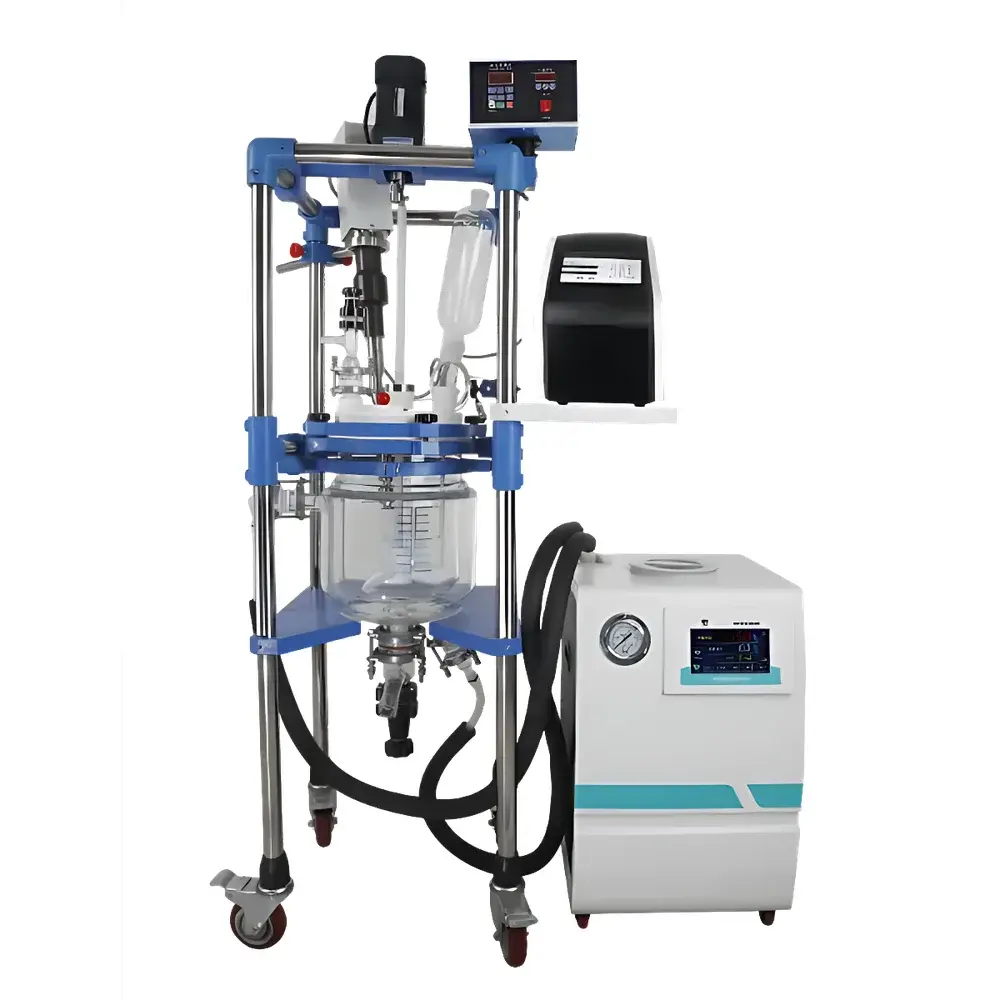
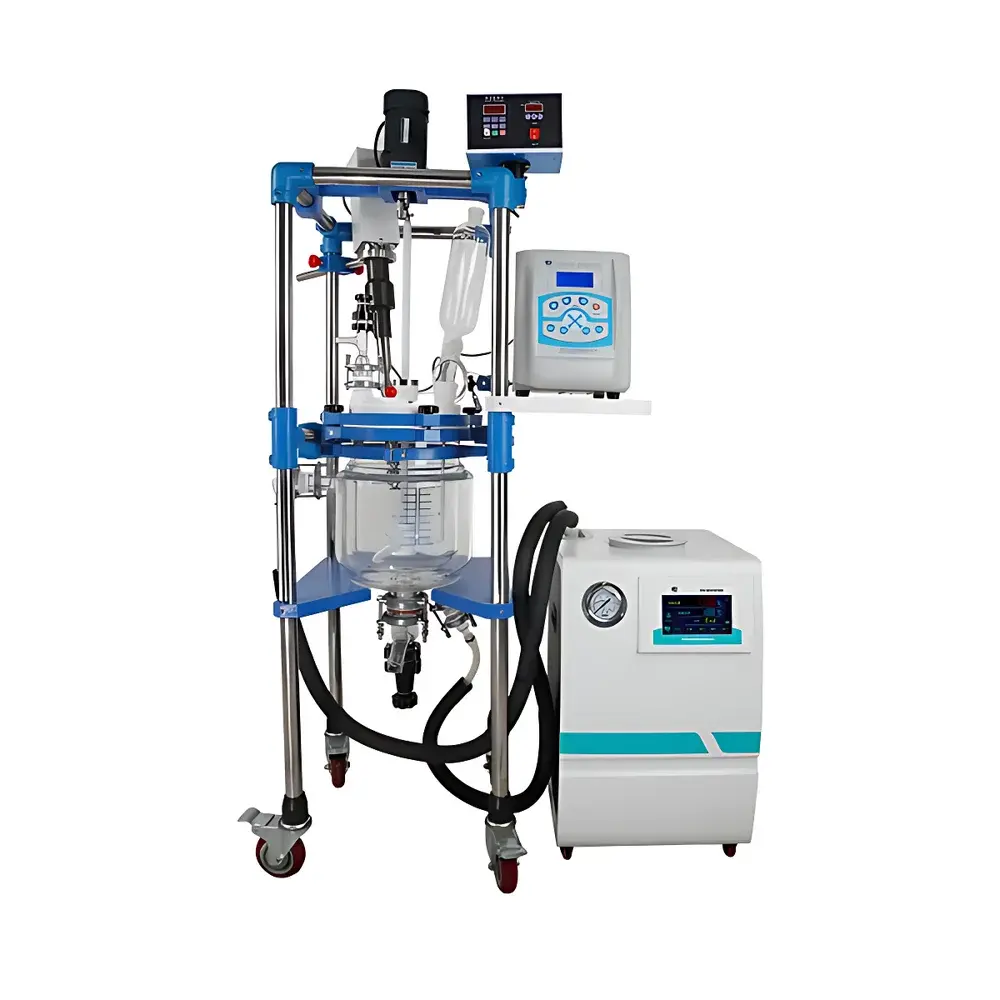
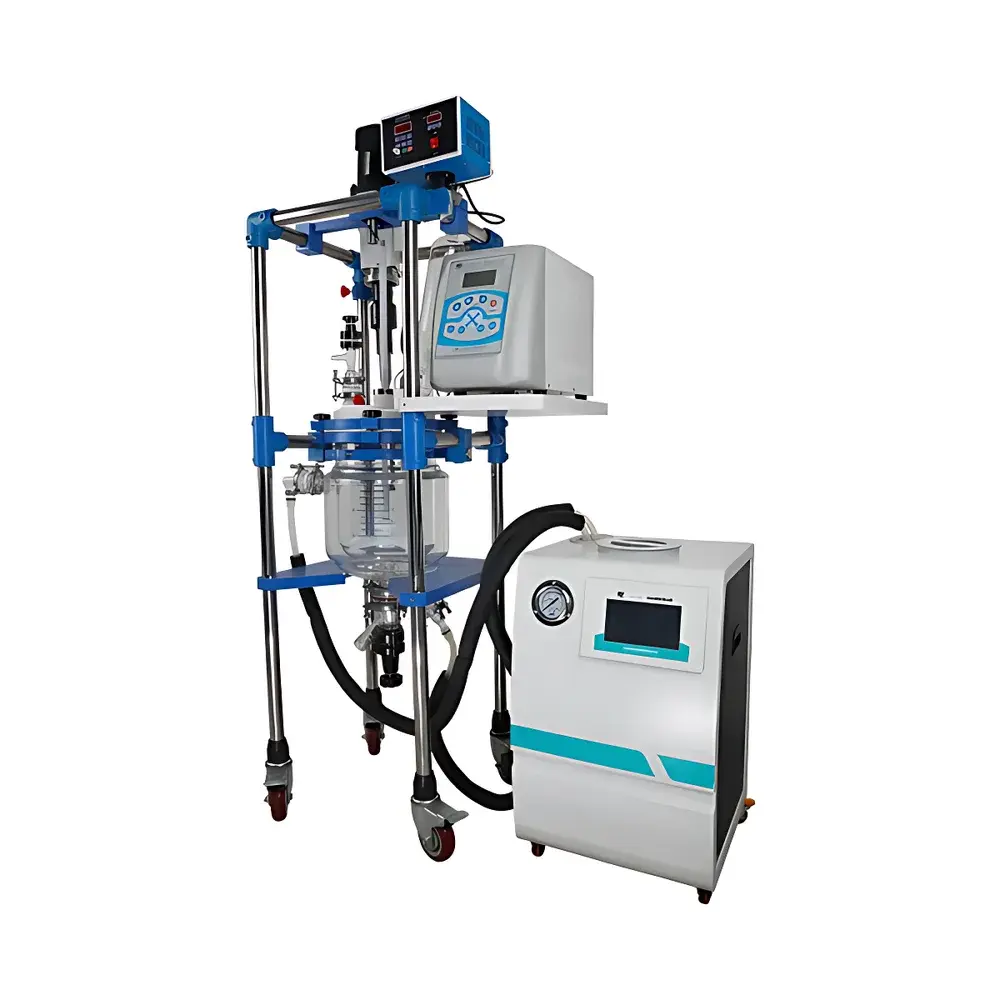
Ningbo Scientz SCIENTZ-15T Ultrasonic Extractor
| Brand | Ningbo Scientz |
|---|---|
| Origin | Zhejiang, China |
| Manufacturer Type | Direct Manufacturer |
| Product Origin | Domestic (China) |
| Model | SCIENTZ-15T |
| Ultrasonic Power Range | 200–1500 W |
| Ultrasonic Frequency Range | 20–25 kHz |
| Maximum Heating Power | 1200 W |
| Temperature Control Range | −5 °C to ambient |
| Tank Capacity | 15 L |
Overview
The Ningbo Scientz SCIENTZ-15T Ultrasonic Extractor is an integrated benchtop system engineered for controlled, reproducible solid–liquid extraction under sonication-assisted conditions. It operates on the physical principle of acoustic cavitation—where high-intensity ultrasonic waves (20–25 kHz) generate transient microbubbles in liquid media that collapse violently, producing localized shockwaves, microstreaming, and shear forces. These phenomena disrupt cellular matrices, enhance mass transfer across phase boundaries, and accelerate solvent penetration into plant tissues, microbial cells, or polymeric matrices. Unlike standalone ultrasonic cleaners or probe-based homogenizers, the SCIENTZ-15T integrates a double-jacketed glass reactor (15 L capacity), a programmable ultrasonic generator, and a Peltier-assisted temperature-regulated circulation bath—enabling simultaneous control of sonication intensity, thermal environment (−5 °C to ambient), and mechanical agitation. This architecture supports scalable process development from early-stage lab screening to pilot-scale optimization, particularly where thermal sensitivity, particle size reduction, or solvent efficiency are critical constraints.
Key Features
- Integrated tri-module design: ultrasonic transducer array + double-walled borosilicate glass reactor + intelligent refrigerated/heating circulator
- Adjustable ultrasonic output (200–1500 W) with frequency stabilization at 20–25 kHz to maintain consistent cavitation threshold across varying load conditions
- Precise temperature regulation via dual-mode Peltier module (cooling down to −5 °C; heating up to ambient), with real-time Pt100 sensor feedback and ±0.3 °C stability
- Programmable operation: independent setting of sonication duration (1 s–99 h 59 min), power level (% or W), stirring speed (0–300 rpm), and temperature setpoint
- Overheat, overcurrent, and dry-run protection circuits compliant with IEC 61010-1 safety standards for laboratory equipment
- Corrosion-resistant stainless-steel housing and IP20-rated electrical enclosure suitable for non-hazardous laboratory environments
Sample Compatibility & Compliance
The SCIENTZ-15T accommodates heterogeneous samples including botanical powders, fungal mycelia, animal tissue homogenates, and synthetic polymers suspended in aqueous or organic solvents (e.g., ethanol, methanol, ethyl acetate). Its glass reactor permits visual monitoring and compatibility with pH-sensitive or light-labile compounds. The system supports method development aligned with pharmacopoeial guidelines—including USP (Dissolution of Extended-Release Dosage Forms) and Chinese Pharmacopoeia (ChP) Volume IV, Section 0701 (Ultrasonic Extraction Procedures). While not certified for GMP production, its programmable parameters, digital audit trail (via optional RS485/USB logging), and hardware interlocks facilitate GLP-compliant documentation when used in regulated research settings.
Software & Data Management
The embedded microcontroller enables local parameter storage (up to 100 user-defined protocols) with timestamped execution logs. Optional PC connectivity via USB or RS485 allows export of time-series data (temperature, power, duration) in CSV format for traceability and statistical process analysis. Firmware supports firmware-upgradable logic for future protocol extensions—such as ramped-power sonication or multi-step temperature–sonication cycles. All operational events (start/stop, fault triggers, setpoint changes) are logged with ISO 8601 timestamps, satisfying basic requirements for 21 CFR Part 11–aligned recordkeeping when paired with validated third-party data acquisition software.
Applications
- Phytochemical isolation: accelerated extraction of flavonoids, alkaloids, and polysaccharides from dried herbs without thermal degradation
- Vaccine adjuvant preparation: dispersion of aluminum hydroxide gels and antigenic protein aggregates in buffer systems
- Nanocarrier synthesis: ultrasound-mediated nanoprecipitation of PLGA or chitosan nanoparticles for drug delivery
- Food matrix modification: enzymatic inactivation in fruit juices and accelerated aging of wine via controlled free-radical generation
- Environmental sample processing: leaching of heavy metals from soil/sediment using chelating agents under low-temperature sonication
- Materials science: exfoliation of graphene oxide dispersions and functionalization of carbon nanotubes in surfactant solutions
FAQ
What is the maximum allowable solvent volume for safe operation?
The 15 L reactor is rated for continuous operation at 12–14 L working volume to ensure adequate headspace for cavitation bubble expansion and prevent overflow during vigorous emulsification.
Can the system operate without active cooling?
Yes—the temperature controller defaults to ambient mode; however, prolonged high-power sonication (>1000 W) may elevate bulk temperature by 5–8 °C above ambient without cooling activation.
Is the ultrasonic frequency tunable within the 20–25 kHz range?
No—the transducer operates at fixed resonant frequencies selected during manufacturing; frequency selection is hardware-determined, not software-adjustable.
Does the system support external trigger inputs for synchronized instrumentation?
Not natively; however, the RS485 interface can be configured for Modbus RTU command polling, enabling coordination with peristaltic pumps or pH meters via custom scripting.
What maintenance is required for long-term reliability?
Quarterly inspection of transducer coupling gel integrity, annual calibration of the Pt100 temperature sensor against NIST-traceable reference, and biannual cleaning of the reactor jacket with deionized water to prevent mineral buildup.



