
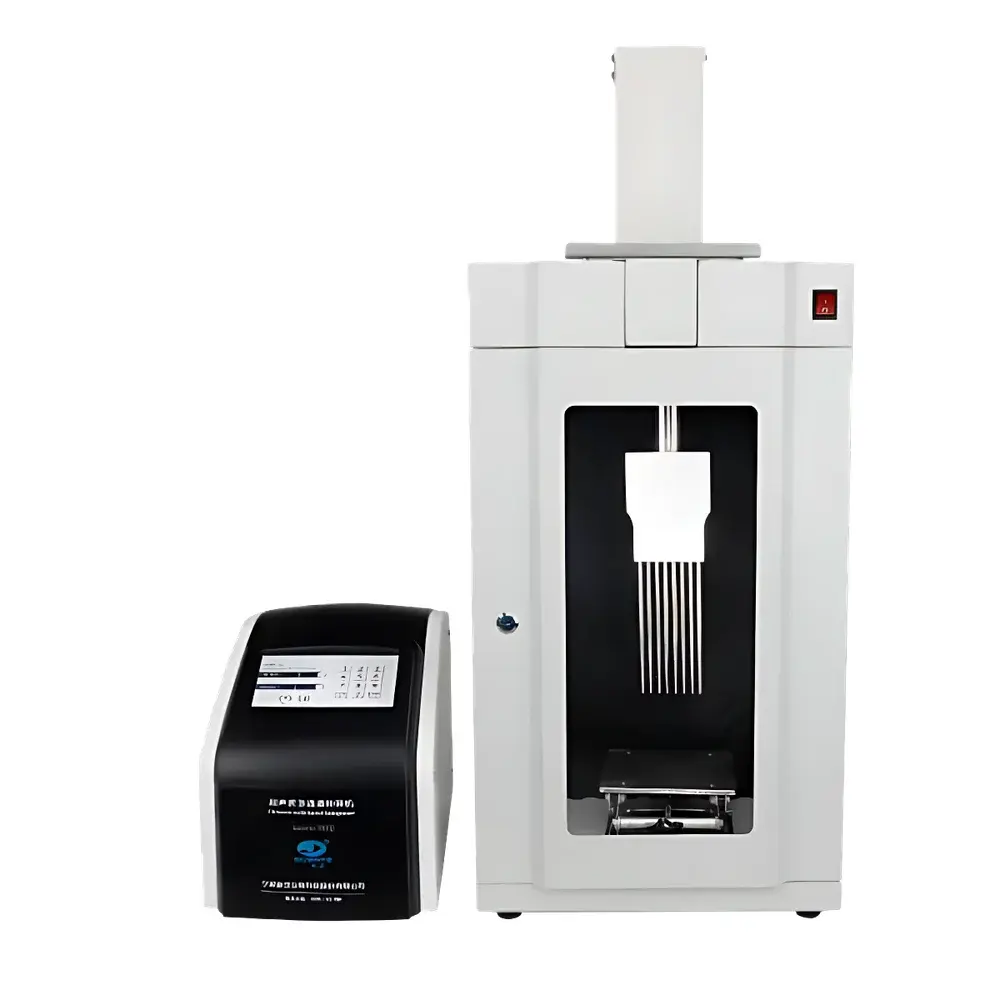
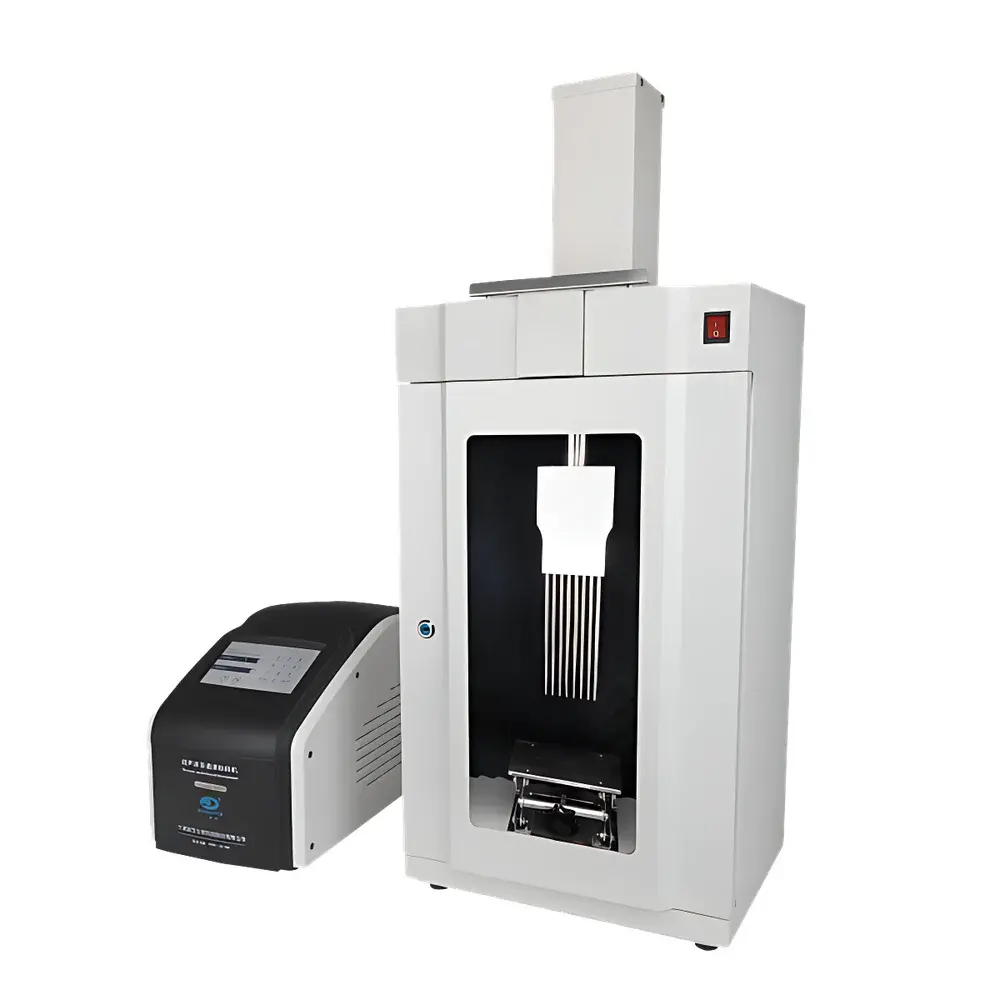
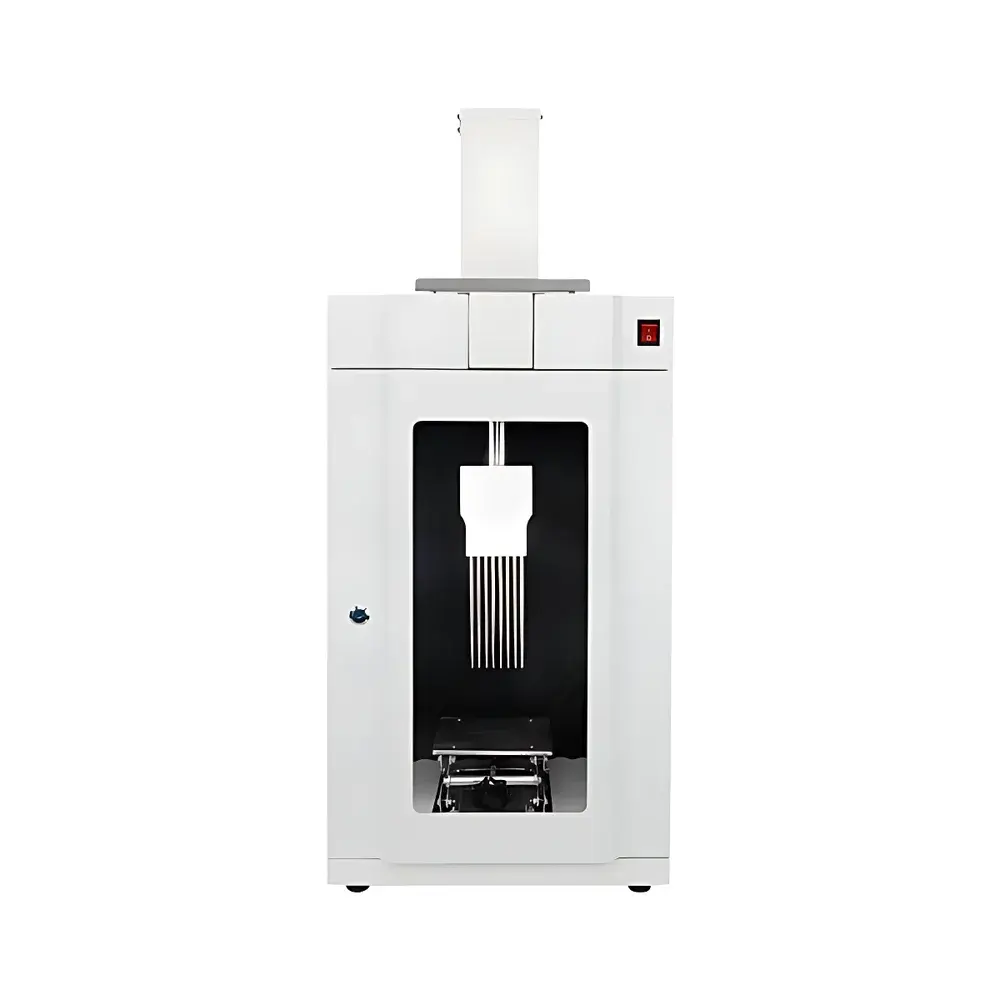
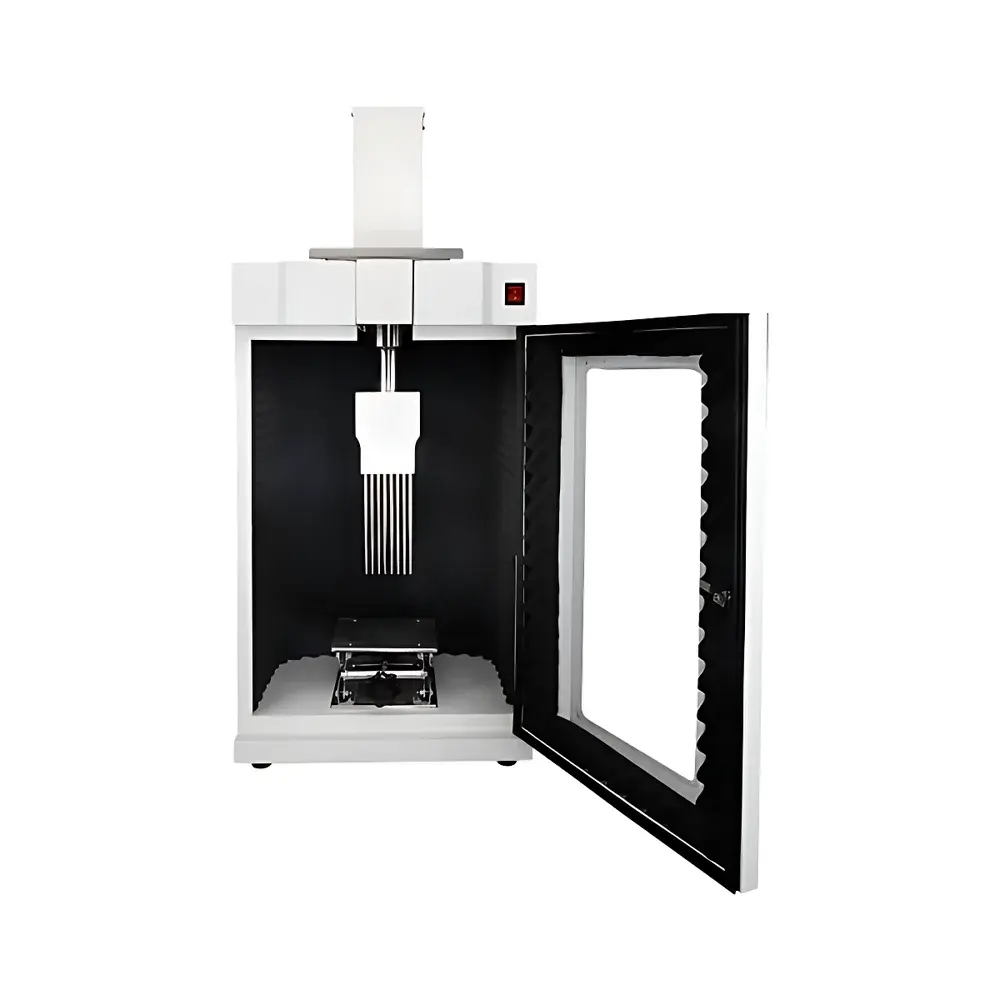
Ningbo Scientz SCIENTZ-4TD Multi-Channel Ultrasonic Cell Disruptor
| Brand | Ningbo Scientz |
|---|---|
| Origin | Zhejiang, China |
| Manufacturer Type | Direct Manufacturer |
| Instrument Type | Ultrasonic Cell Disruptor |
| Model | SCIENTZ-4TD |
| Operating Frequency | 20 kHz ± 0.5 kHz |
| Ultrasonic Output Power | 2400 W |
| Sample Volume per Channel | 1–20 mL |
| Number of Simultaneous Samples | 4 |
| Cooling Method | Integrated Temperature-Controlled Jacket (External Circulator Required) |
| Pulse Mode | Adjustable Continuous or Intermittent (Duty Cycle Programmable) |
| Control Interface | Touchscreen with Onboard Memory for Up to 20 User-Defined Protocols |
| Safety Features | Real-time Overtemperature & Overload Detection, Auto-Shutdown, Fault Diagnostics |
Overview
The Ningbo Scientz SCIENTZ-4TD Multi-Channel Ultrasonic Cell Disruptor is an engineered platform for high-throughput, reproducible lysis of biological cells and subcellular structures via controlled acoustic cavitation. It operates on the physical principle of ultrasonic energy transmission—where a piezoelectric transducer converts electrical input into mechanical vibrations at a nominal frequency of 20 kHz ± 0.5 kHz. These vibrations are amplified through a titanium alloy horn assembly and delivered into liquid samples via four independent, synchronized probes. The resulting pressure differentials induce transient microcavitation: rapid formation and asymmetric collapse of vapor-filled voids generate localized shockwaves (>1000 atm), intense microstreaming, and shear gradients sufficient to disrupt membranes, organelles, and macromolecular complexes without significant thermal denaturation when properly cooled. Designed for parallel processing, the SCIENTZ-4TD eliminates inter-sample variability inherent in sequential single-probe systems—critical for applications demanding statistical rigor, such as chromatin immunoprecipitation (ChIP), RNA-seq library preparation, and comparative proteomics.
Key Features
- Four-channel synchronous ultrasonic delivery ensures identical acoustic exposure across all samples—eliminating positional bias and enhancing inter-run reproducibility.
- 2400 W total output power distributed across four channels (600 W nominal per probe), enabling rapid lysis of resilient microbial cells (e.g., E. coli, yeast, spores) and fibrous plant tissues.
- Programmable pulse mode (continuous or duty-cycle modulated) allows precise control over energy deposition—minimizing sample heating while maintaining disruption efficiency.
- Integrated real-time diagnostics monitor transducer impedance, temperature at the horn base, and current draw; automatic fault logging supports GLP-compliant instrument qualification.
- Touchscreen interface with non-volatile memory stores up to 20 user-defined protocols—including amplitude (% of max power), duration, pulse interval, and cooling activation status.
- Modular probe design accommodates standard 3–6 mm diameter titanium horns; all wetted parts comply with ISO 8573-1 Class 3 for particulate and hydrocarbon purity in lab environments.
Sample Compatibility & Compliance
The SCIENTZ-4TD accommodates aqueous suspensions of prokaryotic and eukaryotic cells, viruses, subcellular fractions, and synthetic nanomaterial dispersions (e.g., carbon nanotubes, metal oxides). Its 1–20 mL per-channel volume range supports both low-volume precision work (e.g., nuclear extract preparation) and mid-scale extraction (e.g., bacterial pellet resuspension). For regulated workflows, the system supports audit-trail-capable operation when paired with external temperature-controlled recirculators meeting ASTM E2912 standards for bath stability. While not pre-certified for FDA 21 CFR Part 11, its protocol-based operation and diagnostic logging align with GMP-aligned validation frameworks for QC laboratories performing raw material testing or bioprocess intermediate analysis.
Software & Data Management
No proprietary PC software is required for basic operation; all parameters are configured locally via the embedded controller. However, optional RS-232/USB interfaces enable integration with laboratory information management systems (LIMS) for automated run logging. Timestamped protocol execution records—including actual power output, cumulative operating time, and thermal alerts—are exportable as CSV files for traceability. Firmware updates follow IEC 62304 Class B software lifecycle requirements, with version history and change logs maintained in the device’s internal registry.
Applications
- High-throughput mechanical shearing of genomic DNA for ChIP-seq and ATAC-seq sample prep (non-contact mode compatible with microtiter plate adapters).
- Lysis of Gram-positive bacteria and fungal cells prior to protein extraction or metabolite profiling.
- Dispersion stabilization of nanomaterials in aqueous media for toxicology or catalytic studies.
- Accelerated solvent extraction of phytochemicals from botanical matrices under controlled thermal conditions.
- Emulsification of lipid-based pharmaceutical formulations requiring narrow polydispersity.
- Soil and sediment homogenization for metagenomic DNA isolation—reducing bias from differential cell wall resistance.
FAQ
What cooling method is required to maintain sample integrity during extended runs?
A circulating chiller (recommended setpoint: 4–10 °C) must be connected to the jacketed probe housing. Internal temperature sensors trigger automatic power reduction if horn base temperature exceeds 65 °C.
Can the SCIENTZ-4TD be validated for GMP environments?
Yes—its deterministic protocol execution, hardware-level fault detection, and exportable operational logs support IQ/OQ/PQ documentation per ISO/IEC 17025 and Annex 11 guidelines.
Is probe calibration traceable to national standards?
Transducer output power is verified using NIST-traceable calorimetric methods during factory acceptance testing; calibration certificates are supplied with each unit.
How does multi-channel synchronization prevent cross-contamination?
Each probe operates independently with sealed acoustic coupling; no fluid pathway connects channels—physical separation complies with CLSI EP12-A2 recommendations for parallel sample processing.
What maintenance intervals are recommended for sustained performance?
Horn tip inspection every 200 hours of cumulative use; replacement advised if pitting or diameter reduction >5% is observed under 10× magnification.
Related Products




