
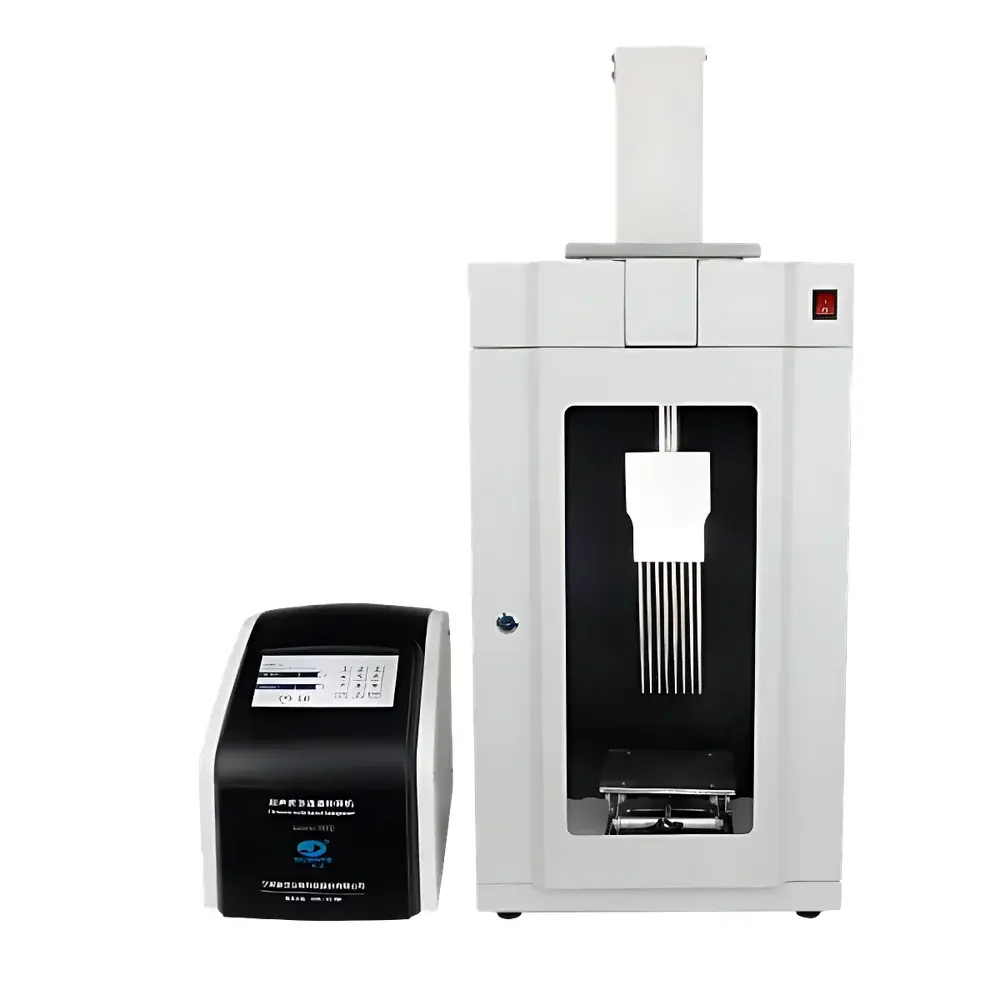
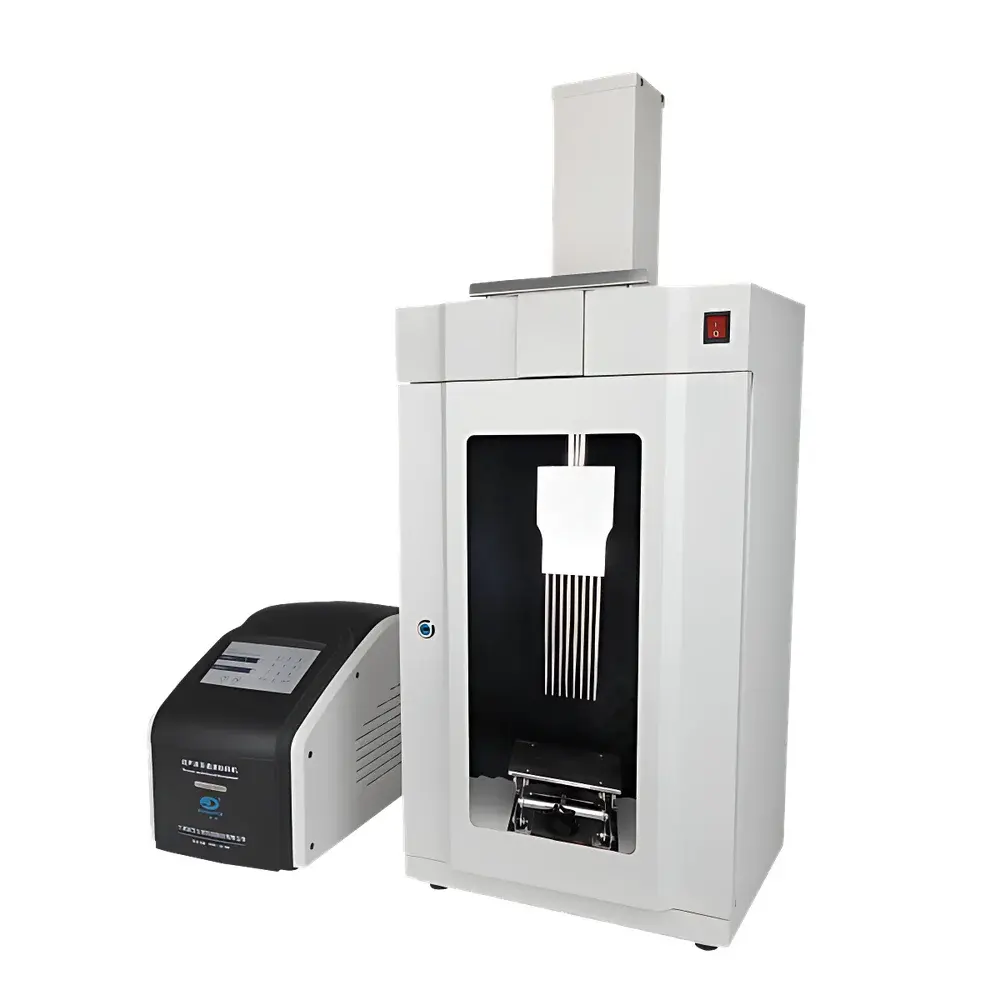
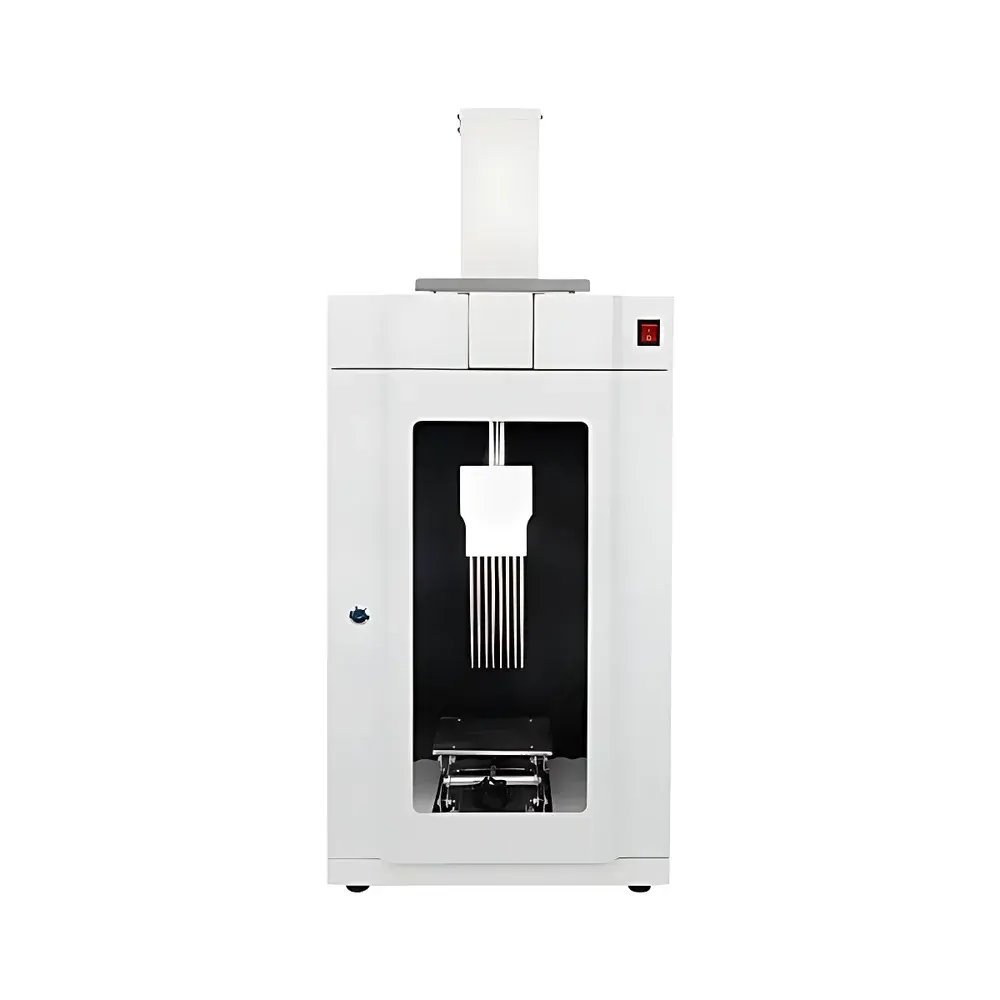
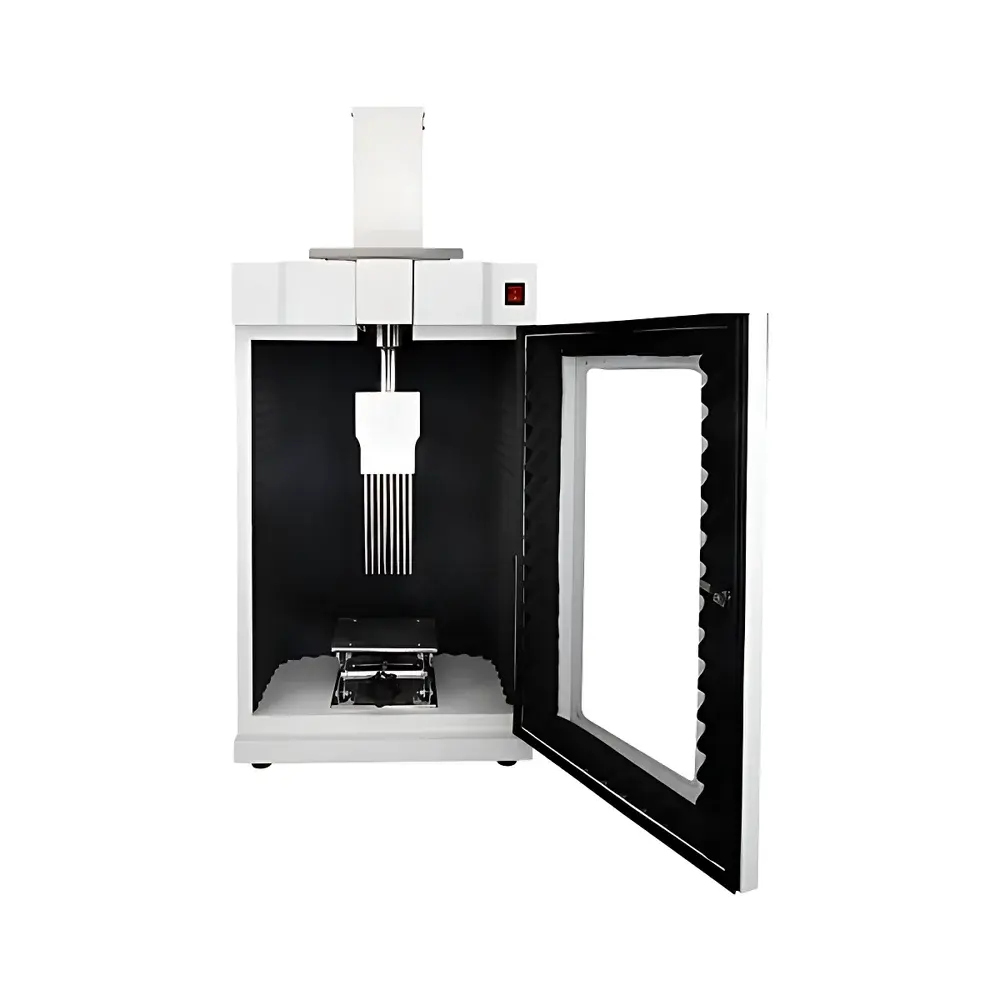
Ningbo Scientz SCIENTZ-8TD Multi-Channel Ultrasonic Cell Disruptor
| Brand | Ningbo Scientz |
|---|---|
| Origin | Zhejiang, China |
| Manufacturer Type | Direct Manufacturer |
| Instrument Type | Ultrasonic Cell Disruptor |
| Model | SCIENTZ-8TD |
| Operating Frequency | 20 kHz ± 0.5 kHz |
| Ultrasonic Output Power | 2400 W |
| Sample Volume per Tube | 1–20 mL |
| Parallel Channels | 8 |
| Cooling Mode | Integrated Temperature-Controlled Jacket (External Circulator Required) |
| Control Interface | Touchscreen with Programmable Protocol Storage (20 Presets) |
| Pulse Mode | Adjustable Duty Cycle (Continuous / Intermittent) |
| Safety Features | Overtemperature & Overload Protection, Real-Time System Diagnostics |
| Compliance | Designed to Support GLP/GMP-Compliant Workflows (Audit Trail Ready via Optional Software) |
Overview
The Ningbo Scientz SCIENTZ-8TD Multi-Channel Ultrasonic Cell Disruptor is an engineered platform for high-throughput, reproducible lysis of biological samples using controlled high-intensity ultrasound. It operates on the physical principle of acoustic cavitation: when high-frequency ultrasonic energy (20 kHz ± 0.5 kHz) is transmitted into a liquid medium via titanium alloy probes, microbubbles nucleate, grow, and violently collapse—generating localized shockwaves (>1000 atm), microstreaming, and shear forces exceeding 10⁶ s⁻¹. These transient mechanical stresses disrupt cellular membranes, organelles, and extracellular matrices without significant thermal denaturation when properly temperature-managed. Unlike single-probe sonicators, the SCIENTZ-8TD integrates eight synchronized transducers mounted on a precision-machined aluminum block, enabling parallel processing of up to eight 1–20 mL samples under identical amplitude, duty cycle, and duration parameters—critical for comparative omics workflows, QC batch processing, and method validation studies.
Key Features
- Eight independently aligned titanium alloy probes ensure uniform energy distribution and minimal cross-channel variability (<3% RMS deviation in amplitude across channels).
- Adjustable ultrasonic power output (0–100% of 2400 W total system capacity) with real-time feedback control for consistent energy delivery per sample.
- Programmable pulse mode with selectable duty cycles (e.g., 0.1–5 s ON / 0.1–10 s OFF) to manage heat accumulation during extended lysis protocols.
- Integrated cooling interface compatible with external recirculating chillers (recommended setpoint: 4–12°C) to maintain sample integrity during multi-minute sonication.
- Touchscreen HMI with password-protected user accounts, timestamped protocol logging, and storage for up to 20 customizable methods—including amplitude, time, pulse ratio, and probe depth presets.
- Embedded self-diagnostic firmware continuously monitors transducer impedance, temperature at the horn base, and power supply stability—triggering automatic shutdown upon anomaly detection.
Sample Compatibility & Compliance
The SCIENTZ-8TD accommodates standard 1.5–15 mL conical tubes and custom-fit microcentrifuge racks, supporting diverse sample types including mammalian cell suspensions (HEK293, CHO), bacterial cultures (E. coli BL21), yeast (S. cerevisiae), plant tissue homogenates, viral lysates, and subcellular fractions. Its design facilitates compliance with method validation requirements outlined in ISO/IEC 17025:2017 (General Requirements for the Competence of Testing and Calibration Laboratories) and supports audit-ready documentation when paired with Scientz’s optional PC-based data acquisition software. While not certified to IEC 61000-4 electromagnetic immunity standards out-of-box, its grounded chassis and shielded cabling meet Class A industrial emission limits per CISPR 11. For regulated environments, instrument qualification (IQ/OQ/PQ) templates are available upon request.
Software & Data Management
The built-in controller logs all operational parameters—including actual delivered power (W), cumulative sonication time (s), pulse count, and thermal alerts—with UTC timestamps. Exportable CSV files enable traceability for internal SOP adherence or regulatory submission. Optional Scientz Ultrasonics Suite v3.2 (Windows-based) adds remote monitoring, automated report generation (PDF/Excel), electronic signature support per FDA 21 CFR Part 11 Annex 11 guidelines, and integration with LIMS via HL7 or RESTful API endpoints. All stored protocols retain version history and user attribution—essential for GLP-compliant laboratories conducting preclinical bioprocessing or analytical method development.
Applications
- Nucleic acid shearing for ChIP-seq, ATAC-seq, and cfDNA fragmentation—achieving narrow size distributions (CV < 8%) across parallel replicates.
- Preparation of antigenic lysates for monoclonal antibody production and vaccine development.
- Extraction of intracellular metabolites and enzymes from thermosensitive microbes under chilled conditions.
- Dispersion of nanomaterials (e.g., graphene oxide, metal–organic frameworks) in aqueous buffers for toxicity screening.
- Routine QC of recombinant protein solubility post-induction in E. coli expression systems.
- Soil microbiome disruption for metagenomic DNA isolation from complex environmental matrices.
FAQ
What is the maximum recommended total volume per run?
The SCIENTZ-8TD is optimized for 1–20 mL per tube across all eight channels; exceeding 20 mL per tube risks inconsistent cavitation intensity and reduced lysis efficiency.
Does the system include temperature monitoring within the sample tubes?
No direct in-tube sensing is integrated; users must employ external fiber-optic probes or calibrated immersion thermometers placed adjacent to sample positions for precise thermal validation.
Can the SCIENTZ-8TD be used for non-contact sonication (e.g., bath-style applications)?
No—it is exclusively configured for probe-based, direct-contact sonication; the fixed eight-probe architecture does not support indirect coupling via water baths or cup horns.
Is calibration certification provided with shipment?
A factory-verified amplitude calibration report (traceable to NIM, China) is included; annual recalibration services are available through authorized Scientz service centers.
What maintenance intervals are recommended for the titanium probes?
Visual inspection before each use; replacement advised after 500 hours of cumulative operation or upon visible pitting, erosion, or diameter reduction >5% at the tip.
Related Products




