
OCS Online Analysis System for Polyolefin Resin Characterization
| Brand | OCS |
|---|---|
| Origin | Germany |
| Model | OCS Online Analysis |
| Type | Integrated In-Process Polyolefin Resin Monitoring Platform |
| Compliance | Designed for ISO/IEC 17025-aligned QC environments, compatible with FDA 21 CFR Part 11–enabled DCS integration |
Overview
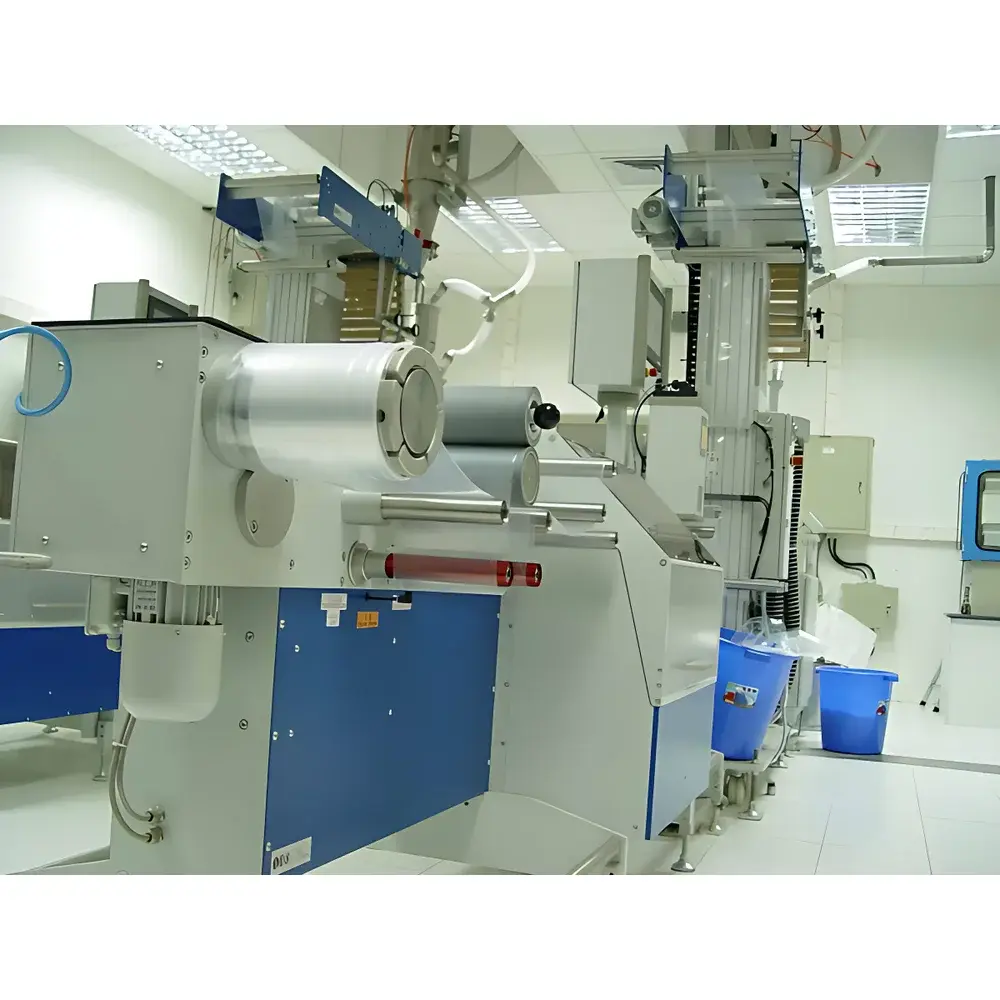
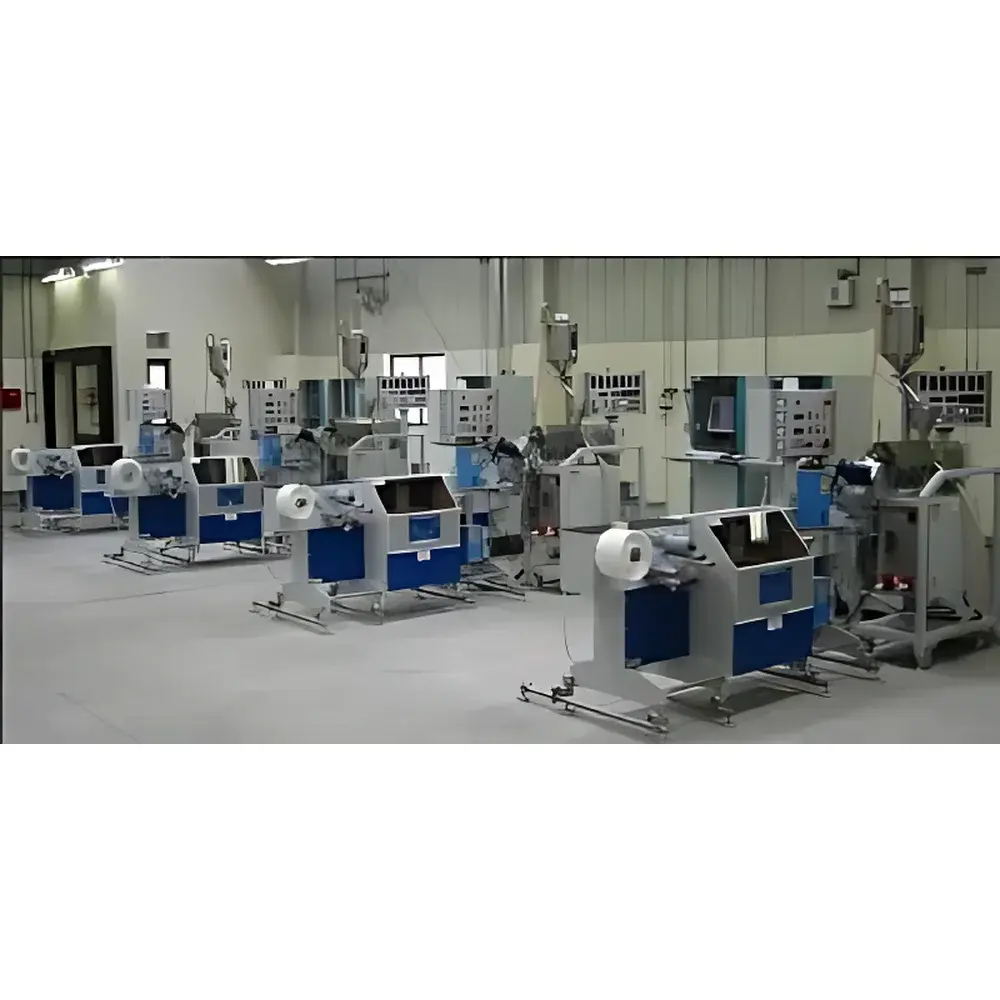
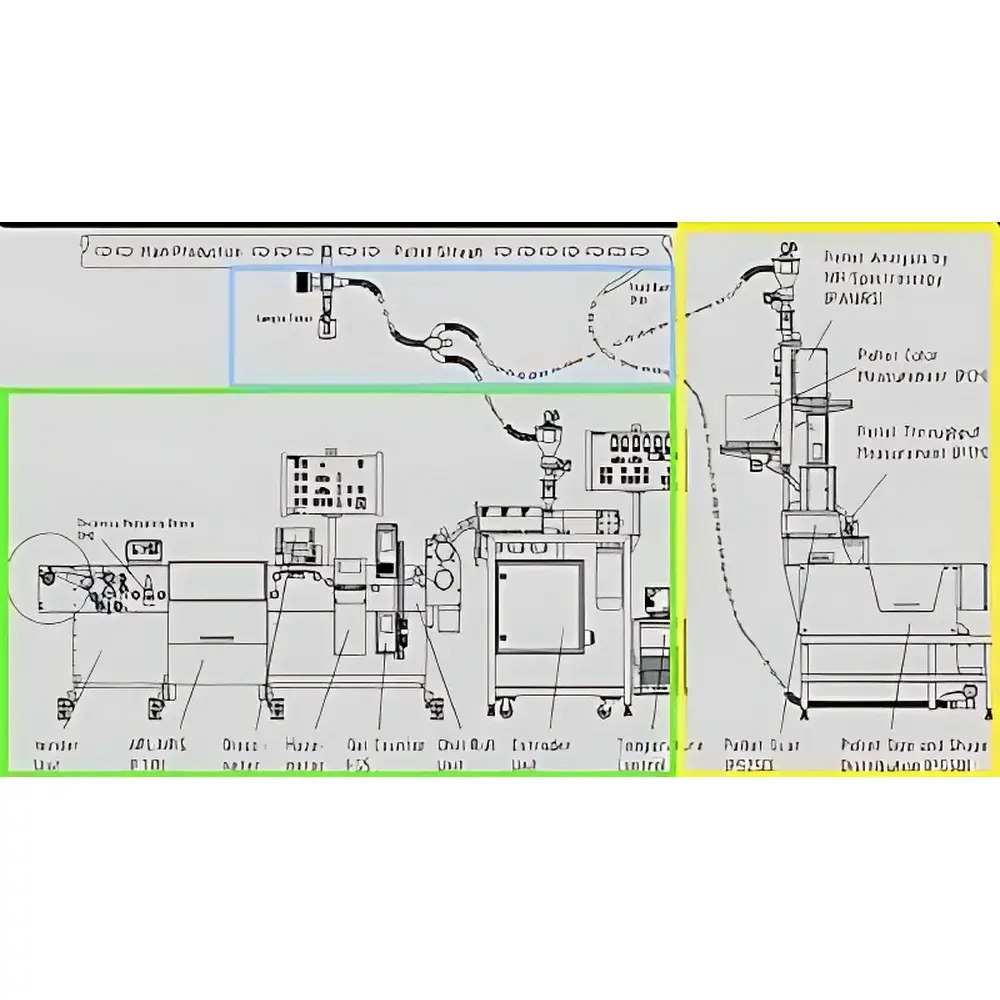
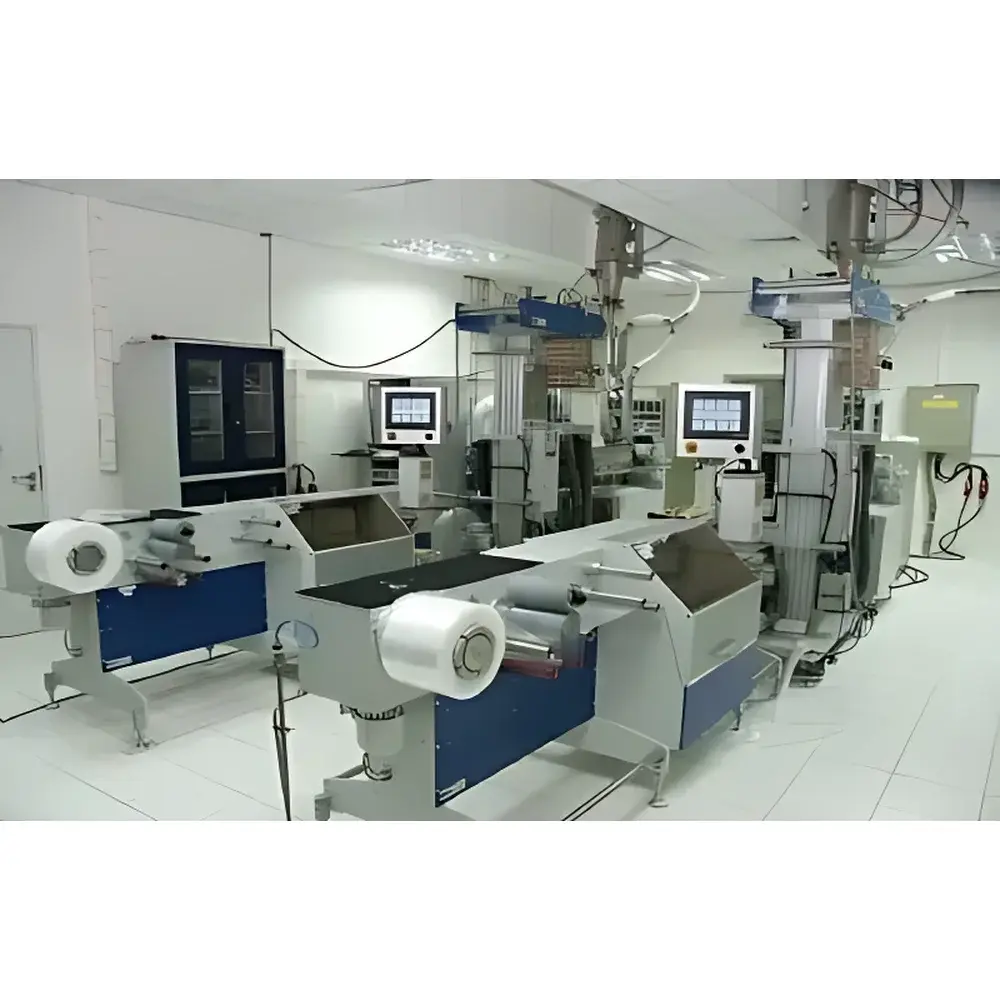
The OCS Online Analysis System is an integrated, real-time polyolefin resin characterization platform engineered for continuous in-process monitoring in high-throughput polyethylene (PE) and ethylene-vinyl acetate (EVA) production lines. Based on a modular architecture anchored in process sampling, controlled melt processing, and multi-modal inline spectroscopic and physical measurement, the system implements a closed-loop analytical workflow grounded in ASTM D1238 (melt index), ASTM D1922 (tear resistance of films), ASTM D1003 (haze), ASTM E308 (colorimetry), and ISO 18467 (gel content in polyolefins). It bridges the gap between laboratory-grade material characterization and industrial process control by delivering traceable, time-synchronized data streams—including crystallinity-related indicators (e.g., density proxies), compositional metrics (e.g., vinyl acetate wt% in EVA), and morphological defect signatures—directly to distributed control systems (DCS) with millisecond-level timestamping and audit-trail-capable data logging.
Key Features
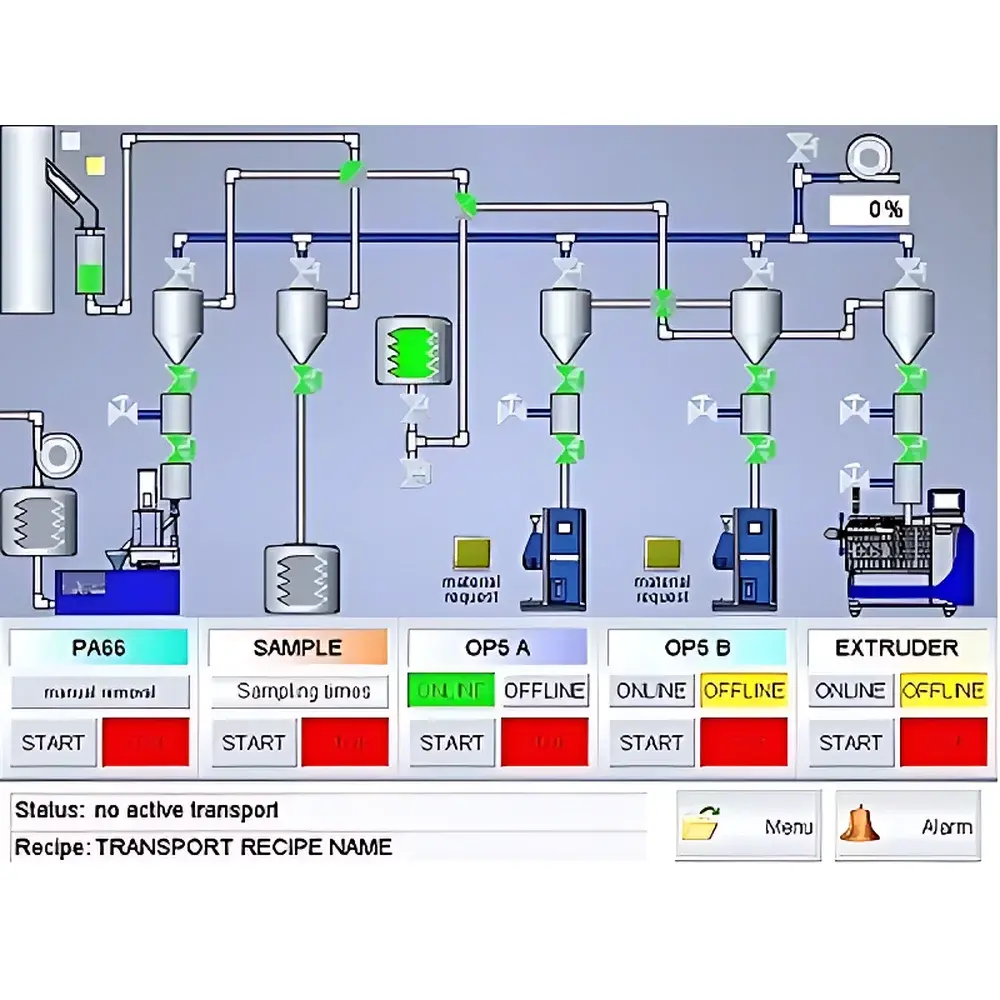
- Automated resin sampling and conditioned material distribution: Pneumatically actuated, temperature-stabilized sampling loop with inert gas purging to prevent thermal oxidation during transfer.
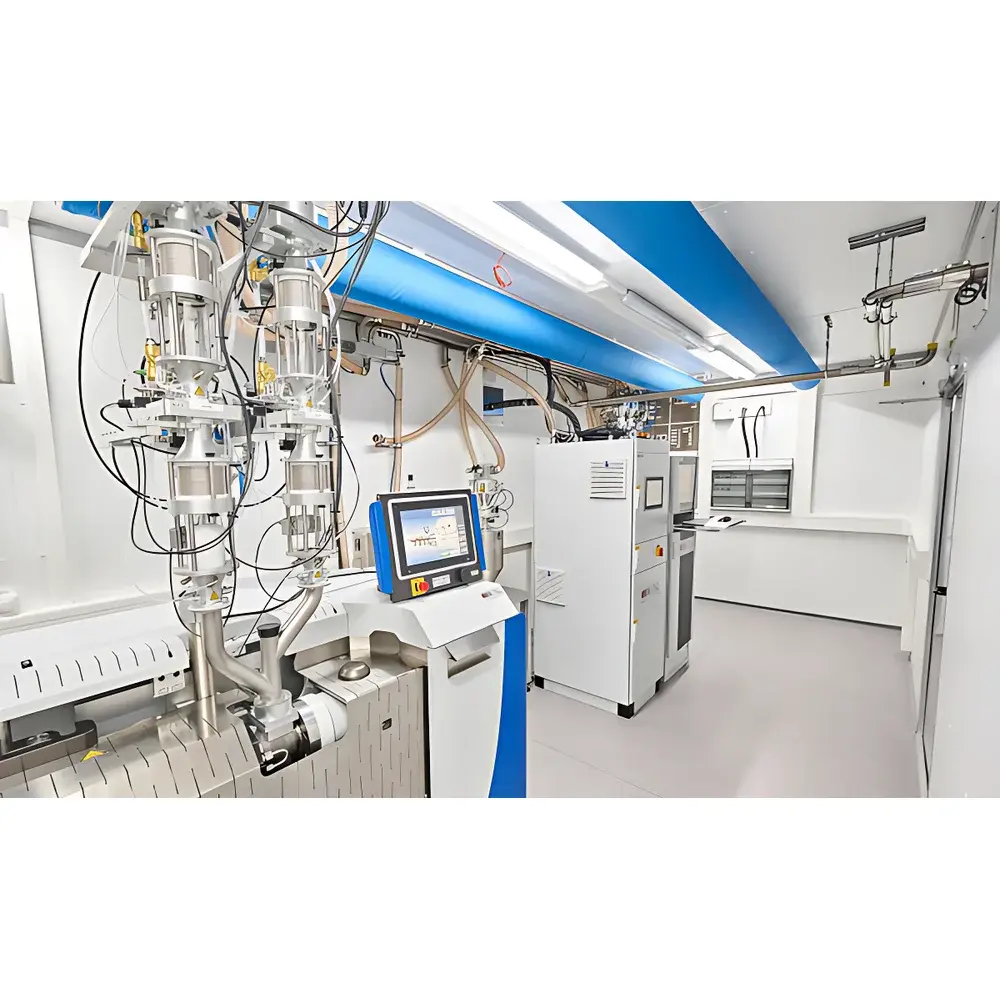
- Miniaturized co-rotating twin-screw extruder coupled with precision die-cast film casting or blow-up module: Enables reproducible melt-state conditioning under defined shear rate (0.1–100 s⁻¹) and temperature profiles (120–280 °C), simulating downstream conversion behavior.
- Inline gel detection via high-resolution transmission imaging: Pixel-level analysis of translucent film strips at 5 µm spatial resolution; quantifies gel count, size distribution (>20 µm), and morphology (spherical vs. filamentous).
- Fourier-transform near-infrared (FT-NIR) spectrometer with fiber-optic probe: Measures bulk polymer composition—density (via CH₂/CH₃ ratio), VA content (C=O band at 1740 cm⁻¹), antioxidant depletion (phenolic OH shift), and residual catalyst traces—using chemometric models validated against reference GC-MS and DSC data.
- Backscatter-integrated haze meter compliant with ASTM D1003: Reports total haze (%) and clarity (ΔT) from 0.1 mm thick cast films with ±0.2% repeatability across 0–100% range.
- Capillary rheometry-based melt index analyzer: Delivers ASTM D1238-conforming MI values (190 °C/2.16 kg, 5 kg, 21.6 kg loads) with automatic load switching and pressure-compensated piston displacement tracking.
- High-speed monochrome line-scan camera system with coaxial LED illumination: Detects surface and subsurface defects—including black specks (carbonized polymer), yellow particles (oxidation-induced chromophores), and metallic contaminants—at >1 m/min web speed with sub-pixel localization accuracy.
- Laser diffraction particle sizer (0.1–2000 µm range): Integrated upstream of pelletizer discharge to monitor granule size distribution, fines content, and agglomeration indices (e.g., D10/D90 ratio, skewness).
- CIE L*a*b* colorimeter with dual-angle (45°/0° and diffuse/8°) geometry: Tracks YI (ASTM E313), b* drift, and ΔE₀₀ against master standards; supports batch-to-batch color consistency reporting per ISO 11664-4.
Sample Compatibility & Compliance
The system is validated for linear low-density polyethylene (LLDPE), high-density polyethylene (HDPE), metallocene PE (mPE), and EVA copolymers with VA content ranging from 2 to 28 wt%. All optical and rheological modules operate within Class 10,000 cleanroom-compatible enclosures (ISO 14644-1). Data acquisition firmware complies with IEC 61511 functional safety requirements for SIL 2-rated process analyzers. Full electronic records—including raw spectra, image frames, and time-series MI traces—are structured in HDF5 format and support 21 CFR Part 11-compliant user authentication, electronic signatures, and immutable audit trails. System calibration protocols follow ISO/IEC 17025 clause 5.6, with annual third-party verification available through OCS-certified service partners in Europe and North America.
Software & Data Management
The OCS ControlSuite™ software provides a unified HMI for configuration, real-time dashboarding, and predictive analytics. It features embedded multivariate statistical process control (MSPC) engines using PCA and PLS regression to detect latent process shifts (e.g., catalyst deactivation, comonomer feed drift) before specification limits are breached. All data streams synchronize via OPC UA to existing DCS/SCADA platforms (e.g., Emerson DeltaV, Honeywell Experion, Siemens PCS7). Trend archives are retained for ≥18 months with configurable compression; alarm logic supports configurable severity tiers (warning, alert, shutdown) with email/SMS escalation and root-cause correlation tagging. Raw data export options include CSV, NetCDF, and direct SQL server ingestion.
Applications
- Real-time optimization of Ziegler–Natta and metallocene catalyst systems via VA content and MI trend feedback.
- Early detection of gel-forming impurities (e.g., reactor fouling residues, crosslinked polymer fragments) prior to die buildup.
- Quantitative validation of additive package homogeneity (e.g., hindered phenols, phosphites) during compounding.
- Correlation of haze/yellow index trends with peroxide degradation kinetics in pipe-grade HDPE.
- Statistical release testing for GMP-regulated medical-grade polyolefins (ISO 10993-18 compliance support available).
- Root-cause analysis of pellet quality excursions (e.g., fused particles linked to quench water temperature deviation).
FAQ
Does the system require offline lab confirmation for regulatory submissions?
No—when operated under validated conditions (including documented calibration, preventive maintenance, and change control), the OCS Online Analysis System meets the evidentiary threshold for in-process release testing per ICH Q5C and USP , subject to site-specific qualification (IQ/OQ/PQ).
Can the FT-NIR model be retrained for new copolymer grades?
Yes—OCS provides model development services using customer-supplied reference datasets; transfer learning protocols ensure <±0.15 wt% prediction error for VA content when trained on ≥50 representative batches.
What is the minimum detectable gel size?
20 µm diameter under standard film thickness (0.1 mm) and illumination conditions; detection limit improves to 12 µm with optional high-magnification lens kit.
Is the melt index module compliant with ASTM D1238 Method A and B?
Yes—the capillary die geometry, piston mass tolerance (±0.05%), and temperature stability (±0.1 °C over 30 min) satisfy all mechanical and thermal requirements of both methods.
How frequently does the system require recalibration?
Optical modules: quarterly intensity and wavelength validation using NIST-traceable standards; rheological modules: daily zero-point verification and weekly full-load calibration with certified reference materials (CRM-PE-01, CRM-PE-02).





